 Dave King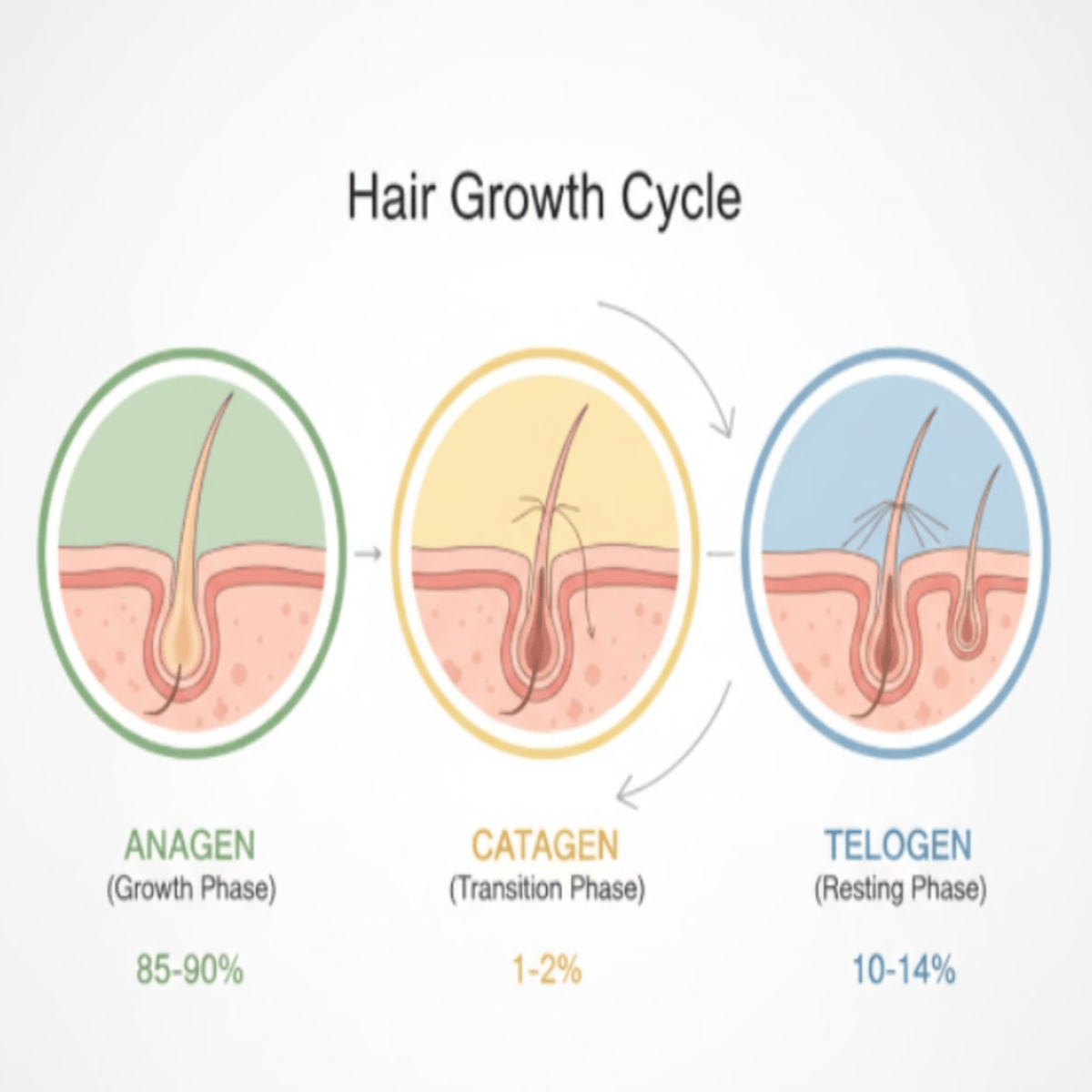
Growing longer, healthier hair is a goal shared by millions, yet the path to achieving it remains clouded by conflicting advice and miracle product claims. The truth is that no single serum or shampoo will transform your hair overnight. Real, sustainable hair growth comes from understanding the biology of your hair and committing to a holistic routine that addresses both your internal health and external care practices. This comprehensive guide will walk you through a science-backed blueprint that covers everything from scalp optimization and nutritional support to the specific products and techniques that protect every inch of growth you achieve.
The Science of Hair Growth: From Follicle to Strand
Before diving into specific routines and product recommendations, it’s essential to understand what’s actually happening beneath your scalp. Hair growth isn’t random or unpredictable. It follows a precise biological cycle governed by your follicles, and knowing how this process works empowers you to make informed decisions about your care routine.
Understanding the Hair Growth Cycle
Your hair goes through three distinct phases that determine how long each strand grows and when it eventually sheds. The anagen phase is the active growth period, lasting anywhere from two to seven years depending on your genetics. During this time, cells in the hair bulb rapidly divide, pushing the strand upward and outward from the follicle. The longer your anagen phase, the longer your hair can potentially grow.
The catagen phase is a brief transitional period lasting about two to three weeks. During this time, growth stops and the hair follicle shrinks. This phase signals that the strand is preparing to enter the final stage of its lifecycle .
Finally, the telogen phase is the resting period when the hair remains in the follicle but no longer grows. After approximately three months, the strand is shed to make room for a new hair beginning its anagen phase. At any given time, about 85 to 90 percent of your hair is in the anagen phase, with the remainder in catagen or telogen.
The primary goal of any effective hair growth routine is to extend the anagen phase as long as possible while keeping your follicles healthy enough to produce strong, resilient strands. This means creating optimal conditions both internally and externally.
Key Factors Influencing Your Hair’s Growth Rate
While we all want to believe we can drastically accelerate our hair’s growth, genetics plays the most significant role in determining how fast your hair grows and how long it can become. Most people’s hair grows approximately half an inch per month, or about six inches per year. Some individuals may experience slightly faster or slower growth based on their genetic blueprint.
Age is another important factor. Hair growth tends to slow down as we get older due to changes in hormone levels and decreased efficiency of hair follicle stem cells. This is a natural part of the aging process and affects everyone differently.
Hormonal fluctuations can significantly impact your hair growth cycle. Conditions like polycystic ovary syndrome, thyroid disorders, and even pregnancy can shift large numbers of follicles into different phases simultaneously, leading to noticeable changes in hair density and growth patterns.
Overall health status cannot be overlooked. Nutritional deficiencies, chronic illness, certain medications, and high stress levels all interfere with your body’s ability to support optimal hair growth. Your hair follicles are among the most metabolically active cells in your body, requiring a constant supply of nutrients and oxygen to function properly.
Understanding these factors helps set realistic expectations. No routine will double your genetically determined growth rate, but a well-designed approach can ensure you’re reaching your personal maximum potential while minimizing the breakage that makes growth seem slower than it actually is.
The Two-Pillar Approach: Inside-Out and Outside-In
The most effective hair growth strategies recognize that your hair’s health is determined by two interconnected systems. The inside-out pillar focuses on what you put into your body, providing the raw materials your follicles need to produce strong, healthy hair. The outside-in pillar addresses how you physically care for the hair that’s already grown, protecting it from damage and creating the optimal scalp environment for new growth.
Most people focus exclusively on the outside-in approach, investing in expensive products while neglecting the nutritional foundation that determines hair quality at the cellular level. Others eat impeccably but subject their hair to damaging practices that cause breakage faster than new growth can compensate. True success requires balancing both pillars in a comprehensive routine that addresses your hair’s needs from every angle.
Part One: The Inside-Out Routine for Hair Growth
Your hair follicles are constantly producing new cells that will eventually become the visible hair shaft. This process requires a steady supply of specific nutrients, and deficiencies in any of these can slow growth, reduce hair quality, or even cause excessive shedding. Building a strong nutritional foundation is the first step toward achieving your hair growth goals.
Fueling Your Follicles: The Ultimate Hair Growth Diet
What you eat directly impacts the structural integrity and growth rate of your hair. While topical treatments work on the surface, only proper nutrition can strengthen hair from within, creating strands that are more resistant to breakage and environmental damage.
The Macronutrient Powerhouse: Protein and Healthy Fats
Hair is approximately 95 percent keratin, a structural protein your body synthesizes from the amino acids in the protein you consume. Without adequate dietary protein, your body cannot produce sufficient keratin to support optimal hair growth. Research shows that severe protein deficiency can push hair follicles into the telogen phase prematurely, leading to increased shedding and thinning.
Aim to include high-quality protein sources at every meal. Lean meats like chicken and turkey provide complete amino acid profiles. Fish, particularly salmon, mackerel, and sardines, offer protein along with omega-3 fatty acids. Eggs are exceptional because they contain not only protein but also biotin and selenium. For plant-based eaters, legumes like lentils and chickpeas, along with quinoa and nuts, provide excellent protein alternatives.
Healthy fats are equally crucial because they help your body absorb fat-soluble vitamins and support the production of sebum, your scalp’s natural conditioning oil. Omega-3 fatty acids, in particular, have anti-inflammatory properties that may help maintain a healthy scalp environment. Include sources like fatty fish, walnuts, flaxseeds, chia seeds, and avocados regularly in your diet.
Essential Vitamins and Minerals for Maximum Growth
Several micronutrients play specialized roles in the hair growth process. Deficiencies in any of these can manifest as slower growth, increased shedding, or changes in hair texture.
Biotin, also known as vitamin B7, supports keratin production and is perhaps the most famous hair-growth vitamin. While true biotin deficiency is rare in people eating a balanced diet, supplementation has shown benefits for individuals with specific conditions affecting hair health. Food sources include eggs, almonds, sweet potatoes, and spinach.
Iron deficiency is one of the most common nutritional causes of hair loss, particularly in women. Iron helps red blood cells carry oxygen to your tissues, including hair follicles. Without adequate oxygen delivery, follicles cannot function optimally. Include iron-rich foods like red meat, spinach, lentils, and fortified cereals in your diet, and consider pairing them with vitamin C sources to enhance absorption.
Vitamin C does double duty for hair growth. It’s a powerful antioxidant that protects follicles from oxidative stress, and it’s essential for collagen production, which strengthens hair structure. Additionally, vitamin C significantly improves iron absorption from plant-based sources. Citrus fruits, strawberries, bell peppers, and broccoli are excellent sources.
Vitamin D receptors are found in hair follicles, and research has linked vitamin D deficiency to alopecia and reduced hair growth. While your body produces vitamin D from sun exposure, many people, particularly those in northern climates, benefit from dietary sources like fatty fish, fortified dairy products, and egg yolks, or from supplementation after consultation with a healthcare provider.
Zinc supports hair tissue growth and repair while also helping to keep the oil glands around follicles functioning properly. Oysters are the richest food source, but beef, pumpkin seeds, lentils, and spinach also provide substantial amounts.
Creating a simple table can help you plan meals that support hair growth:
Essential Hair Growth Nutrients
Protein: Chicken, fish, eggs, legumes, nuts – Builds keratin structure
Omega-3s: Salmon, walnuts, flaxseeds – Supports scalp health and reduces inflammation
Biotin: Eggs, almonds, sweet potatoes – Enhances keratin production
Iron: Red meat, spinach, lentils – Delivers oxygen to follicles
Vitamin C: Citrus, berries, peppers – Aids collagen production and iron absorption
Vitamin D: Fatty fish, fortified dairy, sunlight – Supports follicle cycling
Zinc: Oysters, beef, pumpkin seeds – Maintains follicle health
The Role of Hydration in Hair Health
While often overlooked, proper hydration is fundamental to cellular health throughout your body, including the cells that produce hair. Water makes up almost 25 percent of a single hair strand’s weight, and adequate hydration helps maintain hair elasticity and prevents brittleness that leads to breakage.
Dehydration affects the efficiency of nutrient delivery to your follicles and can make your hair appear dull and lifeless. Aim for at least eight glasses of water daily, adjusting upward if you’re physically active or live in a hot climate. Herbal teas and water-rich foods like cucumbers and watermelon also contribute to your overall hydration status.
Supplements for Hair Growth: What Actually Works
The supplement industry markets countless products promising rapid hair growth, but the science behind these claims varies widely. Understanding which supplements have legitimate research backing and when they’re actually beneficial can save you money and disappointment.
Decoding the Labels: Biotin, Collagen, and Keratin
Biotin supplements have become nearly synonymous with hair growth, and while they can be beneficial, their effectiveness depends on your baseline nutritional status. Dr. Melissa Piliang, a dermatologist at Cleveland Clinic, notes that biotin supplementation primarily helps individuals who have an actual deficiency, which is relatively uncommon in people consuming a varied diet. For those without deficiency, additional biotin is unlikely to produce dramatic results.
Collagen supplements have gained popularity based on the reasoning that since collagen is a major structural protein, consuming it might strengthen hair. Some studies suggest collagen peptides may improve hair thickness and growth, potentially by providing amino acids used in keratin production or by acting as antioxidants that fight follicle damage. However, research is still emerging, and results vary among individuals.
Keratin supplements face a similar evidence gap. While keratin is the primary structural component of hair, consuming keratin proteins doesn’t necessarily mean your body will direct those building blocks specifically to your hair follicles. Your digestive system breaks down proteins into individual amino acids, which are then distributed throughout your body based on overall needs and priorities.
Marine protein supplements derived from fish have shown promise in some clinical trials, with participants experiencing improved hair growth and reduced shedding after several months of use. These supplements typically contain a blend of proteins, vitamins, and minerals that work synergistically.
When to Consider Supplements for Your Hair
The most responsible approach to hair growth supplementation starts with identifying whether you have any nutritional deficiencies. Schedule a consultation with your healthcare provider and request blood work that checks your levels of iron, vitamin D, B vitamins, and other nutrients relevant to hair health.
If testing reveals a deficiency, targeted supplementation under medical supervision can be remarkably effective at reversing hair thinning or slow growth caused by that specific nutritional gap. However, taking high doses of vitamins and minerals you don’t actually need can be wasteful at best and potentially harmful at worst, as some nutrients can accumulate to toxic levels.
For individuals with confirmed deficiencies or those experiencing hair loss related to specific medical conditions, supplements can be a valuable component of a comprehensive treatment plan. For most others, focusing on a nutrient-dense whole foods diet provides the foundation for healthy hair growth without the need for additional supplementation.
Part Two: The Outside-In Step-by-Step Hair Growth Routine
While internal nutrition provides the building blocks for healthy hair, your external care routine determines whether the hair you grow remains strong and intact. The most important concept to understand is that hair growth and length retention are not the same thing. Your hair may be growing at a normal rate, but if it’s breaking off at the ends as fast as it grows from the roots, you’ll never see increased length.
Foundational Practices for Length Retention
These core practices should be incorporated into your routine regardless of your specific hair type or texture. They form the baseline from which all other specialized treatments build.
Mastering the Art of Gentle Cleansing
The cleansing phase of your routine serves one primary purpose: removing dirt, excess oil, product buildup, and environmental pollutants from your scalp and hair. However, harsh cleansing strips away too much of your scalp’s natural sebum, leading to dryness, irritation, and compensatory oil overproduction.
Choose sulfate-free shampoos that clean effectively without the aggressive detergent action of sulfates like sodium lauryl sulfate. These gentler formulations preserve your hair’s natural moisture balance while still providing thorough cleansing.
Proper shampooing technique matters as much as product selection. Focus the shampoo application on your scalp, where oil and buildup accumulate, rather than scrubbing the length of your hair. Use your fingertips, not your nails, to massage the product into your scalp using gentle circular motions. This stimulates blood flow while cleaning effectively. The shampoo that rinses through the lengths of your hair as you wash it out is sufficient to clean those areas without excessive manipulation.
For most hair types, washing two to three times per week provides adequate cleansing without overdrying. Extremely oily scalps may require more frequent washing, while very dry or curly hair types often benefit from less frequent cleansing, sometimes just once weekly.
The Critical Role of Conditioner in Preventing Breakage
Conditioner is non-negotiable if you’re serious about growing long hair. The cleansing process raises the hair cuticle, the protective outer layer of each strand. Raised cuticles create a rough surface that tangles easily and creates friction when hairs rub against each other, leading to breakage and split ends.
Quality conditioners contain cationic surfactants and conditioning agents that smooth the cuticle back down, creating a sleek surface that prevents tangling and reduces friction. This smoothing effect is essential for length retention because it minimizes the daily mechanical damage that accumulates over time.
Apply conditioner from mid-length to ends, avoiding the scalp area unless you have extremely dry skin. The ends of your hair are the oldest and most weathered part of each strand, having been exposed to environmental stressors for years. They require the most conditioning to remain supple and resistant to breakage.
Leave the conditioner on for at least two to three minutes to allow the conditioning agents to penetrate the cuticle layer. For extra benefit, detangle your hair while the conditioner is still in, using a wide-tooth comb or your fingers. The slip provided by the conditioner allows you to work through knots with minimal hair loss.
Scalp Care: The Bedrock of Hair Growth
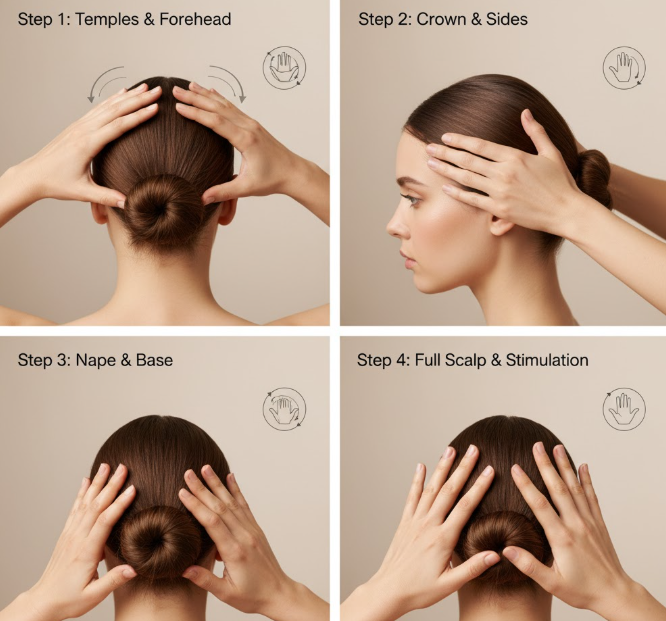
Your scalp is living skin, and like the skin on your face, it requires specific care to function optimally. A healthy scalp environment is absolutely fundamental to hair growth because this is where your follicles reside and where each new strand begins its journey.
Why Scalp Exfoliation Is Non-Negotiable
Over time, your scalp accumulates dead skin cells, excess sebum, styling product residue, and environmental pollutants. This buildup can clog follicles, create inflammation, and prevent the absorption of beneficial treatments you apply topically. Regular scalp exfoliation removes this accumulation and promotes cellular turnover, creating an optimal environment for hair growth.
Chemical exfoliants like salicylic acid work by dissolving the bonds between dead skin cells, allowing them to be easily rinsed away. They’re particularly effective for oily scalps or those prone to dandruff. Physical exfoliants, such as scalp scrubs containing sugar or salt crystals, manually lift away buildup through gentle friction.
Exfoliate your scalp once weekly or biweekly, depending on how quickly your scalp accumulates buildup. Apply the exfoliant to damp hair, massage gently with your fingertips using circular motions, then rinse thoroughly before shampooing as usual. This simple addition to your routine can dramatically improve scalp health and create better conditions for hair growth.
The Power of a Daily Scalp Massage
Scalp massage has been shown in research studies to increase hair thickness and potentially accelerate growth by stimulating blood flow to the follicles. A 2016 study published in the journal Eplasty found that participants who performed standardized scalp massage for four minutes daily experienced increased hair thickness after 24 weeks.
The mechanism is straightforward: massage increases circulation, which delivers more oxygen and nutrients to the follicle cells while removing metabolic waste products more efficiently. This enhanced nutrient delivery and waste removal creates optimal conditions for the follicle to produce healthy, strong hair.
Dedicate just three to five minutes daily to scalp massage. Use the pads of your fingers to apply gentle pressure in small circular motions, working systematically across your entire scalp. You can perform this massage on dry hair before washing, during shampooing, or while applying a treatment oil. Consistency matters more than duration, so even a brief daily massage is more beneficial than an occasional longer session.
Your Weekly Hair Growth Ritual
Beyond your foundational daily practices, incorporating weekly intensive treatments provides extra support for growth and strength. These treatments deliver concentrated benefits that address specific needs your regular routine may not fully cover.
Deep Conditioning and Hair Masks for Intense Hydration
While your regular conditioner smooths the cuticle and provides basic moisture, deep conditioning treatments and hair masks contain higher concentrations of moisturizing and strengthening ingredients that penetrate more deeply into the hair shaft. These intensive treatments repair damage, improve elasticity, and fortify hair against future stress.
Look for deep conditioners containing ingredients like hyaluronic acid, which holds up to 1,000 times its weight in water, providing exceptional hydration. Shea butter and coconut oil offer emollient properties that seal the cuticle and prevent moisture loss. Ceramides help rebuild the lipid barrier that holds cuticle cells together, essentially patching gaps in damaged hair.
Apply your deep conditioning treatment to clean, damp hair from roots to ends. Cover with a shower cap or plastic wrap and allow the treatment to work for 20 to 30 minutes. For enhanced penetration, apply gentle heat using a hair dryer over the cap or a warm towel wrapped around your head. Heat temporarily expands the cuticle, allowing conditioning ingredients to penetrate more effectively.
Pre-Shampoo Treatments: An Extra Layer of Protection
Pre-shampoo treatments, often called pre-poos, involve applying a protective oil or conditioning treatment before shampooing. This practice is particularly beneficial for dry, damaged, or chemically treated hair that may be vulnerable to the drying effects of cleansing.
The concept is simple: coating your hair with oil before shampooing creates a barrier that prevents the shampoo from stripping away too much natural moisture from the hair shaft. The shampoo still effectively cleanses your scalp, but the lengths and ends of your hair retain more of their natural moisture and structural integrity.
Coconut oil is a popular choice for pre-poos because its molecular structure allows it to penetrate the hair shaft rather than just coating the surface. Olive oil, avocado oil, and even your regular conditioner can serve as effective pre-poo treatments. Apply the product to dry hair, focusing on the mid-lengths and ends, and leave it on for 15 to 30 minutes before proceeding with your normal shampoo routine.
The Rise of Hair Oiling for Scalp and Strand Health
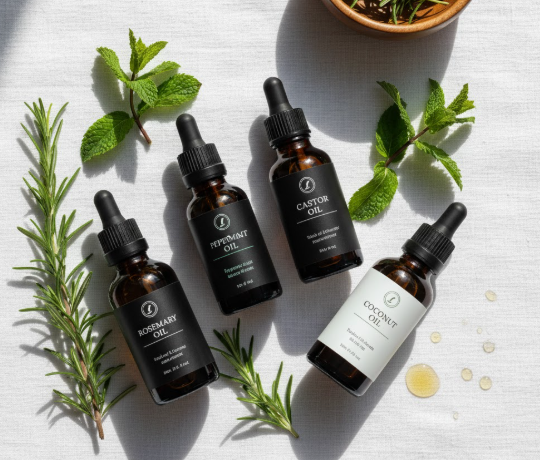
Hair oiling practices have been central to hair care traditions in South Asia, Africa, and the Mediterranean for centuries, and contemporary research is beginning to validate what these cultures have known intuitively. Certain oils contain compounds that may actively support hair growth beyond simple moisturization.
Rosemary Oil Versus Minoxidil: What the Science Says
Rosemary oil has emerged as one of the most scientifically supported natural hair growth treatments. A landmark 2015 study published in the journal Skinmed compared rosemary oil to two percent minoxidil, the active ingredient in Rogaine, in men with androgenetic alopecia. After six months of treatment, both groups experienced significant increases in hair count, with rosemary oil performing comparably to minoxidil but with less scalp itching as a side effect.
The proposed mechanism involves improved circulation and anti-inflammatory properties, along with potential effects on blocking dihydrotestosterone, a hormone implicated in pattern hair loss. To use rosemary oil safely and effectively, dilute three to five drops in a carrier oil like jojoba or coconut oil, massage into your scalp, and leave on for at least 30 minutes before washing, or overnight for maximum benefit.
How to Properly Use Castor and Peppermint Oil
Castor oil is renowned for its thickness and high ricinoleic acid content, which has anti-inflammatory and antimicrobial properties. While claims that it accelerates growth are largely anecdotal, castor oil excels at coating and protecting the hair shaft, reducing breakage and creating optimal scalp conditions. Due to its viscosity, many users prefer to blend it with lighter oils like argan or sweet almond oil.
Peppermint oil has demonstrated impressive results in animal studies, with one 2014 study showing it outperformed minoxidil in promoting hair growth in mice. The menthol in peppermint oil creates a tingling sensation that indicates increased blood flow to the area. Always dilute peppermint oil thoroughly, using only two to three drops per tablespoon of carrier oil, as it’s quite potent and can cause irritation if used improperly. Apply to the scalp, massage gently, and leave on for at least 30 minutes before washing.
With all hair oils, consistency is key. Apply them weekly as part of your growth routine, and always perform a patch test before using a new oil to ensure you don’t have an allergic reaction.
Protecting Your Progress: Minimizing Damage and Breakage
Growing your hair longer requires not just promoting new growth but also protecting the hair you already have from damage. Every broken strand represents lost length, so damage prevention is just as important as any growth-promoting treatment.
Heat Styling: The Golden Rules for Safe Usage
Heat styling tools can reach temperatures exceeding 400 degrees Fahrenheit, which is hot enough to literally boil the water inside your hair shaft, creating bubbles that weaken the structure and lead to breakage. While avoiding heat entirely is ideal for length retention, most people want the versatility that heat styling provides.
If you choose to use heat tools, always apply a high-quality heat protectant first. These products contain polymers that form a protective barrier on the hair shaft, helping to distribute heat more evenly and providing a buffer against the most extreme temperatures. Look for protectants containing ingredients like silicones, which create an effective heat shield, or plant-based alternatives if you prefer silicone-free formulations.
Use the lowest effective temperature for your hair type. Fine hair can often be styled at 300 degrees or below, while thick, coarse hair may require higher heat. Most people use excessive heat unnecessarily. Invest in quality tools with accurate temperature controls rather than relying on drugstore options that may have significant temperature variations.
Limit heat styling to two to three times weekly maximum if you’re focused on growth. On off days, embrace air-drying methods, heatless curl techniques, or protective styles that don’t require thermal manipulation.
Protective Hairstyles to Reduce Physical Stress
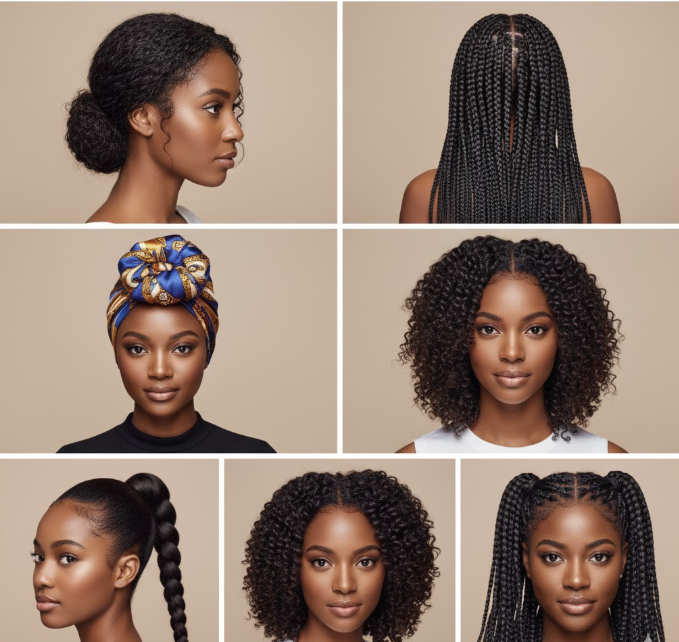
Protective hairstyles keep the ends of your hair tucked away and minimize daily manipulation, reducing the mechanical stress that leads to breakage. Styles like loose braids, low buns, and twists can be excellent options when executed properly.
The critical word is “loose.” Hairstyles that create excessive tension on the follicles can cause traction alopecia, a form of hair loss resulting from prolonged pulling. This condition is particularly common along the hairline and temple areas where hair is most fragile. If a hairstyle causes pain, feels uncomfortably tight, or gives you a headache, it’s too tight and is potentially damaging your follicles.
Rotate your protective styles and the placement of parts, elastics, and clips to prevent repeatedly stressing the same hair sections. Use hair-friendly accessories like spiral hair ties, silk scrunchies, or seamless clips that don’t snag or create pressure points on your hair.
For those with textured hair, protective styles are often essential for length retention, but it’s important to ensure your hair is properly moisturized before installation and that the style isn’t left in for so long that it becomes matted or accumulates excessive buildup.
Your Sleep Routine: Silk Pillowcases and Bonnets
The average person moves and shifts position numerous times throughout the night, and each movement creates friction between your hair and your pillowcase. Traditional cotton pillowcases have a relatively rough surface that can snag hair, absorb moisture from your strands, and create tangles that lead to breakage when you attempt to comb through them in the morning.
Silk or satin pillowcases provide a much smoother surface that allows your hair to glide rather than catch and pull. Silk also doesn’t absorb moisture the way cotton does, so your hair retains more of its natural oils and any leave-in treatments you’ve applied. This single change can make a noticeable difference in reducing morning tangles and breakage over time.
Alternatively, protective sleep bonnets or silk wraps keep your hairstyle intact while providing the same friction-reduction benefits. This is particularly valuable if you’ve set your hair in a particular style or pattern that you want to maintain for several days. For those with wavy hair, learning how to take care of wavy hair after an airplane ride or disrupted sleep can help maintain definition and minimize frizz.
Tailoring Your Routine: Customizing for Your Hair Type
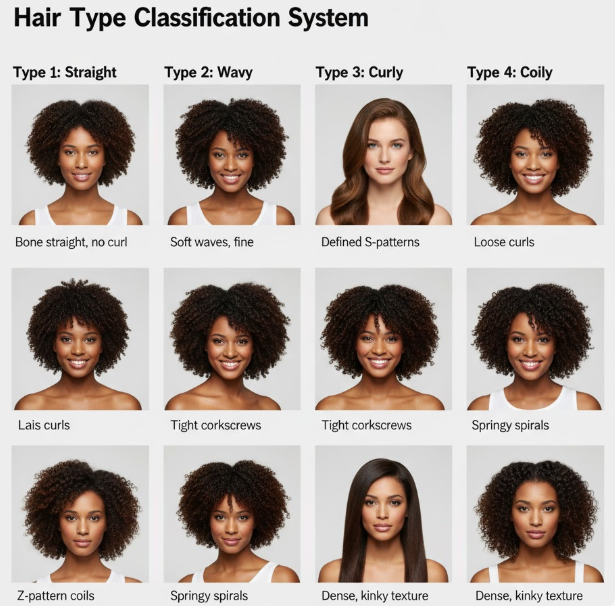
While the fundamental principles of hair growth apply universally, the specific products and techniques that work best vary significantly depending on your hair’s texture, density, and porosity. Customizing your approach ensures you’re addressing your hair’s unique needs rather than following a generic routine that may not serve you well.
Hair Growth Routine for Fine or Thinning Hair
Fine hair presents specific challenges when pursuing growth. The smaller diameter of each strand means it’s inherently more fragile and prone to breakage. Additionally, fine hair tends to look limp and lifeless when weighed down by heavy products.
Focus on lightweight formulations for every product in your routine. Choose volumizing shampoos and conditioners that won’t coat your hair with heavy residues. Apply conditioner primarily to the ends, avoiding the root area entirely to prevent your hair from looking flat and greasy.
Be exceptionally gentle with detangling and styling. Fine hair breaks more easily than coarse hair, so use a wet brush designed specifically for detangling and work in small sections from ends to roots. Avoid tight hairstyles that put stress on delicate strands.
Scalp treatments containing caffeine or peptides have shown promise for thinning hair. Caffeine can help extend the anagen growth phase and stimulate follicle activity, while peptides support cellular repair and regeneration. These treatments are typically applied directly to the scalp and left on, not rinsed out.
If you’re experiencing significant thinning beyond what’s typical for naturally fine hair, consult a dermatologist or trichologist to rule out underlying conditions like androgenetic alopecia, telogen effluvium, or nutritional deficiencies that may require medical treatment.
Hair Growth Routine for Coily and Curly Hair Types Three to Four
Coily and curly hair textures face a unique set of challenges when it comes to growth and length retention. The natural shape and structure of curly hair makes it more prone to dryness because sebum from the scalp has difficulty traveling down the twists and turns of each strand. This inherent dryness increases fragility and breakage risk.
Moisture is the foundation of any successful curly hair growth routine. Deep condition weekly or even more frequently if your hair is particularly dry or damaged. Many people with coily hair find success with the LOC or LCO method for sealing in moisture: layering a liquid or leave-in conditioner, oil, and cream in a specific order to maximize hydration and prevent moisture loss.
Minimize manipulation and embrace low-maintenance protective styles. Constant combing, brushing, and restyling creates mechanical stress that leads to breakage. Finger detangling on wet, conditioned hair is much gentler than using combs or brushes on dry hair.
The shrinkage that’s characteristic of coily hair can disguise significant length, making it seem like your hair isn’t growing when it actually is. Track your progress using stretched measurements rather than judging by how your hair appears in its natural shrunken state.
If you have questions about managing curls in specific situations, such as how to maintain your waves after swimming, resources on wavy hair after the pool can provide targeted guidance for protecting your curl pattern.
Hair Growth Routine for Oily Hair
An oily scalp presents a frustrating paradox for anyone pursuing hair growth. Frequent washing to control oil production can be drying and damaging, yet allowing oil to accumulate can clog follicles and create an unhealthy scalp environment.
The key is finding the right balance for your individual scalp. You may need to wash four to five times weekly to keep your scalp clean and healthy, which is perfectly fine as long as you’re using gentle, sulfate-free formulas and focusing the cleansing action on your scalp rather than scrubbing the lengths of your hair.
Consider the double cleansing method, borrowed from Korean beauty routines. The first shampoo breaks down oil and product buildup, and the second shampoo delivers a deeper cleanse. This technique allows you to use less aggressive products while still achieving thorough cleansing.
Use clarifying shampoos weekly or biweekly to remove stubborn buildup that regular shampoos may not fully address. These stronger formulas should be followed with a good conditioner to prevent excessive dryness.
Apply conditioner and heavier treatments only to your ends, keeping them well away from your scalp. Your scalp produces plenty of natural oil and doesn’t need additional emollients that could exacerbate the oiliness issue.
Common Hair Growth Myths Debunked
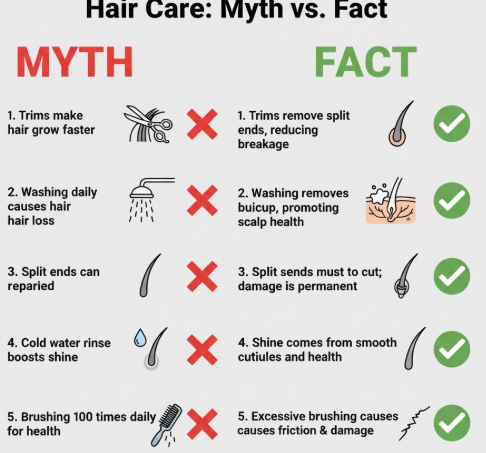
The hair care industry and internet advice forums are filled with misconceptions that can lead people astray in their growth journeys. Understanding what actually works versus what’s marketing fiction or old wives’ tales helps you invest your time and money more effectively.
Myth: Trimming Your Hair Makes It Grow Faster
This is perhaps the most persistent hair myth, and while regular trims are valuable, they don’t affect your growth rate. Hair grows from the follicle in your scalp, and cutting the ends has absolutely no impact on the biological processes happening at the root level.
What trimming does accomplish is the removal of split ends before they can travel up the hair shaft. A split end that’s left untreated will continue splitting upward, causing more extensive damage that eventually requires cutting off more length. By trimming away splits every eight to twelve weeks, you prevent this progressive damage and retain more of the length you’re growing.
Think of it this way: trimming doesn’t make your hair grow faster, but it does help you keep more of the hair that’s already growing, which is essential for achieving long hair.
Myth: You Can Grow Two Inches of Hair in a Week
Despite the abundance of products and treatments claiming to deliver rapid hair growth, the biological reality is that human hair grows approximately half an inch per month on average. This rate is determined by the hair growth cycle and cellular division rates that cannot be fundamentally altered by topical products.
Some people may experience slightly faster growth, up to perhaps three-quarters of an inch monthly, due to favorable genetics or optimal health conditions. However, dramatic growth in a matter of days or weeks is biologically impossible. Any product making such claims is either measuring something other than actual growth, such as reduced breakage leading to more length retention, or is simply engaging in false advertising.
Setting realistic expectations is crucial for avoiding disappointment and wasted money on miracle products. Focus instead on consistent, evidence-based practices that optimize your personal growth rate and maximize length retention.
Myth: Specific Shampoos Can Magically Speed Up Growth
Many shampoos are marketed with claims about accelerating hair growth, often at premium prices. While certain shampoos can create a healthier scalp environment that supports optimal follicle function, no shampoo can override your genetically determined growth rate.
What quality shampoos can do is remove buildup that might be clogging follicles, deliver ingredients like caffeine or peptides that may stimulate follicle activity, and maintain the pH balance that keeps your scalp healthy. These factors can help you achieve your maximum natural growth potential, but they won’t create supernatural results.
Be skeptical of dramatic before-and-after photos in shampoo advertisements, as many of these images show improved hair health, thickness, or volume rather than actual new growth. If you’re investing in customized hair care, you might wonder whether premium options deliver real results. Reviews like is Prose worth it can help you make informed decisions about whether personalized formulations justify their higher price points.
Real-Life Progress: What to Expect and How to Track It
Understanding what realistic progress looks like and how to accurately measure it helps you stay motivated during your hair growth journey while avoiding discouragement from unrealistic expectations.
The Importance of Consistency and Patience
Hair growth is a slow process that requires sustained effort over months and years, not days or weeks. Most people need to follow a consistent routine for at least three to six months before seeing noticeable changes in length, thickness, or overall hair health.
This timeline exists because of the hair growth cycle itself. Remember that your hair follicles are constantly cycling through different phases, and it takes time for improvements in your routine to affect the hair that’s currently growing and the follicles that are preparing to produce new strands.
Consistency matters more than perfection. Following a good routine 80 percent of the time will yield far better results than sporadic periods of intensive effort followed by complete neglect. Build sustainable habits that you can maintain long-term rather than attempting drastic measures that aren’t realistic for your lifestyle.
How to Take Progress Pictures That Show Real Change
Progress pictures are essential for tracking your growth journey because the gradual nature of hair growth makes it difficult to notice changes from day to day. However, poorly taken comparison photos can be misleading and discouraging.
Take your initial photos in consistent lighting conditions, preferably natural daylight from the same window or location. Artificial lighting can dramatically change how your hair appears, making comparisons difficult to interpret accurately.
Use the same background and camera angle for every progress photo. Stand or sit in exactly the same position, and if possible, use a tripod or stable surface for your camera to ensure the framing remains identical.
Keep your hair in the same state for each photo. If you’re tracking length, straighten your hair to eliminate curl pattern variations that can disguise growth. Take photos from multiple angles: front, both sides, and back.
Set a regular schedule for progress photos, such as the first of every month, and avoid the temptation to take them more frequently. You’re unlikely to see meaningful changes in less than four to six weeks, and taking photos too often can be demotivating.
Record relevant information with each photo set, such as current routine, any product changes, health factors, or life stressors that might be affecting your hair. This contextual information can help you identify what’s working and what might need adjustment.
Conclusion: Your Journey to Longer, Stronger Hair
Achieving your hair growth goals requires a comprehensive approach that addresses both the internal and external factors influencing hair health. The inside-out pillar ensures your follicles have the nutritional building blocks they need to produce strong, healthy hair. This means consuming adequate protein, essential vitamins and minerals, healthy fats, and staying properly hydrated. For those with confirmed deficiencies, targeted supplementation under medical supervision can be remarkably effective.
The outside-in pillar focuses on creating an optimal scalp environment for growth while protecting the length you’ve already achieved from breakage. This involves gentle cleansing practices, regular conditioning, scalp exfoliation and massage, weekly deep conditioning treatments, strategic use of growth-promoting oils like rosemary oil, minimizing heat damage, choosing protective hairstyles that don’t create tension, and reducing friction during sleep with silk pillowcases or bonnets.
Remember that hair growth is fundamentally a journey of patience and consistency rather than a quick fix. Your hair grows at a biologically determined rate that cannot be drastically accelerated, but you can optimize conditions to reach your maximum natural potential while minimizing the breakage that prevents length retention. Set realistic expectations, track your progress with consistent photography, and celebrate the small improvements that accumulate into significant transformation over time.
Most importantly, approach your hair care routine as a form of self-care rather than a chore. The rituals of scalp massage, deep conditioning treatments, and mindful styling can be meditative practices that contribute to your overall wellbeing while supporting your hair growth goals. With the right knowledge, realistic expectations, and commitment to consistent care, you can absolutely achieve the longer, stronger, healthier hair you’re working toward.
Frequently Asked Questions
What is the most important part of a hair care routine for growth?
The most important element is maintaining a healthy scalp. Your scalp is where hair follicles reside and where every strand begins, so keeping it clean, stimulated through massage, and free from inflammation or buildup creates the foundation for optimal growth. Consistency in following your routine comes in as a very close second, since sporadic effort won’t produce the sustained results that regular care delivers.
Can I really make my hair grow faster in a week?
No, you cannot change your hair’s biological growth rate in a week or even a month. Human hair grows approximately half an inch per month on average, determined by genetics and the natural hair growth cycle. What you can do immediately is start a routine that minimizes breakage and creates optimal conditions for growth, which will make a noticeable difference in length retention over several months.
How often should I wash my hair to encourage growth?
Washing frequency should be based on your hair type and how quickly your scalp produces oil, not on a universal schedule. The goal is maintaining a clean, healthy scalp without stripping natural oils. Those with oily scalps may need to wash every one to two days, while people with dry or curly hair often do best washing just once weekly. Focus on scalp health and let that guide your personal washing schedule.
Which oil is scientifically best for hair growth?
Rosemary oil has the strongest scientific backing, with a 2015 study published in Skinmed demonstrating that it performed comparably to two percent minoxidil in treating androgenetic alopecia over six months. The study showed significant hair count increases with less scalp irritation than the pharmaceutical option. Always dilute rosemary oil properly in a carrier oil before application and use it consistently for several months to see results.
Do hair growth supplements actually work?
Hair growth supplements are most effective for people with documented nutritional deficiencies. If blood work shows you’re deficient in iron, biotin, vitamin D, or other nutrients essential for hair health, supplementation can produce significant improvements in growth and reduced shedding. However, if your diet already provides adequate nutrition, additional supplements are unlikely to create dramatic changes. Always consult with a healthcare provider before starting any supplement regimen.
Does cutting my hair make it grow faster or thicker?
No, cutting your hair does not affect the growth rate or thickness determined by your hair follicles. What trimming does accomplish is removing split ends before they travel up the hair shaft, causing more extensive damage. This prevents breakage and helps you retain length, which can create the appearance of faster growth. Hair may also appear thicker immediately after a trim because the damaged, thinned ends have been removed.
What is the difference between promoting growth and preventing breakage?
Promoting growth involves practices that stimulate follicle activity and extend the anagen growth phase, such as scalp massage, proper nutrition, and treatments with ingredients like rosemary oil or caffeine. Preventing breakage focuses on protecting the existing hair shaft from damage through gentle handling, conditioning, minimizing heat exposure, and using protective styles. Both approaches are essential for achieving long hair, as new growth means nothing if it breaks off as quickly as it appears.
How does stress affect my hair growth routine?
Chronic or severe stress can trigger telogen effluvium, a condition where a significant number of follicles prematurely enter the resting and shedding phase. This results in increased hair loss that begins about two to three months after the stressful event. No matter how perfect your external hair care routine may be, unmanaged stress represents an internal factor that can undermine your growth efforts. Stress management through exercise, adequate sleep, mindfulness practices, or professional support is therefore a crucial component of a comprehensive hair growth strategy.

Dave King
Writes evidence-based hair-care guides for Care About Your Hair — for every hair type, jargon-free and independent.