
 Dave King
Your hair faces constant assault from heat styling, chemical processing, environmental pollutants, and even the friction of daily brushing. While your regular shampoo and conditioner clean and provide basic moisture, they’re often not enough to address deeper damage, persistent dryness, or structural weakness. Hair treatments represent a crucial step in maintaining truly healthy, resilient strands that look and feel their best.
This comprehensive guide will walk you through everything you need to know about hair treatments, from understanding how they work at a molecular level to selecting the perfect option for your unique hair concerns. Whether you’re dealing with heat damage, chemical processing, chronic dryness, or simply want to elevate your hair’s natural beauty, you’ll find expert-backed advice, practical tips, and clear explanations that empower you to make informed decisions about your hair care routine.
The information presented here draws from dermatological research, trichology studies, and professional hair care expertise to give you a complete understanding of this essential element of hair health.
Understanding Hair Treatments: More Than Just Conditioner
Hair treatments and regular conditioners might sit on the same bathroom shelf, but they serve fundamentally different purposes in your hair care arsenal. Understanding this distinction helps you build a more effective routine and avoid the disappointment of unmet expectations.
What is a Hair Treatment? A Simple Definition
A hair treatment is a concentrated formula specifically designed to penetrate beyond the surface of your hair strands to repair damage, restore moisture balance, rebuild protein structures, or address specific concerns like porosity or breakage. Unlike daily conditioners that primarily smooth the outer cuticle layer and provide surface-level hydration, treatments contain higher concentrations of active ingredients that work deeper within the hair shaft.
Think of conditioner as your daily multivitamin and treatments as targeted medical intervention. Conditioners maintain what you have, while treatments actively work to improve your hair’s fundamental structure and health. This distinction matters because it influences how often you should use each product and what results you can realistically expect.
The potency of hair treatments means they’re typically used weekly, bi-weekly, or even monthly rather than after every wash. Their formulations are engineered for maximum penetration and effectiveness, often requiring heat or extended processing time to achieve optimal results.
The Science Behind the Strands: How Treatments Actually Work
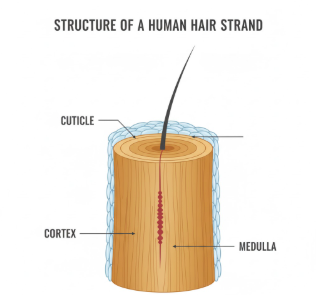
To truly appreciate how hair treatments function, you need a basic understanding of hair structure. Each strand consists of three layers: the medulla (innermost core), the cortex (middle layer containing proteins and melanin), and the cuticle (outer protective layer of overlapping scales).
When hair is healthy, the cuticle lays flat and smooth, the cortex maintains strong protein bonds, and moisture stays balanced within the strand. Damage from heat styling, chemical services, UV exposure, and mechanical stress disrupts this structure by lifting cuticle scales, breaking protein bonds, depleting moisture, and creating porosity issues.
Moisture Infusion
Humectants like glycerin, hyaluronic acid, and honey work by attracting water molecules from the surrounding environment and drawing them into the hair cortex. This rehydrates dry, brittle strands from within. Emollient ingredients like natural oils and butters then seal this moisture inside by smoothing down the cuticle layer, preventing water loss and creating that soft, supple texture associated with healthy hair.
Protein Repair
Hydrolyzed proteins including keratin, silk proteins, wheat proteins, and collagen are broken down into smaller molecules that can penetrate the hair shaft through gaps in the cuticle. Once inside, they temporarily fill in the damaged areas and bind to the hair’s natural keratin structure. This reinforces weak spots, reduces breakage, and adds structure back to limp or overly porous hair. The repair is temporary because these proteins eventually wash out, which is why consistent use matters.
Bond Rebuilding
This represents the most advanced form of hair repair technology. Chemical processes like bleaching and relaxing break the disulfide bonds that give hair its shape and strength. Bond-building ingredients like bis-aminopropyl diglycol dimaleate and maleic acid actively work to reconnect these broken bonds at a molecular level. Unlike protein treatments that fill gaps, bond builders actually restore the hair’s internal architecture, offering more permanent repair that survives multiple wash cycles.
Cuticle Smoothing
Treatments with acidic pH levels (typically between 3.5 and 5.5) help close lifted cuticle scales, restoring smoothness and shine. Silicones and oils further seal the cuticle layer, reducing friction between strands, minimizing frizz, and creating a reflective surface that enhances shine. This smoothing action also protects the hair from future damage by creating a barrier against environmental aggressors and mechanical stress.
Diagnosing Your Hair’s Needs: Find Your Perfect Treatment Match
The single biggest mistake people make with hair treatments is choosing the wrong type for their specific needs. A protein treatment on already protein-saturated hair leads to stiffness and breakage, while moisture masks on low porosity hair create greasy buildup. Accurate diagnosis prevents wasted money and potential damage.
The Porosity Test: Does Your Hair Absorb or Repel Moisture?
Hair porosity refers to your hair’s ability to absorb and retain moisture, determined by the condition of your cuticle layer. This characteristic significantly influences which treatments will work best and how you should apply them.
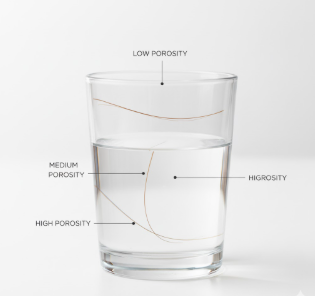
Low porosity hair has tightly sealed cuticles that resist moisture absorption. Water beads up on the surface rather than soaking in, products sit on top creating buildup, and your hair takes forever to dry. If you perform the float test by placing a clean strand in a glass of water and it floats on the surface for several minutes, you have low porosity hair. These strands need lightweight, water-based treatments that won’t create coating. Heat application helps open the cuticles for better penetration.
Medium porosity hair represents the ideal balance. The cuticles are slightly raised, allowing appropriate moisture absorption and retention without excessive vulnerability to damage. In the float test, the strand floats briefly then slowly sinks to the middle of the glass. This hair type responds well to most treatments and maintains moisture balance with regular care.
High porosity hair has gaps and holes in the cuticle layer from damage or genetics. It absorbs moisture quickly but loses it just as fast, leading to chronic dryness, frizz, and tangles. In the float test, the strand sinks immediately to the bottom. High porosity hair desperately needs protein treatments to fill structural gaps and heavy sealants like butters and oils to lock in moisture. Incorporating elements from your ultimate hair care routine for growth becomes essential for maintaining length on these fragile strands.
The Stretch Test: Assessing Your Protein vs. Moisture Balance
Even if you know your porosity, understanding your protein-moisture balance prevents one of the most common treatment mistakes. Your hair needs both protein for structure and moisture for flexibility, but the ratio varies based on damage level and natural characteristics.
Take a single strand of clean, wet hair and gently stretch it. Healthy, balanced hair stretches slightly and bounces back to its original length when released. This indicates proper elasticity and the right protein-moisture ratio.
If the strand feels mushy, stretches significantly, and breaks easily without snapping back, your hair is moisture-overloaded and protein-deficient. This often happens with naturally fine hair or hair that receives too many moisturizing treatments without protein reinforcement. You need reconstructing protein treatments to restore structure.
Conversely, if the strand feels rough, shows no elasticity, and snaps immediately with minimal stretching, you have protein overload and moisture deficiency. This commonly occurs after too many keratin treatments or protein masks. Your hair needs deep moisture and should avoid protein until elasticity returns.
Identifying Your Damage Type: Chemical, Heat, or Environmental?
Different damage types require different treatment approaches. Accurately identifying what’s harming your hair ensures you select treatments that address the root cause rather than just surface symptoms.
Chemical damage from bleaching, coloring, relaxing, or perming breaks down the hair’s disulfide bonds and dissolves melanin, creating significant structural weakness. Signs include a gummy, overly stretchy texture when wet, extreme breakage, color fading quickly, and hair that feels simultaneously dry and fragile. This damage demands bond-building treatments as the first line of defense, followed by protein and moisture to support the rebuilt structure.
Heat damage from flat irons, curling wands, and blow dryers literally melts the protein structure of your hair. Look for white dots along the hair shaft where the cuticle has been burned away, persistent straight sections on naturally curly hair where the curl pattern has been permanently altered, and rampant split ends that continue splitting up the shaft. Heat damage responds best to protein treatments that rebuild the damaged keratin structure, though severely melted areas cannot be fully restored.
Environmental and mechanical damage accumulates gradually from sun exposure, hard water minerals, chlorine, salt water, rough towel drying, and aggressive brushing. Symptoms include general dullness, increased frizz, slight dryness, and minor tangling without the severe structural issues of chemical or heat damage. This milder damage responds well to moisturizing treatments, clarifying to remove mineral buildup, and protective products that prevent future exposure.
A Comprehensive Guide to Hair Treatment Types
With dozens of treatment categories flooding the market, understanding what each type does and who benefits most helps you navigate options confidently. The following sections break down the major treatment categories by their primary function.
Moisturizing Treatments: Quenching Thirsty, Dry Hair
Dry hair lacks sufficient water content within the cortex and lipids along the cuticle. This creates brittleness, dullness, rough texture, and increased vulnerability to breakage. Moisturizing treatments address this deficit by infusing hydration and sealing it inside.
Deep Conditioners and Masques
These intensive conditioning formulas contain high concentrations of humectants and emollients that penetrate the hair shaft to restore moisture balance. Unlike rinse-out conditioners used after every shampoo, deep conditioners are thicker, richer, and designed for weekly or bi-weekly use depending on your hair’s dryness level.
Key ingredients to look for include hyaluronic acid for its water-binding capacity, glycerin to attract moisture from the air, aloe vera for soothing hydration, and natural butters like shea, mango, and cocoa for sealing. High-quality options range from affordable drugstore brands to luxury salon products, with effectiveness depending more on ingredients than price point.
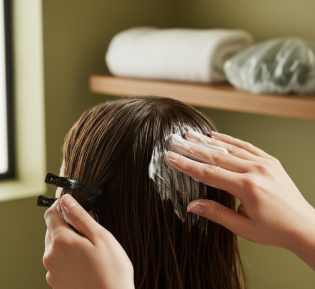
Apply deep conditioners to freshly shampooed, towel-dried hair from mid-length to ends, avoiding the scalp unless you have a very dry scalp. Processing time typically ranges from ten to thirty minutes, with many formulas benefiting from heat application through a shower cap or warm towel that opens the cuticles for better penetration.
Hot Oil Treatments
This traditional treatment involves applying warmed oils to the hair and scalp for intensive nourishment, shine, and moisture replenishment. The heat allows the oil molecules to penetrate more deeply than cold application while also improving scalp circulation.
Popular oils for this treatment include argan oil for lightweight moisture and shine, coconut oil for deep penetration and protein retention, olive oil for strengthening and smoothing, and jojoba oil that closely mimics the scalp’s natural sebum. You can purchase pre-made hot oil treatments or create your own by gently warming your chosen oil in a bowl of hot water.
Apply the warm oil to dry hair before shampooing, concentrating on the mid-lengths and ends where dryness typically concentrates. Massage some into your scalp if you experience dryness there. Cover with a shower cap and leave for twenty to sixty minutes before shampooing thoroughly. This treatment works beautifully for managing dense hair that tends toward dryness due to its volume and structure.
Protein Treatments: Rebuilding and Strengthening Hair Structure
Hair is approximately ninety percent protein, specifically a form of keratin. When this protein structure becomes compromised through chemical processing, heat damage, or environmental assault, the hair loses strength, elasticity, and resilience. Protein treatments temporarily restore this structure.
Reconstructing Masks and Treatments
These formulas contain hydrolyzed proteins small enough to penetrate through gaps in the cuticle and bind to the hair’s existing keratin structure. They essentially patch the holes in damaged hair, reinforcing weak areas and reducing breakage.
Look for hydrolyzed keratin, the protein most similar to human hair, along with silk proteins for smoothness and strength, wheat proteins for moisture retention and volume, and collagen for improved elasticity. These treatments range from light protein conditioners for weekly use to intensive reconstructors for monthly application on severely damaged hair.
The key with protein treatments lies in frequency. Too much protein creates stiff, brittle, straw-like hair that breaks easily, a condition called protein overload. Fine hair and naturally low-protein hair need gentler, less frequent protein applications, while chemically damaged and high porosity hair often benefits from regular protein reinforcement. Always follow a protein treatment with a moisturizing treatment to restore the protein-moisture balance.
The Aphogee Two-Step Protein Treatment
This cult-favorite product represents the most intensive form of protein treatment available for at-home use. The first step is a liquid protein formula applied to clean, damp hair that literally hardens as it dries under heat from a blow dryer or hooded dryer.
This hardening effect seals the protein deep within the hair shaft. Once completely dry and hard, you rinse it out and apply the second step, a balancing moisturizer that softens the hair and restores flexibility. The results can be dramatic for severely damaged hair, significantly reducing breakage and improving strength.
However, this treatment is extremely potent and should only be used every six to eight weeks at most, and only on hair with significant damage. Healthy or mildly damaged hair can experience protein overload from this treatment, so accurate damage assessment matters greatly before use.
Bond-Building Treatments: Repairing Damage from the Inside Out
Bond-building technology represents the most significant advancement in hair repair science over the past decade. Unlike protein treatments that temporarily fill gaps or moisturizing treatments that address dryness, bond builders actually repair the chemical structure of damaged hair at a molecular level.
Salon-Exclusive Bond Builders
Professional treatments like Olaplex revolutionized chemical hair services by allowing stylists to protect and repair bonds during processes like bleaching that would otherwise cause severe damage. The active ingredient bis-aminopropyl diglycol dimaleate seeks out broken disulfide bonds and reconnects them, restoring strength and integrity.
Olaplex No.1 Bond Multiplier and No.2 Bond Perfector are applied during and after chemical services in the salon. This allows colorists to achieve lighter, brighter results with significantly less damage than previously possible. The treatment continues working for several days after application as bonds continue reconnecting.
K18 represents another bond-building technology using a proprietary peptide sequence that mimics part of the keratin structure. Applied as a leave-in treatment for four minutes, it penetrates to the cortex and restores strength from within. Professional application ensures proper usage and maximum benefit.
At-Home Bond Maintenance Systems
The at-home components of bond-building systems allow you to maintain and continue repairing your hair between salon visits. Olaplex No.3 Hair Perfector is applied to damp hair for at least ten minutes before shampooing, allowing the bond-building ingredients to penetrate and repair. No.0 Intensive Bond Building Treatment serves as a primer that amplifies No.3’s effectiveness.
K18 Leave-In Molecular Repair Mask works slightly differently, applied to clean, towel-dried hair as a leave-in treatment. Just four minutes of contact time allows the peptides to penetrate and begin repair work, with no rinsing required.
These at-home treatments work best as part of a comprehensive routine for chemically processed or heat-damaged hair. While they cannot completely reverse severe damage, they significantly improve strength, reduce breakage, and restore manageability to compromised hair.
Smoothing and Straightening Treatments: Taming Frizz and Curls
Frizz occurs when the cuticle layer lifts and becomes rough, allowing moisture from the air to penetrate unevenly and cause strands to swell. Smoothing treatments address this by sealing the cuticle, while straightening treatments alter the hair’s structure for longer-lasting results.
Keratin Treatments and Brazilian Blowouts
These semi-permanent smoothing treatments infuse the hair with keratin proteins and seal them in with high heat from a flat iron. The results last approximately three to six months, dramatically reducing frizz, cutting blow-dry time, and creating smooth, shiny hair with or without eliminating natural curl patterns, depending on the formula strength.
The process involves applying the keratin solution to clean hair, allowing it to penetrate, then flat ironing at very high temperatures to seal it in. The heat essentially bakes the keratin into the hair structure, creating those long-lasting smoothing effects.
However, controversy exists around formaldehyde and formaldehyde-releasing ingredients like methylene glycol that appear in some keratin treatment formulas. When heated, these chemicals release formaldehyde gas that can cause respiratory irritation, eye burning, and headaches for both clients and stylists. Long-term exposure raises more serious health concerns.
Many salons now offer formaldehyde-free alternatives that use glyoxylic acid or other technologies to achieve similar smoothing results without the toxic fumes. Always ask your stylist specifically what formula they use, whether it contains formaldehyde or formaldehyde-releasing ingredients, and ensure the salon has proper ventilation. If you experience burning eyes or difficulty breathing during the service, speak up immediately.
For those seeking solutions for persistent frizz without chemical treatments, learning techniques for taming the frizz through styling methods and appropriate product selection offers a safer alternative.
At-Home Keratin-Infused Products
Shampoos, conditioners, and masks labeled as “keratin treatments” or “keratin-infused” provide temporary smoothing and frizz control but do not offer the semi-permanent results of professional keratin treatments. These products deposit keratin proteins on the hair surface and slightly penetrate the cuticle, offering improved smoothness and manageability that lasts until your next shampoo.
While these products cannot replicate salon results, they work well for maintaining a professional keratin treatment or providing mild frizz control for those not ready to commit to a chemical smoothing service. Set realistic expectations and view them as enhanced conditioning treatments rather than true keratin treatments.
Scalp Treatments: The Foundation for Healthy Hair Growth
Healthy hair begins with a healthy scalp. Just as plants need nutrient-rich soil to thrive, your hair follicles require a clean, balanced, well-nourished scalp environment to produce strong, healthy strands. Scalp treatments address concerns from excess oil and dandruff to dryness and thinning.
Scalp Scrubs and Exfoliants
Product buildup, dead skin cells, excess sebum, and environmental pollutants accumulate on the scalp over time, potentially clogging hair follicles, causing itching and flaking, and creating an inhospitable environment for healthy growth. Scalp exfoliation removes this buildup, promoting circulation and allowing follicles to function optimally.
Physical exfoliants use ingredients like sugar, salt, or jojoba beads to manually slough away buildup and dead skin. These scrubs are massaged into the wet scalp before shampooing, providing both exfoliation and stimulating blood flow to the follicles.
Chemical exfoliants employ alpha hydroxy acids like glycolic acid or beta hydroxy acids like salicylic acid to dissolve buildup and dead skin cells without physical scrubbing. These gentler options work well for sensitive scalps or those with scalp conditions like psoriasis that might be aggravated by physical scrubbing.
Use scalp scrubs once weekly to bi-weekly depending on your buildup level and scalp sensitivity. Focus on the scalp only, avoiding the hair lengths where the scrubbing action could cause tangles or damage.
Serums for Scalp Health and Hair Growth
Scalp serums target specific concerns with concentrated active ingredients. Formulas for oily scalps often contain niacinamide or zinc to regulate sebum production, while dry scalp serums feature hyaluronic acid and squalane for hydration without greasiness.
Hair growth serums represent a particularly popular category, though results vary significantly. Ingredients with some scientific backing include caffeine, which stimulates follicles and may extend the growth phase, peptides that support follicle health and the growth cycle, rosemary oil, which shows promise comparable to minoxidil in some studies, and saw palmetto that may block DHT, a hormone linked to hair loss.
Apply scalp serums to clean, dry or slightly damp scalp, parting the hair in sections to ensure direct scalp contact. Massage gently to promote absorption and circulation. Most serums are leave-in formulas used daily or several times weekly depending on the product instructions. Consistency matters more than any single application for seeing results.
Gloss and Glaze Treatments: Boosting Shine and Color Vibrancy
These semi-permanent treatments enhance shine, smooth the cuticle, and refresh or adjust hair color tone without the commitment or damage of permanent color. They work particularly well for maintaining color between appointments or adding dimension to natural hair.
A hair gloss is a demi-permanent treatment with a slightly acidic pH that deposits a sheer layer of color while sealing the cuticle for enhanced shine. It penetrates slightly into the cortex, allowing results to last through fifteen to twenty-eight shampoos depending on hair porosity and the specific formula. Clear glosses add pure shine, while tinted versions refresh faded color, neutralize unwanted tones, or add new dimension.
A hair glaze coats the hair surface without penetrating, creating immediate shine and slight color adjustment that typically lasts through several shampoos. Think of it as a topcoat for your hair, similar to a topcoat on nail polish. Glazes are gentler than glosses but also more temporary.
Both treatments condition while they color, leaving hair softer, smoother, and more reflective. They work beautifully for adding vibrancy to dull hair or creating subtle color changes without commitment.
In-Salon Professional vs. At-Home Hair Care Rituals
The explosion of high-quality at-home hair treatments raises an important question: when should you invest in professional services, and when can DIY deliver comparable results? Understanding the strengths of each approach helps you allocate your hair care budget strategically.
The Allure of Professional Salon Treatments
Professional treatments offer several distinct advantages that justify their higher price points for certain situations. Salons use concentrated, often professional-grade formulas with higher percentages of active ingredients than retail versions. These potent formulations deliver more dramatic, immediate results.
Expert application matters enormously, particularly for chemical treatments like keratin smoothing or bond-building services. Professional stylists understand proper product placement, processing times, and techniques that maximize effectiveness while minimizing damage risk. They can also customize treatments by mixing formulas for your specific hair type and concerns.
The immediate, visible results from professional treatments provide gratification that at-home care built over time cannot match. A single keratin treatment transforms frizzy hair into smooth, glossy locks for months. One bond-building session during a color service prevents damage that would otherwise take weeks of at-home repair.
Professional consultation adds value beyond the treatment itself. An experienced stylist assesses your hair’s condition, identifies problems you might miss, and recommends a treatment plan addressing root causes rather than just symptoms.
The drawbacks include significant cost, with individual treatments ranging from seventy-five dollars for a gloss to several hundred dollars for keratin smoothing or color correction with bond builders. Time commitment also factors in, as services can take two to four hours between application, processing, and styling.
Maximizing Results with At-Home Hair Treatments
At-home treatments provide cost-effective maintenance and gradual improvement that, over time, rivals professional results for many concerns. A quality deep conditioning mask costs fifteen to forty dollars and provides eight to twelve applications, compared to seventy-five to one hundred fifty dollars for a single professional deep conditioning treatment.
Convenience cannot be overstated. You control the schedule, treating your hair while watching television, reading, or doing household tasks. No appointments, no commute, no scheduling around salon hours.
Consistency becomes easier with at-home care. Weekly masks, bond-building treatments between salon visits, and scalp care routines maintain and build upon professional services. This regular maintenance often prevents problems before they become severe enough to need professional intervention.
The limitations include less dramatic immediate results and learning curve challenges. Choosing the wrong treatment or applying it incorrectly wastes money and potentially damages your hair. You also lack the customization and expert eye that professionals provide.
The Cost-Benefit Analysis: Investing in Your Hair’s Health
Consider this comparison: quarterly professional keratin treatments at four hundred dollars each total sixteen hundred dollars annually. A comprehensive at-home routine including a quality weekly mask at forty dollars monthly, bond-building treatments quarterly at thirty dollars, and a good scalp scrub at twenty-five dollars every two months costs approximately seven hundred dollars yearly.
The at-home routine won’t replicate the dramatic smoothing of a keratin treatment, but it significantly improves hair health, shine, and manageability at less than half the cost. The sweet spot for many people combines both approaches: professional treatments for major concerns or special occasions, supported by consistent at-home maintenance that preserves and extends those results.
For chemical services like coloring or relaxing, investing in professional bond-building treatments during the service prevents damage that at-home care cannot fully reverse. Then maintain that integrity with at-home bond builders between appointments. For moisture concerns, regular at-home masks supplemented by occasional professional deep conditioning delivers excellent results without breaking the budget.
Debunking Common Hair Treatment Myths
Misinformation about hair treatments leads to unrealistic expectations, wasted money, and sometimes actual damage. Separating fact from fiction empowers you to make better choices and avoid common pitfalls.
Myth: You Can Permanently Repair Split Ends
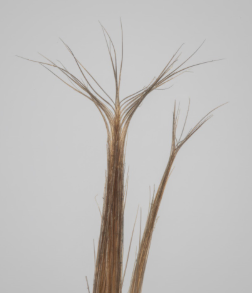
This persistent myth causes endless disappointment and wasted product. Once a hair strand splits, that structural damage is permanent and irreversible. The only true solution is cutting off the split portion to prevent it from traveling up the shaft and causing more damage.
Certain products and treatments can temporarily smooth split ends and bind them together, creating the appearance of repair. Silicones coat the hair shaft and glue split pieces together temporarily, while protein treatments fill gaps and reinforce weak areas. These solutions improve appearance and prevent further damage, but the split remains structurally present beneath the surface treatment.
The practical approach combines preventing new splits through gentle handling, protective styling, and regular trims that remove damaged ends before splits travel upward. Deep conditioning and protein treatments improve overall hair health, reducing future breakage.
Myth: Silicones Are Always Bad for Your Hair
The silicone controversy confuses many people trying to make informed product choices. The truth is nuanced: not all silicones behave the same way, and whether they benefit or harm your hair depends on the specific type and your hair characteristics.
Water-soluble silicones like dimethicone copolyol and PEG-modified silicones provide excellent slip, heat protection, and shine while rinsing clean with regular shampooing. These cause minimal buildup and work beautifully for most hair types.
Non-water-soluble silicones like dimethicone and cyclomethicone can accumulate on the hair shaft with repeated use, particularly on fine or low porosity hair. This buildup creates dull, limp hair that repels moisture. However, these same silicones provide superior frizz control and heat protection that benefits coarse, high porosity, or damaged hair.
The solution involves matching silicone type to your hair needs and incorporating regular clarifying to remove any buildup. Avoiding all silicones often means sacrificing heat protection and manageability benefits that many hair types need.
Myth: Natural or DIY Treatments Are Always Safer and Better
The natural beauty movement promotes DIY hair masks made from kitchen ingredients as superior to formulated products, but this oversimplifies a complex issue. Some natural treatments work wonderfully, while others cause significant damage.
Avocado, banana, and honey masks provide gentle moisture and nutrients. Coconut oil penetrates the hair shaft effectively. These generally safe options offer real benefits when used appropriately.
However, straight lemon juice creates extremely low pH that can damage the cuticle and cause brittleness. Raw egg protein molecules are too large to penetrate hair effectively and can cook in hot water, creating an unpleasant mess. Baking soda’s high pH strips hair and causes severe dryness with repeated use.
Commercially formulated treatments undergo testing for safety, efficacy, and pH balance. They combine active ingredients at optimal concentrations with penetration enhancers and preservatives that ensure product stability. While “natural” feels appealing, “formulated with knowledge of hair science” often delivers better, safer results.
Myth: More Is Always Better; Leave the Mask on Overnight
Many people assume extending treatment time beyond package directions enhances results, but hair science doesn’t work that way. Most treatments are formulated to deliver optimal results within five to thirty minutes. The active ingredients penetrate and work during this window, after which leaving the product on provides no additional benefit.
Extended exposure to moisture treatments can actually cause hygral fatigue, where the hair swells with too much water, the cuticle becomes damaged from repeated swelling and shrinking, and the hair becomes weak and prone to breakage. Protein treatments left too long can cause protein overload, making hair stiff and brittle.
Some products are specifically formulated as overnight treatments, but these have different ingredient concentrations designed for extended wear. Always follow the specific product instructions for processing time. More time does not equal more benefit and may cause the opposite of your intended results.
The Future of Hair Repair and Treatments
Hair care science continues advancing rapidly, with new technologies and ingredients promising more effective, targeted solutions. Understanding emerging trends helps you identify genuinely innovative products versus marketing hype.
The Rise of Peptides and Biotechnology
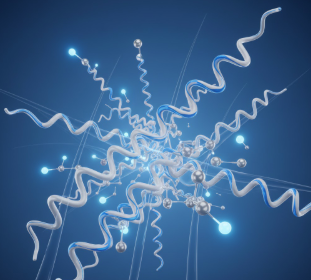
Peptides represent short chains of amino acids that can perform specific functions within the hair structure. Unlike traditional proteins that simply coat or fill gaps, certain peptides are engineered to target specific types of damage at a molecular level.
K18’s patented peptide sequence mimics a portion of the keratin helix structure, allowing it to integrate into the hair and reconnect broken polypeptide chains. This biotechnology approach differs fundamentally from traditional protein treatments by actually restoring the hair’s building blocks rather than temporarily patching damage.
Other companies are developing peptides that stimulate hair growth, strengthen the cuticle layer, or protect against specific damage types like UV radiation. This precision targeting represents the direction of next-generation hair care, where treatments address exact damage mechanisms rather than providing general conditioning.
Focus on the Scalp Microbiome
The skin microbiome concept that revolutionized facial skincare is now influencing scalp care. Research shows the scalp hosts a complex ecosystem of bacteria, fungi, and other microorganisms that influence scalp health, hair growth, and conditions like dandruff or sensitivity.
Products containing prebiotics feed beneficial microorganisms, postbiotics incorporate beneficial byproducts these organisms produce, and probiotics introduce beneficial bacteria to balance the scalp ecosystem. This approach treats the scalp as a living environment that needs balance rather than sterilization.
Early results suggest microbiome-focused treatments may address persistent scalp issues like chronic inflammation, recurring dandruff, and sensitivity more effectively than traditional approaches. As research progresses, expect increasingly sophisticated scalp treatments that work with your scalp’s natural biology.
Hyper-Personalization and AI
Several companies now offer services where you mail in a hair sample for analysis, receiving back a custom-formulated treatment matched to your specific hair characteristics, damage level, and goals. Advanced imaging technology assesses cuticle condition, porosity, protein content, and moisture levels with precision impossible through visual inspection alone.
Artificial intelligence algorithms analyze this data alongside your hair history, environmental factors, and styling habits to formulate a truly personalized treatment. Some systems adjust your formula over time as your hair’s condition changes, creating an evolving treatment plan rather than a one-size-fits-all product.
While currently expensive, this technology will likely become more accessible as it scales, potentially revolutionizing how we approach hair treatment by moving from generalized categories to truly individualized care.
Your Journey to Healthier, Happier Hair
Transforming your hair health requires understanding its unique needs, selecting appropriate treatments, and maintaining consistency over time. The most expensive treatment or trending product means nothing if it doesn’t match your specific hair type, damage level, and goals.
Start by accurately diagnosing your hair using the porosity test, stretch test, and damage assessment outlined in this guide. This foundation prevents the costly mistakes of choosing inappropriate treatments. Then build a routine balancing professional interventions for major concerns with regular at-home maintenance that preserves and extends those results.
Remember that hair health is a journey, not a destination. Damaged hair didn’t deteriorate overnight, and it won’t fully recover with a single treatment. Patience, consistency, and informed choices gradually transform even severely compromised hair into stronger, healthier, more beautiful strands.
You now have the knowledge to evaluate treatments critically, understand the science behind claims, and make empowered decisions about your hair care investments. Whether you’re repairing bleach damage, managing natural dryness, or simply pursuing your hair’s full potential, the right treatments applied consistently will get you there.
Frequently Asked Questions About Hair Treatments
What’s the difference between a hair mask and a deep conditioner?
These terms are often used interchangeably in marketing, but generally a hair mask implies a thicker, more intensive formula targeting specific repair needs like damage or protein deficiency. Deep conditioners focus primarily on moisture infusion and softness, though many quality products accomplish both simultaneously through comprehensive formulations.
How often should I use a hair treatment?
Moisturizing masks typically work best used once or twice weekly depending on your hair’s dryness level. Protein treatments should be less frequent, perhaps once or twice monthly, to prevent protein overload. Bond-building treatments can be used weekly as maintenance. Always follow your specific product’s instructions, as concentration levels vary significantly between formulas.
Can a hair treatment make my hair grow faster?
Treatments cannot change your genetically predetermined growth rate, which averages about half an inch monthly. However, they significantly improve hair health and reduce breakage, allowing you to retain more length and creating the appearance of faster growth. Scalp treatments improve the follicle environment, potentially supporting healthier new growth, but won’t accelerate the actual growth cycle.
Is it possible to overdo it with hair treatments?
Absolutely. Too many moisturizing treatments can cause hygral fatigue, leaving hair limp, mushy, and prone to breakage from excessive water absorption. Protein overload from too-frequent protein treatments creates stiff, brittle, dry hair that snaps easily. Balance matters more than frequency, and listening to how your hair responds guides appropriate usage.
Are professional keratin treatments safe?
Modern formaldehyde-free keratin treatments using alternative straightening technologies are generally safe when performed in a well-ventilated salon by a trained professional. However, some formulas still contain formaldehyde or formaldehyde-releasing ingredients that pose respiratory and long-term health risks. Always ask your stylist specifically about the formula ingredients and choose salons prioritizing client and staff safety with proper ventilation systems.
Which hair treatment is best for very damaged, bleached hair?
Bond-building treatments like Olaplex or K18 should be your first priority, as they repair the broken disulfide bonds that bleaching causes at a molecular level. This foundational repair makes other treatments more effective. Follow with a balanced approach alternating between protein treatments to rebuild structure and moisturizing treatments to restore softness and flexibility. This combination addresses bleach damage comprehensively.
Can I do a professional-style keratin treatment at home?
Professional keratin smoothing treatments require extremely high heat and potent chemical formulas that can cause severe scalp burns, respiratory irritation, or extensive hair damage if applied incorrectly. At-home products marketed as keratin treatments are actually much milder smoothing and conditioning masks that provide temporary frizz reduction but not the semi-permanent results of salon treatments. Attempting to replicate professional keratin treatments at home is genuinely dangerous and strongly discouraged.
Does a hair gloss treatment damage your hair?
No, a properly formulated gloss actually conditions and strengthens your hair. The acidic pH seals the cuticle layer, creating smoothness and shine while depositing a sheer layer of color. Unlike permanent color that lifts the cuticle and alters the cortex with ammonia and high-volume developers, glosses work on the surface and slightly within the cuticle with gentle, low-volume developers. This makes glossing one of the least damaging color services available.

Dave King
Writes evidence-based hair-care guides for Care About Your Hair — for every hair type, jargon-free and independent.