
Table of Contents
- Introduction
- Understanding Your Wavy Hair Type: The Science of Texture
- Matching Wavy Hairstyles to Face Shapes
- Short Haircuts for Wavy Hair
- Medium-Length Haircuts for Wavy Hair
- Long Hairstyles for Wavy Hair
- Thinning Hair and Receding Hairlines: Wavy Editions
- The Barber Consultation: How to Ask for What You Want
- Essential Styling Routine and Techniques
- Product Guide: The Best Products for Mens Wavy Hair
- Common Challenges and Troubleshooting
- Future Trends in Mens Wavy Hair
- Conclusion
- Frequently Asked Questions
This blog post may contain affiliate links. As an Amazon Associate I earn from qualifying purchases.
Introduction
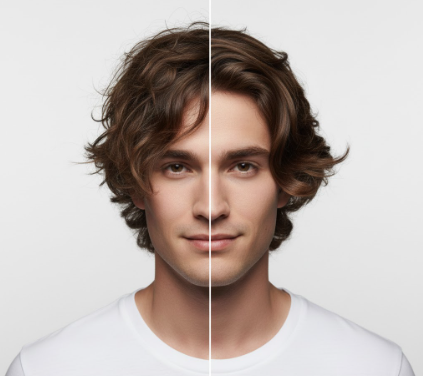
Wavy hair is often considered the goldilocks texture of the hair world. It offers the best of both worlds: natural volume and movement without the high maintenance demands of tighter curls. If you have waves, you already possess what countless men try to achieve with styling products and techniques.
The key to unlocking your wavy hair’s full potential lies in working with your natural texture rather than against it. Too many guys spend years fighting their waves with heavy gels, constant blow drying, or cuts designed for straight hair. The result is frustration, frizz, and a look that never quite feels right.
This comprehensive guide covers everything you need to know about guy haircuts for wavy hair. From identifying your specific wave pattern to choosing styles that complement your face shape, from short textured crops to flowing surfer looks, you will find actionable advice backed by professional styling insights. Whether you are visiting the barber next week or just exploring your options, this resource will help you make confident decisions about your wavy hair.
Understanding Your Wavy Hair Type: The Science of Texture
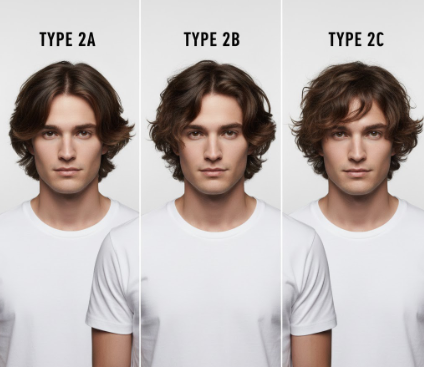
Before choosing a haircut, understanding your specific wave pattern is essential. Wavy hair falls on a spectrum, and what works for loose beach waves may not work for thick, coarse waves that border on curly. Knowing your type helps you communicate effectively with your barber and select products that enhance rather than weigh down your natural texture.
Defining the Wavy Spectrum: The Difference Between Wavy, Curly, and Coily
Hair texture classification follows the Andre Walker system, which categorizes hair into four main types. Type 1 is straight, Type 2 is wavy, Type 3 is curly, and Type 4 is coily. Wavy hair specifically forms an S pattern that ranges from barely there ripples to defined waves that almost curl.
The distinction between wavy and curly hair comes down to the shape of the strand. Wavy hair tends to form loose S shapes that elongate when wet, while curly hair maintains tighter spirals regardless of moisture. Understanding where you fall on this spectrum prevents you from using the wrong techniques and products.
Identifying Type 2A Hair: Fine, Loose Waves That Sit Close to the Head
Type 2A hair features the loosest wave pattern in the wavy category. These waves are subtle, often appearing almost straight at the roots before developing a gentle bend toward the ends. Men with 2A hair typically find that their texture shows more when hair reaches medium length.
The main challenge with 2A waves is maintaining volume. This hair type lies relatively flat against the scalp and can look limp without proper styling. On the positive side, 2A hair is versatile and responds well to both tousled and sleek styles. Shorter cuts like textured crops work exceptionally well because they maximize the appearance of your natural wave.
Identifying Type 2B Hair: Medium Texture with a Distinct S-Shape Pattern
Type 2B waves represent the middle ground of the wavy spectrum. This hair type features a more defined S shape that typically starts forming around the mid-length of the strand. Men with 2B hair notice more natural movement and body compared to 2A.
The advantage of 2B waves is their balance between definition and manageability. This hair type holds styles well and creates natural texture without excessive effort. Classic styles like the bro flow and wavy slick back look particularly impressive with 2B texture because the waves add dimension without overwhelming the shape.
Identifying Type 2C Hair: Coarse, Thick Waves with Prone-to-Frizz Tendencies
Type 2C sits at the threshold between wavy and curly. These waves are thicker, coarser, and more defined than other wavy types. The S pattern is prominent and starts closer to the root, creating significant volume and movement.
Men with 2C hair often struggle with frizz, especially in humid climates common across many US regions. The hair shaft tends to be more porous, absorbing moisture from the air and causing the cuticle to lift. However, when properly maintained, 2C waves create stunning texture that looks effortlessly cool. Layered cuts and styles that embrace volume work best for this type.
Porosity and Density: Why Knowing Hair Thickness Matters Before Choosing a Cut
Beyond wave pattern, understanding your hair’s porosity and density influences styling choices significantly. Porosity refers to how well your hair absorbs and retains moisture. High porosity hair soaks up products quickly but also loses moisture fast, while low porosity hair resists absorption.
Density describes how many individual strands you have per square inch of scalp. You can have fine individual strands but high overall density, or thick strands with low density. These factors determine which products work best and how much length you need for your waves to show properly.
A simple test for porosity involves dropping a clean strand of hair into a glass of water. Hair that floats has low porosity, hair that sinks slowly has medium porosity, and hair that sinks immediately has high porosity. Knowing this helps you choose between lightweight sprays and richer leave-in treatments.
The Impact of Humidity on Different Wavy Hair Types in the US Climate
Climate plays a major role in how wavy hair behaves throughout the year. The humid summers of the Southeast can turn manageable waves into a frizzy mess, while the dry winters of the Mountain West may leave waves limp and lacking definition. Understanding these environmental factors helps you adjust your routine seasonally.
Guys in high-humidity areas like Florida, Louisiana, or coastal regions benefit from anti-humidity products and cuts that work with expanded volume rather than against it. Those in drier climates like Arizona or Colorado often need more hydration and may find their waves become looser and less defined without moisture-locking products.
Matching Wavy Hairstyles to Face Shapes
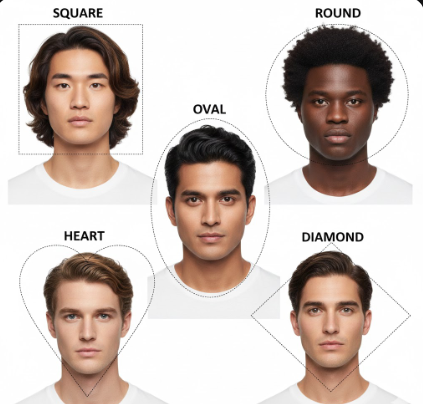
Your face shape significantly influences which haircuts look most flattering. A style that works perfectly for one guy may look off-balance on another, even if both have similar wave patterns. Taking a few minutes to identify your face shape pays dividends in long-term satisfaction with your haircuts.
Analyzing Facial Structure for the Perfect Cut
Determining your face shape requires examining the proportions of your forehead, cheekbones, jawline, and face length. Pull your hair back, look in a mirror, and trace the outline of your face. Most men fall into one of five main categories: oval, square, round, heart, or diamond.
The goal of any haircut is to create visual balance. If your face is particularly long, you want to avoid adding excessive height on top. If your face is round, strategic volume can create the illusion of more angular features. Working with your wavy texture makes achieving this balance easier because waves naturally add dimension.
Best Cuts for Oval Faces: Versatility and Balance
Oval faces feature balanced proportions with a slightly narrower forehead and jaw compared to the cheekbones. This shape is considered the most versatile because it can pull off nearly any hairstyle. If you have an oval face, consider yourself fortunate in the haircut department.
Men with oval faces and wavy hair can experiment freely with length and style. Short textured crops, medium-length flows, and even longer surfer styles all work well. The natural movement of waves enhances the balanced proportions of an oval face without the need for strategic camouflaging.
Best Cuts for Square Faces: Softening the Jawline with Textured Waves
Square faces feature a strong, angular jawline and forehead of similar width. This masculine bone structure pairs exceptionally well with wavy hair because the soft curves of waves contrast beautifully with sharp angles. The key is avoiding cuts that emphasize boxiness.
Textured styles work best for square faces. Consider a messy fringe or side-swept waves that break up the horizontal lines of your face. Avoid blunt, straight-across cuts that mirror the angular jawline. A wavy quiff with softer sides creates an appealing contrast that highlights your strong features without making them look harsh.
Best Cuts for Round Faces: Creating Height and Angles with Volume
Round faces have softer features with width and length being roughly equal. The cheeks are typically full, and the jawline lacks sharp definition. For round-faced guys, the goal is to add visual length and create the appearance of more angular structure.
Wavy hair is a significant advantage for round faces because it naturally creates volume. Styles that add height on top, like a wavy quiff or textured pompadour, elongate the face. Keep the sides shorter with a fade or taper to avoid adding width. Medium-length waves that fall forward rather than out also help narrow the overall silhouette.
Best Cuts for Heart and Diamond Faces: Managing Width and Fringe
Heart-shaped faces feature a wider forehead that narrows toward a pointed chin. Diamond faces have prominent cheekbones with a narrower forehead and jawline. Both shapes benefit from strategic use of waves to balance their distinctive proportions.
For heart shapes, wavy fringe that covers part of the forehead helps minimize width at the top. Avoid excessive volume on the crown, which accentuates the top-heavy appearance. Diamond faces benefit from waves that add width at the forehead and jaw level while keeping the cheekbone area more contained.
The Importance of Balancing Hair Volume with Beard Styles for Specific Face Shapes
Your haircut does not exist in isolation. If you wear facial hair, the beard and hairstyle must work together as a cohesive look. Wavy hair on top paired with the right beard creates a balanced frame for your face.
For round faces, a more angular beard helps add definition while wavy volume on top adds length. Square faces can soften their look with a shorter, rounded beard that does not emphasize the jaw angle. The key is considering your entire head when making haircut decisions, not just the hair itself.
Short Haircuts for Wavy Hair
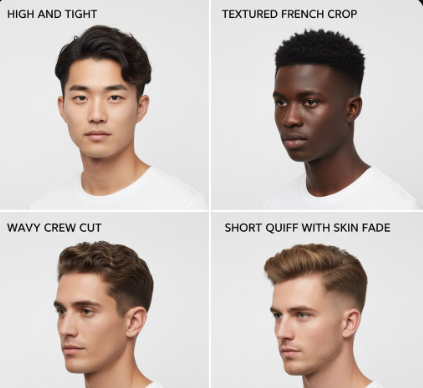
Short styles offer the easiest maintenance and most professional appearance for men with wavy hair. They require less product, dry faster, and grow out more gracefully than longer styles. If you prefer a clean, controlled look, these options showcase your natural texture without demanding significant styling time.
High and Tight with a Wavy Top
This military-inspired cut keeps the sides buzzed short while leaving enough length on top for waves to show. The contrast between the clean sides and textured top creates visual interest without requiring much maintenance. Most guys need just a small amount of matte clay to enhance their natural movement.
The high and tight works particularly well for 2A and 2B wave types. It keeps the style looking intentional rather than messy. Ask your barber for a high skin fade on the sides with approximately two to three inches on top, depending on how prominent you want your waves to appear.
The Textured French Crop
The French crop features a blunt fringe with tapered or faded sides. For wavy hair, texture is added through point cutting or razor techniques that prevent the fringe from looking too heavy. This style works exceptionally well for men with receding hairlines because the forward fringe creates a strategic covering effect.
Wavy hair elevates the French crop by adding natural movement that prevents the style from looking flat or boring. The key is keeping the fringe long enough to show wave definition while maintaining the cropped silhouette. Light sea salt spray enhances texture without adding weight.
Low Maintenance Crew Cut for Wavy Textures
The classic crew cut remains one of the most practical options for wavy-haired men. This short style keeps hair longer on top with a gradual taper down the sides and back. Waves add subtle texture that saves the crew cut from looking too utilitarian or plain.
What makes the crew cut ideal for wavy hair is its complete lack of styling requirements. Your natural wave creates all the texture and movement you need. Simply towel dry after showering and go about your day. For a slightly more polished appearance, work a small amount of lightweight product through damp hair.
The Wavy Quiff with High Skin Fade
The quiff combines volume at the front with shorter sides for a bold, stylish look. Wavy hair adds natural lift and texture that straight-haired guys struggle to achieve. The high skin fade creates maximum contrast, making the textured top the clear focal point.
Styling a wavy quiff requires more effort than other short styles. Use a blow dryer with a diffuser to add lift at the roots, then work in a matte clay for hold. The waves create a more relaxed, modern version of the classic quiff compared to the sleek variations popular in previous decades.
The Modern Caesar Cut for Type 2C Hair
The Caesar cut features short, horizontally styled bangs with uniform length on the sides. For men with thicker 2C waves, this style provides control and structure while showcasing texture. The heavier wave pattern adds natural interest to an otherwise simple silhouette.
This cut is ideal for guys who want minimal styling time but still want their waves to contribute to the look. The short length prevents 2C waves from developing too much volume or frizz. Run your fingers through with a touch of lightweight pomade for a slightly more defined finish.
Messy Fringe with Tapered Sides
The messy fringe embraces the natural texture of wavy hair with a deliberately undone appearance. Hair is longer in the front and styled forward with visible wave definition. The tapered sides keep the look from appearing too wild or unkempt.
This style suits men who want their waves to be the star of the show without committing to medium or long length. The intentional messiness works with the natural behavior of wavy hair rather than fighting against it. A touch of texturizing spray and finger styling is all you need.
Short Wavy Faux Hawk for Edgier Looks
The faux hawk creates a mohawk silhouette without committing to shaved sides. For wavy hair, the texture adds dimension to the central ridge that straight hair cannot replicate. This edgier option works well for creative professionals or guys wanting a more distinctive look.
Keep the sides short with a fade while leaving progressively more length toward the center and front. Style the wavy top upward and slightly forward using a strong-hold clay. The waves prevent the faux hawk from looking too stiff or deliberate.
Advantages of Short Styles: Control, Low Product Usage, and Professional Appearance
Short haircuts offer practical benefits beyond aesthetics. They require fewer products, meaning less money spent and less time in front of the mirror. They also project a professional image suitable for most workplace environments.
For guys who struggle with frizz or unruly waves, short styles provide the most control. Less length means less opportunity for hair to expand or behave unpredictably throughout the day. If you live in a humid climate or have an active lifestyle, short wavy cuts may be the most practical choice.
Medium-Length Haircuts for Wavy Hair
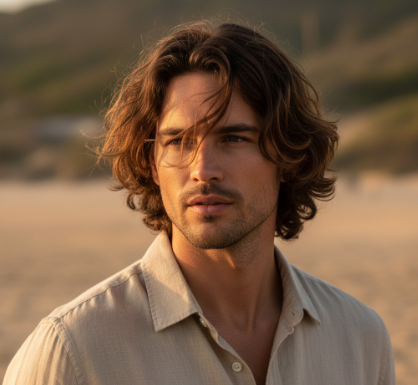
Medium-length styles offer the best showcase for wavy texture. Hair is long enough for waves to develop fully while remaining manageable for daily styling. This length range provides the most styling versatility, from casual weekend looks to polished professional appearances.
The Classic Bro Flow
The bro flow represents the most popular medium-length style for wavy-haired men. Hair reaches somewhere between ear and shoulder length, styled back and away from the face with natural movement. Celebrities and athletes have popularized this effortlessly cool look over the past decade.
Achieving a good bro flow requires patience during the growing-out phase and strategic trims along the way. Ask your barber to maintain the length while removing weight from the bottom to prevent a pyramid shape. Waves add natural volume and movement that make the bro flow look intentional rather than simply overgrown.
Wavy Slick Back: Using Texture for a Modern Take on a Retro Look
The slick back traditionally features smooth, shiny hair combed straight back. When executed with wavy hair, the style gains a modern edge. Waves break up the formality of the classic slick back, creating something that feels contemporary and approachable.
This style works best with 2A or 2B waves that provide subtle texture without overwhelming the silhouette. Use a medium-hold pomade to train hair backward while allowing natural waves to show through. The result is more James Dean than Gordon Gekko, which suits most modern contexts.
The Modern Mullet: Blending Business Front with Wavy Party Back
The mullet has experienced a legitimate revival, especially among younger men. The modern version is more balanced than the dramatic 1980s interpretation, with wavy texture making it feel fresh rather than ironic. The waves add movement to the longer back section while texture on top prevents a dated appearance.
If you are considering a modern mullet, start conservatively. Keep the front and sides well-maintained with a textured crop or fringe, then let the back grow gradually. Wavy hair is ideal for this style because it prevents the back from looking flat or stringy.
The Shag Cut: Embracing the Messy, Rocker Aesthetic
The shag features heavy layering throughout with a deliberately undone finish. This style celebrates texture and movement, making it perfect for wavy hair. The rocker aesthetic has remained consistently cool since the 1970s, with waves adding authentic rebellion to the look.
Layers are essential for a proper shag. Without them, wavy hair becomes heavy and loses definition. Ask your barber for plenty of internal layering and face-framing pieces. Style with sea salt spray or texturizing products that enhance rather than control your natural wave pattern.
Side Part with Natural Wave Volume
The side part is a timeless style that works in both casual and formal settings. With wavy hair, the part gains natural volume and movement that elevates the look. This style projects confidence and professionalism while showcasing your texture.
Find your natural part line by brushing damp hair back and seeing where it naturally separates. Use a comb or your fingers to define the part, then let your waves fall naturally. A light cream or pomade keeps the style in place without flattening the wave definition.
Curtain Bangs for Men: The 90s Revival Style
Curtain bangs have returned to popularity, featuring a center part with longer fringe pieces that frame the face. Wavy hair adds natural movement to curtain bangs, preventing them from looking too flat or severe. This style works particularly well for oval and longer face shapes.
Growing out curtain bangs requires patience through an awkward phase where hair falls into the eyes. Once established, the style is relatively low-maintenance. Simply part damp hair in the center and let waves dry naturally. A light touch of sea salt spray enhances the casual, effortless appearance.
The Undercut with Long Wavy Top: The Disconnected Look
The disconnected undercut creates dramatic contrast between shaved or buzzed sides and a much longer top. Wavy hair on top adds texture and volume that accentuates the disconnection. This bold style makes a strong statement and has remained popular in fashion-forward circles.
The undercut requires commitment. The stark contrast means you cannot simply grow it out if you change your mind. Styling the wavy top offers versatility, from slicked back to pushed forward to loosely tousled. Strong-hold products help manage the length while maintaining wave definition.
Managing the Awkward Stage When Growing Waves from Short to Medium
The transition from short to medium length includes an inevitable awkward phase. Hair is too long to lie flat but too short to have weight. Waves may stick out at strange angles and refuse to cooperate. Understanding this reality helps you push through to your goal.
Headwear becomes your friend during the awkward stage. Beanies and caps keep uncooperative waves contained while adding style. Regular trims that shape the perimeter without removing length help maintain a presentable appearance. Patience is essential because this phase typically lasts six to twelve weeks.
Long Hairstyles for Wavy Hair
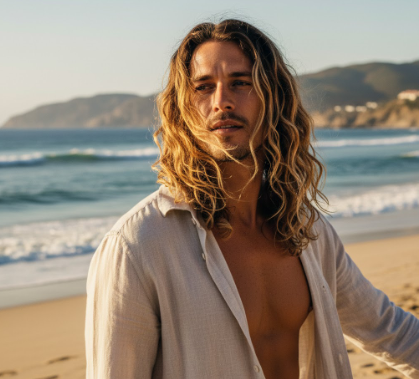
Long wavy hair makes a dramatic statement. It requires more maintenance than shorter styles but rewards that effort with unmistakable presence. Whether you want the laid-back surfer look or a professional long style, wavy texture creates natural movement that straight hair simply cannot achieve.
The Surfer Look: Shoulder-Length Natural Waves
Shoulder-length waves create the quintessential surfer aesthetic. This effortlessly cool style suggests an active, outdoor lifestyle even if you have never touched a surfboard. The natural movement of waves at this length appears relaxed and approachable.
Achieving the surfer look requires minimal styling. Wash with a moisturizing shampoo and conditioner, then let hair air dry naturally. Sea salt spray enhances the beachy texture that defines this style. Occasional trims maintain the shape and remove split ends that become more visible at longer lengths.
The Half-Up Half-Down Style for Thick Wavy Hair
This style pulls the top section of hair back while leaving the rest down. It keeps hair out of the face while showcasing wavy length. For guys with thick waves, this style reduces bulk around the face without requiring a haircut.
Use a basic elastic or small clip to secure the top section. The casual nature of this style means perfection is unnecessary. Some loose waves framing the face add to the relaxed appearance. This works well for both casual settings and more dressed-up occasions.
The Wavy Man Bun and Top Knot Variants
The man bun gathers all hair into a knot at the back of the head, while the top knot uses only the top section with sides shaved or left down. Wavy hair adds texture to these styles that prevents them from looking too severe or tight.
These styles offer practical benefits by keeping hair completely off the face and neck. The wavy texture around the bun creates a more relaxed, casual appearance than straight hair would. Make sure to use soft hair ties that will not break or damage your waves.
Layering Long Wavy Hair to Prevent the Triangle Effect
Without layers, long wavy hair tends to create a pyramid or triangle shape. Hair lies flat at the crown and expands outward toward the ends, resulting in an unflattering silhouette. Strategic layering removes weight and prevents this common problem.
Ask your barber or stylist for long layers throughout, with additional layers framing the face. The goal is to create movement and shape while maintaining overall length. Layers also allow waves to spring up and define themselves rather than being weighed down.
Maintaining Health and Preventing Split Ends in Long Styles
Longer hair means older hair at the ends, and older hair is more susceptible to damage. Split ends are particularly noticeable on wavy hair because they disrupt the smooth S pattern. Regular trims and proper care prevent damage from undermining your style.
Trim approximately half an inch every eight to twelve weeks to remove split ends before they travel up the shaft. Use leave-in conditioner on the ends to provide extra moisture and protection. Avoid excessive heat styling, which dries out wavy hair and promotes breakage. At Care About Your Hair, we emphasize that healthy hair is the foundation of any great style.
Strategies for Professional Settings with Long Wavy Hair
Long hair in professional environments requires thoughtful presentation. Keeping waves neat, healthy, and styled intentionally prevents potential perception issues. A well-maintained long style can project confidence and individuality without appearing unprofessional.
For meetings or important occasions, consider pulled-back styles that show your face clearly. Keep hair clean and well-conditioned so waves look healthy rather than unkempt. A simple side part or slicked-back style using light pomade creates a polished appearance while maintaining your length.
Thinning Hair and Receding Hairlines: Wavy Editions
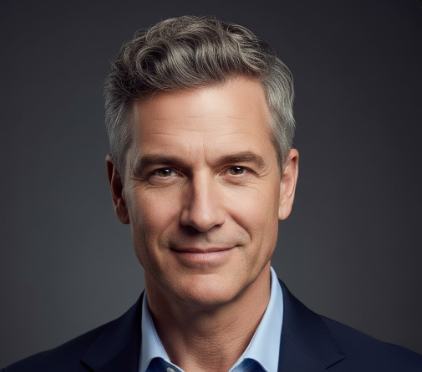
Hair loss affects a significant percentage of men, but wavy texture offers advantages when dealing with thinning. The natural volume and movement of waves can create the illusion of fuller hair, making certain styles particularly effective for men experiencing hair changes.
Using Waves to Create the Illusion of Density
Wavy hair naturally occupies more space than straight hair of the same thickness. This inherent volume makes thinning less obvious because waves fill gaps between follicles. Strategic styling maximizes this advantage and helps maintain a full appearance longer.
Focus on styles that enhance texture rather than flatten it. Avoid heavy products that weigh hair down and expose the scalp. Light-hold, volumizing products lift waves at the root and create the appearance of more hair. Matte finishes are preferable because shine can highlight thinning areas.
Best Styles for Receding Hairlines: The Textured Crop vs. The Messy Push Back
Two styles work particularly well for receding hairlines. The textured crop uses forward fringe to cover the hairline while creating an intentionally modern look. The messy push back embraces the receding hairline by sweeping all hair backward with textured volume.
The textured crop works well for early to moderate recession. Keep the fringe long enough to cover the highest points of recession while maintaining a contemporary silhouette. The messy push back is ideal for men comfortable showing their hairline, using wavy volume to distract from the temples.
How to Style Thinning Wavy Hair Without Weighing It Down
Thinning wavy hair requires a different product approach than thick, full waves. Heavy creams, pomades, and oils weigh down fine hair and expose the scalp. The goal is to maximize volume while providing just enough hold to maintain style.
Lightweight volumizing mousse applied to damp hair creates lift without heaviness. Dry shampoo at the roots absorbs oil and adds grip for fuller appearance. Texturizing sprays provide finish without the weight of traditional styling products. Less is more when working with thinning waves.
Products to Avoid When Dealing with Fine or Thinning Wavy Hair
Certain products work against thinning wavy hair. Heavy pomades create a wet look that clumps strands together and exposes the scalp. Thick waxes and pastes have similar effects, weighing down waves and eliminating natural volume.
Silicone-heavy products build up over time and make fine hair appear limp and greasy. High-alcohol gels dry out waves and create stiff, unnatural looks. Instead, look for water-based products labeled as volumizing, lightweight, or specifically designed for fine hair.
The Barber Consultation: How to Ask for What You Want
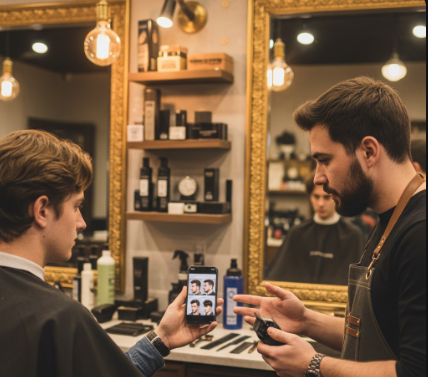
Communication with your barber directly impacts how satisfied you are with your haircut. Wavy hair presents unique considerations that you need to articulate clearly. Taking time to prepare for your appointment prevents disappointment and frustration.
Terminology to Use: Point Cutting, Texturizing, and Weight Removal
Understanding basic cutting techniques helps you communicate preferences effectively. Point cutting involves cutting into the ends at an angle rather than straight across, which softens the line and adds texture. Texturizing removes bulk from thick sections using specialized techniques or thinning shears.
Weight removal refers to reducing the heaviness in certain areas, which is essential for wavy hair that tends to pyramid. Asking for weight removal through the sides and bottom allows waves to move more freely. These terms demonstrate that you have thought about your specific needs.
Bringing Visual References: Why Photos Are Crucial
Pictures communicate more effectively than verbal descriptions. Find three to five photos of styles you like, ideally featuring men with similar wave patterns to yours. Show your barber and explain which specific elements attract you in each image.
Be realistic about your expectations. If you have fine 2A waves, a photo of someone with thick 2C waves may not be achievable. Your barber can help identify which elements from your reference photos will work with your specific texture and density.
Specific Instructions for the Neckline and Sideburns
Neckline and sideburn details are often overlooked but significantly impact the final look. A natural neckline follows your hair growth pattern and grows out softly. A blocked or squared neckline appears more defined initially but looks messy faster as it grows.
For wavy hair, natural necklines typically work best because they complement the soft movement of waves. Tapered sideburns blend smoothly with wavy sides, while squared sideburns create a harder contrast. Consider your overall aesthetic and how frequently you plan to visit the barber.
Asking About Maintenance Requirements Before the Cut
Before committing to a style, ask your barber how much maintenance it requires. Some looks need daily styling with specific products, while others work with minimal effort. Your lifestyle and willingness to invest time should align with the style you choose.
Ask specifically about the growing-out process. Some cuts transition gracefully between appointments, while others look unkempt after a few weeks. If you prefer longer intervals between barber visits, choose a style designed to grow out well.
How to Ask for a Cut That Grows Out Well Between Visits
Tell your barber directly that you want a cut designed for gradual growth. This means avoiding sharp lines or dramatic contrasts that require frequent maintenance. Softer transitions and natural lines maintain their shape longer as hair grows.
For wavy hair specifically, ask for textured ends rather than blunt cuts. Blunt ends become more obvious as they grow and may start to flip outward or look heavy. Point-cut ends blend naturally as hair lengthens, extending the time your cut looks intentional.
Essential Styling Routine and Techniques

The right styling routine enhances your wavy hair and makes any cut look better. Understanding basic techniques allows you to work with your natural texture rather than fighting against it. These fundamentals apply regardless of the specific style you choose.
The Foundational Importance of Proper Washing and Conditioning
Healthy styling starts in the shower. Wavy hair typically needs less frequent washing than straight hair because natural oils take longer to travel down the curved shaft. Over-washing strips moisture and leads to frizzy, uncooperative waves.
Most wavy-haired men do well washing every two to three days, though individual needs vary. When you do wash, use a sulfate-free shampoo that cleanses without stripping. Follow with conditioner from mid-length to ends, where wavy hair tends to be driest.
Technique: Scrunching to Enhance the Natural Wave Pattern
Scrunching is the simplest and most effective technique for enhancing waves. After applying conditioner or styling product, cup handfuls of hair and squeeze upward toward the scalp. This motion encourages hair to clump into wave formations and prevents frizz.
Scrunch in the shower after applying conditioner, then again after applying styling products. Some men also scrunch while hair is drying to reinforce the pattern. Avoid touching or running fingers through waves as they dry, which can disrupt the forming pattern.
Technique: Air Drying vs. Diffusing with a Blow Dryer
Air drying produces the most natural results for wavy hair. Simply style your hair after the shower and let it dry on its own. This method requires no tools and minimizes heat damage, but takes longer and may result in less volume than blow drying.
Diffusing uses a blow dryer attachment that disperses airflow to prevent disrupting wave patterns. Set the dryer to low or medium heat and hold the diffuser to your head, letting hair cup into the attachment. This method adds volume and speeds drying while maintaining wave definition.
Technique: The Plopping Method for Defining Type 2C Waves
Plopping is a drying technique that uses a cotton t-shirt or microfiber towel to set waves while removing excess moisture. After applying styling product, flip your head forward over the shirt, then wrap the shirt around your head. Leave for fifteen to thirty minutes before unwrapping.
This technique works particularly well for thicker 2C waves that need extra definition. The plopping process encourages waves to form without the frizz that traditional towel drying causes. Many men with coarser waves find this technique transformative for their results.
Nighttime Routines to Prevent Bedhead and Frizz
How you sleep affects how your waves look in the morning. Cotton pillowcases create friction that disrupts wave patterns and causes frizz. Switching to silk or satin pillowcases allows hair to glide smoothly and maintains more definition overnight.
For longer wavy hair, a loose pineapple style gathers hair at the top of the head with a silk scrunchie. This keeps waves from getting crushed or tangled while you sleep. In the morning, flip your head forward and shake gently to restore volume and shape.
Product Guide: The Best Products for Mens Wavy Hair
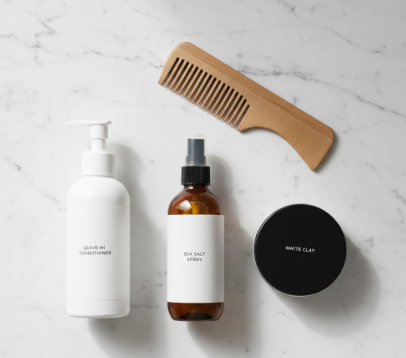
The right products enhance your natural waves while the wrong ones can sabotage even the best haircut. Understanding product categories and their effects helps you build a routine that works for your specific texture and style goals.
Pre-stylers: The Magic of Sea Salt Spray for Grit and Volume
Sea salt spray has become the essential product for wavy-haired men. It adds texture, grit, and natural-looking volume that enhances waves without weighing them down. The salt crystals create subtle hold while encouraging hair to form into separated, defined waves.
Apply sea salt spray to damp hair after showering, then scrunch and let air dry. You can also apply to dry hair for an extra boost of texture throughout the day. Look for formulas that include moisturizing ingredients to offset the drying effects of salt.
Matte Clays and Pastes: High Hold with Low Shine for Natural Looks
Matte clays and pastes provide hold without the shiny, wet appearance of gels or pomades. These products work with wavy texture to create natural-looking definition and control. Most wavy-haired men prefer matte finishes because they look more authentic.
Apply a small amount of clay to dry or slightly damp hair and work through with your fingers. Focus on the ends and exterior of the style rather than the roots. Start with less product than you think you need because you can always add more.
Pomades and Waxes: When to Use Them for Formal Styles
Pomades and waxes offer higher shine and sleeker control than clays. For wavy-haired men, these products work best for formal occasions or slicked-back styles. Water-based pomades wash out easily and provide flexible hold that allows waves to show through.
Avoid oil-based pomades unless you want a very high-shine, old-school look. The oil content can weigh down waves and make hair appear greasy. If you want the sleek look of pomade but prefer a more natural finish, look for products with lower shine ratings.
Leave-in Conditioners and Argan Oil: Combating Dry Ends and Frizz
Wavy hair is prone to dryness, especially at the ends where natural oils cannot reach as easily. Leave-in conditioners provide ongoing moisture and help prevent frizz. Apply to damp hair after showering, focusing on the lower two-thirds of your length.
Argan oil is a popular finishing product that adds shine and smooths the cuticle. A tiny amount warmed between your palms and applied to the ends helps combat dryness and flyaways. Too much oil can weigh down waves and look greasy, so start with one or two drops.
Why Men with Wavy Hair Should Avoid High-Alcohol Gels
Traditional styling gels often contain high concentrations of alcohol, which evaporates quickly to provide fast-setting hold. Unfortunately, this alcohol is extremely drying to wavy hair. Repeated use leads to brittle, frizzy waves that lack natural movement.
Gels also tend to create a hard, crunchy finish that contradicts the natural appearance most wavy-haired men want. If you need strong hold, look for alcohol-free gels or switch to matte clays that provide control without the drying effects.
Drugstore vs. Salon Quality Products: Where to Invest Your Money
Not every product needs to be salon-quality, but some categories are worth the investment. Sea salt sprays vary little between price points, so drugstore options work fine. Shampoo and conditioner quality matters more because you use them frequently and they directly affect hair health.
Styling products in the mid-range often provide the best value. Extremely cheap clays and pomades may contain fillers that affect performance. Extremely expensive products sometimes charge for branding rather than superior ingredients. Read reviews from other wavy-haired men to identify products that work for your specific texture.
Common Challenges and Troubleshooting
Even with the perfect cut and products, wavy hair presents challenges. Understanding common issues and their solutions helps you maintain great-looking hair regardless of circumstances. Most problems have straightforward fixes once you understand the underlying cause.
Dealing with Frizzy Hair in High Humidity
Humidity is the number one enemy of wavy hair in the USA. Moisture in the air enters the hair shaft and causes it to swell unevenly, disrupting wave patterns and creating frizz. This problem is worst in the Southeast, Gulf Coast, and during summer months across most regions.
Anti-humidity products create a barrier that prevents moisture absorption. Silicone-based serums work well for this purpose but require clarifying shampoo occasionally to prevent buildup. Properly moisturized hair is also less susceptible to humidity because it does not need to absorb environmental moisture.
Managing Cowlicks in Wavy Hair
Cowlicks are sections where hair grows in a different direction than surrounding areas. They are common at the crown, hairline, and along the natural part. Wavy hair can make cowlicks more obvious because the waves accentuate directional changes.
Short styles often work best for prominent cowlicks because there is less length to show the disruption. Longer styles can use weight to overcome cowlick direction. Styling cowlicks while hair is wet and setting them with a blow dryer helps train them in your preferred direction.
Fixing a Bad Haircut: Short-Term Solutions
Even the best communication sometimes results in a haircut you did not want. Before panicking, give the cut a few days and experiment with different styling approaches. Many cuts look better once they settle and you learn to work with them.
If the cut is too short, headwear and patience are your primary tools. If it is uneven or poorly shaped, returning to the barber for adjustments is reasonable. If the barber made a fundamental error, consider going elsewhere for the correction. Keep in mind that hair grows approximately half an inch per month.
Dealing with Oily Roots and Dry Ends
Combination hair with oily roots and dry ends is common among wavy-haired men. The natural oils produced by your scalp have difficulty traveling down the curved shaft, leaving ends under-moisturized while the scalp becomes greasy.
Address this with targeted product application. Apply shampoo primarily to the scalp and let it rinse through the lengths. Apply conditioner only to the mid-lengths and ends. Between washes, dry shampoo absorbs excess oil at the roots. Leave-in conditioner or oil on the ends provides targeted moisture where needed.
Seasonal Changes: Adjusting Your Routine for Winter vs. Summer
Your hair needs change with the seasons, and your routine should adapt accordingly. Summer brings humidity, sweat, and sun exposure that affect wave behavior. Winter means dry indoor heating and cold outdoor air that strips moisture.
In summer, lighter products and more frequent washing may be necessary. Anti-humidity products become essential in many regions. In winter, richer conditioners and less frequent washing help combat dryness. Pay attention to how your waves behave as seasons change and adjust your approach.
Future Trends in Mens Wavy Hair

Hair trends evolve constantly, influenced by celebrities, fashion, and cultural shifts. Understanding current directions helps you make choices that feel contemporary while remaining true to your personal style. The following trends are shaping how men wear their wavy hair in the coming years.
The Shift Toward Longer, Messier, and More Natural Looks
The cultural pendulum has swung toward natural, effortless aesthetics. Perfectly groomed, product-heavy styles are giving way to lived-in looks that embrace natural texture. For wavy-haired men, this trend is excellent news because it celebrates what they have naturally.
The messy, undone look does not mean careless or unkempt. It means intentional styling that mimics natural movement. Less product, more texture, and relaxed silhouettes define this direction. Your wavy hair is perfectly positioned for this aesthetic.
The Resurgence of Mod-Inspired Wavy Cuts
The 1960s mod look, characterized by longer tops with volume and movement, has influenced contemporary styling. This aesthetic pairs well with wavy hair, which creates the body and movement that mod styles require. Think The Beatles meets modern texture.
Mod-inspired cuts feature substantial length on top with more conservative sides. The wavy texture prevents these styles from looking too retro or costume-like. This trend particularly suits oval and longer face shapes that can handle the volume.
Trends in Hair Color and Highlights for Enhancing Texture
Color is increasingly being used to enhance natural texture rather than simply changing shade. Highlights placed strategically through wavy hair emphasize the three-dimensional movement of waves. Even subtle color variations add depth that makes waves more visible.
Some men are embracing bolder color choices to complement their waves. If you are interested in experimenting with color, exploring options like purple hair dye can create striking effects with wavy texture. Color also creates opportunities for expressing personality through your hair.
The Old Money Aesthetic and Its Influence on Wavy Grooming
The old money aesthetic emphasizes understated elegance and quality over flash. For hair, this means well-maintained waves that look effortlessly refined. Think Kennedy-era styling updated for contemporary sensibilities.
This trend favors medium-length waves styled naturally with minimal visible product. The goal is looking put-together without appearing to have tried too hard. Side parts, swept-back styles, and healthy, shiny waves define this aesthetic.
Conclusion
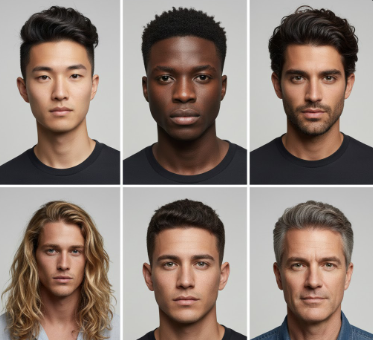
Wavy hair is genuinely a blessing for men willing to learn how to work with it. The natural volume, texture, and movement that waves provide create options that straight-haired guys can only achieve with products and tools. Whether you prefer short, low-maintenance cuts or flowing surfer styles, your waves offer advantages at every length.
The key to great wavy hair is understanding your specific texture and choosing styles that complement rather than fight it. Identify whether you have 2A, 2B, or 2C waves. Consider your face shape and how different styles might enhance your features. Communicate clearly with your barber using the terminology and techniques discussed in this guide.
Experimentation is essential. What works for one wavy-haired guy may not work for another, even with similar textures. Try different products, techniques, and lengths until you find what makes you feel confident. Pay attention to how your hair responds to humidity, different seasons, and various styling approaches.
Ultimately, the best haircut for wavy hair is one that makes you feel like yourself while being practical for your lifestyle. Use this guide as a starting point, then customize based on your experience and preferences. Your waves are unique, and your style should reflect that individuality.
Frequently Asked Questions
What is the best haircut for thick wavy hair guys?
The textured French crop and layered medium-length styles work best for thick wavy hair. These cuts remove weight while showcasing natural texture. Layering prevents the pyramid effect that thick waves often create.
How often should men with wavy hair wash their hair?
Most wavy-haired men should wash two to three times per week. Over-washing strips natural oils and leads to frizz. Use dry shampoo between washes if your scalp becomes oily.
How do I stop my wavy hair from getting frizzy?
Use sulfate-free shampoo, condition regularly, and apply anti-humidity products before going outside. Avoid touching your hair while it dries and use a microfiber towel instead of regular cotton.
Can guys with wavy hair get a buzz cut?
Yes, but the buzz cut will not showcase your wavy texture. At very short lengths, waves are not visible. If you want a low-maintenance style that still shows waves, consider a crew cut with slightly more length on top.
What is the difference between a textured crop and a French crop for wavy hair?
The French crop features a blunt, forward fringe, while the textured crop has a more broken, piece-y fringe. The textured version works better for most wavy hair because it prevents the fringe from looking too heavy or flat.
How do I style wavy hair without it looking greasy?
Use matte-finish products like clays and pastes instead of shiny pomades. Apply products to dry or slightly damp hair and start with small amounts. If you notice yellowing or discoloration from products, addressing yellow hair with proper care helps maintain a clean appearance.
Is sea salt spray good for guys with wavy hair?
Sea salt spray is excellent for wavy hair. It enhances natural texture, adds volume, and creates the tousled look that many wavy-haired men want. Choose formulas with added moisturizers to prevent dryness.
How long does it take to grow out a wavy flow hairstyle?
Expect twelve to eighteen months to grow from a short cut to a proper flow. Hair grows approximately half an inch per month. The awkward stage around months three through six is the most challenging to manage.
What should I tell my barber if I have wavy hair?
Tell your barber your hair type, preferred length, and how much time you want to spend styling. Bring photos of styles you like. Ask for texturizing and weight removal to help your waves move naturally.

2 thoughts on “The Ultimate Guide to Guy Haircuts for Wavy Hair: Styles, Maintenance, and Trends”