
Table of Contents
- What Determines Laser Hair Removal Pricing in 2026
- Average Laser Hair Removal Cost by Body Area
- Geographic Variations in Laser Hair Removal Pricing
- Provider Types and How They Affect Your Cost
- Laser Technology and Its Impact on Price
- Hidden Costs and Additional Fees to Budget For
- Insurance Coverage and Laser Hair Removal
- Long-Term Cost Comparison: Laser vs. Traditional Methods
- Payment Options and Financing Strategies
- How to Save Money Without Compromising Results
- What to Expect During Your Treatment Journey
- Special Considerations for Different Hair and Skin Types
- Choosing the Right Provider for Your Budget
- Frequently Asked Questions About Laser Hair Removal Cost
This blog post may contain affiliate links. As an Amazon Associate I earn from qualifying purchases.
Laser hair removal has become one of the most sought-after cosmetic procedures in the United States, and for good reason. It promises freedom from the endless cycle of shaving, waxing, and plucking. But before you book your first appointment, you need to understand what you’re actually paying for and whether the investment makes sense for your situation.
The bottom line? Most Americans pay between $200 and $400 per session for common treatment areas, with full treatment packages ranging from $1,500 to $3,000 for smaller zones and $2,500 to $5,000 or more for larger areas like full legs or Brazilian treatments. However, these numbers only tell part of the story.
Your final bill depends on a complex mix of factors including where you live, who performs your treatment, what type of laser technology is used, and your unique hair and skin characteristics. Someone in Manhattan might pay triple what a client in Kansas City pays for identical results. A board-certified dermatologist will charge more than a chain med spa, but the expertise difference could mean the difference between smooth skin and burn scars.
This guide breaks down every cost factor, hidden fee, and money-saving strategy you need to know. Whether you’re considering a small upper lip treatment or full-body hair removal, you’ll leave with a clear understanding of what to budget and how to get the best value without compromising safety.
What Determines Laser Hair Removal Pricing in 2026
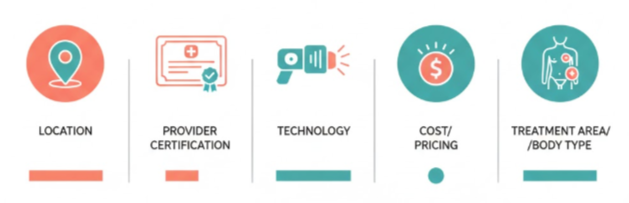
Understanding the pricing structure helps you evaluate quotes intelligently and avoid overpaying. Laser hair removal isn’t like buying a standardized product where prices are consistent everywhere. It’s a medical cosmetic service where costs reflect equipment quality, provider expertise, and local market conditions.
The American Society for Dermatologic Surgery reports that the average cost per laser hair removal session ranges from $150 to $500, with most patients requiring six to eight sessions for optimal results. This means your total investment for a single body area typically falls between $900 and $4,000.
Treatment pricing models vary significantly between providers. Some charge strictly per session, allowing flexibility but often costing more overall. Others offer bundled packages with built-in discounts. A growing number of national chains now offer lifetime unlimited packages that eliminate concerns about future touch-up costs entirely.
The technology being used also directly impacts what you’ll pay. Older IPL (Intense Pulsed Light) machines cost less to operate and maintain, which translates to lower prices for you. However, true medical-grade lasers like the Alexandrite, Diode, or Nd:YAG deliver more precise and effective results, justifying their premium pricing.
Average Laser Hair Removal Cost by Body Area
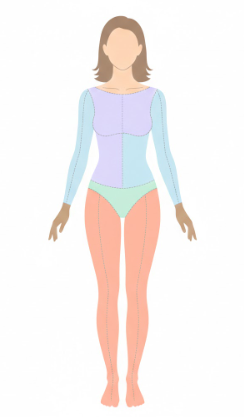
The size of the treatment area is the primary factor that determines your session price. Providers typically categorize treatments into small, medium, large, and extra-large zones, with pricing scaled accordingly.
Small Area Pricing Breakdown
Small areas represent the most affordable entry point into laser hair removal, making them popular choices for first-time clients testing the waters.
The upper lip remains one of the most commonly treated small areas, with individual sessions typically costing between $75 and $150. A complete treatment package of six sessions usually runs $400 to $800. Many women find this investment worthwhile given that upper lip waxing every three to four weeks adds up to over $200 annually indefinitely.
Chin treatments fall into the same price range as the upper lip, though they may require more sessions due to hormonal influences on facial hair growth. Women with PCOS or those experiencing menopause often need eight to twelve sessions rather than the standard six.
Sideburns and the navel line typically cost $50 to $125 per session. These areas respond well to treatment because the hair tends to be darker and coarser, which absorbs laser energy more effectively.
One important consideration for facial treatments is that hormonal fluctuations can trigger new hair growth even after successful treatment. Many providers recommend maintenance sessions every six to twelve months for facial areas, which should factor into your long-term budget planning.
Medium Area Pricing Estimates
Medium areas require more time and laser energy, which increases the per-session cost while still remaining accessible for most budgets.
Underarm treatment is one of the most popular laser hair removal procedures in the United States. Sessions typically cost $150 to $250, with complete packages ranging from $800 to $1,500. The underarm area responds exceptionally well to laser treatment because the hair is typically dark and grows from a relatively small zone.
Bikini line treatments vary widely in price depending on how extensively you want the area treated. A standard bikini treatment that removes hair visible outside a swimsuit costs $150 to $200 per session. An extended bikini that removes additional hair from the inner thighs and higher up typically costs $200 to $300 per session.
Neck treatments, particularly popular among men dealing with razor bumps and ingrown hairs, usually cost $100 to $175 per session. This area is especially appreciated by those with pseudofolliculitis barbae, a condition where shaving causes chronic inflammation and scarring.
If you’re exploring different styling options while managing hair growth, you might find it helpful to explore resources at Care About Your Hair for guidance on maintaining your overall look during the treatment process.
Large Area Cost Structures
Large treatment areas represent a more significant investment, but they also offer some of the most dramatic lifestyle improvements for clients tired of daily shaving routines.
Lower leg treatments typically cost $250 to $400 per session, with full packages ranging from $1,500 to $2,400. The lower legs are a popular starting point for clients considering full leg treatment, allowing them to assess results before committing to the thighs.
Full arm treatments (wrist to shoulder) generally cost $300 to $450 per session. Many providers offer discounts when combining upper and lower arms in a single package.
Brazilian treatments have become increasingly popular, with prices ranging from $250 to $500 per session depending on the provider and geographic location. A complete Brazilian package typically costs $1,500 to $3,000. This price point reflects the sensitive nature of the treatment area and the skill required to treat it safely.
The difference between Brazilian and bikini line pricing is substantial because the Brazilian involves treating a much larger surface area with more challenging contours. If budget is a concern, starting with a bikini line treatment and upgrading later is a reasonable approach.
Extra-Large Area and Full Body Pricing
Extra-large areas and full-body packages represent premium investments but often provide the best per-area value for clients committed to extensive hair removal.
Full back treatments for men typically cost $400 to $600 per session, making this one of the more expensive individual treatment areas. The large surface area and typically dense hair growth require significant time and laser energy. Complete back packages usually run $2,400 to $4,500.
Chest and abdominal treatments for men cost $350 to $500 per session. Many providers offer chest and abdomen combo packages that reduce the overall cost by ten to fifteen percent.
Full leg treatments (lower legs plus thighs) typically cost $500 to $700 per session, with packages ranging from $3,000 to $5,000. This is one of the highest-impact treatments for women who spend significant time shaving.
Full body packages vary enormously in both price and what’s included. Budget full-body packages starting around $2,500 may exclude sensitive areas like the Brazilian or face. Comprehensive packages from premium providers can exceed $10,000 but include every treatable area plus lifetime touch-ups.
When evaluating full-body packages, always request a detailed list of included areas. Some providers define full body as arms, legs, underarms, and bikini line, while others include back, chest, face, and Brazilian. The difference between these definitions can represent thousands of dollars in value.
Geographic Variations in Laser Hair Removal Pricing
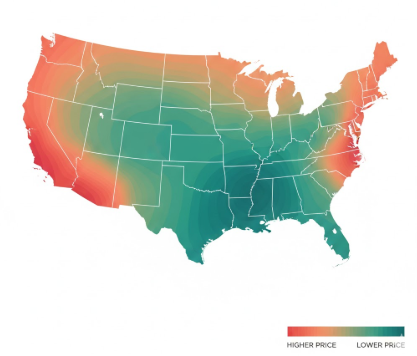
Where you receive treatment significantly impacts what you’ll pay. The same procedure from equally qualified providers can cost two to three times more in certain markets compared to others.
Major Metropolitan Pricing
Major coastal cities consistently show the highest laser hair removal prices in the country. In Manhattan, per-session costs for medium areas like underarms frequently exceed $350, with Brazilian treatments reaching $600 or more at premium dermatology practices.
Los Angeles prices mirror New York closely, with additional premiums at celebrity-frequented Beverly Hills locations. Miami’s competitive medical spa market keeps prices slightly lower than New York or Los Angeles, though still well above the national average.
San Francisco, Boston, and Washington D.C. round out the highest-cost markets, with prices typically running twenty to forty percent above the national average across all treatment areas.
The upside of these expensive markets is intense competition, which drives quality improvements and often results in better promotional offers. Major cities also offer the widest selection of laser technologies and the highest concentration of board-certified specialists.
Suburban and Mid-Market Pricing
Suburban areas surrounding major metros often provide a sweet spot of quality and value. Providers in these areas face lower overhead costs while still attracting skilled practitioners who may have trained or worked in nearby urban centers.
Cities like Denver, Austin, Nashville, and Phoenix typically offer prices ten to twenty percent below major coastal metros while maintaining access to current laser technology and qualified providers.
The competitive medical spa market in these growing cities has also led to aggressive promotional pricing. Package deals and membership programs are often more generous in markets where providers are actively competing for market share.
Rural and Small Market Pricing
Rural areas and smaller cities generally offer the lowest laser hair removal prices, though with some important caveats. Per-session costs may be thirty to fifty percent below major metro prices.
However, limited competition in these markets can actually work against consumers in some cases. With fewer providers, there’s less pressure to offer promotional pricing or upgrade to newer technologies. Some rural areas may only have access to older IPL machines rather than current-generation medical-grade lasers.
Travel time and scheduling convenience also factor into the true cost. If you’re driving an hour or more for each session, the gas, time, and potential overnight stays for package treatments add hidden costs that may offset the lower sticker price.
For many clients in rural areas, the most cost-effective approach involves traveling to a larger city for a package deal that allows scheduling multiple sessions during a single trip.
Provider Types and How They Affect Your Cost
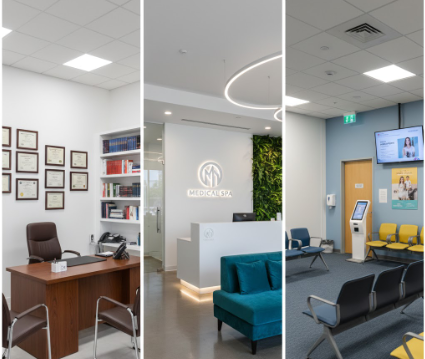
The type of provider you choose impacts not only price but also safety, efficacy, and your recourse if something goes wrong. Understanding the hierarchy of laser hair removal providers helps you make an informed decision about where to invest your money.
Dermatologists and Plastic Surgeons
Board-certified dermatologists and plastic surgeons represent the top tier of laser hair removal providers. Their prices typically run twenty to fifty percent higher than med spas or chain clinics.
This premium reflects several factors. These physicians have completed extensive training in skin physiology and laser physics. They carry higher malpractice insurance. Their practices typically invest in the newest, most effective laser technologies.
For most healthy clients with straightforward hair removal goals, paying the dermatologist premium isn’t strictly necessary. However, clients with darker skin tones, active skin conditions, or previous bad experiences with laser treatment benefit significantly from physician-level expertise.
If you experience complications like burns or hyperpigmentation at a medical spa, your recourse may be limited. Complications at a dermatologist’s office are addressed by a physician who can prescribe medications, perform corrective treatments, and manage healing.
Medical Spas Under Physician Supervision
Medical spas operating under physician supervision represent the most common setting for laser hair removal in the United States. Prices typically fall in the middle range of the market.
In this model, a licensed physician (often a dermatologist or plastic surgeon) serves as medical director, overseeing protocols and available for consultation. Day-to-day treatments are performed by nurses, nurse practitioners, or licensed laser technicians.
Quality varies significantly among medical spas. The best operate nearly identically to dermatology practices, with rigorous training, current technology, and genuine physician involvement. Others have minimal physician oversight and may cut corners on safety protocols.
When evaluating a medical spa, ask about the medical director’s involvement. Are they on-site daily? Do they review treatment photos? How quickly can they respond if complications arise? The answers reveal whether the physician supervision is substantive or merely a legal technicality.
National Chain Clinics
National laser hair removal chains like Ideal Image and Milan Laser have become dominant players in the market. Their business model emphasizes volume, standardization, and financing accessibility.
Prices at national chains typically fall at or slightly below independent medical spa rates for individual sessions. However, their aggressive package and financing options often make treatment more accessible to clients who can’t afford large upfront payments.
The unlimited lifetime guarantee offered by some chains deserves careful consideration. Milan Laser, for example, offers lifetime touch-ups included with their packages. While the upfront cost is higher than competitors charging per session, clients who need ongoing maintenance due to hormonal factors or stubborn hair may find significant long-term savings.
Standardization at chain clinics cuts both ways. Consistent protocols and training mean predictable results across locations. However, the assembly-line approach may mean less individualized attention and less flexibility for clients with unique needs.
Estheticians and Non-Medical Settings
Some states allow estheticians or cosmetologists to perform laser or IPL hair removal in non-medical settings. These providers typically offer the lowest prices in the market.
However, significant safety concerns exist with this category. Lower-powered devices, less training in skin assessment, and no physician backup for complications create risks that may outweigh the cost savings.
State regulations vary dramatically regarding who can legally perform laser hair removal. In some states, only physicians or their directly supervised staff can operate medical-grade lasers. In others, estheticians with minimal additional training can offer laser services.
The recommendation for most clients is to seek treatment at minimum from a medical spa with genuine physician oversight. The modest price difference compared to non-medical settings isn’t worth the added risk.
Laser Technology and Its Impact on Price
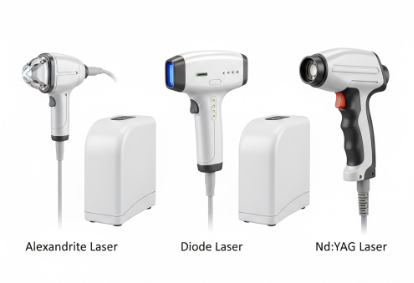
Not all laser hair removal is created equal. The specific technology used directly affects both treatment efficacy and price. Understanding the major laser types helps you evaluate whether a provider’s pricing is justified by their equipment investment.
Alexandrite Lasers
Alexandrite lasers operate at 755 nanometers and are considered the gold standard for clients with light to medium skin tones. They offer the fastest treatment times and typically deliver excellent results in the standard six to eight session range.
Practices using current-generation Alexandrite lasers often charge premium prices reflecting the equipment cost (often exceeding $100,000 for quality systems). However, faster treatment times may offset higher per-session prices.
The main limitation of Alexandrite lasers is their reduced safety margin on darker skin tones. The 755nm wavelength is readily absorbed by melanin in both hair and skin, creating burn risk for clients with Fitzpatrick skin types IV through VI.
Diode Lasers
Diode lasers operating at 800 to 810 nanometers represent the most versatile current technology. They effectively treat a broader range of skin tones than Alexandrite lasers while maintaining excellent efficacy on light skin.
Many newer diode systems incorporate cooling technology that improves comfort and safety while allowing higher energy levels. These advanced systems command premium pricing.
Diode lasers have become the workhorse technology at many medical spas and chain clinics. Their balance of safety, efficacy, and treatment speed makes them suitable for high-volume practices.
Nd:YAG Lasers
Nd:YAG lasers operating at 1064 nanometers penetrate deeper into the skin and are absorbed less by surface melanin. This makes them the safest option for clients with dark or very dark skin tones.
The trade-off is reduced efficacy compared to Alexandrite or Diode lasers on lighter skin, and treatments often require more sessions to achieve comparable results. Nd:YAG treatments may also be more uncomfortable due to the deeper energy penetration.
Practices offering Nd:YAG lasers often charge similar or slightly higher prices than Diode treatments, reflecting the specialized nature of treating darker skin tones safely.
IPL (Intense Pulsed Light)
IPL devices use broad-spectrum light rather than a single laser wavelength. While often marketed alongside lasers, IPL is technically a different technology with generally lower efficacy for permanent hair reduction.
IPL treatments typically cost less than true laser treatments, sometimes significantly less. However, the reduced efficacy often means more sessions required for similar results, potentially eliminating the cost advantage.
IPL devices also carry higher risk of burns and hyperpigmentation on darker skin tones compared to properly selected laser wavelengths. For clients with skin types IV through VI, IPL is generally not recommended regardless of price.
When comparing quotes, always ask specifically whether the provider uses a true laser or an IPL device. Some less scrupulous providers market IPL as “laser treatment” despite the technological differences.
Dual-Wavelength and Combination Platforms
Current-generation laser platforms increasingly offer multiple wavelengths in a single device. Systems like the GentleMax Pro combine Alexandrite and Nd:YAG capabilities, allowing practitioners to customize treatment for each client’s skin and hair type.
These versatile systems represent significant capital investment, often exceeding $150,000. Practices offering dual-wavelength technology may charge modest premiums reflecting this investment.
The practical benefit for clients is the ability to receive optimized treatment without changing providers. A client with mixed skin tones on different body areas can receive appropriate wavelengths for each zone within a single practice.
Hidden Costs and Additional Fees to Budget For
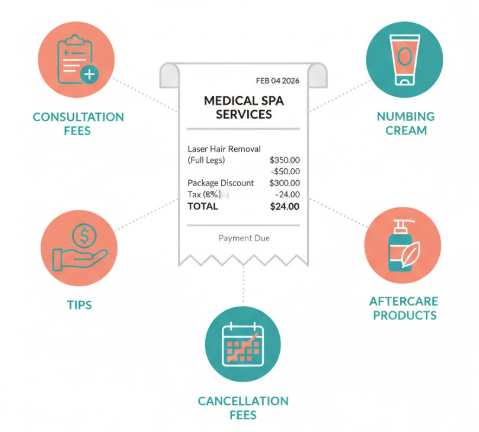
The per-session or package price represents the core of your laser hair removal investment, but several additional costs can impact your total spending. Budgeting for these extras ensures you’re not surprised when the final bill arrives.
Consultation Fees
Many providers charge consultation fees ranging from $50 to $150 for the initial assessment. This appointment typically includes skin type evaluation, test patch treatment, and treatment planning.
However, a significant number of practices offer free consultations or apply the consultation fee toward your first treatment package. When scheduling, always ask about consultation costs and whether they’re credited toward treatment.
Some clients benefit from consultations at multiple practices before committing. While time-consuming, comparing the recommendations, technologies, and pricing from three or four providers often reveals significant differences that justify the effort.
Numbing Cream and Comfort Measures
While many clients tolerate laser hair removal without numbing, some request topical anesthetic creams for comfort, particularly for sensitive areas like the Brazilian or upper lip.
Prescription-strength numbing creams like compounded lidocaine preparations cost $30 to $75 per application. Some practices include numbing cream in their treatment price, while others charge separately.
Over-the-counter lidocaine creams from pharmacies offer a budget alternative at $10 to $20 per tube, though they’re typically less effective than prescription-strength formulations.
Additional comfort measures like cooling devices or vibration anesthesia are typically included in treatment pricing and shouldn’t result in extra charges.
Aftercare Products
Most practices recommend specific aftercare protocols including aloe-based soothing gels, gentle cleansers, and high-SPF sunscreen. Some practices include sample products with treatment, while others sell aftercare lines at retail prices.
Budget $30 to $100 for aftercare products, particularly if you’re treating sun-exposed areas like the face or arms where daily SPF application is mandatory during treatment.
The sunscreen requirement deserves emphasis. Laser treatment increases photosensitivity, and sun exposure between sessions can cause hyperpigmentation and reduce treatment efficacy. Quality SPF 30 or higher sunscreen should be considered a necessary part of your laser hair removal investment.
Cancellation and No-Show Fees
Most practices require 24 to 48 hours notice for appointment changes. Missing appointments without adequate notice typically results in fees ranging from $50 to the full session cost.
Some package deals include language that forfeits unused sessions if you miss too many appointments. Read the fine print carefully before signing package agreements.
Life happens, and occasional rescheduling is normal. However, if your schedule is extremely unpredictable, a pay-per-session approach might work better than a prepaid package with strict attendance requirements.
Tipping Expectations
Tipping practices for laser hair removal vary based on the setting. At physician’s offices and dermatology practices, tipping is generally not expected or appropriate.
At medical spas and chain clinics, tipping practices mirror those of other personal services. Standard tips range from fifteen to twenty percent and go to the technician performing your treatment.
If you’re purchasing a large package, tipping fifteen to twenty percent of each session’s value adds meaningful additional cost. A $3,000 package could include $450 to $600 in tips over the treatment course.
Some practices include gratuity in their listed prices or explicitly state that tipping is not expected. When in doubt, ask the front desk about their tipping policy.
Insurance Coverage and Laser Hair Removal
For most clients, laser hair removal is considered a cosmetic procedure and receives no insurance coverage. However, specific medical circumstances may qualify for partial or full coverage, and alternative payment methods can provide tax advantages.
When Insurance May Cover Treatment
Health insurance policies generally exclude cosmetic procedures from coverage. Laser hair removal falls into this category for the vast majority of clients regardless of how inconvenient or time-consuming traditional hair removal methods may be.
However, medical necessity exceptions exist. Clients with conditions where excessive hair growth causes documented medical problems may qualify for coverage. These conditions include pilonidal cysts (where ingrown hairs cause recurrent painful cysts requiring surgical drainage), chronic folliculitis unresponsive to other treatments, and preparation for skin grafts where recipient areas must be permanently hair-free.
Obtaining coverage for these conditions requires documentation of medical necessity, typically including records of failed alternative treatments and a letter from your physician explaining why laser hair removal is medically required.
Gender-Affirming Care Coverage
Significant changes in healthcare policy have expanded insurance coverage for laser hair removal as part of gender-affirming care for transgender individuals. Many insurance plans now cover facial laser hair removal for transgender women as part of transition-related care.
Coverage requirements typically include documentation of gender dysphoria diagnosis, letters of support from mental health providers, and treatment as part of a coordinated gender-affirming care plan.
If you’re seeking coverage under gender-affirming care provisions, working with providers experienced in this area improves the likelihood of approval. Many practices specializing in transgender care have staff dedicated to insurance authorization and appeals.
Coverage varies significantly by state and insurance plan. States with comprehensive transgender healthcare mandates typically offer broader coverage than states without such requirements.
Using HSA and FSA Funds
Health Savings Accounts and Flexible Spending Accounts typically cannot be used for purely cosmetic laser hair removal. However, treatments that qualify as medically necessary can be paid with these pre-tax dollars.
Qualifying for HSA or FSA eligibility requires a Letter of Medical Necessity from a physician. This letter must document a specific medical condition that the laser hair removal will treat.
If you have a qualifying condition, using HSA or FSA funds effectively provides a fifteen to thirty percent discount depending on your tax bracket, since you’re paying with pre-tax dollars.
Some clients with borderline cases benefit from scheduling a dermatology appointment specifically to evaluate whether their hair removal needs might qualify as medically necessary. Conditions like pseudofolliculitis barbae (chronic razor bumps) sometimes qualify when adequately documented.
Long-Term Cost Comparison: Laser vs. Traditional Methods
Understanding laser hair removal cost requires context. Comparing the total investment against the lifetime costs of alternative hair removal methods reveals why laser treatment often represents sound financial logic despite its significant upfront expense.
The Lifetime Cost of Shaving
The average American woman who shaves her legs spends approximately $10,000 to $23,000 over her lifetime on razors, shaving cream, and related products. This estimate includes quality multi-blade razors, shaving gel, and replacement blades every one to two weeks.
Beyond the direct product costs, shaving consumes substantial time. Estimates suggest women spend over 70 hours per year shaving, translating to roughly 2 months of full-time work over a lifetime.
The skin damage from decades of shaving—razor burn, ingrown hairs, nicks, and chronic irritation—adds both dermatological treatment costs and quality-of-life impacts that defy easy quantification.
The Lifetime Cost of Waxing
Professional waxing costs $30 to $100 per session depending on the body area, with most areas requiring monthly maintenance. A client waxing legs, underarms, and bikini line monthly spends approximately $1,200 to $2,000 annually.
Over 30 years, this adds up to $36,000 to $60,000 or more, not including tips, transportation costs, or the time spent traveling to and attending appointments.
At-home waxing reduces direct costs but adds time commitment and typically delivers inferior results to professional treatment. The math still overwhelmingly favors laser treatment for anyone planning decades of hair management.
The At-Home Device Question
Consumer-grade laser and IPL devices ranging from $200 to $500 promise professional results at a fraction of the cost. Popular devices from brands like Tria, Braun, and Nood have attracted millions of buyers.
These devices can reduce hair growth and provide convenience for maintenance between professional sessions. However, their lower power output means they cannot match the permanent reduction achieved by professional-grade equipment.
Consumer devices typically produce forty to sixty percent reduction rather than the eighty to ninety percent achieved professionally. For clients seeking complete hair freedom, at-home devices often end up as an additional expense rather than a replacement for professional treatment.
The most cost-effective use of at-home devices is as maintenance tools after completing a professional treatment series. Using a home device for annual touch-ups can extend the time between professional maintenance appointments.
Payment Options and Financing Strategies

The significant upfront cost of laser hair removal packages puts treatment out of reach for many clients paying cash. Fortunately, the aesthetics industry has developed numerous financing options that make treatment accessible across income levels.
Medical Credit Cards
CareCredit and Alphaeon Credit dominate the medical financing market, offering revolving credit lines specifically for healthcare and aesthetic expenses. Most laser hair removal practices accept one or both of these cards.
The attractive feature of medical credit cards is promotional financing, typically offering twelve to twenty-four months of zero interest if the balance is paid in full during the promotional period.
The critical caveat is that failing to pay the full balance before the promotional period ends triggers deferred interest. Rather than simply starting to charge interest on the remaining balance, the full interest from day one becomes due. On a $3,000 purchase, this can mean an immediate $600 to $900 interest charge.
Medical credit cards work well for clients confident in their ability to pay off the balance within the promotional window. For others, the deferred interest trap makes these cards riskier than they initially appear.
In-House Payment Plans
Many practices offer direct financing without involving third-party lenders. These arrangements typically involve monthly autopay from a bank account or credit card.
In-house plans often don’t charge interest, making them attractive alternatives to medical credit cards. However, they may require higher down payments or offer shorter payment windows.
One advantage of in-house financing is that practices often use soft credit pulls rather than hard inquiries, avoiding negative impacts on your credit score. If you’re planning other major purchases (home, car) in the near future, this distinction matters.
Buy Now, Pay Later Services
Services like Affirm, Klarna, Cherry, and Afterpay have expanded into the aesthetics market. These platforms integrate directly into practice payment systems, offering instant approval and flexible payment schedules.
Interest rates and terms vary significantly among BNPL providers and based on your creditworthiness. Some offer zero-interest options for shorter terms, while longer plans carry APRs ranging from ten to thirty percent.
The ease of BNPL approval is both a feature and a risk. Unlike traditional financing that requires deliberate application, BNPL services make it easy to commit to payments that may strain future budgets.
Negotiating and Package Discounts
Unlike many medical expenses, laser hair removal pricing often has negotiating room. Practices want to fill their schedules, and committing to larger packages represents valuable guaranteed revenue.
Strategies that often yield discounts include paying cash upfront for packages (eliminating merchant fees saves the practice two to three percent), booking during slow seasons (winter months typically have more availability), treating multiple areas simultaneously, and bringing referrals.
Asking directly about discounts or price matching often produces results. If you’ve received a quote from a competitor, mentioning this during your consultation may prompt the practice to match or beat the price.
How to Save Money Without Compromising Results
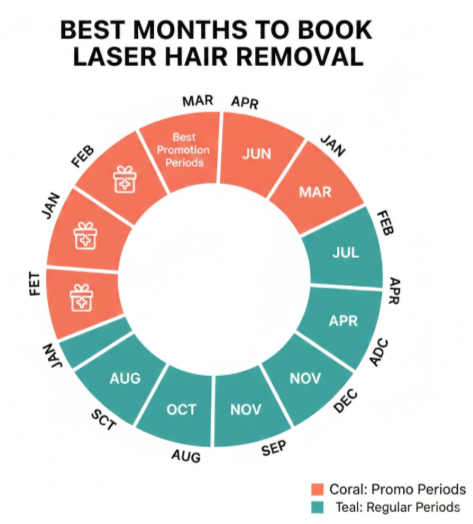
Strategic planning and informed decision-making can significantly reduce your laser hair removal costs while still achieving excellent results. The key is distinguishing between smart savings and penny-wise-pound-foolish decisions that compromise safety or efficacy.
Seasonal Timing and Promotions
Laser hair removal practices experience predictable seasonal fluctuations. Summer brings the highest demand as clients rush to get beach-ready, while winter months often see thirty to fifty percent reductions in appointment volume.
Savvy clients book consultations and begin treatment in late fall or winter. Not only are promotional deals more common, but starting in winter means you complete treatment before summer sun exposure becomes an issue.
Major promotional periods include Black Friday, New Year’s resolution season (January), Valentine’s Day, and back-to-school (August-September). Following practices on social media or joining email lists ensures you’re notified of flash sales.
Groupon and Deal Sites
Groupon offers laser hair removal deals that can discount treatment by fifty percent or more. However, these deals require careful vetting to ensure you’re getting quality treatment at a low price rather than low-quality treatment at an appropriate price.
Before purchasing any deal, research the provider independently. Look for reviews on Google, Yelp, and RealSelf. Verify that they use true laser technology rather than IPL. Check that there’s genuine physician oversight.
Visit the practice for a consultation before purchasing if possible. Some practices use Groupon as a loss leader to attract clients they’ll then upsell on full-price services. Understanding their approach helps you decide whether to buy.
Read the fine print carefully. Many deals exclude the Brazilian area, limit which body parts qualify, or have short expiration windows. Calculate the true value based on what’s actually included.
Referral Programs and Loyalty Rewards
Most practices offer referral bonuses ranging from free sessions to statement credits. If you have friends or family members interested in laser treatment, coordinating your consultations can yield significant savings for everyone.
Some chains and medical spas offer loyalty programs providing points toward future treatments. These programs work best for clients planning multiple treatment areas or ongoing maintenance.
Stacking strategies—combining referral bonuses with seasonal promotions and loyalty rewards—can sometimes yield forty to sixty percent effective discounts off standard pricing.
Membership and Subscription Models
A growing number of aesthetic practices offer monthly membership programs. For a fixed monthly fee (typically $100 to $300), members receive discounts on laser hair removal and other aesthetic treatments.
These memberships make sense for clients planning multiple procedures or ongoing aesthetic maintenance. Someone combining laser hair removal with regular chemical peels, injectables, or other treatments may find membership programs offer substantial cumulative savings.
Calculate carefully before committing. If laser hair removal is your only interest, the membership fees may exceed the discount value. But for clients embracing broader aesthetic care, memberships can provide excellent value.
What to Expect During Your Treatment Journey
Understanding the treatment timeline and process helps you budget not only money but also time. Laser hair removal is a commitment spanning several months, and knowing what to expect prevents surprise or disappointment.
Your Initial Consultation
The consultation appointment serves multiple purposes. The provider evaluates your skin type, hair characteristics, and medical history. You receive a test patch to assess your skin’s reaction to treatment. And you discuss pricing, package options, and scheduling.
Come prepared with questions about the specific laser technology used, the practitioner’s training and experience, expected number of sessions, and realistic outcome expectations.
During the consultation, honest conversation about your budget often yields useful information. Providers may suggest prioritizing certain areas, recommend package structures that maximize value, or mention upcoming promotions.
The Treatment Process
Individual sessions last from fifteen minutes for small areas to ninety minutes or more for full-body treatment. Most clients describe the sensation as similar to a rubber band snapping against the skin, with some areas more uncomfortable than others.
Sessions are scheduled four to eight weeks apart depending on the body area. Facial hair grows faster and is treated every four to six weeks, while legs and body areas typically use six to eight week intervals.
During the treatment series, you’ll notice progressive hair reduction. Hair sheds in the weeks following each session, with regrowth becoming finer and sparser over time.
Post-Treatment Care
Proper aftercare protects your investment and ensures optimal results. Key requirements include avoiding sun exposure and tanning for two weeks before and after treatment, no waxing or plucking between sessions (shaving is fine), and applying soothing products if redness or irritation occurs.
Most clients return to normal activities immediately after treatment. Some experience mild redness similar to slight sunburn that resolves within hours to days.
Maintenance Phase
After completing your initial treatment series, most clients achieve seventy to ninety percent permanent hair reduction. The remaining hair is typically finer and lighter than before treatment.
Maintenance sessions every six to twelve months keep treated areas smooth. Some clients with hormonal influences (PCOS, menopause, or testosterone therapy) require more frequent maintenance.
This ongoing maintenance need is one reason unlimited packages can represent good value for certain clients. Someone expecting to need touch-ups for decades may find the higher upfront cost of an unlimited guarantee worthwhile.
Special Considerations for Different Hair and Skin Types
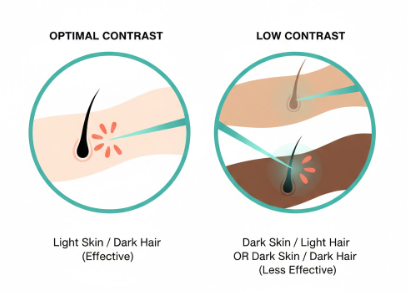
Laser hair removal results and costs vary based on individual characteristics. Understanding how your specific hair and skin type affects treatment helps set realistic expectations and budget appropriately.
Fair Skin and Dark Hair
The ideal candidate for laser hair removal has fair skin and dark, coarse hair. The contrast between light skin and dark hair allows the laser to selectively target the pigmented hair follicle without affecting surrounding skin.
Clients fitting this profile typically achieve excellent results in the standard six to eight sessions. They have access to the full range of laser technologies and can often choose providers based on price and convenience rather than specialized expertise.
Darker Skin Tones
Clients with Fitzpatrick skin types IV through VI (medium-brown to dark-brown skin) require specialized treatment to achieve safe, effective results. Higher melanin content in the skin creates competition for laser energy that might otherwise target the hair follicle.
Treatment for darker skin tones requires either Nd:YAG lasers specifically or carefully calibrated dual-wavelength systems. This specialized equipment isn’t available at all practices, which may limit options and increase costs.
Sessions typically need to be scheduled further apart to allow complete skin recovery. More sessions are often required to achieve equivalent results to lighter-skinned clients. Both factors increase total treatment cost and timeline.
The investment in finding a provider experienced with your skin type is worthwhile. Burns and hyperpigmentation from improper treatment on darker skin can cause permanent scarring or discoloration that far exceeds the cost difference between providers.
If you have textured hair along with darker skin, understanding your specific hair type helps communicate effectively with providers. Resources explaining different curl patterns like 4B hair can help you describe your hair characteristics accurately.
Light or Fine Hair
Clients with blonde, red, gray, or very fine hair face the most challenging treatment scenarios. Laser energy is absorbed by melanin, and hair with minimal pigment absorbs poorly.
Treatment options for light hair are limited. Some providers attempt treatment with longer wavelength lasers or multiple passes, but results are typically inferior to treatment of dark hair. Newer technologies targeting the hair follicle’s blood supply rather than melanin show promise but remain less proven.
For clients with light body hair, honest assessment of likely results is essential before investing in treatment. Some providers frankly acknowledge that laser treatment may not work well for very light hair and recommend electrolysis as an alternative despite its higher per-session cost.
Hormonal Considerations
Hormonal factors significantly influence both treatment needs and long-term results. Women with PCOS, clients on hormone therapy, and those going through hormonal transitions may require more sessions and ongoing maintenance.
This isn’t a limitation of the laser technology itself but rather a function of hormones continually stimulating new hair growth. Each treatment session effectively addresses active hair follicles, but hormonal signals can activate previously dormant follicles afterward.
For clients with hormonal hair growth, frank discussion with providers about long-term expectations is important. Unlimited packages often make particular financial sense for this population.
Choosing the Right Provider for Your Budget
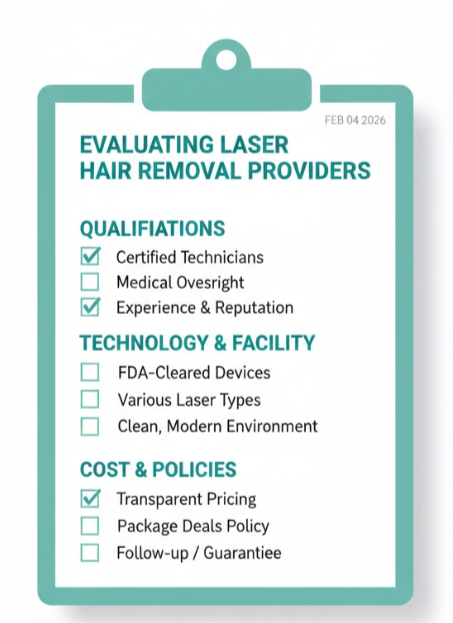
Selecting your laser hair removal provider involves balancing cost, quality, convenience, and safety. A systematic approach helps navigate the many options without getting overwhelmed.
Key Questions to Ask During Consultations
Prepare a list of questions before visiting any provider. Essential information includes what specific laser technology they use and why, who performs treatments and what their training and credentials are, how many sessions they typically recommend for your skin and hair type, what their policy is if additional sessions are needed beyond the package, and how they handle complications.
Pay attention not only to the answers but to how the practice handles your questions. Dismissive responses or pressure to book immediately are red flags. Quality providers welcome informed clients and answer questions thoroughly.
Red Flags to Avoid
Certain warning signs suggest a provider may not deliver safe, effective treatment. These include prices dramatically below market rates (quality equipment and trained staff cost money), unwillingness to specify the exact laser technology used, technicians who can’t answer basic questions about the procedure, pressure to commit during your first visit, and before-and-after photos that seem inconsistent or potentially edited.
The cheapest option isn’t always the worst, and the most expensive isn’t always the best. But extreme pricing outliers warrant extra scrutiny before booking.
Building a Provider Shortlist
Start by identifying three to five providers in your area with positive reviews and appropriate credentials. Schedule consultations with each, keeping notes on pricing, technology, and your overall impression.
After completing consultations, compare not only price but also the intangibles. Did you feel comfortable? Were your questions answered? Did the treatment plan seem appropriately customized to your needs?
The right provider balances cost-effectiveness with quality and comfort. Since you’ll be returning to this practice for months of treatment, choosing somewhere you feel genuinely welcome matters.
For those exploring overall appearance and grooming strategies, considering how laser hair removal fits with other aesthetic choices helps create a cohesive approach. Styling decisions like a low taper fade curly hair cut might complement your hair removal choices as part of a comprehensive grooming plan.
Frequently Asked Questions About Laser Hair Removal Cost
How much does full body laser hair removal cost on average?
Full body laser hair removal typically costs between $2,500 and $5,000 for a complete package of six to eight sessions in most markets. Premium providers offering lifetime touch-up guarantees may charge $6,000 to $10,000 or more. Monthly financing typically runs $200 to $400 depending on the plan length. Prices vary significantly based on which body areas are included, so always request a detailed breakdown of what “full body” covers at each provider you’re considering.
Is laser hair removal cheaper than waxing over time?
Yes, laser hair removal almost always costs less than waxing over a ten to twenty-year period. Professional waxing of legs, underarms, and bikini costs $100 to $200 monthly, adding up to $12,000 to $24,000 over a decade. Laser treatment for these same areas typically totals $3,000 to $6,000 including occasional maintenance sessions. The break-even point for most clients occurs within three to five years.
How many sessions are needed for permanent results?
Most clients require six to eight sessions spaced four to eight weeks apart to achieve eighty to ninety percent permanent hair reduction. Stubborn areas, hormonal hair growth, or clients with hair and skin characteristics that are less than ideal may need ten to twelve sessions. Annual maintenance sessions help address any regrowth from newly activated follicles.
Why do laser hair removal prices vary so much between providers?
Price variations reflect differences in equipment quality, provider credentials, overhead costs, and local market conditions. A dermatologist using a $150,000 dual-wavelength laser in Manhattan has fundamentally different costs than a chain clinic using older technology in a suburban strip mall. Both may deliver satisfactory results for appropriate clients, but their cost structures differ dramatically.
Can I use my HSA or FSA to pay for laser hair removal?
HSA and FSA funds can only be used for laser hair removal if a physician documents medical necessity. Qualifying conditions include chronic folliculitis, pilonidal cysts, pseudofolliculitis barbae (severe razor bumps), and preparation for surgical skin grafts. Purely cosmetic treatment does not qualify regardless of how much you prefer it to shaving.
Are unlimited laser hair removal packages worth the extra cost?
Unlimited packages provide best value for clients likely to need ongoing maintenance, including those with PCOS or hormonal imbalances, younger clients with decades of potential regrowth ahead, those treating hormonal areas like the face and Brazilian, and anyone with stubborn hair that may require more than the standard session count. If you’re treating a less hormonally sensitive area and have characteristics suggesting standard treatment will work well, per-session or limited packages may be more cost-effective.
Do at-home laser devices work as well as professional treatment?
No, at-home devices use lower energy levels than professional equipment and typically achieve forty to sixty percent hair reduction compared to eighty to ninety percent with professional treatment. Home devices work best for maintenance between professional sessions or for clients with light hair that doesn’t respond well to any laser treatment. They’re not a complete substitute for professional treatment for most clients seeking permanent results.
When is the best time of year to start laser hair removal?
Fall and winter are ideal times to begin treatment for several reasons. Sun exposure should be avoided before and after sessions, making covered-skin seasons practical. Practices often offer better promotional pricing during slower months. And starting in fall means completing the primary treatment series before summer swimsuit season.