 Dave King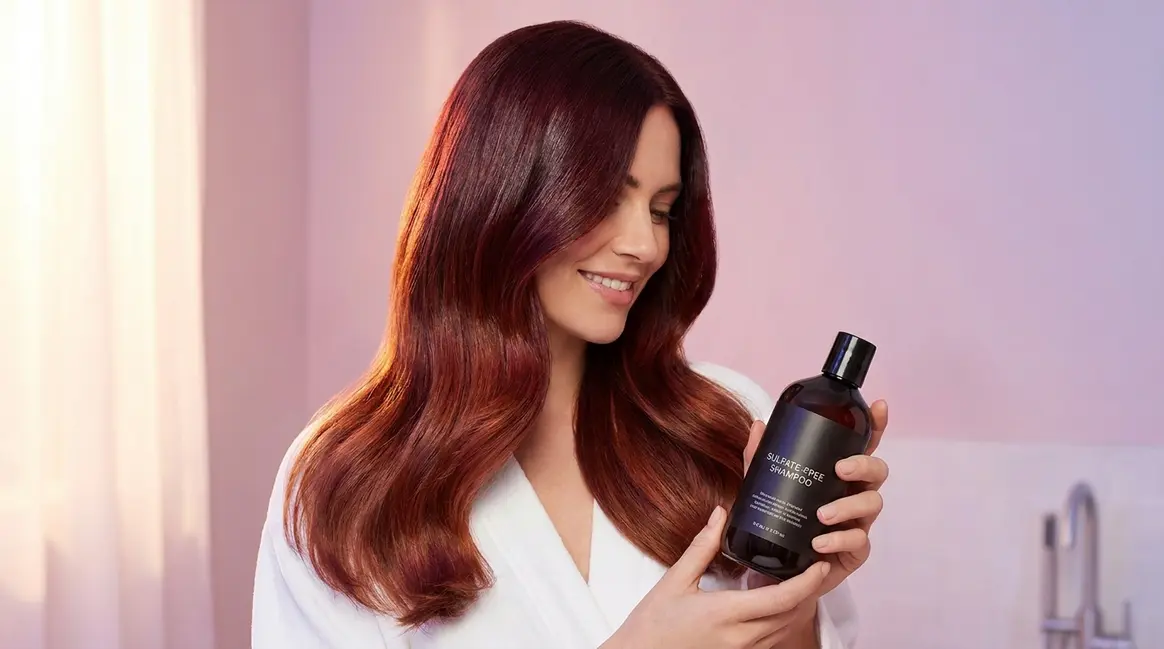
Your color looked stunning on day one — rich, glossy, exactly what you asked for. By day ten, it already looked dull, brassy, and washed out. That color cost you real money and real time, and it is quite literally rinsing down the drain every time you shampoo.
Most people are unknowingly accelerating their own hair colour fade. The good news: it is almost entirely preventable once you understand why it happens. In this guide, you’ll learn exactly how to maintain coloured hair using a simple, science-backed 30-day routine — so your color stays vibrant for weeks longer. We’ll cover six steps: understanding why color fades, the 72-hour rule, a wash routine, damage repair, hair loss concerns, and specialized care for gray and textured hair.
Maintaining coloured hair comes down to one goal: keeping your hair cuticle sealed so pigment molecules cannot escape — this is The Cuticle-Lock Method.
- Wait 72 hours before your first post-color wash to let pigment fully set
- Sulfate-free shampoo is non-negotiable — sulfates strip color significantly faster than gentle, pH-balanced cleansers
- Cool water rinses seal the cuticle; hot water forces it open and releases pigment
- Deep condition weekly to restore moisture lost during chemical processing
- Gray and textured hair need extra moisture steps — standard routines are not enough
To maintain coloured hair, protect the hair cuticle from opening by using sulfate-free shampoo, cool water rinses, and pH-balanced products. The process involves six steps and takes about 30 days to establish as a routine.
- Key steps:
- Wait 72 hours before the first wash
- Wash 2–3 times per week with sulfate-free shampoo
- Rinse with cool or cold water to seal the cuticle
- Apply a deep conditioning mask once per week
- Protect hair from heat with a spray before styling
- Use a color-depositing conditioner between washes
What You’ll Need Before You Start
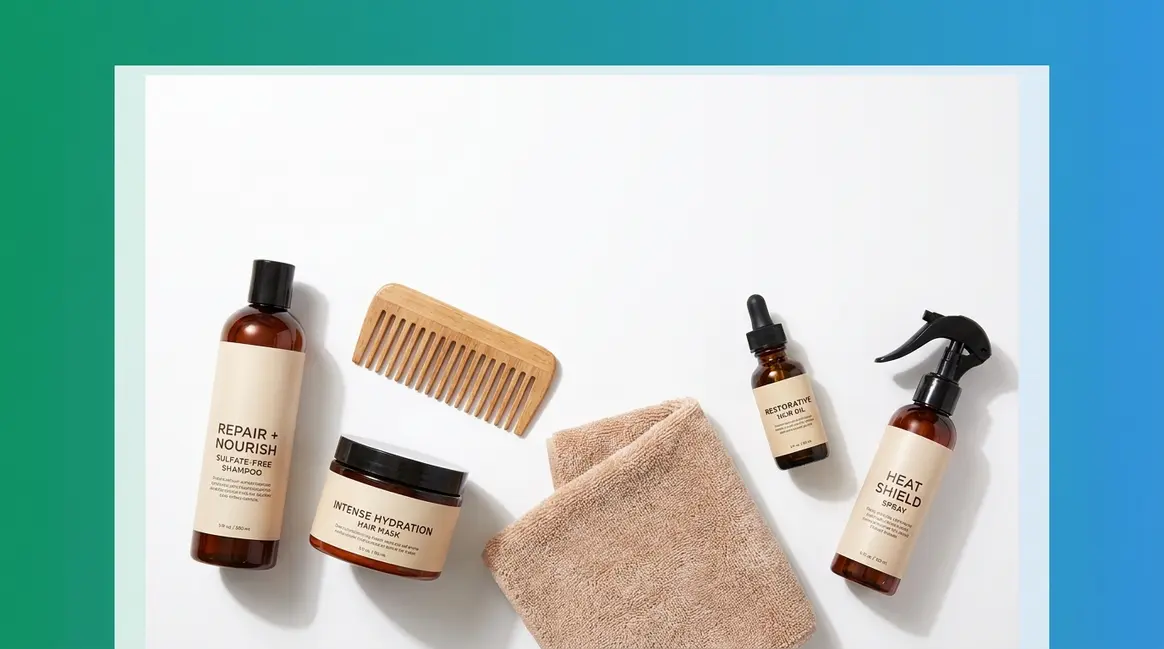
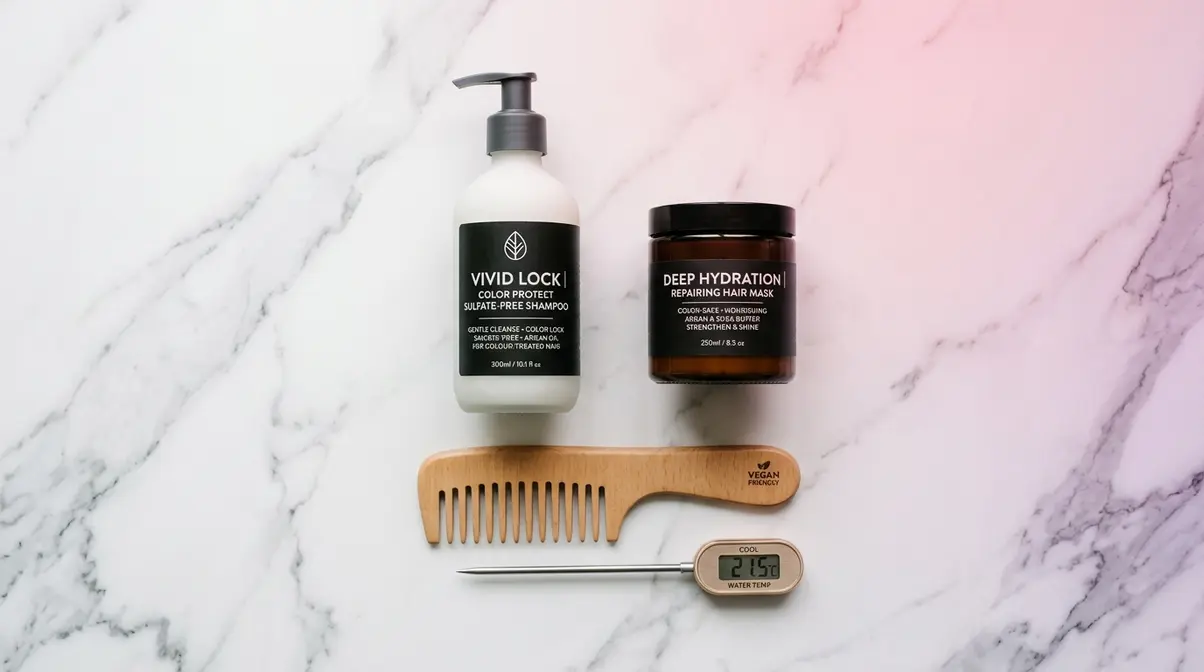
Before you start, gather these four items — having the right products in place makes every step in this guide work better.
Products to Have Ready
- Sulfate-free, color-safe shampoo — look for “sulfate-free” on the label; this is the single most important product switch you will make. Available at any drugstore or salon supply store.
- Color-safe conditioner or color-depositing conditioner — restores moisture and optionally refreshes your shade between salon visits
- Deep conditioning mask — a weekly treatment (not a rinse-out conditioner); look for “moisture mask” or “hair mask” on the packaging
- Heat protectant spray — applied before blow-drying or using any hot tools; protects against heat damage that cracks the cuticle open
Understanding Your Hair Porosity (And Why It Matters)
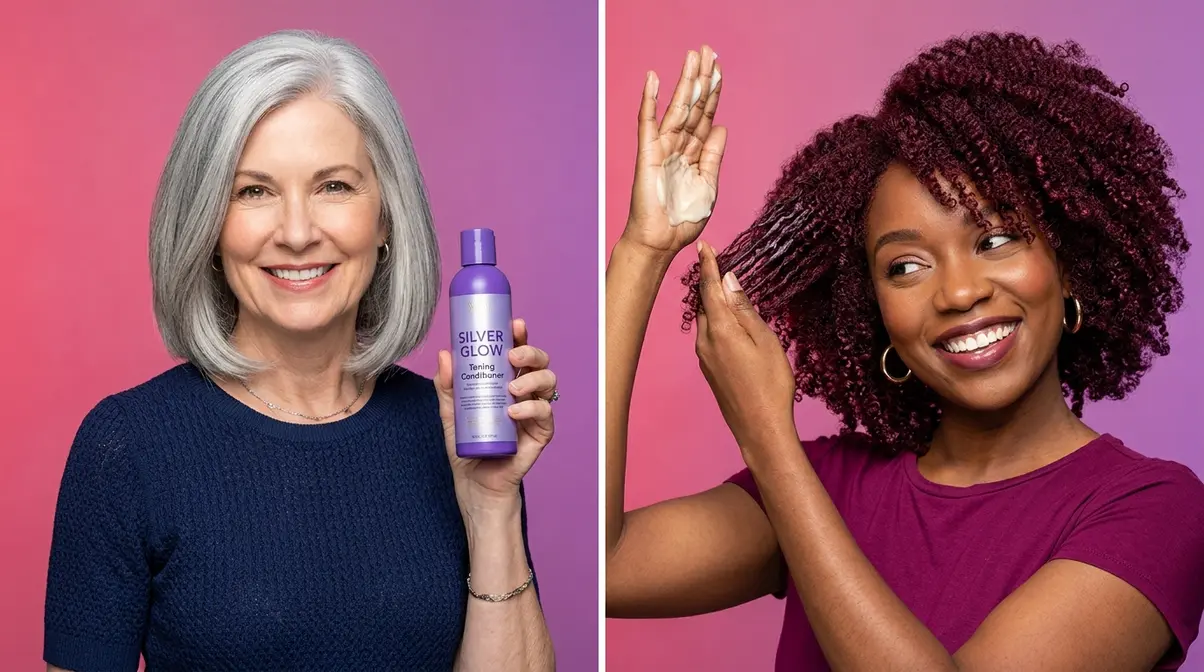
Porosity is how easily your hair absorbs and holds onto moisture — and color. Think of each strand as a sponge: high-porosity hair soaks things up fast but releases them just as quickly, while low-porosity hair resists absorption but holds on once something gets in.
High-porosity hair (common after bleaching or chemical processing) loses color faster because the cuticle is already damaged and cannot seal properly. Low-porosity hair resists products initially but holds color longer once it fully absorbs. If your hair was bleached before coloring, it is almost certainly high-porosity — meaning you will need to pay extra attention to the sealing steps throughout this guide.
Not sure which type you have? Drop a single clean strand into a glass of water. If it sinks within two minutes, your hair is high-porosity. If it floats, it is low-porosity.
Now that you know what porosity is and what you need, let’s start with the most important thing: understanding why your color fades in the first place.
Step 1: Understand Why Your Hair Color Fades
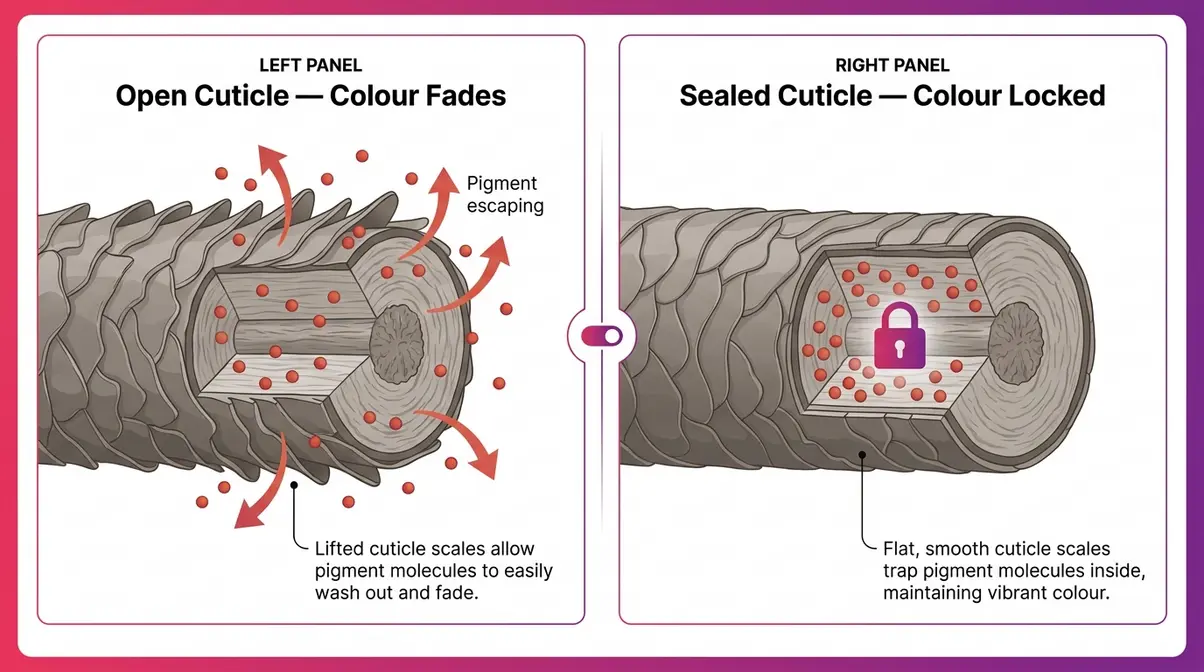
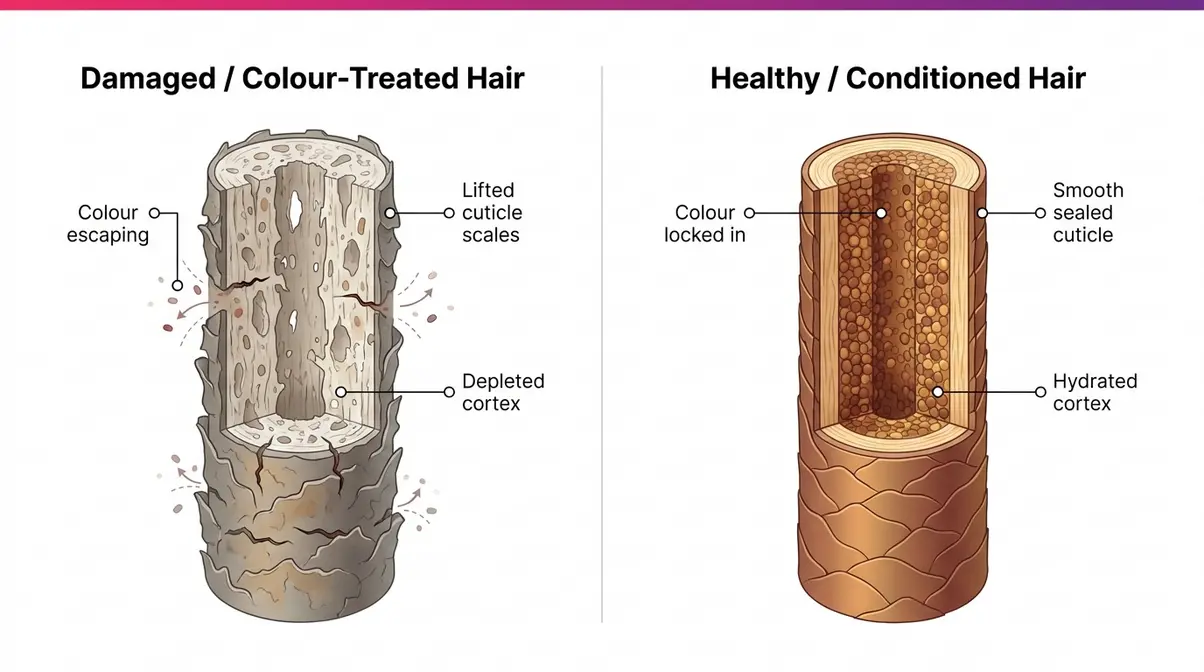
Hair color fades because the hair cuticle — the outermost protective layer of each strand, like overlapping roof tiles — opens up and allows color pigment molecules to escape. Every time you wash with hot water, use alkaline products, or expose hair to harsh minerals, those “tiles” lift further apart, and more pigment washes out. Knowing this is how to maintain coloured hair at a fundamental level.
How the Hair Cuticle Works (and Why It Matters for Color)
The hair cuticle is the outermost layer of each hair strand — think of it like rows of roof tiles, all overlapping downward toward the tip. When those tiles lie flat and tight, your strand is smooth, shiny, and sealed. When they lift open, the strand looks dull and rough — and, more critically for color, the pigment molecules trapped inside can escape.
Permanent hair dye works by using an alkaline developer (usually hydrogen peroxide) to swell and open those cuticle tiles, deposit color molecules deep into the cortex (the inner layer of the strand), and then rely on your aftercare routine to close the cuticle back down. If the cuticle never fully reseals, those color molecules gradually wash out with every shampoo. That is the entire mechanism of hair colour fade, and it is why every tip in this guide exists.
Why this matters for your color: A sealed cuticle does not just look better — it physically traps pigment inside the strand. Every care decision you make should answer one question: “Does this open or close the cuticle?”
The Science of Color Fading: pH, Porosity, and Hard Water
Three forces work against your color every day: pH imbalance, high porosity, and hard water minerals.
pH (a scale from 0–14 measuring how acidic or alkaline a substance is) matters enormously for the cuticle. Healthy hair sits at a slightly acidic pH of around 4.5–5.5. Alkaline products — most standard shampoos sit above pH 6 — cause the cuticle to swell open. An NIH study on shampoo pH and cuticle damage confirmed that alkaline pH increases the negative electrical charge of the hair fiber surface, leading to cuticle damage and fiber breakage — directly accelerating color loss (National Institutes of Health, 2015). This is why pH-balanced, color-safe formulas matter: they keep the cuticle environment acidic and sealed.
Hard water is an underappreciated villain. Hard water contains high levels of calcium and magnesium minerals that deposit on the hair shaft, physically blocking color molecules from bonding during the dye process and dislodging them during washing. Research suggests that hard water exposure can noticeably dull color vibrancy within two to three weeks of coloring. If you live in a hard water area, a shower filter designed to reduce mineral content is one of the highest-impact investments you can make for your color.
Porosity, as introduced in the Prerequisites section, determines how quickly pigment escapes. High-porosity hair — the kind left behind after bleaching — loses color faster because the cuticle cannot seal tightly enough to hold pigment in place.
The Cuticle-Lock Method: Your One Guiding Principle
Here is the single mental model that makes every tip in this guide instantly logical: The Cuticle-Lock Method — the principle that every colored hair maintenance decision exists to keep the hair cuticle sealed, so color pigment molecules cannot escape.
Why sulfate-free shampoo? Because sulfates force the cuticle open. Why cold water? Because heat lifts the cuticle. Why pH-balanced products? Because alkalinity swells it. Why a 72-hour wait before washing? Because the cuticle needs time to reseal after the coloring process opens it.
Once you understand The Cuticle-Lock Method, you never have to memorize a list of arbitrary rules again. You just ask: “Does this keep the cuticle sealed or force it open?” The answer tells you exactly what to do.
Checkpoint: You should now understand why your color fades (open cuticle), what forces cause it (pH, heat, hard water, porosity), and the one guiding principle — The Cuticle-Lock Method — that unifies every step ahead.
Step 2: Follow the 72-Hour Rule After Coloring
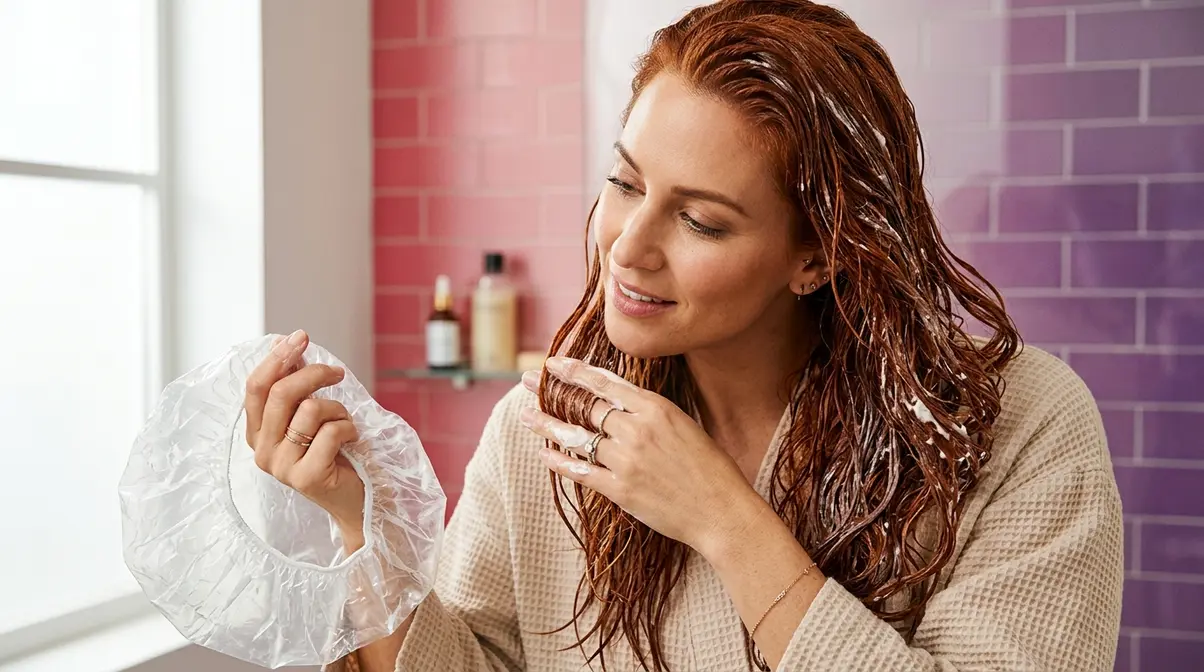
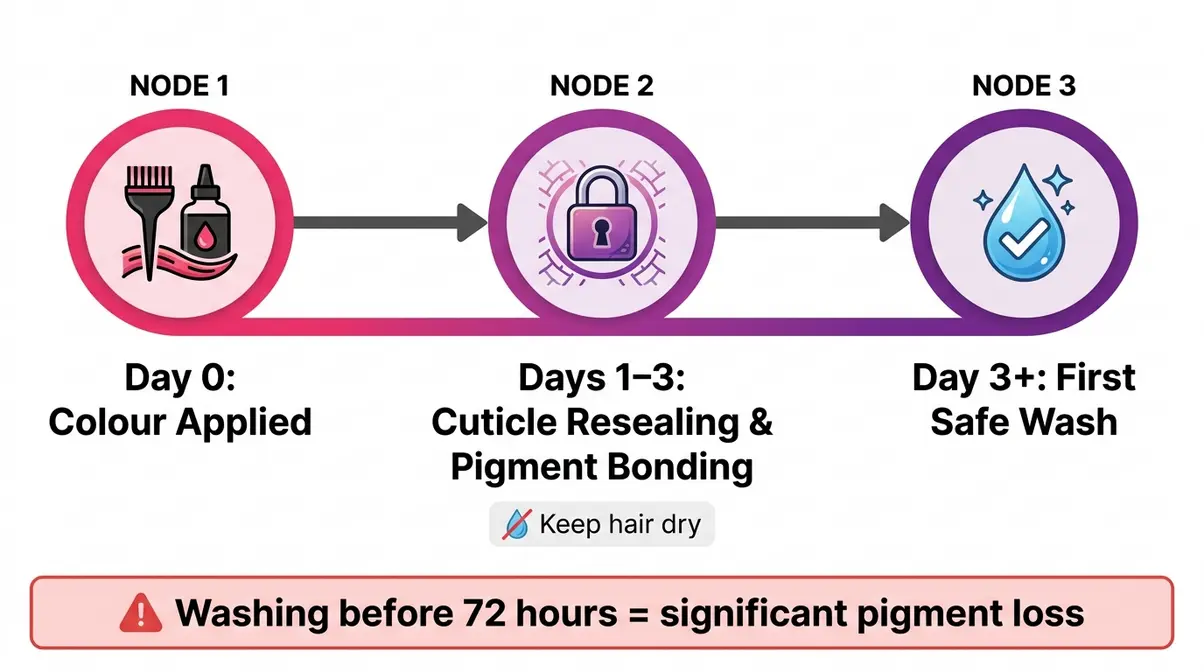
The 72-hour rule is one of the most important — and most ignored — steps in colored hair care. After coloring, the hair cuticle is chemically swollen open and the color molecules are still settling into the cortex. Washing too soon rinses out pigment before it has fully bonded. Professional colorists consistently recommend waiting a minimum of 48–72 hours before the first post-color wash; many advise stretching this to a full three days if possible.
Why You Must Wait Before Your First Wash
When color is applied, the developer opens the cuticle to allow pigment to enter the cortex. That process takes time to stabilize. During the first 24–72 hours, pigment molecules are still oxidizing and bonding — they have not yet fully locked into the hair structure. Rinsing with water during this window, especially warm or hot water, physically dislodges loosely bonded pigment before it has a chance to set.
The result? You lose a significant amount of your color on the very first wash. Many people report that their color looks noticeably duller after wash number one — this is partly normal (some surface pigment always washes off), but washing before 72 hours makes it dramatically worse. The longer you wait, the more pigment has time to bond, and the more vibrancy you preserve for the weeks ahead.
What to Do Instead of Washing
Waiting 72 hours does not mean 72 hours of discomfort. Here is what you can do during the window:
- Keep your hair dry — avoid rain, steam, swimming pools, and sweaty workouts if possible. If you must exercise, wear a loose shower cap.
- Smooth, do not scrub — if your scalp feels itchy, lightly massage with dry fingertips only. No water.
- Apply a lightweight hair oil to the lengths — a few drops of argan or jojoba oil on the mid-lengths and ends adds shine and a light barrier without opening the cuticle. Avoid the roots.
- Style gently — low-heat or no-heat styles (braids, loose buns) are ideal. If you must use heat, keep it below 180°C (356°F) and always use heat protectant spray.
- Sleep on a silk or satin pillowcase — cotton creates friction that can lift the cuticle. Silk reduces mechanical damage overnight.
Checkpoint: You should now have waited at least 72 hours since coloring and have your first wash planned. Your color has had time to bond — now it is time to build the routine that keeps it there.
Step 3: Build a Color-Safe Washing Routine
Building a consistent, color-safe washing routine is where the real work of how to maintain coloured hair happens. This is the step that determines whether your color lasts two weeks or eight weeks — and it comes down to three variables: how often you wash, what you wash with, and the temperature of the water.
How Often to Wash: The 2–3 Times Per Week Rule
Every wash is a color-fade event. Water alone — regardless of temperature or shampoo — causes some degree of pigment loss by temporarily swelling the cuticle. The goal is to wash as infrequently as your scalp and lifestyle allow, while staying clean and comfortable.
The professional standard is 2–3 washes per week for color-treated hair. This gives the cuticle time to reseal between washes and dramatically reduces cumulative pigment loss compared to daily washing. On non-wash days, dry shampoo at the roots keeps things fresh without touching the color-bearing lengths.
If you currently wash daily, transition gradually: add one non-wash day per week for the first two weeks, then two non-wash days. Your scalp will adjust its oil production within three to four weeks.
Choose Color-Safe, Sulfate-Free Products (Ingredient Guide)
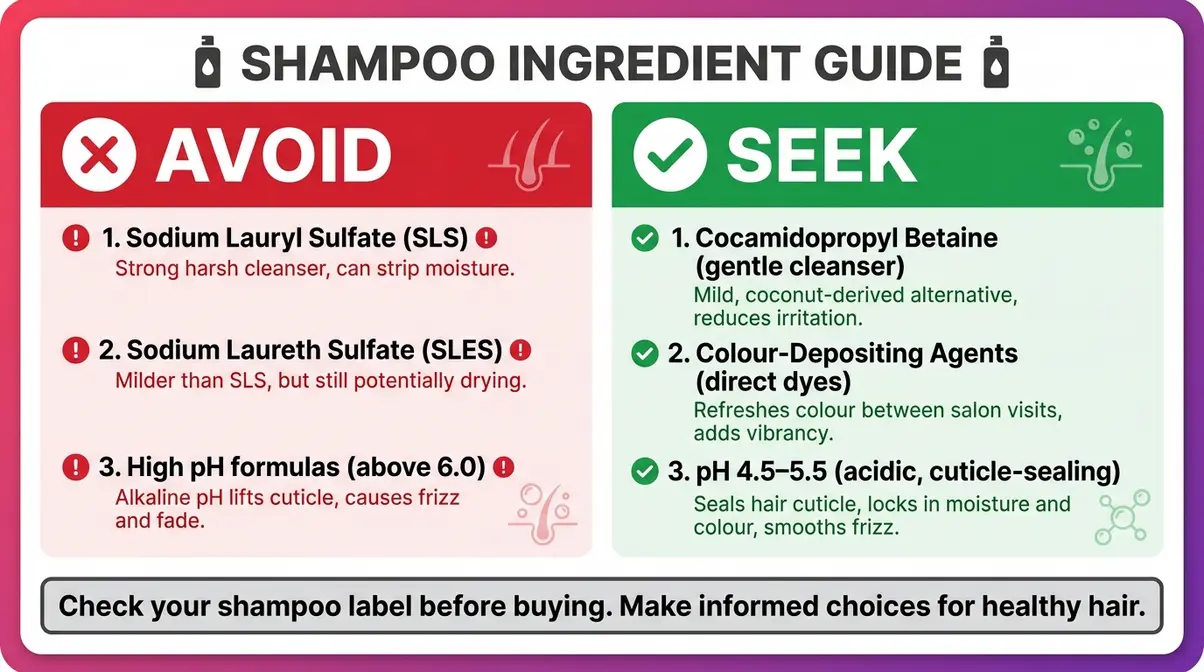
Sulfates (harsh detergents found in many standard shampoos — look for “sodium lauryl sulfate” or “sodium laureth sulfate” on the label) are the primary chemical villain for colored hair. They are highly effective cleansers, which is exactly the problem: they strip not just dirt and oil, but also the color molecules bonded to your hair shaft.
- Ingredients to seek out:
- Sulfate-free surfactants (cocamidopropyl betaine, sodium cocoyl isethionate) — gentle cleansing without cuticle disruption
- Color-depositing agents (direct dyes that deposit a small amount of color pigment with each wash) — extend vibrancy between salon visits
- Acidic pH formulas (pH 4.5–5.5) — keep the cuticle environment sealed
- Ingredients to avoid:
- Sodium lauryl sulfate (SLS) and sodium laureth sulfate (SLES)
- High-alkalinity formulas (anything above pH 6.5)
- Clarifying shampoos — a clarifying shampoo is designed specifically to deep-clean by opening the cuticle. Reserve these for buildup removal once every 4–6 weeks at most, and always follow with a deep conditioning mask.
“You can add a bit of dye to some conditioner for a ‘refresher’ every couple weeks.”
— Community advice from r/HairDye — a simple, low-cost way to top up vibrancy between salon appointments
This DIY color-depositing method works because the conditioner’s creamy base temporarily coats the cuticle while the small amount of dye deposits on the surface. It will not replace a full color service, but it is a practical refresher that extends vibrancy noticeably.
Get the Water Temperature Right
This is the simplest, most cost-free application of The Cuticle-Lock Method. Hot water — anything above about 38°C (100°F) — causes the cuticle scales to swell open, just like alkaline products do. When you rinse hot, you are actively forcing pigment out of the strand with every wash.
The rule is straightforward:
- Wash with lukewarm water (comfortable but not hot) to cleanse the scalp effectively
- Always finish with a cool or cold rinse — even 30 seconds of cold water at the end of your shower is enough to close the cuticle, lock in moisture, and add noticeable shine
Cold rinses feel uncomfortable at first. Most people find they adapt within a week. If cold is genuinely too much, use the coolest temperature you can tolerate — any reduction in heat helps. Professional colorists at L’Oréal Professionnel consistently highlight water temperature as one of the top three most impactful habits for color longevity.
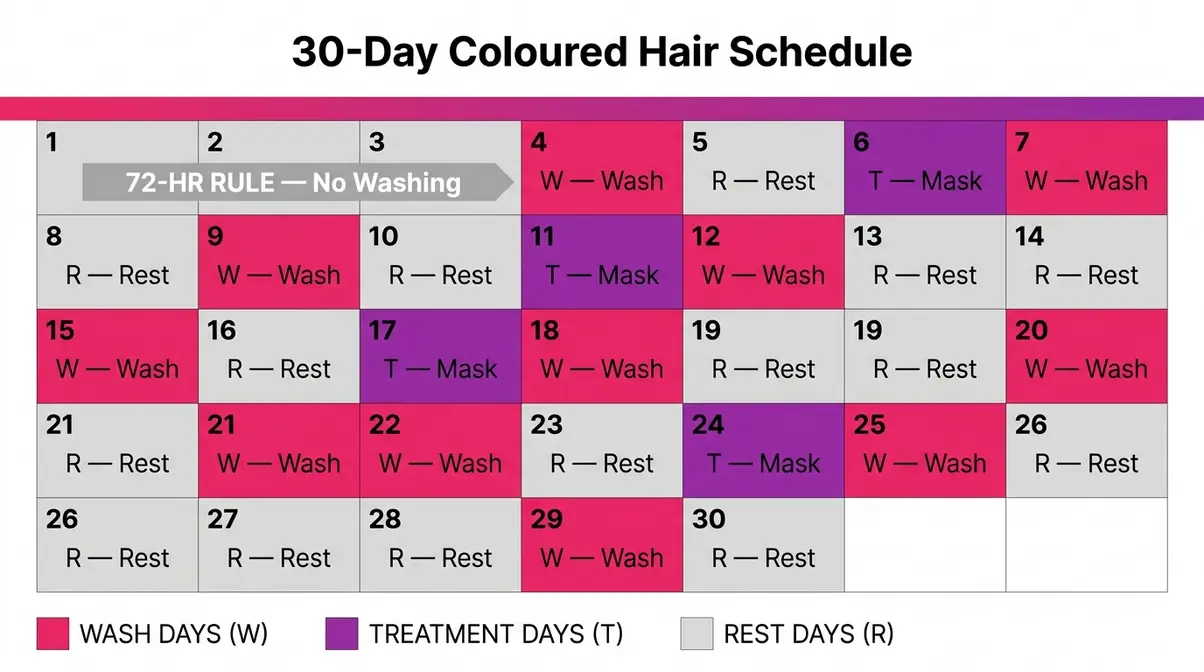
Your 30-Day Colored Hair Washing Schedule
No competitor provides this. Here is an explicit day-by-day framework for the first 30 days after coloring — the period when the most pigment loss occurs and habits are formed.
| Day Range | Wash Days | Treatment Days | Key Actions |
|---|---|---|---|
| Days 1–3 | None | Day 2: light oil on lengths | 72-hour wait; keep hair dry |
| Days 4–7 | Day 4, Day 7 | Day 6: deep conditioning mask | First wash with sulfate-free shampoo + cool rinse |
| Days 8–14 | Day 9, Day 12 | Day 11: deep conditioning mask | Establish 2–3x per week rhythm |
| Days 15–21 | Day 15, Day 18, Day 21 | Day 17: protein or moisture mask | Add color-depositing conditioner on Day 18 wash |
| Days 22–30 | Day 22, Day 25, Day 29 | Day 24: deep conditioning mask | Routine fully established; assess color vibrancy |
How to use this table: “W” days are wash days — sulfate-free shampoo, cool final rinse. Treatment days are separate from wash days where possible (applying a mask on a non-wash day maximizes absorption time). By Day 30, you should have washed approximately 10–11 times total, compared to 30 times if washing daily — a 67% reduction in color-fade events.
[INTERNAL LINK: anchor text “color-safe shampoo guide” — place here in Step 3]
Checkpoint: You should now have a clear washing schedule, know which ingredients to seek and avoid, and understand why cool water and sulfate-free formulas protect your color. Your 30-day routine has started.
Step 4: Repair and Protect Damaged Hair After Coloring
Chemical coloring — even professional, salon-quality color — causes structural changes to the hair strand. The developer that opens the cuticle to deposit color also disrupts the hair’s natural moisture balance and can weaken the protein bonds inside the cortex. Left unaddressed, this damage accelerates color fade, increases breakage, and makes hair feel dry and brittle. The Cuticle-Lock Method does not just mean sealing the cuticle after washing — it means actively restoring the strand so the cuticle has something worth sealing.
Deep Conditioning and Moisture Masks
A deep conditioning mask is not the same as your regular rinse-out conditioner. A deep conditioner (also called a hair mask or moisture mask) contains a higher concentration of conditioning agents and is designed to penetrate the cortex — not just coat the surface. For color-treated hair, weekly use is the professional standard.
How to apply a deep conditioning mask correctly:
- Shampoo first, then gently squeeze out excess water — do not rub
- Apply the mask from mid-lengths to ends (avoid the roots unless your scalp is very dry)
- Comb through with a wide-tooth comb to distribute evenly
- Cover with a shower cap and leave for 15–30 minutes — heat from your own body temperature helps the product penetrate
- Rinse with cool water to seal the cuticle after treatment
- Do not follow with a separate conditioner — the mask has already provided deep conditioning
Professional colorists at Hairstory note that consistent deep conditioning is one of the most reliable ways to lock in moisture and extend color vibrancy, particularly for hair that has been lightened or bleached before coloring.
Protein vs. Moisture: Which Treatment Does Your Hair Need?
This is one of the most important distinctions in colored hair care — and almost no beginner content addresses it. Getting it wrong can make your hair feel worse, not better.
Your hair strand is made of two things: protein (keratin, which forms the structural scaffolding) and moisture (water and lipids, which keep it flexible and soft). Chemical coloring depletes both. But applying the wrong treatment for your hair’s current state can cause problems:
- Too much protein without enough moisture = hair feels stiff, brittle, and snaps easily (“protein overload”)
- Too much moisture without enough protein = hair feels mushy, limp, and stretches excessively before breaking (“hygral fatigue”)
How to tell which your hair needs:
| Symptom | Likely Deficiency | Treatment |
|---|---|---|
| Hair feels dry, rough, lacks shine | Moisture | Hydrating mask (look for shea butter, aloe vera, glycerin) |
| Hair feels limp, mushy, stretches too much | Protein | Protein treatment (look for hydrolyzed keratin, silk amino acids) |
| Hair feels brittle AND dry | Both | Alternating: protein treatment one week, moisture mask the next |
| Hair feels healthy, just dull | Neither — focus on cuticle sealing | Color-depositing conditioner |
For most people who have recently colored (without bleaching), a moisture mask once per week is the right starting point. If you bleached before coloring, add a protein treatment every 2–3 weeks and monitor how your hair responds.
Heat Styling Rules for Color-Treated Hair
Heat styling is a direct attack on the cuticle. Flat irons, curling wands, and blow dryers all cause the cuticle to expand rapidly — and expanded cuticles lose color. Beyond color fade, repeated heat exposure breaks down the protein bonds in the cortex, making color-treated hair progressively more fragile.
Non-negotiable heat rules for color-treated hair:
- Always apply heat protectant spray before any hot tool. Apply to damp or dry hair, section by section, not just a mist over the top.
- Keep tools below 180°C (356°F) — fine or previously bleached hair should stay below 160°C (320°F). Higher temperatures do not style faster; they just cause more damage.
- Limit heat styling to 3–4 times per week maximum. Air-dry when possible.
- Never use heat on soaking-wet hair — hair is at its most structurally vulnerable when wet. Blow-dry on a low heat setting, keeping the dryer moving constantly.
[INTERNAL LINK: anchor text “heat protectant guide for colored hair” — place here in Step 4]
Checkpoint: You should now have a weekly deep conditioning routine in place, understand whether your hair needs protein or moisture (or both), and have firm heat styling limits set. Your color has the structural support it needs to stay vibrant.
Step 5: Address Hair Loss and Encourage Healthy Regrowth
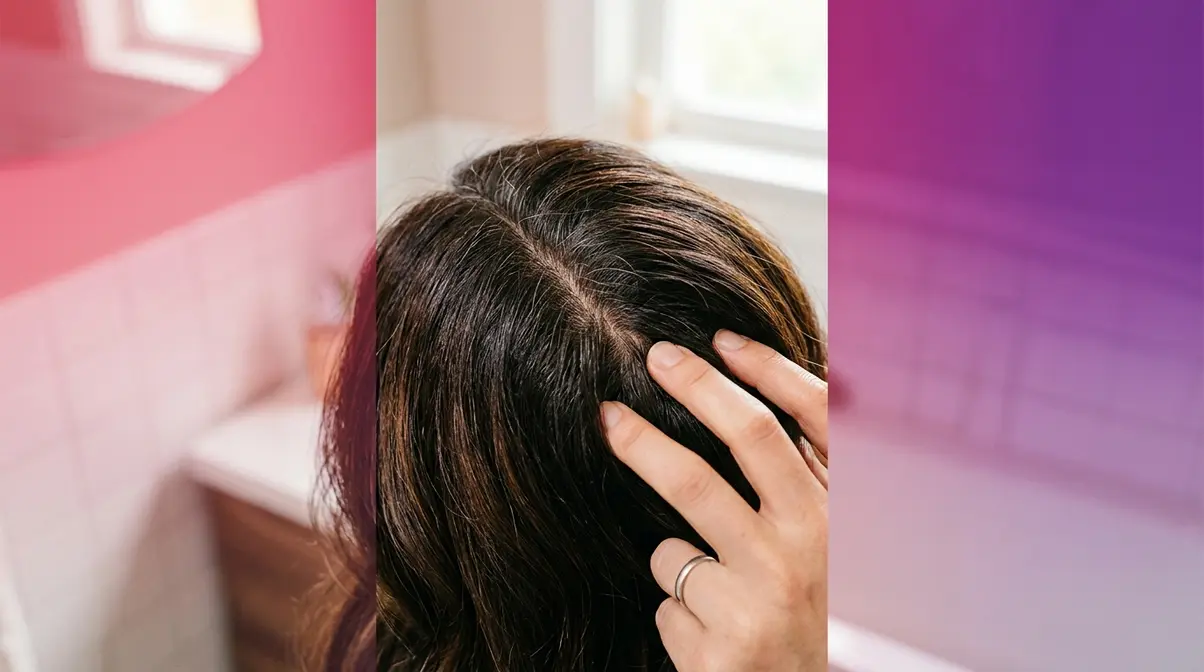
A scalp that is irritated, inflamed, or clogged cannot support healthy hair growth — and coloring adds chemical stress to an environment that may already be sensitive. This step addresses two concerns that genuinely worry many colorists: whether hair loss from dye is permanent, and how to care for the scalp to support regrowth.
Is Hair Loss from Dye Permanent? The Honest Answer
Hair loss related to hair dye is almost always temporary — but the cause matters. There are two distinct scenarios:
Scenario 1: Increased shedding after coloring. This is common and usually resolves within 4–8 weeks. The chemical process temporarily disrupts the scalp’s pH and can shift hair follicles into a brief resting phase (telogen effluvium — a temporary shedding response to physical or chemical stress). The hair follicle itself is not damaged, and regrowth occurs naturally.
Scenario 2: Breakage, not true hair loss. Much of what people interpret as hair loss from coloring is actually breakage — strands snapping off at weak points along the shaft, not falling from the root. Breakage is caused by structural damage to the cortex from over-processing, excessive heat, or aggressive brushing of wet hair. It is also reversible with consistent protein and moisture treatments.
When to be genuinely concerned: If you notice significant thinning at the scalp, bald patches, or loss that persists beyond three months after coloring, consult a dermatologist or trichologist (a hair and scalp specialist). Persistent loss may indicate an allergic reaction to dye ingredients (particularly PPD — paraphenylenediamine, a common chemical in permanent dyes) or an underlying scalp condition. According to the American Academy of Dermatology, a patch test before every new color application is the most reliable way to identify PPD sensitivity before it causes a reaction.
Scalp Care Routine to Promote Regrowth
A healthy scalp is the foundation of healthy hair color. Clogged follicles, excess sebum (natural scalp oil), and product buildup all impede the hair growth cycle and can make hair look thinner and duller at the roots.
A simple scalp care routine:
- Scalp massage during washing — use your fingertips (not nails) in small circular motions for 2–3 minutes while shampooing. This stimulates blood flow to the follicles and helps loosen buildup.
- Clarifying shampoo once every 4–6 weeks — a clarifying shampoo removes mineral buildup, product residue, and hard water deposits. Use sparingly (it opens the cuticle aggressively) and always follow with a deep conditioning mask.
- Avoid heavy silicones at the scalp — many styling products contain silicones (ingredients ending in “-cone” or “-xane”) that coat the shaft beautifully but can accumulate on the scalp over time and clog follicles.
- Eat enough protein and iron — hair is made of protein (keratin), and iron deficiency is one of the most common nutritional causes of increased shedding, particularly in women. Eggs, leafy greens, and lean meat are reliable dietary sources. As Pantene’s hair care research notes, internal nutrition directly affects the health of new growth emerging from the follicle.
[INTERNAL LINK: anchor text “scalp care routine for color-treated hair” — place here in Step 5]
Checkpoint: You should now understand that most dye-related hair loss is temporary, be able to distinguish breakage from true shedding, and have a basic scalp care routine in place to support healthy regrowth.
Step 6: Tailor Your Routine for Gray or Textured Hair
Not all hair holds color the same way. Gray hair and textured or coily hair have structural characteristics that make standard colored hair advice insufficient — and in some cases, counterproductive. This step addresses both.
Why Gray Hair Loses Color Faster (and How to Fix It)
Gray hair loses color faster for two structural reasons. First, gray strands have a smoother, more resistant cuticle that is harder for dye molecules to penetrate in the first place — meaning less pigment bonds during the coloring process. Second, gray hair lacks the melanin (natural pigment) that gives colored hair its depth and warmth, so even a small amount of fade is visually obvious against the pale background.
What helps:
- Use a color-depositing shampoo or conditioner specifically formulated for gray coverage — these deposit a small amount of direct dye with each use to fill in fade between salon visits
- Toning treatments (purple or blue-toned products) neutralize brassiness — the yellow or orange tones that emerge as gray-covering color fades and the underlying warm tones show through
- Increase deep conditioning frequency to twice per week — gray hair tends to be coarser and drier, and extra moisture helps the cuticle seal more effectively after color application
- Extend time between colorings to 8–10 weeks (rather than 6) by using color-depositing products — repeated coloring of resistant gray hair causes cumulative damage that makes future color retention worse, not better
Color Care for Textured and Coily Hair
Textured and coily hair (types 3C–4C) has a naturally elliptical cross-section and a cuticle structure that makes it inherently drier than straight hair — natural scalp oils cannot travel down the spiral shaft as easily. Chemical coloring adds further stress to an already moisture-challenged structure.
Key adaptations for textured and coily hair:
- Deep condition after every single wash — not just weekly. The moisture needs of coily color-treated hair are substantially higher than for straight hair.
- Use the LOC method (Liquid, Oil, Cream) to lock in moisture after washing: apply a water-based leave-in conditioner first, then a light oil (jojoba, avocado), then a cream-based styler. This layering approach keeps the cuticle sealed for longer.
- Detangle only when wet and conditioned — dry detangling coily hair causes significant breakage, particularly when the strand is already weakened by chemical processing.
- Protective styles (braids, twists, buns) reduce daily manipulation and minimize mechanical damage to color-treated strands between washes.
What the Hair Care Community Recommends
Across the r/HairDye community and professional hair care forums, several pieces of advice appear consistently — regardless of hair type:
- “Wash less, condition more” is the single most repeated piece of advice from experienced home colorists
- Color-depositing conditioner is widely praised as a low-effort, high-impact way to extend vibrancy — particularly for vibrant fashion colors (red, purple, blue) that fade fastest
- The cold water rinse is almost universally recommended, with many community members reporting a visible difference in shine and color depth within the first week
- Patience with gray hair — community members who color resistant gray hair consistently note that results improve after the second or third application, once the cuticle has been “trained” to accept color
Checkpoint: You should now have a routine adapted to your specific hair type — whether gray, textured, or both. Your color care plan is now fully personalized.
Common Mistakes and When to See a Professional
5 Habits That Kill Hair Color Faster
Even with good intentions, these five habits undermine everything else in this guide. Professional colorists and Vogue’s hair care coverage consistently flag these as the most damaging patterns:
- Washing hair daily — the single fastest way to accelerate color fade. Each wash is a color-fade event. Switching to 2–3 washes per week is the highest-impact change most people can make.
- Using hot water for the entire wash — many people understand the cold rinse rule but still wash with very hot water. Even if you end cold, a hot wash still opens the cuticle and allows pigment to escape during the shampoo phase. Lukewarm throughout, cold at the finish.
- Skipping heat protectant — “I only use low heat” is not sufficient protection. Any heat above 160°C (320°F) on unprotected color-treated hair causes measurable cuticle damage. Heat protectant takes 10 seconds to apply.
- Using a clarifying shampoo regularly — clarifying shampoos are designed to strip buildup by aggressively opening the cuticle. Using one weekly (or even bi-weekly) on color-treated hair is like applying a color-stripper. Reserve for once every 4–6 weeks, maximum.
- Applying protein treatments too frequently — protein overload makes hair brittle and prone to breakage. If you are using a protein mask every week on top of a protein-rich shampoo and conditioner, you are likely overdoing it. Alternate protein and moisture treatments.
When to See a Dermatologist or Colorist
Some situations genuinely require professional intervention — and recognizing them early prevents more serious damage.
- See a professional colorist if:
- Your color turns an unexpected tone (green, orange, or uneven patches) — this indicates a formulation or timing error that requires correction, not DIY troubleshooting
- Your hair is snapping off significantly at the roots or mid-shaft — this is a sign of severe over-processing that needs professional assessment before any further coloring
- You want to go significantly lighter — bleaching at home carries a high risk of irreversible damage without professional training
- See a dermatologist or trichologist if:
- You experience scalp burning, blistering, or significant itching during or after coloring — these are signs of a potential allergic reaction to dye ingredients (particularly PPD)
- You notice diffuse thinning or bald patches that persist beyond 3 months post-coloring
- Your scalp is persistently flaky, inflamed, or tender — an underlying scalp condition (seborrheic dermatitis, psoriasis) needs medical treatment before it will respond to any hair care routine
Frequently Asked Questions
What is the best way to maintain hair color?
The best way to maintain hair color is to keep the hair cuticle sealed at every stage of your wash routine. This means washing 2–3 times per week with a sulfate-free shampoo, always finishing with a cool water rinse, deep conditioning once per week, and avoiding heat styling above 180°C (356°F). Research from the National Institutes of Health confirms that alkaline products and hot water are the primary mechanical causes of color fade. Following a structured 30-day routine after coloring — as outlined in this guide — can significantly extend vibrancy compared to an unstructured approach.
How do I keep my colored hair from fading?
Colored hair fades primarily because the cuticle opens and releases pigment — so every prevention strategy targets cuticle sealing. The most impactful habits are: switching from regular to sulfate-free shampoo (sulfates are harsh detergents that strip color molecules), rinsing with cold water at the end of every wash, and waiting 72 hours before the first post-color wash. If you live in a hard water area, a shower filter that removes calcium and magnesium minerals can make a noticeable difference. Color-depositing conditioners used between washes also help refresh vibrancy without a full salon visit.
What should you not use on color-treated hair?
Avoid sodium lauryl sulfate (SLS), sodium laureth sulfate (SLES), and high-pH shampoos on color-treated hair — these are the most damaging ingredients for color longevity. Beyond shampoo, avoid: clarifying shampoos used more than once every 4–6 weeks, heat tools above 180°C without protectant spray, and heavy silicone-based products at the scalp. Salicylic acid scalp treatments (common in dandruff shampoos) should also be used with caution — see the FAQ below for a full answer on this.
Is salicylic acid okay for colored hair?
Salicylic acid scalp treatments can be used on color-treated hair, but with caution. Salicylic acid is a beta-hydroxy acid (BHA) used in many dandruff and scalp exfoliation shampoos to dissolve dead skin cells and reduce flaking. The concern for colored hair is twofold: first, many salicylic acid shampoos contain sulfates as co-ingredients, which strip color; second, the exfoliating action itself can temporarily open the cuticle. If you need scalp treatment for dandruff or seborrheic dermatitis, look for sulfate-free formulas containing salicylic acid and apply them to the scalp only — not the lengths. Dermatologists recommend spacing salicylic acid washes to once per week maximum for color-treated hair, and always following with a deep conditioning mask to reseal the cuticle. If your scalp condition is severe, consult a dermatologist before continuing to color.
What is the golden rule of hair color?
The golden rule of hair color is: protect the cuticle, and the color protects itself. Every professional recommendation — sulfate-free products, cold rinses, pH-balanced formulas, 72-hour waits — traces back to one mechanism: keeping the hair cuticle sealed so pigment molecules cannot escape. This is The Cuticle-Lock Method in practice. Follow this one principle consistently, and most other color care decisions become straightforward. Professional colorists across the industry agree that consistency in the basics — washing frequency, water temperature, product choice — matters far more than any individual “miracle” product or treatment.
Your Color, Your Commitment
Color that lasts starts with a cuticle that stays sealed. Across every step in this guide — the 72-hour wait, the sulfate-free shampoo, the cool water rinse, the weekly mask — The Cuticle-Lock Method is the thread connecting them all. Professional colorists and cosmetic chemistry research both confirm the same finding: most premature hair colour fade is preventable, and it is prevented by protecting the cuticle, not by spending more money on products.
The 30-day schedule in Step 3 is your concrete starting point. By Day 30, you will have established wash frequency, product habits, and conditioning routines that your color can rely on. Many people notice a visible difference in vibrancy and shine within the first two weeks simply by switching to sulfate-free shampoo and ending washes with cold water — two changes that cost nothing extra.
Start today: identify one habit from this guide you can change immediately — whether that is switching your shampoo, lowering your water temperature, or scheduling your next deep conditioning treatment. Give it 30 days. Your color will show the difference.

Dave King
Writes evidence-based hair-care guides for Care About Your Hair — for every hair type, jargon-free and independent.