
Table of Contents
- Introduction to Type 3B Hair
- Decoding the Biology of 3B Hair
- Building the Perfect 3B Hair Care Routine
- Ingredients to Look For and Avoid
- Styling Techniques for Maximum Definition
- Managing Common 3B Hair Challenges
- Recovering from Heat and Chemical Damage
- Lifestyle and Seasonal Adjustments
- Styling Inspiration for 3B Hair
- Conclusion: Embracing Your 3B Journey
- Frequently Asked Questions
This blog post may contain affiliate links. As an Amazon Associate I earn from qualifying purchases.
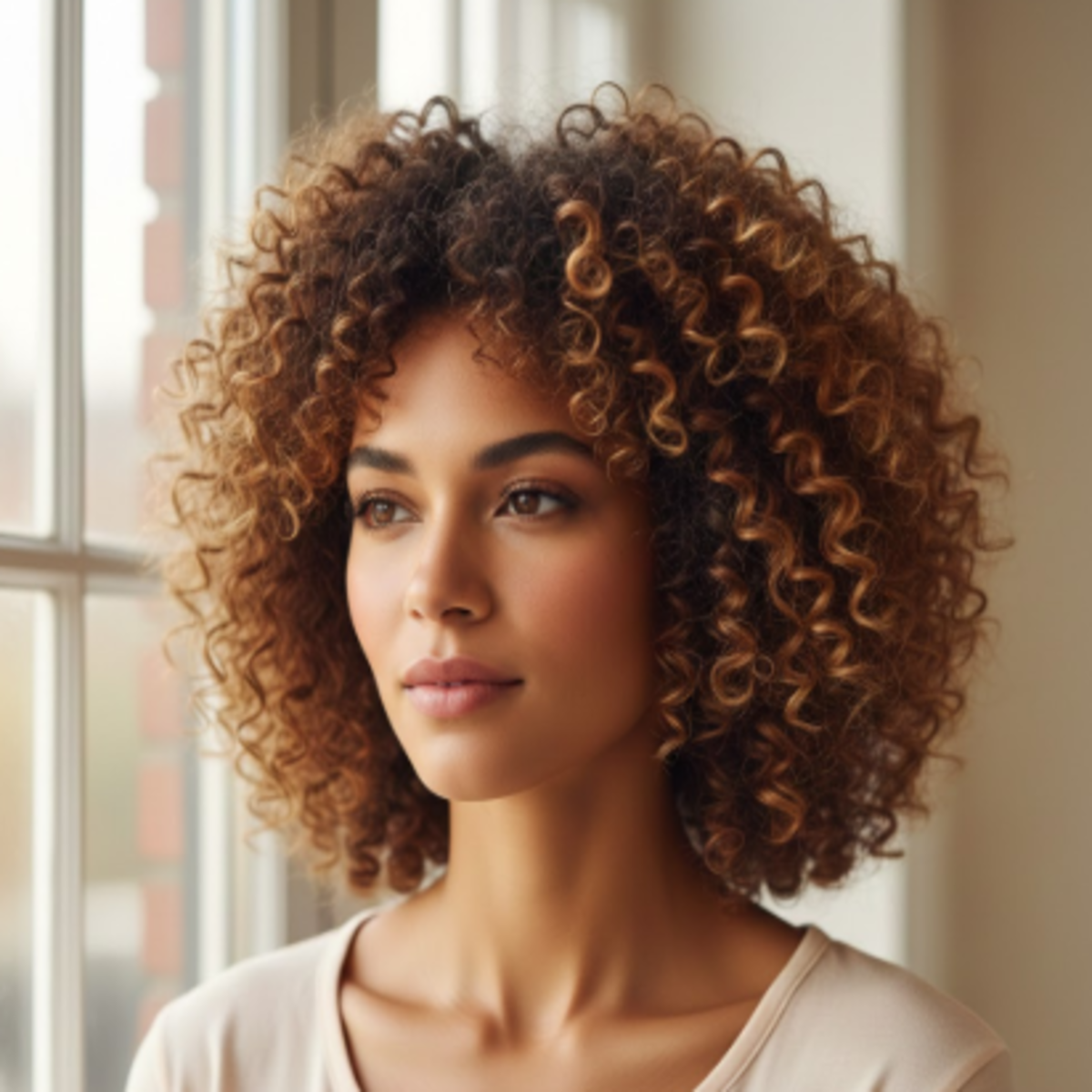
Your 3B curls are a stunning display of natural beauty, defined by springy, voluminous spirals that demand attention and deserve specialized care. Understanding your unique curl pattern is the first step toward achieving consistently defined, healthy, and frizz-free hair. This comprehensive guide covers everything you need to know about identifying, nurturing, and styling 3B hair with confidence and expertise.
Introduction to Type 3B Hair
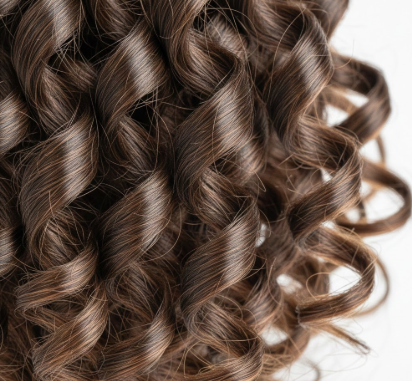
Type 3B hair represents one of the most distinctive and celebrated textures in the curly hair spectrum. With bouncy, well-defined spirals that range from the circumference of a Sharpie marker to that of your finger, this curl pattern combines volume, movement, and personality in equal measure. However, its beauty comes with specific care requirements that differ significantly from other hair types.
Understanding the 3B Curl Pattern
The 3B curl pattern sits at a fascinating intersection within the Type 3 family, offering a blend of defined ringlets and substantial volume that many find enviable yet challenging to maintain.
Distinguishing Characteristics of 3B Hair
Your 3B curls typically form tight, springy spirals with a circumference roughly the size of a marker or your index finger. These curls emerge from the root with noticeable lift and maintain their spiral pattern throughout the length of the strand. Unlike looser curl types, 3B hair exhibits significant shrinkage, often appearing 25 to 50 percent shorter than its actual stretched length.
The texture of 3B hair tends toward medium density with a combination of strand widths. You might notice that your hair appears voluminous even when wet, and individual curls tend to clump together naturally when properly hydrated. This clumping behavior is actually one of the hallmarks of healthy 3B hair and something worth encouraging through proper technique.
The Spectrum of the Type 3 Hair Family
Within the Type 3 classification, hair patterns range from the loose, beachy waves of 3A to the tight corkscrews approaching Type 4 territory in 3C. Your 3B curls occupy the middle ground, exhibiting more definition and tightness than 3A while maintaining more distinct individual curls than the densely packed 3C pattern.
Understanding where your hair falls on this spectrum helps you make informed decisions about products and techniques. Many people discover they have multiple curl patterns on their head, with tighter curls at the nape and looser patterns near the crown. This variation is completely normal and simply requires adapting your approach to different sections.
Why 3B Hair Requires a Specialized Approach
The unique structure of 3B curls creates specific challenges that generic hair care advice simply cannot address. The bends and curves along each strand create natural weak points where moisture escapes and breakage can occur. Additionally, the sebum produced by your scalp struggles to travel down the twisted path of each curl, leaving ends perpetually thirsty for hydration.
This specialized structure means that techniques perfect for straight or wavy hair can actually damage 3B curls. Vigorous towel drying, excessive heat styling, and harsh sulfate shampoos all pose particular risks to the integrity of your spiral pattern.
The Importance of Embracing Natural Texture and Volume
Working with your natural curl pattern rather than against it transforms your hair care experience from frustrating to fulfilling. When you understand that volume and shrinkage are features, not flaws, you begin to appreciate the full expression of healthy 3B hair.
Many people with 3B curls spent years fighting their natural texture through straightening, relaxers, or other heat-intensive methods. The natural hair movement has helped countless individuals rediscover the beauty of their authentic curl pattern. At Care About Your Hair, we believe that understanding and celebrating your natural texture is the foundation of truly effective hair care.
Decoding the Biology of 3B Hair
The science behind your curl pattern explains not only why your hair behaves the way it does but also why certain products and techniques work better than others.
Visual Identification and Texture Analysis
Before developing an effective care routine, you need to confirm your curl pattern through careful observation and simple testing methods.
The Sharpie Test and Curl Circumference
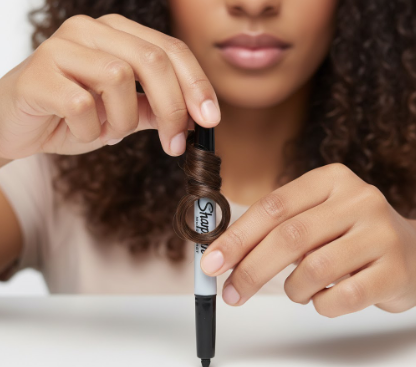
The most reliable way to identify 3B curls involves comparing your natural curl diameter to common household objects. Take a freshly washed, product-free section of hair and allow it to dry naturally without manipulation. Once dry, wrap a single curl around a Sharpie marker or your finger.
If the curl wraps snugly with minimal overlap, you likely have 3B hair. Curls that form looser wraps around larger objects like wine corks suggest 3A, while those tighter than a pencil indicate 3C territory. This simple test provides a baseline for understanding your dominant curl pattern.
Spirals vs Ringlets
Within the 3B category, you will notice two primary curl formations. Spirals wind around themselves in a corkscrew fashion, creating the classic 3B look with consistent rotation from root to tip. Ringlets, on the other hand, form more tube-like curls that may appear slightly more uniform.
Most 3B heads display a combination of both formations, with spirals more common in areas with greater density and ringlets appearing where hair grows more sparsely. Neither formation is better than the other; both represent healthy 3B curl expression.
Volume and Root Lift Characteristics
One of the most distinctive features of 3B hair is its natural volume and root lift. Unlike straighter textures that lie flat against the scalp, 3B curls begin their spiral pattern close to the root, creating an elevated, full appearance from the very base of the hair.
This root lift becomes even more pronounced as hair length increases, as the weight of longer curls does not typically straighten out the pattern as dramatically as it might with looser curl types. Understanding this characteristic helps you set realistic expectations for styling and product application.
Common Variations Within a Single Head of Hair
Nearly everyone with curly hair experiences multiple texture zones across their scalp. The hair at your temples might form looser waves while your crown produces tight spirals. The nape of your neck often displays the tightest curl pattern of all.
Rather than viewing these variations as inconsistencies to correct, embrace them as part of your unique curl signature. Effective 3B care acknowledges these differences and adapts techniques accordingly.
The Science of the 3B Follicle
The shape and behavior of your hair follicles determine everything about your curl pattern, from the tightness of each spiral to how your hair responds to humidity.
Oval-Shaped Follicles and Asymmetric Growth
Straight hair emerges from round follicles, while curly hair grows from oval or elliptical follicles. The more oval the follicle, the tighter the resulting curl. Your 3B follicles produce asymmetric growth, meaning one side of each strand grows slightly faster than the other, creating the signature spiral pattern.
This asymmetric growth happens at the cellular level as your hair emerges from the scalp. The protein structures that form each strand develop unevenly, building in the curve that defines your curls. This is why no amount of brushing or straightening can permanently alter your natural pattern; the curl is literally built into each strand from the moment it begins growing.
The Role of Disulfide Bonds in 3B Structure
The chemical bonds within your hair shaft determine its strength and shape. Disulfide bonds, formed between sulfur atoms in adjacent protein chains, are the strongest bonds in your hair structure. These bonds lock your curl pattern in place and give 3B hair its characteristic springiness.
When you apply heat or chemical relaxers, you temporarily or permanently break these disulfide bonds, allowing the hair to be reshaped. This is why heat-damaged 3B hair often displays a looser, less defined pattern. The disulfide bonds that maintained the tight spiral have been compromised.
Cuticle Behavior and Light Reflection
The cuticle layer of each hair strand consists of overlapping scales that protect the inner cortex. In 3B hair, these scales often lift slightly at the curve points of each spiral, creating a rougher surface texture than straight hair. This lifted cuticle structure explains why curly hair tends to appear less shiny than straight hair, even when perfectly healthy.
Light reflects uniformly off smooth, flat cuticles, creating the mirror-like shine associated with straight hair. On curly hair, light bounces in multiple directions, creating a softer, more diffused sheen. Proper conditioning helps smooth these cuticle scales, enhancing your curl’s natural luster.
Why 3B Hair Is Prone to Dryness and Breakage
The very structure that makes 3B hair beautiful also creates vulnerability. Each bend in your curl represents a potential weak point where the cuticle lifts and moisture escapes. Additionally, the spiral pattern creates friction between adjacent curls, leading to tangling and potential breakage during detangling.
Your scalp produces sebum, natural oil designed to moisturize your hair. In straight hair, this sebum travels easily from root to tip. In 3B curls, the oil encounters obstacle after obstacle, rarely reaching the ends that need it most. This natural limitation makes external moisture essential for healthy 3B hair.
Beyond the Pattern: Porosity, Density, and Width
While curl pattern receives the most attention, understanding your hair’s porosity, density, and strand width is equally crucial for selecting appropriate products and techniques.
Why Curl Pattern Is Only Half the Battle
Two people with identical 3B curl patterns might have completely different product needs based on their porosity and strand characteristics. One might thrive with heavy butters and oils while the other finds those same products leave their hair limp and greasy.
This explains why product recommendations from friends with similar curl patterns sometimes fail spectacularly. Your hair’s ability to absorb and retain moisture, combined with the thickness of individual strands, determines which formulations actually benefit your curls.
Understanding Low vs High Porosity in 3B Hair
Porosity describes how readily your hair absorbs and retains moisture. Low porosity hair has tightly closed cuticle scales that resist moisture penetration. Products tend to sit on the surface, creating buildup without actually hydrating the strand. High porosity hair has cuticle damage or naturally raised scales that absorb moisture quickly but struggle to retain it.
Low porosity 3B hair benefits from lighter products, gentle heat during deep conditioning, and clarifying treatments to remove buildup. High porosity 3B hair needs heavier, more occlusive products that seal in moisture and repair cuticle damage.
Fine, Medium, and Coarse Strand Width Explained
Strand width refers to the diameter of individual hairs, not to be confused with density, which describes how many hairs grow from your scalp. Fine 3B hair has narrow individual strands that can become easily weighed down by heavy products. Coarse 3B hair has thick strands that can handle richer formulations without losing volume.
To determine your strand width, pluck a single shed hair and compare it to a piece of sewing thread. If your hair is thinner than the thread, you have fine strands. Similar width indicates medium strands, while thicker than thread suggests coarse hair.
Hair Density and Its Impact on Product Selection
Density describes the number of individual hair strands growing from your scalp. High density hair appears thick and full, while low density hair shows more scalp, particularly when wet. Your density affects how much product you need and how you should apply it.
High density 3B hair often requires sectioning during product application to ensure every strand receives coverage. Low density 3B hair benefits from volumizing techniques and lighter products that will not weigh down the existing curls.
How to Test Your Hair Porosity at Home
The float test provides a quick porosity assessment. Take several clean, product-free shed hairs and drop them into a glass of room temperature water. Watch their behavior over two to three minutes.
Low porosity hair floats on the surface, resisting water absorption. Normal porosity hair floats initially then slowly sinks. High porosity hair sinks immediately, absorbing water rapidly. While not perfectly scientific, this test gives you a baseline understanding of your hair’s moisture absorption patterns.
Differentiating 3B from Neighbors: 3A and 3C
Understanding the boundaries between curl types helps you select appropriate advice and products while appreciating the unique characteristics of your specific pattern.
3B vs 3A: The Tightness of the Curl
The primary distinction between 3A and 3B lies in curl diameter and volume. 3A curls form loose, flowing spirals approximately the circumference of sidewalk chalk or a thick marker. These curls tend to lie flatter against the head with less root lift.
3B curls, in contrast, form tighter spirals with more spring and elasticity. Where 3A hair might stretch to nearly its full length with minimal resistance, 3B curls bounce back quickly, demonstrating their coiled tension. 3B also typically displays more volume and less elongation when dry.
3B vs 3C: The Volume and Corkscrew Distinction
Moving toward 3C, curls become tighter, denser, and more corkscrew-like. While 3B curls maintain individual definition with clear separation between spirals, 3C curls often pack so tightly together that individual curl clumps become less distinct.
3C hair typically exhibits even more shrinkage than 3B, sometimes appearing less than half its stretched length. The curl pattern in 3C also tends toward more uniform tightness throughout the head, while 3B often shows greater variation between sections.
Navigating In-Between Textures
Many people find their hair does not fit neatly into a single category. You might have 3A curls at your temples, 3B throughout your crown, and approaching 3C at your nape. This multi-textured reality is far more common than having a single uniform pattern.
Rather than forcing yourself into one category, acknowledge your hair’s diversity. Apply lighter products to looser sections and richer formulations where curls are tightest. This customized approach produces better results than treating all sections identically.
How to Treat Multi-Textured Hair
Effective multi-texture care requires sectioning your hair based on curl pattern and adjusting your technique for each zone. You might use the same products throughout but apply them more heavily to tighter sections or use additional sealing techniques where needed.
Pay attention to how different sections respond to various products and methods. Over time, you will develop an intuitive understanding of what each area of your head requires for optimal definition and moisture.
Building the Perfect 3B Hair Care Routine
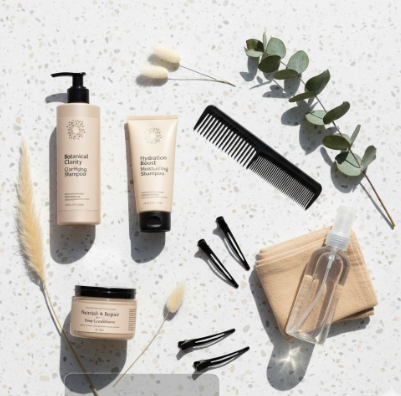
A consistent, well-designed routine forms the foundation of healthy 3B curls. Understanding the purpose behind each step helps you customize your approach for maximum effectiveness.
Wash Day Fundamentals
Wash day sets the stage for how your curls will behave until your next cleanse. Getting this foundational step right makes everything else easier.
Determining the Ideal Wash Frequency
There is no universal answer to how often you should wash 3B hair. Factors including scalp oiliness, product usage, physical activity, and environmental exposure all influence your ideal frequency. Most people with 3B hair find that washing once or twice weekly maintains both scalp health and curl hydration.
Washing too frequently strips natural oils and leads to dryness and frizz. Washing too infrequently allows product buildup and can cause scalp irritation or curl pattern disruption. Pay attention to how your hair and scalp feel to find your personal sweet spot.
Clarifying vs Moisturizing Shampoos
Your shampoo selection should rotate based on your hair’s current needs. Clarifying shampoos contain stronger surfactants that remove product buildup, mineral deposits, and excess oil. Use these monthly or whenever your curls feel weighed down or coated.
Moisturizing shampoos use gentler cleansing agents that clean without stripping. These become your weekly workhorses, removing dirt and sweat while preserving essential moisture. Look for sulfate-free formulations that cleanse effectively without disrupting your curl pattern.
The Role of Co-Washing in Maintaining Hydration
Co-washing, or washing with conditioner only, offers a gentle cleansing alternative for 3B curls between regular shampoo sessions. Conditioners contain mild surfactants that can lift light dirt and oil without the stripping effect of traditional shampoos.
This technique works particularly well for high porosity 3B hair that struggles to retain moisture. However, co-washing alone cannot replace periodic clarifying, as conditioner ingredients can build up over time. Use co-washing as a supplemental technique rather than a complete shampoo replacement.
Managing Hard Water Buildup and Chelation
If you live in an area with hard water, mineral deposits can accumulate on your hair, leaving it feeling stiff, looking dull, and responding poorly to products. These minerals, primarily calcium and magnesium, create a coating that blocks moisture absorption.
Chelating shampoos contain ingredients that bind to these minerals and remove them from your hair. If you notice your regular products suddenly seem less effective, hard water buildup might be the culprit. A monthly chelating treatment can restore your hair’s responsiveness to your normal routine.
The Art of Detangling
Proper detangling prevents breakage while encouraging curl clump formation. This often-overlooked step can make or break your styling results.
Wet Detangling vs Dry Detangling
The wet versus dry detangling debate has passionate advocates on both sides. Wet detangling, performed on conditioner-soaked hair, offers maximum slip and minimizes friction-related breakage. The conditioner lubricates each strand, allowing knots to release with less force.
Dry detangling, done before wetting hair, prevents the stretching that occurs when wet hair is manipulated. Wet hair is more elastic and vulnerable to mechanical damage. Some people find a hybrid approach works best, doing initial detangling on dry hair then refining with conditioner in the shower.
Using Slip to Prevent Mechanical Damage
Slip refers to the slippery quality that allows a product to reduce friction between hair strands. High-slip conditioners make detangling significantly easier and gentler. Look for products containing ingredients like behentrimonium methosulfate, cetearyl alcohol, or glycerin that enhance slip.
Never attempt to detangle dry 3B hair without added slip, as the friction between strands will cause significant breakage. Even a spray bottle of water mixed with leave-in conditioner can provide enough lubrication for emergency detangling between wash days.
Tools of the Trade: Wide-Tooth Combs vs Detangling Brushes
Your choice of detangling tool affects both the process and results. Wide-tooth combs work well for initial detangling, gently separating major tangles without disrupting curl clumps. The widely spaced teeth glide through hair without catching on curls.
Detangling brushes, like the Denman or flexible bristle designs, offer more thorough detangling and can help define curl clumps during styling. However, improper use can cause breakage and frizz. Always work from ends toward roots, using short strokes and releasing tangles gradually.
Finger Detangling Techniques for Preservation
Many curly hair enthusiasts consider finger detangling the gentlest possible method. Using only your fingers allows you to feel each tangle and work it apart with minimal force. This technique also preserves natural curl clumps that tools might separate.
To finger detangle effectively, saturate hair with conditioner and work through small sections. Use your fingers like a wide-tooth comb, starting at the ends and gradually working upward. When you encounter a knot, gently work it apart rather than pulling through.
Deep Conditioning and Protein-Moisture Balance
Deep conditioning is non-negotiable for healthy 3B hair. Understanding the relationship between moisture and protein helps you maintain optimal curl health.
The Non-Negotiable Need for Deep Conditioning
Weekly deep conditioning treatments replenish the moisture that 3B hair constantly loses through its naturally raised cuticle structure. These intensive treatments penetrate deeper than regular conditioners, providing lasting hydration that regular conditioning cannot match.
Apply deep conditioner to clean, damp hair and allow it to penetrate for the recommended time, typically 15 to 30 minutes. For enhanced penetration, especially with low porosity hair, apply gentle heat using a hooded dryer, steamer, or plastic cap with a warm towel.
For those looking to strengthen their strands, exploring Hair Care Protein Treatments can help restore elasticity and prevent breakage when balanced appropriately with moisturizing treatments.
Identifying Signs of Moisture Overload (Hygral Fatigue)
Yes, there is such a thing as too much moisture. Hygral fatigue occurs when hair absorbs excessive water repeatedly, stretching and weakening the internal bonds. Signs include limp, lifeless curls that lack spring and definition, gummy texture when wet, and increased breakage.
If you suspect moisture overload, incorporate protein treatments to strengthen the hair structure. Reduce deep conditioning frequency temporarily and focus on lighter, leave-in products until your curls regain their bounce.
Identifying Signs of Protein Deficiency
Protein-deficient hair lacks structural integrity. Signs include excessive stretching without returning to shape, mushy texture when wet, and difficulty holding curl definition. Hair might feel overly soft yet break easily.
Address protein deficiency with regular protein treatments, starting with lighter options and progressing to stronger formulations if needed. Monitor your hair’s response carefully, as overcorrection leads to protein overload, characterized by dry, brittle strands.
How to Create a Balanced Schedule for 3B Curls
Most 3B hair thrives on a schedule that alternates moisture and protein treatments. A common approach includes weekly deep conditioning with a monthly protein treatment, adjusted based on your hair’s current state.
Pay attention to how your curls respond after each treatment. If they feel strong and bouncy with good definition, your balance is correct. Adjust frequency and intensity based on seasonal changes, styling practices, and any chemical or heat exposure.
Ingredients to Look For and Avoid
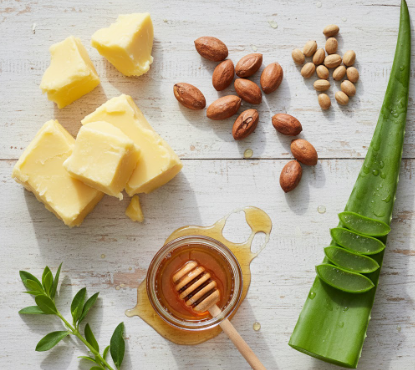
Product ingredient literacy empowers you to make informed choices rather than relying on marketing claims or trial and error.
Best Ingredients for 3B Hydration and Definition
Certain ingredient categories consistently benefit 3B curls, and understanding their mechanisms helps you identify effective products.
Humectants: Glycerin, Aloe Vera, Honey
Humectants attract and hold water molecules, drawing moisture from the environment into your hair. Glycerin is the most common humectant in curly hair products, providing lightweight hydration without heaviness. Aloe vera offers humectant properties along with soothing benefits for the scalp. Honey provides gentle hold alongside moisture attraction.
However, humectants behave differently in various humidity levels. In very humid conditions, they can draw too much moisture into the hair, causing swelling and frizz. In very dry conditions, they might actually pull moisture from your hair into the air. Choose humectant-based products appropriate for your climate.
Emollients: Shea Butter, Argan Oil, Jojoba Oil
Emollients soften and smooth the hair cuticle, reducing friction between strands and enhancing shine. Shea butter provides rich moisture and helps seal the cuticle, making it excellent for high porosity or coarse 3B hair. Argan oil offers lightweight conditioning with antioxidant benefits. Jojoba oil closely mimics natural sebum, making it universally compatible.
The key with emollients is matching weight to your hair type. Fine or low porosity 3B hair needs lighter options like jojoba or argan oil. Coarse or high porosity 3B hair can handle richer options like shea butter or castor oil without becoming weighed down.
Hydrolyzed Proteins for Structural Support
Proteins strengthen your hair by temporarily filling gaps in the cuticle layer and reinforcing the internal cortex. Hydrolyzed proteins have been broken down into smaller molecules that can penetrate the hair shaft more easily.
Look for hydrolyzed keratin, silk protein, or wheat protein in your products. These ingredients provide structural support without the stiffness associated with larger protein molecules. Use protein-containing products regularly if your 3B hair is color-treated, heat-styled, or otherwise processed.
Film-Forming Humectants for Humidity Control
Film-forming humectants create a light barrier on the hair surface that helps regulate moisture exchange with the environment. Ingredients like polyquaternium compounds and certain natural gums provide this protective function while still allowing some moisture movement.
These ingredients prove particularly valuable for 3B hair in humid climates, where standard humectants might cause frizz. Look for them in finishing products designed for frizz control and definition.
Ingredients to Use with Caution
Some commonly used ingredients can create problems for 3B hair when used excessively or without understanding their effects.
Sulfates and Their Stripping Effects
Sulfates are powerful surfactants that produce rich lather and thoroughly remove oil and buildup. Common sulfates include sodium lauryl sulfate and sodium laureth sulfate. While effective cleaners, they can strip too much natural oil from already-dry 3B hair.
Reserve sulfate shampoos for occasional clarifying treatments when gentler cleansers cannot remove stubborn buildup. For regular washing, opt for sulfate-free formulations that clean effectively without over-stripping.
Drying Alcohols: Isopropyl, Propanol
Not all alcohols are problematic, but certain short-chain alcohols can dry out 3B curls. Isopropyl alcohol, propanol, and alcohol denat evaporate quickly and can take moisture with them. These often appear in products designed for quick drying or in lower-quality formulations.
Fatty alcohols like cetyl alcohol and cetearyl alcohol are actually beneficial, providing conditioning and helping products spread evenly. Read labels carefully and do not automatically avoid all alcohol-containing products.
Non-Water-Soluble Silicones and Buildup Risks
Silicones create a smooth coating on the hair surface that enhances shine and reduces friction. However, non-water-soluble silicones, including dimethicone and cyclomethicone, can accumulate with repeated use, blocking moisture penetration and dulling your curls.
If you use silicone-containing products, ensure you periodically clarify to remove buildup. Alternatively, choose products with water-soluble silicones that rinse clean with regular washing.
Heavy Waxes That Weigh Down Bouncy Curls
Waxes provide hold and definition but can also weigh down the natural bounce of 3B curls. Heavy waxes like beeswax or microcrystalline wax may be too occlusive for fine or low porosity 3B hair, leading to limp, lifeless curls.
Use wax-based products sparingly and only on hair types that can handle the weight. For most 3B hair, lighter holding agents provide definition without sacrificing volume.
Styling Techniques for Maximum Definition
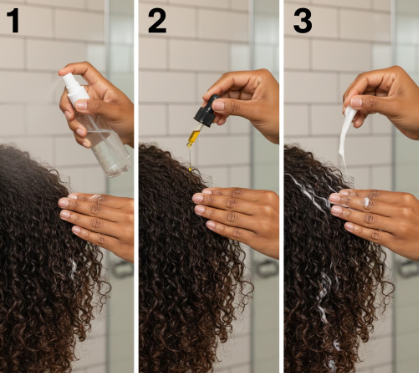
Your application method often matters as much as the products you choose. Mastering these techniques transforms average results into stunning definition.
The LOC vs LCO Method
These layering systems ensure thorough moisture and product distribution for lasting hydration and definition.
Liquid: Leave-In Conditioner Importance
Both methods begin with liquid, typically water or a water-based leave-in conditioner. This initial layer hydrates the hair shaft, preparing it to receive subsequent products. Never skip this step, as applying oils or creams to dry hair simply coats the surface without addressing internal moisture needs.
Spray bottles make water application easy and even. Follow with a lightweight leave-in conditioner that adds moisture and detangling benefits without heaviness.
Oil: Sealing in the Moisture
Oil creates a protective barrier that slows moisture loss from the hair shaft. In the LOC method, oil comes second, sealing in the water and leave-in before cream application. Common sealing oils include jojoba, sweet almond, grapeseed, and argan oil.
Use only a small amount of oil, focusing on mid-lengths and ends where dryness concentrates. Too much oil weighs down curls and creates a greasy appearance.
Cream: Styling for Hold and Definition
Styling creams provide hold, definition, and often additional moisture. These products help curl clumps form and maintain their shape throughout the day. Choose cream weight based on your hair type: lightweight for fine or low porosity hair, richer for coarse or high porosity hair.
Apply cream using techniques that encourage clump formation without disturbing the curl pattern. Scrunch upward to enhance definition and volume.
Deciding Which Order Works Best for Your Porosity
Low porosity hair often responds better to the LCO method, where cream comes before oil. The cream helps open the cuticle slightly, allowing moisture in, while the oil then seals everything in place. High porosity hair typically prefers LOC, as the oil helps prevent the porous cuticle from releasing moisture before the cream can lock in definition.
Experiment with both methods to determine which produces better results for your specific hair. You might even find that different sections of your hair respond better to different approaches.
Application Methods for Clump Formation
How you apply products significantly impacts your final curl definition and clump size.
Praying Hands Method
The praying hands technique involves smoothing product between your palms, then sandwiching a section of hair between your hands and gliding from root to tip. This method provides even distribution and helps create smooth, elongated curl clumps.
This technique works particularly well for applying cream products and achieving sleeker, more defined curls with less volume. It is gentler than scrunching and helps smooth the cuticle.
Raking and Shingling
Raking involves running your fingers through sections of hair from root to tip, like a wide-tooth comb. This ensures thorough product distribution and helps separate and define individual curl clumps. Shingling takes this further by twirling each small section around your finger to create defined ringlets.
These methods are time-intensive but produce maximum definition. They work well for those who want very defined, separated curls rather than larger, fluffier clumps.
The Scrunching Technique to Encourage Bounce
Scrunching involves cupping sections of hair in your palms and pressing upward toward your scalp, then releasing. This motion encourages curl formation and adds volume. Apply products using praying hands first, then scrunch to enhance bounce and definition.
Scrunch gently to avoid creating frizz. The goal is encouraging your natural curl pattern, not forcing hair into shapes it does not want to form.
Pulse Scrunching for Volume
Pulse scrunching takes the technique further by holding the scrunched position for several seconds before releasing. This gives curls time to set in their compressed position, enhancing volume and bounce when released.
Use this technique after applying styling products and periodically during drying to maintain volume as curls form. It is particularly effective when diffusing or plopping.
Drying Techniques
How you dry your 3B hair affects everything from frizz levels to volume to curl definition.
Air Drying Pros and Cons
Air drying is the gentlest option, avoiding all heat exposure and allowing curls to form naturally. However, extended dry time can lead to hygral fatigue in some hair types and leaves hair vulnerable to disruption during the lengthy drying process.
For best air drying results, avoid touching your hair until completely dry. Any manipulation while drying creates frizz and disrupts curl formation. Consider clipping sections away from your scalp to add volume as hair dries.
The Plopping Method: T-Shirt vs Microfiber Towel
Plopping involves wrapping freshly styled hair in a T-shirt or microfiber towel to encourage curl formation while removing excess water. The fabric gently compresses curls, enhancing their spring pattern while absorbing moisture without the frizz-causing friction of regular towels.
Cotton T-shirts work well for most 3B hair, offering smooth surface and good absorption. Microfiber towels absorb more water and dry faster but can create frizz for some curl types. Experiment to find which works better for your hair.
Diffusing for Volume and Shrinkage Control
Diffusing uses a special hair dryer attachment that disperses airflow, drying curls without disrupting their pattern. This technique adds volume, speeds drying time, and allows you to stretch curls slightly, reducing shrinkage.
Use medium heat and low speed for best results. Cup sections in the diffuser and bring it to your head rather than moving it around on your hair. Allow each section to set before moving to the next.
Root Clipping for Lifting Flat Roots
Root clips lift hair at the scalp while drying, preventing flat roots and enhancing overall volume. Place clips at the root, lifting sections away from the scalp, and leave in place until hair is completely dry.
Strategic clip placement creates customizable volume and lift. Focus on areas that tend to go flat, typically the crown and around the hairline.
Managing Common 3B Hair Challenges
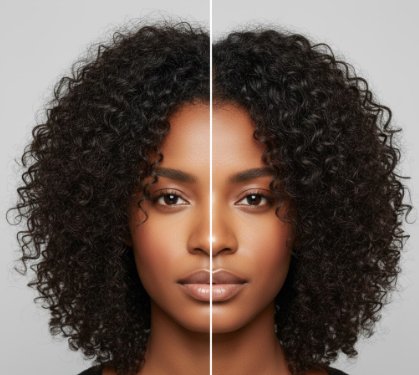
Understanding how to address typical 3B struggles transforms frustrating hair days into manageable situations.
Combatting Frizz and Flyaways
Frizz is perhaps the most common complaint among 3B hair owners, but understanding its causes enables effective prevention.
Understanding the Dew Point and Humidity
The dew point, rather than relative humidity, most accurately predicts how your hair will react to weather conditions. Dew points between 40 and 60 degrees Fahrenheit typically produce the best curl behavior for most 3B hair. Below 40 degrees, hair may become dry and static-prone. Above 60 degrees, frizz and swelling become more likely.
Adjust your product selection based on dew point conditions. Use anti-humectant products in high dew point conditions and more moisturizing formulations when the dew point is low.
Refreshing Curls Without Creating Frizz
Reviving second or third day curls without adding frizz requires a gentle touch. Rather than rewetting entire sections, spritz lightly with a water and conditioner mixture and scrunch gently. Focus on flattened or frizzy areas rather than disturbing well-formed curls.
Some people find that steam refreshing works better than water sprays. Hold your hair near steam from a kettle or shower, then scrunch and style as needed.
The Role of Satin and Silk in Frizz Prevention
Cotton pillowcases and towels create friction against your curls, lifting the cuticle and causing frizz. Satin or silk alternatives provide smooth surfaces that allow curls to glide without disruption.
Satin pillowcases and bonnets are particularly important for overnight protection. These small investments significantly reduce next-day frizz and help maintain curl definition while you sleep.
Dealing with Shrinkage
Shrinkage is a natural characteristic of healthy curly hair, though it can sometimes feel frustrating when you want your length to show.
Why Shrinkage Is a Sign of Health
When 3B curls spring back to their natural state, demonstrating significant shrinkage, this indicates good elasticity and healthy protein structure. Damaged hair often shows reduced shrinkage because the internal bonds that create springiness have been compromised.
Embrace shrinkage as evidence of your hair’s strength and vitality. Your stretched length is still there; your curls are simply expressing their natural pattern fully.
Stretching Techniques Without Heat
Several methods elongate curls without heat damage. African threading involves wrapping thread around sections from root to tip while wet, creating stretched curls as hair dries. Banding uses multiple small hair ties placed along the length to prevent shrinkage during drying.
Twists and braids, installed on wet hair and allowed to dry completely, also produce stretched results. The tightness of twists or braids affects how much stretch you achieve.
Banding and Braiding for Length Retention
Beyond shrinkage management, these techniques protect ends from friction damage and tangling, promoting length retention. Keeping hair in stretched protective styles reduces single strand knots and breakage that can make 3B hair appear shorter over time.
Alternate between wearing your natural curl pattern and stretched styles to enjoy the best of both expressions.
Sleeping with 3B Curls
Nighttime protection preserves your styling efforts and reduces morning refresh time.
The Pineapple Method
The pineapple involves gathering all your hair into a very loose, high ponytail using a satin scrunchie or soft hair tie. This position prevents curls from being crushed while sleeping and maintains volume at the roots.
For very long 3B hair, you might need multiple pineapples, gathering hair in two or three sections across the top of your head. The key is keeping the ponytail loose enough that curls are not bent or stretched.
Satin Bonnets and Scarves
Satin bonnets completely enclose your hair, protecting every strand from friction during sleep. Choose bonnets with elastic that is not too tight, as overly snug elastic can flatten your hairline and leave marks.
Satin scarves offer similar protection with more flexibility in how you wrap them. Some people prefer scarves because they can adjust the wrap to accommodate their preferred sleeping position.
Refreshing 3B Hair in the Morning: Day 2 and Day 3 Hair
With proper overnight protection, morning refreshing can be minimal. Shake out the pineapple gently, scrunch any flattened sections, and consider adding a light oil or serum for added moisture and shine.
If certain areas need more attention, spritz them lightly with water and leave-in mixture, scrunch, and allow to air dry or diffuse quickly. The goal is reviving your existing style, not starting from scratch.
Preserving Definition Overnight
For maximum preservation, some people prefer medusa clipping, using numerous small clips to hold curl clumps in their shaped position throughout the night. This method requires more setup time but produces remarkably preserved curls by morning.
Another option is sleeping on a satin pillowcase with hair arranged above your head, spread across the pillow. This works well for those who dislike bonnets or ponytails but still want some friction protection.
Recovering from Heat and Chemical Damage
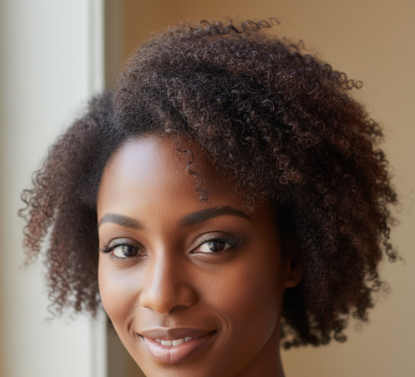
If past styling choices have affected your curl pattern, recovery is possible with patience and proper care.
Transitioning to Natural 3B Hair
Returning to your natural curl pattern after chemical treatments requires a strategic approach.
The Big Chop vs Long-Term Transitioning
The big chop involves cutting off all chemically processed hair at once, leaving only your natural new growth. This dramatic option provides an immediate fresh start but requires accepting significantly shorter hair temporarily.
Long-term transitioning involves gradually growing out processed hair while trimming ends progressively. This preserves more length but requires managing two different textures simultaneously, which can prove challenging.
Managing Two Different Textures Simultaneously
During a long-term transition, the line of demarcation where processed and natural hair meet represents a particularly vulnerable breakage point. Deep conditioning and protein treatments become even more important during this phase.
Use protective styles that hide the contrast between textures and reduce manipulation of the fragile transition zone. Braids, twists, and updos all work well for this purpose.
Protective Styles for Transitioners
Protective styles keep ends tucked away and reduce daily manipulation, giving transitioning hair the best chance to retain length. Box braids, twists, flat twists, and updos all qualify as protective styles when installed without excessive tension.
Vary your protective styles to avoid repeatedly stressing the same areas. Watch for thinning around the hairline or anywhere styles attach, adjusting tension and placement as needed.
Bond-Building Treatments: Olaplex, K18, and Others
Bond-building treatments like Olaplex, K18, and similar products work by repairing broken disulfide bonds within the hair shaft. These treatments can significantly improve the strength and elasticity of damaged hair, sometimes partially restoring lost curl pattern.
These products work best as regular maintenance rather than one-time treatments. Incorporate them into your routine according to package directions, typically using a concentrated treatment followed by maintenance conditioners.
Color Treating 3B Hair
If you want to experiment with color while protecting your curl integrity, proper technique and aftercare are essential.
How Bleach Affects the Curl Pattern
Bleaching lifts color by penetrating the cuticle and oxidizing melanin in the cortex. This process necessarily causes some structural damage, which can manifest as altered curl pattern, increased dryness, and reduced elasticity.
The lighter you go, the more damage occurs. If maintaining your curl pattern is a priority, consider staying within a few shades of your natural color or focusing color on less visible areas.
If you are considering Embracing the Boldest Hair Color or other vibrant options, work with a stylist experienced in curly hair coloring who can minimize damage while achieving your desired look.
Safe Coloring Techniques for Curly Hair
Balayage and other hand-painted techniques create dimension without saturating all strands with chemicals. Because these methods leave some hair untreated, they cause less overall damage than full highlighting or all-over color.
Ask colorists to assess your hair health before processing and to use lower volume developers when possible. The slower processing time required with lower volumes causes less damage than quick, aggressive lifting.
Post-Color Care to Prevent Elasticity Loss
Color-treated 3B hair requires modified care focusing on protein and moisture maintenance. Increase deep conditioning frequency and consider adding regular protein treatments to maintain structural integrity.
Use color-protecting products that prevent fade while conditioning. Minimize heat styling to avoid compounding damage from chemical processing with thermal damage.
Ammonia-Free Alternatives
Ammonia-free color options cause less cuticle damage than traditional formulations. While they may not lift as dramatically, they offer a gentler option for those prioritizing hair health.
Direct dyes and semi-permanent colors offer zero-damage alternatives for temporary color exploration. These options deposit color on the surface without chemically altering the internal structure.
Lifestyle and Seasonal Adjustments
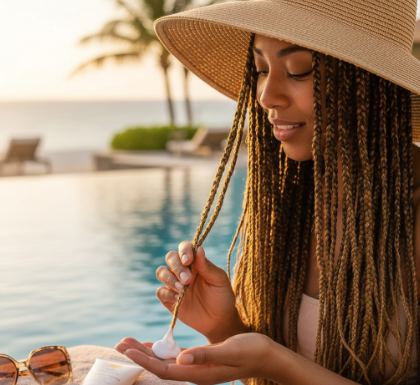
Your environment significantly affects how your 3B curls behave, requiring seasonal adjustments to your routine.
Summer Care for 3B Curls
Hot, humid months bring specific challenges and opportunities for curly hair care.
UV Protection for Hair
Ultraviolet radiation damages hair protein just as it damages skin. Prolonged sun exposure can dry out 3B curls, fade color, and weaken the overall structure. Products containing UV filters protect against this damage.
Hats and scarves provide physical protection when you expect extended sun exposure. Look for leave-in products with built-in UV protection for ongoing defense.
Swimming Care: Chlorine and Saltwater Management
Both chlorine and salt strip moisture from 3B hair and can leave it feeling straw-like. Pre-wet your hair with clean water and apply conditioner before swimming to create a protective barrier that limits chemical absorption.
After swimming, rinse thoroughly as soon as possible. Follow with a clarifying or chelating wash if you notice your hair feeling dry or discolored. Deep condition after every swimming session during summer months.
Fighting Humidity-Induced Frizz
In high humidity, adjust your product selection to include anti-humectant ingredients that help seal the cuticle against excess moisture absorption. Gels containing polyquaterniums and natural gums can create a barrier that limits frizz.
Consider updos and protective styles on particularly humid days, reserving wash and go styles for more moderate conditions.
Winter Care for 3B Curls
Cold, dry conditions create opposite but equally challenging circumstances for 3B hair.
Combatting Indoor Heating Dryness
Heated indoor air has very low humidity, pulling moisture from skin and hair. Increase deep conditioning frequency during winter months and consider adding a leave-in oil to your routine for added protection.
Room humidifiers add moisture back to indoor air, benefiting both your skin and your curls. Position one near where you sleep for overnight hydration.
Heavier Sealants and Butters
Winter is the season for richer products that you might find too heavy in summer. Shea butter, mango butter, and heavier oils like castor oil seal in moisture and protect against cold, dry air.
Layer products more heavily than you would in humid months. Your hair can handle and needs the extra moisture barrier during winter.
Protective Styling to Avoid Friction from Scarves and Coats
Winter accessories can cause significant friction damage if hair is worn loose. Wool scarves and coat collars rub against curls, creating frizz and breakage.
Protective styles keep hair contained and safe from friction. When wearing hair down, ensure it is fully under your coat collar rather than getting rubbed repeatedly.
Styling Inspiration for 3B Hair
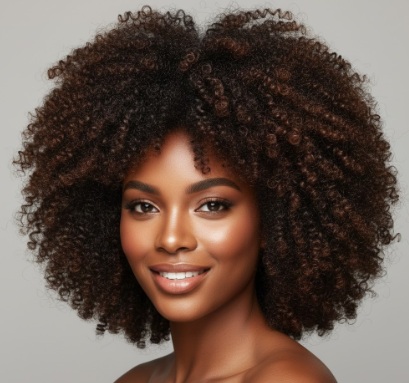
Your curl pattern lends itself to numerous stunning styles that showcase its natural beauty.
The Classic Wash and Go
The wash and go remains the quintessential curly style, showcasing your natural pattern with minimal manipulation. Apply products to soaking wet hair, encourage clump formation through your preferred technique, and allow to dry without disturbance.
Perfecting your wash and go requires experimentation with products, techniques, and drying methods. Once you find your formula, this style offers beautiful, low-effort results.
Half-Up, Half-Down Styles
Gathering the top half of your hair while leaving the rest loose creates a polished look that shows off curl length while keeping hair out of your face. This versatile style works for casual and professional settings alike.
Use soft scrunchies or clips that will not dent or damage your curls. Position the half-up portion to maximize volume and flatter your face shape.
Protective Buns and Top Knots
Loose buns and top knots protect ends while creating chic, effortless style. Gather hair gently without pulling tight, securing with satin scrunchies or spin pins that will not damage curls.
Avoid elastic bands that catch and break hair. Let some curls escape around your face for a relaxed, intentional look.
Braids and Twists for 3B Textures
Two-strand twists, flat twists, and various braid styles work beautifully with 3B texture. These styles protect hair while offering creative styling opportunities.
Install braids and twists with minimal tension to protect your hairline and edges. Remove gently, using oil or conditioner to help styles slip apart without breakage.
Accessorizing with Headbands and Clips
Accessories add personality to your curl styles while serving practical purposes. Headbands push hair back while showcasing volume. Decorative clips add interest to updos and half-up styles.
Choose accessories with smooth edges that will not snag or pull your curls. Satin-lined headbands provide extra friction protection.
Conclusion: Embracing Your 3B Journey
Understanding your 3B curls transforms your relationship with your hair from adversarial to appreciative. The spirals, volume, and bounce that define your texture are features worth celebrating and nurturing.
Building an effective routine takes time and experimentation. Your hair’s needs will change with seasons, life stages, and style preferences. Stay curious, pay attention to how your curls respond, and adjust accordingly.
The curly hair community offers endless support, inspiration, and shared wisdom. Your 3B hair connects you to countless others navigating similar challenges and celebrations. Embrace the journey, knowing that every twist and turn in your curls tells a story worth telling.
Frequently Asked Questions
What is the difference between 3B and 3Chair?
The primary difference lies in curl tightness and density. 3B curls are roughly the circumference of a Sharpie marker with visible separation between curls, while 3C curls are tighter, about pencil-sized, and pack more densely together with less individual definition.
How often should I wash 3B hair?
Most people with 3B hair find washing once or twice weekly optimal. This frequency balances scalp cleanliness with moisture retention. Adjust based on your scalp’s oil production, product usage, and activity level.
Why is my 3B hair frizzy when wet?
Wet frizz often indicates high porosity or mechanical damage to the cuticle layer. Protein treatments can help strengthen the cuticle, and applying products to soaking wet rather than damp hair often reduces this issue.
Can 3B hair become 3A or 3C over time?
Your genetic curl pattern does not change, but hormones, medication, damage, and age can affect how your pattern expresses. What seems like pattern change often reflects changing hair health or density rather than fundamental curl type.
What are the best lightweight oils for 3B hair?
Jojoba, argan, and grapeseed oils offer lightweight moisture without weighing down curls. These absorb relatively quickly and work well for fine or low porosity 3B hair. Use sparingly, focusing on mid-lengths and ends.
How do I stop my 3B curls from falling flat?
Root clipping during drying, diffusing upside down, and applying products primarily to lengths rather than roots all enhance volume. Avoid heavy products near the scalp and consider lightweight volumizing formulations.
Is 3B hair considered coarse or fine?
Curl pattern and strand width are separate characteristics. 3B refers only to curl pattern; you can have fine, medium, or coarse 3B hair. Determine your strand width by comparing a single hair to sewing thread.
Does 3B hair grow slower than straight hair?
All hair grows at approximately the same rate regardless of curl pattern. However, breakage and shrinkage can make it seem like curly hair grows more slowly. Focus on retention through protective practices and gentle handling.
What is the best haircut for 3B curls?
Layered cuts that account for shrinkage and curl behavior work best for most 3B hair. Seek stylists experienced with curly cutting techniques like the Deva Cut or Rezo Cut. Always have cuts done on dry, styled hair for accurate shaping.
How do I fix a disrupted curl pattern?
Disrupted patterns from heat or chemical damage require protein treatments and time. Trim damaged sections gradually while nurturing new growth with moisture-protein balance. Bond-building treatments can help restore some elasticity and curl formation.

1 thought on “The Ultimate Guide to 3B Hair: Identification, Care, Styling, and Product Science”