 care.about.your.hair.admin.usr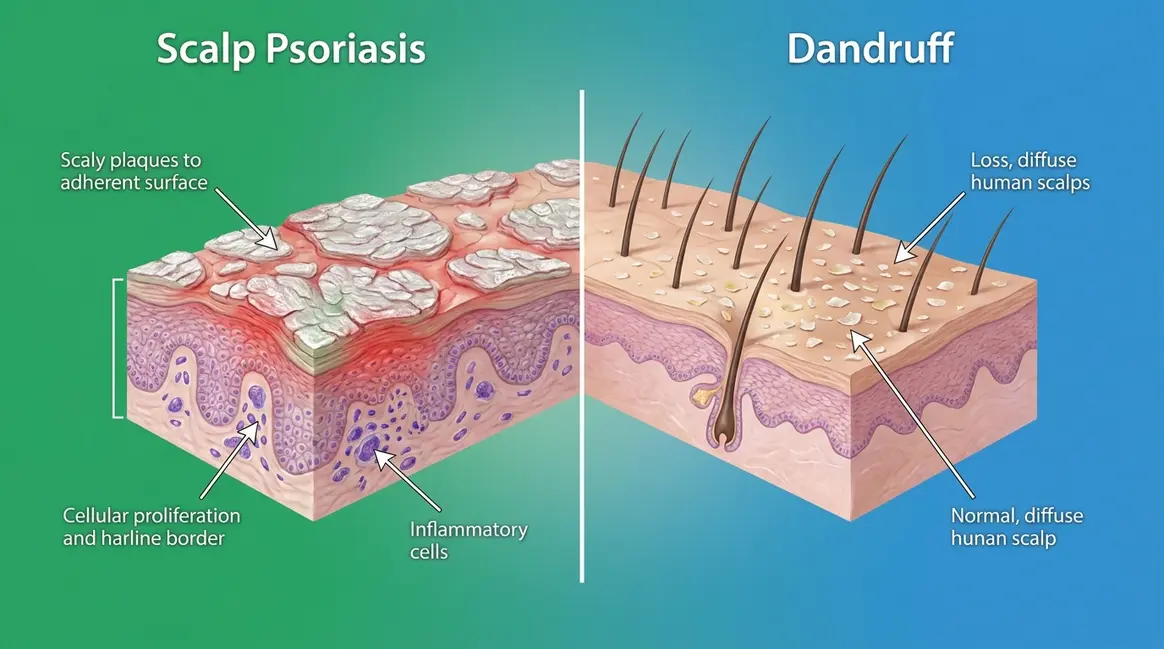
Medical Disclaimer: This article is for informational purposes only and is not a substitute for professional medical advice, diagnosis, or treatment. Always consult a qualified healthcare provider — such as a board-certified dermatologist — before beginning any treatment for a scalp condition. If you are experiencing severe symptoms, seek medical care promptly.
Medically Reviewed By: [Board-Certified Dermatologist Name, MD — Credentials] | Reviewed: July 2026
“An itchy, flaky scalp is a common skin complaint. Often it’s just dandruff, but sometimes it can be a sign of a chronic health condition.”
If you’ve been using anti-dandruff shampoo for weeks with no improvement, there’s a reason — and that reason matters for your treatment. Scalp psoriasis vs dandruff may look similar from the outside, but they have entirely different causes, follow different patterns, and require different approaches. Using the wrong treatment doesn’t just waste time and money — it can leave an underlying autoimmune condition unmanaged, allowing it to worsen.
This guide covers what you need to know to tell these conditions apart: the symptoms and visual cues that distinguish them, why they behave so differently, how they appear across different skin tones, a five-condition master comparison to rule out other diagnoses, and a tiered treatment system so you can act from day one.
When evaluating scalp psoriasis vs dandruff, getting the diagnosis right is the only way to get lasting relief, as they differ fundamentally in cause, appearance, and treatment.
- Flake appearance: Psoriasis flakes are thick, silvery-white, and adherent; dandruff flakes are small, white or yellowish, and loose.
- Location: Psoriasis can extend beyond the hairline to ears, neck, and forehead; dandruff stays on the scalp.
- Cause: Psoriasis is autoimmune (T-cell overactivation); dandruff is driven by Malassezia yeast overgrowth or excess oil production.
- Treatment: Dandruff responds to OTC antifungal shampoos; psoriasis requires targeted medicated or prescription treatment.
- The Diagnostic Spectrum: Seborrheic dermatitis sits between dandruff and psoriasis on a single inflammatory continuum — understanding all three prevents misdiagnosis.
How to Tell Psoriasis Apart from Dandruff?
Scalp psoriasis and dandruff both cause flaking and itching, but the two defining differences are flake appearance and underlying cause. Dandruff produces small, loose flakes from a yeast-driven or oily scalp reaction. Scalp psoriasis produces thick, adherent, silvery-white plaques from an autoimmune process. According to large epidemiologic studies, the scalp is the most common site of psoriasis involvement, affected in roughly 50–80% of people with psoriasis (PMC, 2026). Getting this distinction right from the start determines whether your treatment will work.
The most common diagnostic error is treating psoriasis with a standard anti-dandruff shampoo — a product that targets fungus, not the immune system — for months before seeking help. If that describes your experience, you’re not alone, and it doesn’t mean you did anything wrong. It means the two conditions look confusingly similar on the surface, which is exactly why this section exists.
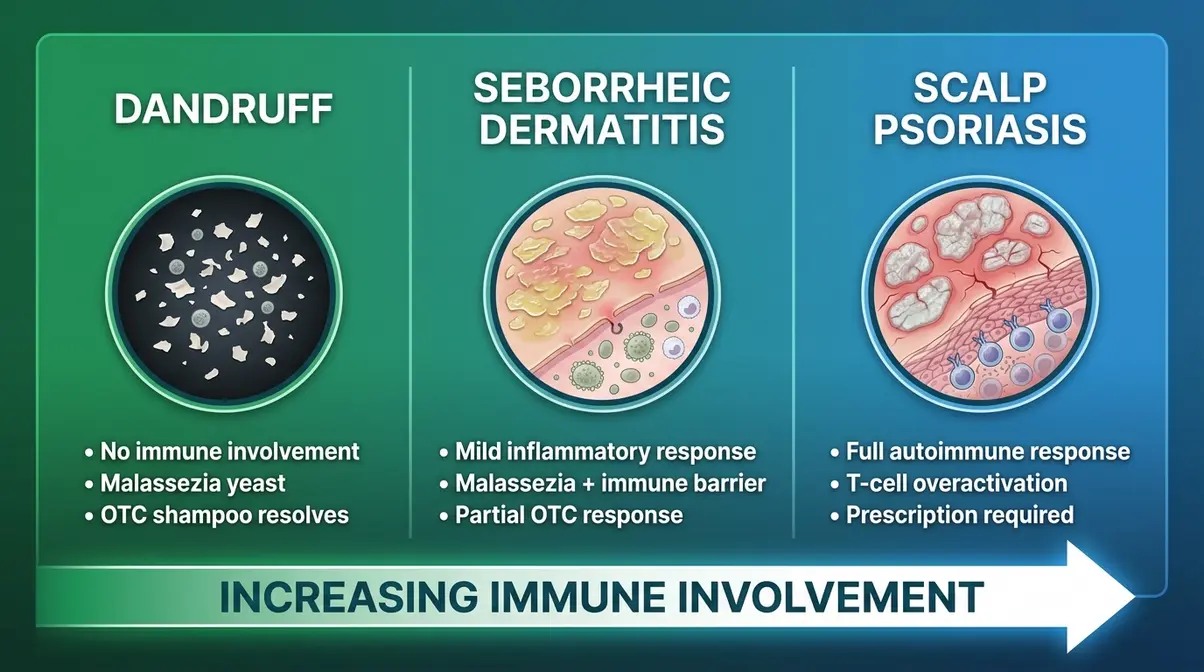
The infographic above illustrates how these three conditions sit on a spectrum of scalp inflammation — from no immune involvement (dandruff) to full autoimmune response (psoriasis). This framework, The Diagnostic Spectrum, is the key to understanding why your treatment tier must match your condition’s position on that continuum.
What Are the Symptoms of Scalp Psoriasis?
When comparing scalp psoriasis vs dandruff, the most telling sign is the nature of the scale itself. Scalp psoriasis produces thick, silvery-white or grey plaques — raised, hardened patches of skin covered with tightly adherent scales. Unlike dandruff flakes, these scales don’t fall off when you shake your hair. They stick to the scalp and to hair shafts. If you try to remove them forcibly, the skin underneath may look raw, appear red, or bleed — a phenomenon called the Auspitz sign (pinpoint bleeding from dilated capillaries exposed when scales are lifted), which is a classic clinical indicator of psoriasis, per clinical dermatology literature.
Location is another critical differentiator. According to the National Library of Medicine’s MedlinePlus, scalp psoriasis causes itchy or sore patches of thick, inflamed skin with silvery scales — and crucially, these MedlinePlus guide on scalp psoriasis symptoms patches can extend well beyond the hairline. A visible “psoriasis line” may appear on the forehead, behind the ears, around the ear canal, and along the back of the neck. Dandruff stays on the scalp. This extension beyond the hairline is one of the clearest visual cues that your condition is not simple dandruff.
The itch quality also differs. Psoriasis itch tends to be intense, sometimes described as burning or stinging rather than the surface-level, mild itch of dandruff. Some people with scalp psoriasis report that the discomfort disrupts sleep. Importantly, psoriasis is a chronic condition — it may go into remission for weeks or months, but it typically returns. A one-time dandruff episode that clears up with a medicated shampoo is behaviorally the opposite of psoriasis, which follows a pattern of flares and remissions over years.
In mild presentations — sometimes called stage 1 — scalp psoriasis may look almost identical to dandruff: small, thin flakes with minimal visible redness. This is precisely why self-diagnosis is difficult, and why the comparison below is essential before you decide on a treatment approach.
“Scalp psoriasis can extend to the forehead, back of the neck, and around the ears — areas dandruff never reaches. That geographic spread is often the clearest first signal.”
Side-by-Side Diagnostic Comparison
The clearest way to distinguish scalp psoriasis from dandruff is by flake appearance, location, and how your scalp responds to standard anti-dandruff shampoo. The table below compares all three conditions across seven criteria — including seborrheic dermatitis, the often-overlooked middle condition that competitors almost universally ignore.
| Feature | Dandruff | Seborrheic Dermatitis | Scalp Psoriasis |
|---|---|---|---|
| Flake Type | Small, loose, white/yellow | Greasy, yellow, larger | Thick, silvery-white, adherent |
| Skin Appearance | Normal or slightly oily | Red, slightly inflamed | Red, raised plaques; may bleed |
| Location | Scalp only | Scalp, face, chest | Scalp + beyond hairline, ears, neck |
| Itch Intensity | Mild | Moderate | Moderate to severe; may burn |
| Cause | Malassezia yeast, excess oil | Malassezia + inflammatory response | Autoimmune (T-cell overactivation) |
| Responds to Anti-Dandruff Shampoo? | Yes | Partially | No (requires targeted treatment) |
| Chronic/Recurring? | Can recur; manageable | Chronic, flares with triggers | Chronic; remissions and flares |
According to the NHS overview of dandruff versus psoriasis, psoriasis can be distinguished from standard dandruff by the presence of red, flaky, crusty, and sore patches of skin covered with silvery scales — a description that aligns with the table above.
These three conditions are not random — they exist on a continuum of scalp inflammation defined by immune system involvement. That continuum is The Diagnostic Spectrum. Dandruff involves no immune dysfunction — it’s a surface reaction to yeast and oil. Seborrheic dermatitis involves a mild inflammatory response to the same yeast. Scalp psoriasis involves a full autoimmune malfunction, where the immune system mistakenly attacks healthy skin cells. The practical takeaway: if an anti-dandruff shampoo containing ketoconazole or zinc pyrithione has provided zero relief after four or more weeks of consistent use, that is a clinical signal your condition may sit further along The Diagnostic Spectrum toward psoriasis.
The dandruff vs. psoriasis scalp distinction ultimately comes down to this: one is a surface problem, the other is a systemic one.
Chronic Psoriasis vs. Episodic Dandruff
Dandruff is common and often manageable with OTC shampoos. It may come and go with the seasons, with stress, or with changes in hair care habits. It is not classified as an autoimmune condition, and it does not involve the immune system attacking healthy tissue.
Scalp psoriasis is classified as a chronic autoimmune disease. The immune system’s T-cells mistakenly attack healthy skin cells, triggering rapid skin cell turnover — cells that normally take 28–30 days to mature complete the cycle in just 3–4 days. This overproduction creates the thick, scale-covered plaques that are the hallmark of the condition. Recent research defining psoriasis as a systemic inflammatory disease has reclassified psoriasis from a purely skin condition to a systemic inflammatory disease, now termed psoriatic disease (PMC, 2026) — meaning it can affect joints, cardiovascular health, and mental wellbeing alongside the skin.
Psoriasis follows a pattern of flares (worsening) and remissions (improvement or clearing). Triggers — covered in detail in the next section — can restart a flare even after months of clear skin. If your scalp has been symptom-free for three months and then suddenly flared after a period of high stress, that pattern is far more consistent with psoriasis than with dandruff. Dandruff doesn’t typically disappear for months and then return with intensity.
One important caveat: mild psoriasis and moderate dandruff can look nearly identical even to trained eyes. Acknowledging this diagnostic uncertainty is not a weakness — it’s why a dermatologist’s examination remains the gold standard for a definitive diagnosis. If you’re uncertain, that uncertainty itself is a reason to seek professional evaluation.
Psoriasis on scalp vs. dandruff, in short, is the difference between an episodic surface condition and a chronic systemic disease — and that difference determines everything about your treatment path.
Visual Symptoms and Skin Tone Guide
You’ve been told it’s dandruff. But the flakes are thick, don’t brush off easily, and your scalp feels raw — not just itchy. Here’s what to look for to tell the difference by sight, including the visual cues that most diagnostic guides completely miss: what these conditions look like on Black hair and darker skin tones.
Flake Appearance and Color Differences
Understanding dandruff vs. dry scalp flakes starts with size and texture — two characteristics you can assess without any clinical tools.
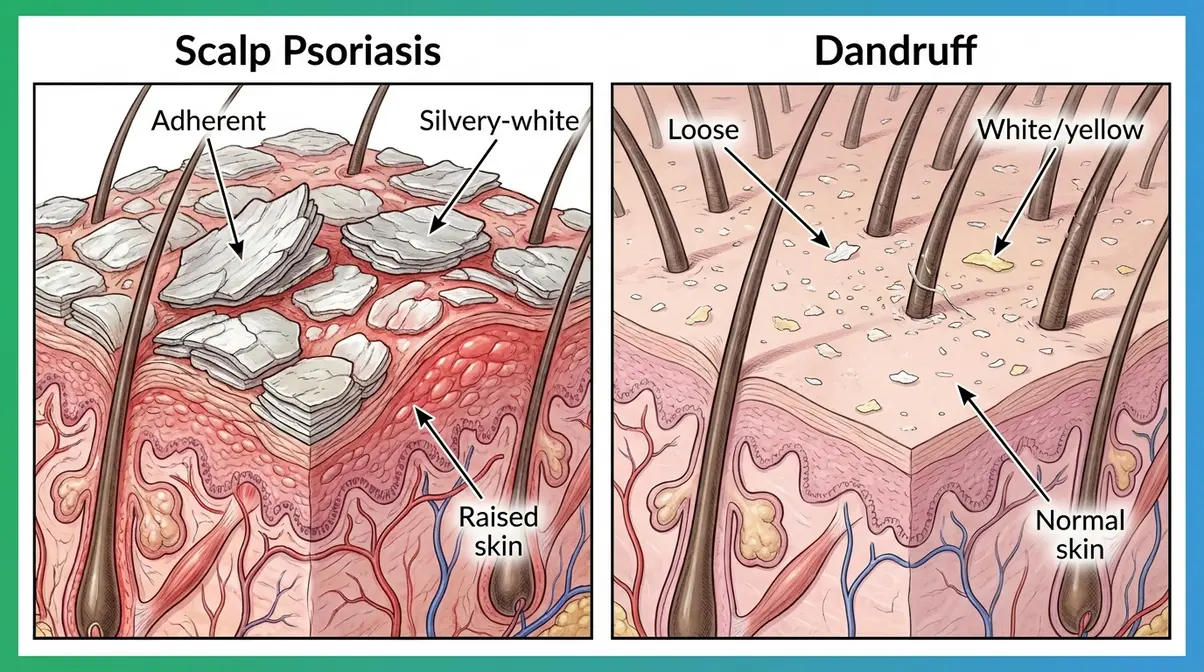
Dandruff flakes are small (roughly 1–2mm), white or yellowish, loose, and powdery. They fall off easily onto your shoulders and clothing. If your dandruff is linked to an oily scalp, the flakes may feel slightly greasy. They are associated with the Malassezia globosa yeast that naturally lives on the scalp and produces oleic acid, which irritates the scalp in susceptible individuals.
Psoriasis scales are substantially larger — they can range from several millimetres to centimetres across — silvery-white or grey, layered, and firmly adherent. Scalp psoriasis vs. dandruff flakes are immediately distinguishable by this adherence: psoriasis scales stick to the scalp and to hair shafts. If removed, the underlying skin may appear red and bleed (the Auspitz sign). A 2026 dermoscopy review in Cosmoderma confirms that scalp psoriasis presents with well-demarcated plaques and adherent silvery scales, in contrast to the ill-defined, greasy, yellowish scales of seborrheic dermatitis.
Dry scalp flakes are small, white, and dry — similar in size to dandruff but without the greasy quality. Dry scalp results from dehydration of the skin barrier, not yeast overgrowth. The flakes tend to be finer and more powdery than even typical dandruff. For more on managing seasonal dryness that affects the scalp, see understanding dry scalp and flaking.
A practical self-assessment: shake your hair gently over a dark surface. Dandruff and dry scalp flakes fall freely. Psoriasis scales typically stay attached unless actively scratched off. This simple test won’t replace a clinical diagnosis, but it provides a meaningful first data point.
“Psoriasis scales stay attached to the scalp and hair shaft — a characteristic that distinguishes them from dandruff flakes, which fall freely with gentle movement.”
Symptoms on Darker Skin Tones
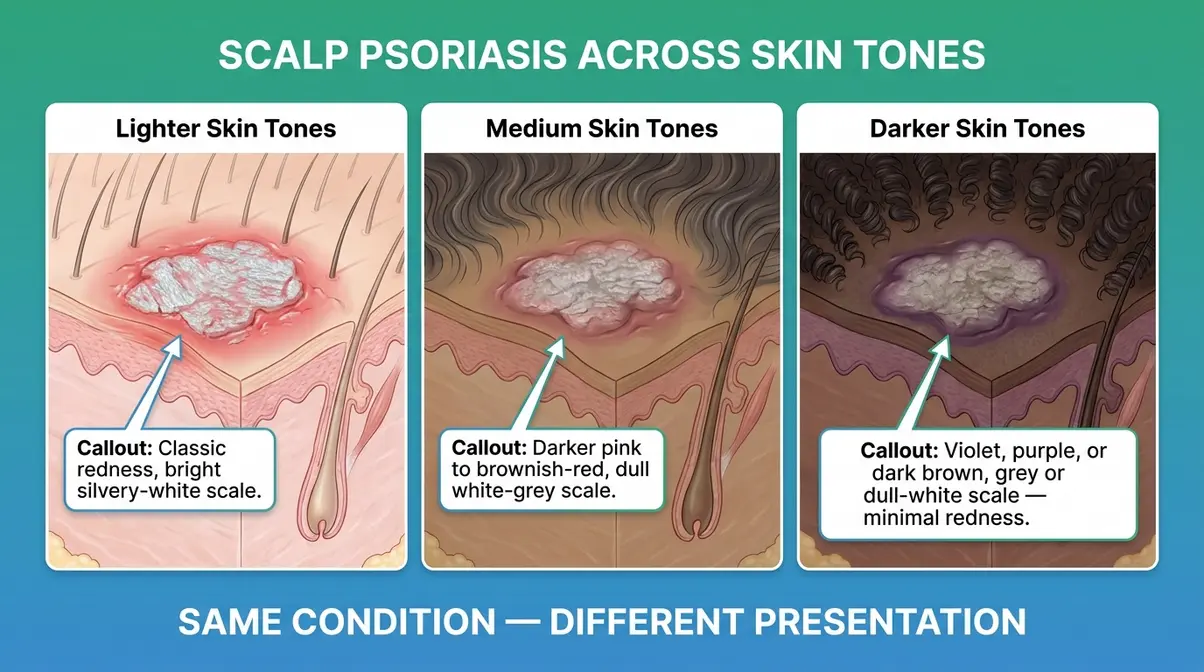
This section addresses a genuine health equity gap. Search any scalp condition guide and you will find images and descriptions based almost exclusively on fair skin. For people with Black hair or darker skin tones, the “classic” visual descriptions of scalp psoriasis — red plaques with silvery-white scales — may simply not match what they see.
On darker skin tones, scalp psoriasis plaques appear violet, purple, dark brown, or grey rather than the classic red. The silvery-white scale may appear less visible against melanin-rich skin. According to a 2026 evidence-based review published in the International Journal of Dermatology, typical presentations described for fair-skinned populations “are often substantially modified in patients with darker skin tones, leading to diagnostic delays and errors” (PMC, 2026). The National Psoriasis Foundation’s Skin of Color Resource Center confirms that on darker skin, psoriasis may look salmon, dark brown, purple, or violet with grayish scale — not red (psoriasis.org, 2026).
This is not a minor cosmetic difference. It has real diagnostic consequences. A 2026 phase 3 data report on scalp psoriasis treatment in skin of color noted that “recognizing psoriasis can be more challenging in individuals with darker skin tones as it may appear purple, gray, or darker brown rather than red,” leading to delayed or incorrect diagnoses (Healio, 2026). According to Cleveland Clinic, this misdiagnosis pattern is largely driven by underrepresentation of dark skin images in medical textbooks and educational materials.
Additionally, a 2026 review published in PMC found that scalp psoriasis may be more common and more severe in Black patients, particularly Black women, partly due to hair-care practices and styling patterns that can make the scalp harder to examine and treat (PMC, 2026). Scalp psoriasis in Black women may also be mistaken for other conditions — including eczema, lichen planus, sarcoidosis, ringworm, or seborrheic dermatitis — because clinicians may not recognize the violaceous or hyperpigmented hues as signs of active inflammation.
At the psoriasis end of The Diagnostic Spectrum, visual differences between conditions become most pronounced — but also most misread on darker skin. If you have darker skin and have been told “it’s just dandruff” despite persistent scalp patches that feel raw, don’t brush off, or appear in unusual colors, seek a second opinion from a dermatologist experienced with skin of color.
- Visual checklist for darker skin tones:
- Patches that appear violet, purple, brown, or grey (not necessarily red)
- Grey or dull-white scale rather than bright silvery scale
- Patches that extend beyond the hairline to the forehead or neck
- Residual darker or hyperpigmented patches where plaques have healed
- Scalp plaques that do not respond to anti-dandruff shampoo after 4+ weeks
What is Stage 1 of Psoriasis?
Scalp psoriasis exists on a severity spectrum within its own category — from very mild to extensive. “Stage 1” is not a formal clinical term, but it is commonly used by patients to describe mild, early-onset psoriasis.
In early, mild presentations, scalp psoriasis may appear as faint, thin flakes with minimal visible inflammation. The scalp may feel slightly rough but look almost normal. This is the stage most often misidentified as dandruff — and the stage where people are most likely to try OTC anti-dandruff shampoos repeatedly without success.
As the condition progresses to moderate severity, plaques become more defined, thicker, and more visibly inflamed. The itching intensifies. Patches may be visible at the hairline. In severe presentations, plaques may cover large portions of the scalp, extend significantly beyond the hairline, cause temporary hair loss (from chronic inflammation and scratching), and be accompanied by psoriasis plaques elsewhere on the body — elbows, knees, and lower back are common sites. According to GoodRx (2026), scalp psoriasis causes thick, raised, scaly patches that appear red, violet, or brown depending on skin tone, and unlike dandruff, often spreads beyond the scalp.
Temporary hair loss from scalp psoriasis is reversible when the condition is effectively treated — the follicles are not permanently damaged by the inflammation itself. Treating psoriasis before plaques become established is generally more effective than treating advanced disease.
Root Causes and Common Triggers
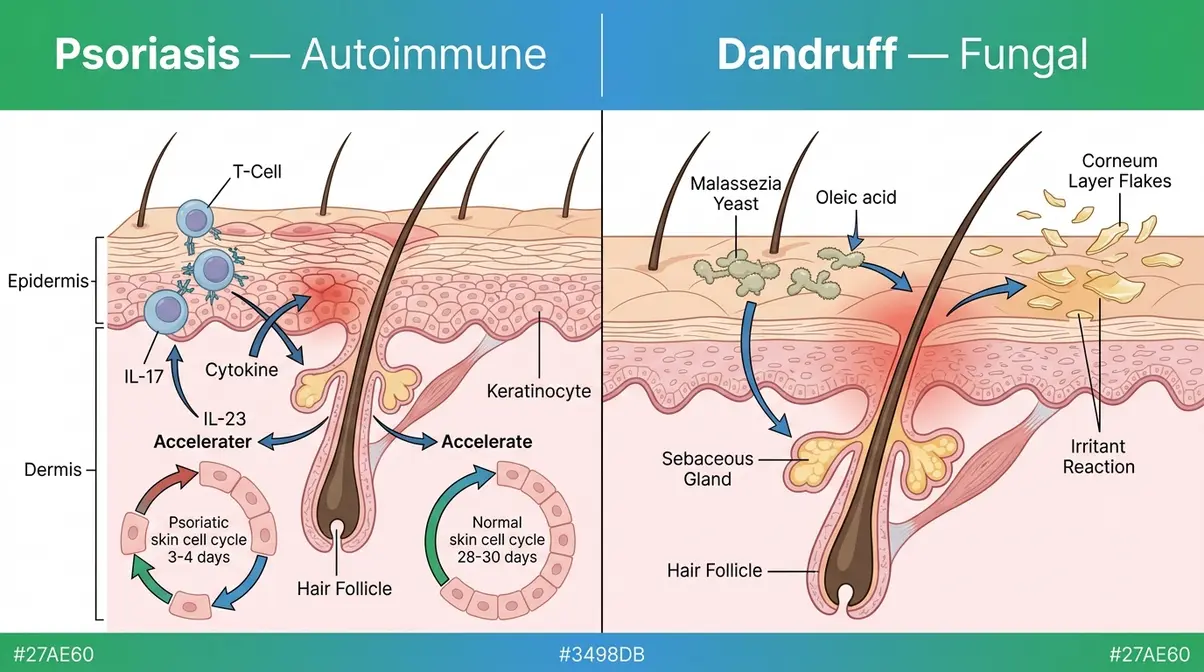
Scalp psoriasis and dandruff share a superficial resemblance but have fundamentally different biological origins. Dandruff is a surface reaction; psoriasis is a systemic immune malfunction. Understanding this difference explains why treatments for one condition do nothing for the other — and why the right treatment tier depends on correctly identifying the root cause.
According to the American Academy of Dermatology’s clinical guidelines, psoriasis may be triggered or exacerbated by infections, physiological and emotional stressors, alcohol consumption, smoking, and cutaneous trauma (AAD, 2026). These triggers don’t cause psoriasis — they activate it in people who already carry the genetic predisposition.
Autoimmune Roots of Psoriasis
Scalp psoriasis is an immune-mediated inflammatory disease. In plain English: your immune system’s T-cells mistakenly identify healthy skin cells as a threat and attack them. This triggers a cascade of inflammatory signals — particularly involving cytokines IL-17 and IL-23 — that cause skin cells to multiply far faster than normal. Cells that typically take 28–30 days to mature and shed complete that cycle in just 3–4 days. The result is an accumulation of immature skin cells on the surface, forming the thick, scale-covered plaques characteristic of psoriasis.
This autoimmune mechanism is why psoriasis is now classified as a systemic disease. Research published in PMC (April 2026) confirms that the IL-23/Th17 pathway is central to psoriasis pathophysiology, with activated T-cells producing inflammatory cytokines that create a self-amplifying loop of inflammation (PMC, 2026). Critically, skin-resident memory T-cells at previously affected sites — including the scalp — can rapidly reactivate this process when a trigger is encountered, which explains why psoriasis flares can return in the same location after months of remission.
According to the National Psoriasis Foundation, psoriasis affects approximately 3% of U.S. adults — more than 7.5 million people (NPF, 2026). The scalp is the most commonly affected site, involved in 50–80% of people with the condition.
“Scalp psoriasis is not a skin hygiene problem — it is a systemic immune disease where T-cells attack healthy skin cells, causing a 7-fold acceleration in cell turnover that produces the characteristic thick plaques.”
Fungal and Oily Roots of Dandruff
Dandruff, by contrast, is driven by two interrelated factors: the Malassezia yeast that naturally colonizes the scalp, and the sebum (natural oil) that feeds it. When sebum production is high, Malassezia overgrows and produces oleic acid as a byproduct. In susceptible individuals, oleic acid penetrates the skin barrier and triggers an inflammatory response — not an autoimmune one, but a local irritant reaction that accelerates cell shedding and produces the characteristic flakes.
Seborrheic dermatitis, the more inflammatory form of dandruff, involves the same Malassezia mechanism but with a more pronounced immune response at the skin barrier level. This is why it sits in the middle of The Diagnostic Spectrum — more inflammatory than simple dandruff, but without the systemic autoimmune component of psoriasis.
According to a 2026 PMC review of seborrheic dermatitis, the condition is characterized by ill-defined plaques with greasy, yellowish scales linked to sebaceous gland activity and Malassezia colonization (PMC, 2026). This is fundamentally different from the T-cell-driven mechanism of psoriasis, which is why antifungal shampoos can effectively treat dandruff and seborrheic dermatitis but have no meaningful impact on psoriasis plaques.
Known Triggers for Psoriasis Flares
For people with psoriasis, certain triggers consistently activate flares. Identifying and managing your personal triggers is a key part of long-term disease management. The AAD lists the following as recognized flare triggers (AAD, 2026):
- Psychological stress: A 2026 review found that 31–88% of people with psoriasis report stress as a trigger (Medical News Today, 2026). Stress modulates the immune system via neuro-immune pathways, directly amplifying the inflammatory cascade.
- Infections: Streptococcal infections (strep throat, bronchitis, ear infections) can trigger or worsen psoriasis 2–6 weeks after the infection occurs.
- Smoking: Heavy smoking has been linked to more than twofold increased risk of severe psoriasis compared with non-smokers, and is associated with poorer treatment response (PMC, 2026).
- Alcohol: Alcohol misuse is identified as an environmental trigger that worsens psoriasis and may increase treatment failure rates.
- Obesity: Higher BMI is an independent risk factor for both psoriasis severity and reduced therapeutic response, per the 2026 AAD Congress Report.
- Skin trauma: The Koebner phenomenon — psoriasis appearing at sites of skin injury, scratching, or friction — is well-documented in clinical literature.
- Certain medications: Beta-blockers, lithium, and antimalarials are known to trigger or worsen psoriasis.
Dandruff triggers are different in nature: they typically involve seasonal dry air, infrequent shampooing, hormonal changes, or stress — but stress in dandruff causes a surface-level yeast flare rather than an immune system activation.
The 5-Condition Diagnostic Guide
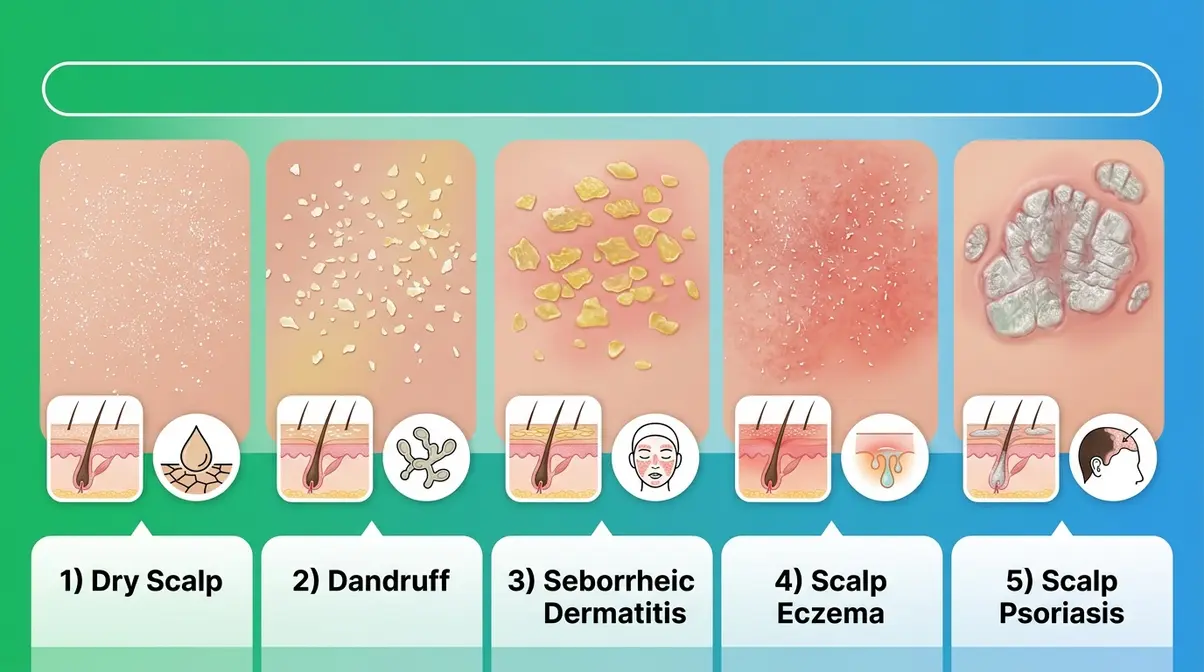
Many people who search for scalp psoriasis vs dandruff are actually experiencing a third, fourth, or fifth condition they haven’t yet considered. When evaluating scalp psoriasis vs dandruff, you must also consider conditions that mimic their symptoms. The 5-condition comparison below expands The Diagnostic Spectrum to include scalp eczema and dry scalp, giving you a more complete self-assessment framework.
This section breaks down the specific nuances between these overlapping conditions, ensuring you aren’t treating the wrong root cause.
Dandruff vs. Dry Scalp Flakes
The confusion between dandruff and dry scalp is incredibly common, as both produce white flakes that fall onto the shoulders. However, they are driven by opposite physiological states.
Dry scalp occurs when the stratum corneum (the outermost layer of the skin) loses its moisture barrier. This is frequently exacerbated by cold winter air, low indoor humidity, hot showers, and harsh sulfate-heavy shampoos that strip natural lipids from the scalp. The flakes produced by a dry scalp are typically very fine, powdery, and stark white. The scalp itself may feel tight or mildly itchy, but it rarely shows significant redness or inflammation.
Dandruff, conversely, is a condition of excess. It occurs when the scalp produces too much sebum (oil), which feeds the naturally occurring Malassezia yeast. The resulting flakes are slightly larger, can clump together, and often have a yellowish tint or greasy texture.
A simple diagnostic test involves moisturizing the scalp. If hydrating treatments resolve the flaking within a few days, the issue was likely simple dehydration. Differentiating dry scalp from other conditions is the vital first step before applying harsh medicated shampoos, which can actually make a dry scalp significantly worse by further stripping its moisture.
Seborrheic Dermatitis vs. Dandruff
Seborrheic dermatitis and dandruff exist on the exact same spectrum, but seborrheic dermatitis represents a more severe, inflammatory response.
While simple dandruff is largely restricted to the scalp and presents with mild itching and loose flakes, seborrheic dermatitis involves visible erythema (redness) and significant inflammation. The immune system at the skin barrier level overreacts to the oleic acid produced by the Malassezia yeast.
Crucially, seborrheic dermatitis frequently spreads beyond the scalp. It is common to see greasy, yellowish, crusty scales forming on the eyebrows, in the nasolabial folds (the creases beside the nose), behind the ears, and even on the center of the chest. The scales tend to cling to the skin more stubbornly than simple dandruff flakes, though they are not as thick or silvery as psoriasis plaques.
Because both conditions share the same fungal root cause, they respond to similar antifungal treatments (like ketoconazole). However, seborrheic dermatitis often requires stronger formulations or the temporary use of mild topical steroids to calm the heightened inflammatory response. Exploring scalp conditions like seborrheic dermatitis and eczema helps clarify why standard dandruff shampoos sometimes only provide partial relief.
Scalp Eczema vs. Psoriasis
Scalp eczema (specifically atopic dermatitis) and scalp psoriasis are both chronic, immune-mediated conditions, but they present and feel entirely different to the patient.
Scalp eczema is driven by a compromised skin barrier and is often linked to atopy (a genetic tendency to develop allergic diseases like asthma and hay fever). The hallmark of scalp eczema is intense, maddening itchiness. The skin appears red and inflamed, but the borders of the rash are usually poorly defined, blending gradually into healthy skin. In severe cases, eczema can weep, ooze clear fluid, and form crusts. The flakes are typically dry and fine.
Scalp psoriasis, driven by T-cell overactivation, is characterized by sharply demarcated plaques. The borders between the psoriasis plaque and healthy skin are distinct and clear. Instead of weeping or oozing, psoriasis produces thick, dry, silvery-white scales that build up in layers. While psoriasis can be very itchy, patients often describe the sensation as more of a “burning” or “soreness” compared to the pure itch of eczema.
Treatments for these two conditions diverge significantly. Eczema management focuses heavily on barrier repair, intense moisturization, and avoiding allergic triggers, while psoriasis requires treatments that slow down the hyperactive skin cell turnover cycle.
Master Condition Comparison Table
| Condition | Flake Type | Scale Color | Skin Appearance | Location | Itch Intensity | Cause | Responds to Anti-Dandruff Shampoo? | Chronic? |
|---|---|---|---|---|---|---|---|---|
| Dandruff | Small, loose, powdery | White or yellowish | Normal or slightly oily | Scalp only | Mild | Malassezia yeast + excess oil | Yes | Can recur; manageable |
| Dry Scalp | Fine, small, dry | White | Normal or mildly pink | Scalp only | Mild (tightness) | Dehydration, harsh products, cold weather | Partially (gentle shampoo better) | No — resolves with moisturization |
| Seborrheic Dermatitis | Greasy, larger, clumping | Yellow-white | Red, mildly inflamed | Scalp, face, chest, ears | Moderate | Malassezia + inflammatory response | Yes (partially) | Chronic with flares |
| Scalp Eczema | Dry, fine, may crust | White to pale | Red, inflamed, may ooze | Scalp + neck, flexures, face | Intense | Skin barrier dysfunction, atopy | No | Chronic; trigger-dependent |
| Scalp Psoriasis | Thick, layered, adherent | Silvery-white or grey | Red/raised plaques; may bleed | Scalp + beyond hairline, ears, neck | Moderate to severe; burning | Autoimmune (T-cell overactivation) | No | Chronic; remissions and flares |
Source: Synthesized from Mayo Clinic (2026), PMC seborrheic dermatitis review (2026), GoodRx (2026), Cleveland Clinic (2026), and AAD clinical guidelines (2026).
Using the Table for Self-Assessment
Work through these four questions in order — each narrows your diagnostic position on The Diagnostic Spectrum:
1. Do your flakes fall off easily when you shake your hair?
If yes: you’re likely looking at dandruff, dry scalp, or seborrheic dermatitis. If no — if flakes cling to your hair and scalp: psoriasis or eczema is more likely.
2. Are your flakes greasy or dry?
Greasy, yellowish flakes point toward seborrheic dermatitis. Dry, fine flakes point toward dry scalp or dandruff. Thick, dry, silvery flakes that adhere — psoriasis.
3. Does your flaking extend beyond your hairline?
Flaking on the forehead, back of the neck, or around the ears is a strong psoriasis indicator. Seborrheic dermatitis may appear on the face (eyebrows, sides of the nose), but not in the same pattern as psoriasis’s hairline extension.
4. Has anti-dandruff shampoo helped at all after 4+ consistent weeks?
Meaningful improvement: dandruff or seborrheic dermatitis. Zero improvement: scalp psoriasis or eczema. This single response-to-treatment criterion is one of the most clinically useful self-assessment tools available.
According to GoodRx’s clinical comparison of scalp psoriasis and dandruff, the presence of thick, raised, scaly patches extending beyond the scalp — especially when accompanied by psoriasis elsewhere on the body — is a strong indicator that a dermatologist’s evaluation is needed.
Overlapping Conditions: Sebopsoriasis
It is also possible to have features of both seborrheic dermatitis and psoriasis simultaneously — a condition sometimes called sebopsoriasis. This overlap presents with mixed scale types and ill-defined borders, making clinical diagnosis particularly challenging. Dermoscopy (a dermatoscope examination of the scalp) and in some cases biopsy are used to distinguish the two when clinical features are ambiguous, per a 2026 dermoscopy review in Cosmoderma. If your scalp shows features from multiple columns in the table above, that diagnostic complexity is itself a reason to see a dermatologist rather than continue self-treating.
Locating Your Condition on the Spectrum
The Diagnostic Spectrum provides a practical framework for locating your condition:
- Left end (no immune involvement): Dry scalp, simple dandruff
- Middle (mild-to-moderate inflammatory response): Seborrheic dermatitis, sebopsoriasis
- Right end (full autoimmune response): Scalp psoriasis, scalp eczema (atopic dermatitis)
The further right your condition sits, the less likely OTC anti-dandruff products are to help, and the more likely you need a dermatologist-guided treatment plan.
Tiered Treatment Pathways
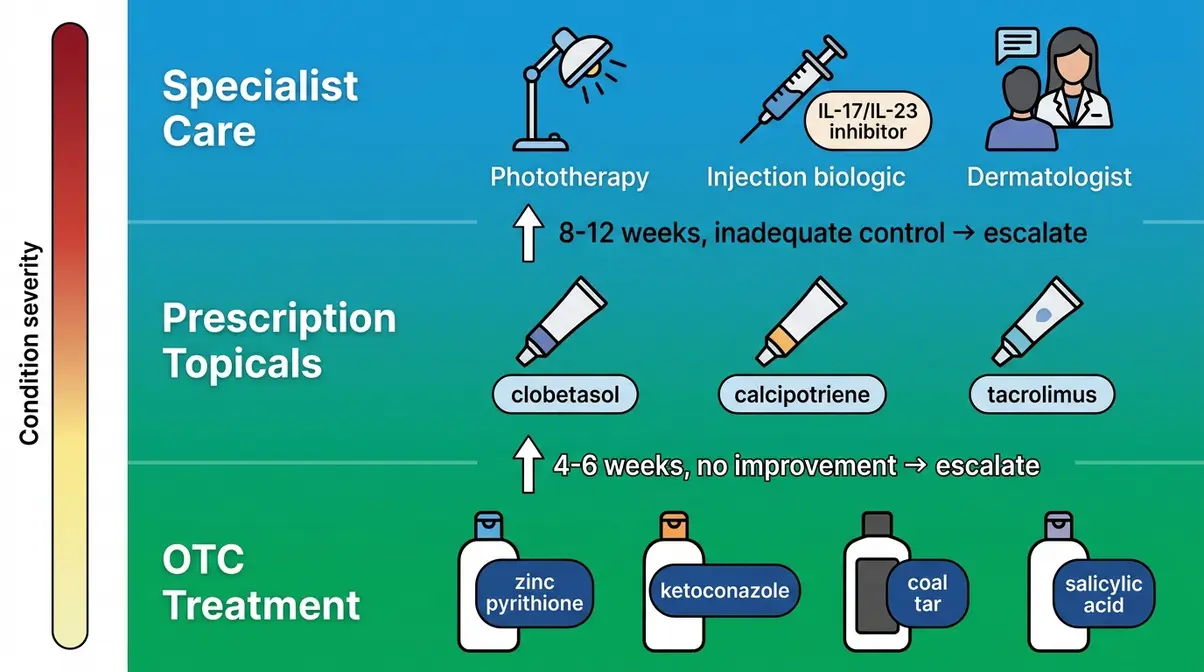
Scalp psoriasis and dandruff require entirely different treatment approaches — and within each condition, treatment scales with severity. The tiered system below follows the logic of The Diagnostic Spectrum: start at the appropriate tier for your position on the spectrum, and escalate if the response is insufficient. For any treatment decisions, consult a board-certified dermatologist, particularly if OTC options have already failed.
According to Mayo Clinic (2026), salicylic acid shampoos and scalp solutions are often the first OTC step for scalp psoriasis, used to soften and remove scale before applying other treatments — and this step-by-step logic applies across the full treatment tier.
Tier 1: OTC Treatment Options
For dandruff and mild seborrheic dermatitis — the left side of The Diagnostic Spectrum — OTC medicated shampoos are the appropriate first-line approach. They work by targeting the Malassezia yeast or by controlling oil production.
Active ingredients to look for:
| Ingredient | Mechanism | Best For |
|---|---|---|
| Zinc pyrithione | Antifungal + antibacterial; reduces Malassezia | Dandruff, mild seborrheic dermatitis |
| Ketoconazole 1% (OTC) | Antifungal; directly inhibits Malassezia | Dandruff, seborrheic dermatitis |
| Selenium sulfide | Reduces yeast growth, slows cell turnover | Moderate dandruff, seborrheic dermatitis |
| Coal tar (OTC) | Slows skin cell overproduction, reduces inflammation | Mild scalp psoriasis, seborrheic dermatitis |
| Salicylic acid (OTC) | Keratolytic — softens and removes scale | Scale removal in dandruff and mild psoriasis |
Usage guidance: Use medicated shampoo 2–3 times per week for the first month. Leave on the scalp for 3–5 minutes before rinsing. Rotate between two active ingredients (e.g., zinc pyrithione and selenium sulfide) to prevent Malassezia adaptation.
While medicated treatments are the primary defense, many patients explore natural remedies for scalp health as complementary care. Additionally, improving scalp health through massage can help gently loosen scales before applying medicated shampoos, though this must be done with extreme care to avoid triggering inflammation.
Realistic expectation: For true dandruff, OTC shampoos typically produce noticeable improvement within 2–4 weeks of consistent use. If you see no improvement after 4–6 weeks, that is a clinical signal your condition may sit further along The Diagnostic Spectrum — and escalation is warranted.
Tier 2: Prescription Topicals
For scalp psoriasis that does not respond to OTC options, dermatologists typically prescribe topical treatments targeting the inflammatory mechanism rather than the yeast. These are the treatments that actually address the autoimmune component. Clinical trials indicate that up to 80% of patients using high-potency topical corticosteroids achieve significant clearance within 4 weeks (PMC, 2026).
Key prescription options:
- High-potency topical corticosteroids (e.g., clobetasol propionate): Super-high-potency steroids in solution, foam, or shampoo form are the most commonly prescribed first-line treatment for scalp psoriasis. They reduce inflammation rapidly and are effective for short-term flare control. Joint AAD-NPF guidelines confirm the safety and efficacy of various potency topical steroids used for 3–12 weeks for scalp psoriasis (AAD-NPF Guidelines, 2026).
- Vitamin D analogues (e.g., calcipotriene): Slow skin cell overproduction without the skin-thinning side effects of long-term steroid use. Often used in combination with corticosteroids, or as a maintenance therapy during remission.
- Prescription-strength salicylic acid: Stronger formulations help remove thick scale, improving penetration of subsequent treatments.
- Calcineurin inhibitors (e.g., tacrolimus): Particularly useful for sensitive areas such as the hairline, forehead, and around the ears — areas where steroid-induced skin thinning is a concern.
- Tapinarof cream: A newer non-steroidal topical aryl hydrocarbon receptor (AhR) agonist approved for plaque psoriasis. Current evidence focuses primarily on body plaque psoriasis, with scalp-specific data still emerging. Consult your dermatologist about whether it is appropriate for your presentation.
Usage guidance: Prescription topicals should be used exactly as directed. Steroid-containing treatments are typically used in short courses (4–12 weeks) with breaks to prevent skin thinning. Never discontinue abruptly without guidance — some patients experience a rebound flare.
Tier 3: Dermatologist Specialist Care
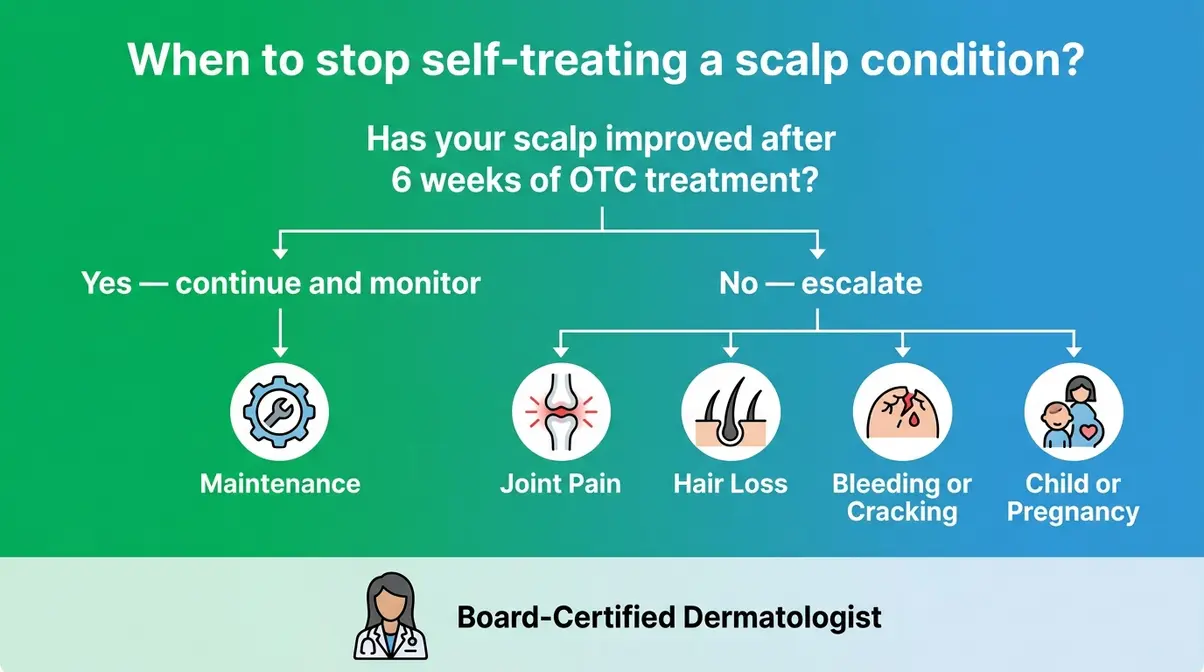
When topical treatments provide inadequate control, or when psoriasis is extensive, severely impacts quality of life, or is accompanied by joint symptoms (psoriatic arthritis), specialist-level care is indicated.
When to escalate to a dermatologist or specialist:
- OTC treatments have failed after 6 weeks of consistent use
- Prescription topicals have provided insufficient relief after 8–12 weeks
- Plaques are extensive, spreading, or causing significant hair loss
- The scalp is cracking, bleeding, or showing signs of secondary infection
- You experience joint pain, swelling, or stiffness — which may indicate psoriatic arthritis
- The condition is significantly affecting your sleep, mental health, or daily functioning
At this tier, treatment options include phototherapy (UV light therapy under medical supervision), oral systemic medications (methotrexate, cyclosporine, acitretin), and biologic therapies — injectable medications targeting specific immune pathways (IL-17, IL-23 inhibitors such as secukinumab and guselkumab). AAD-NPF guidelines recommend biologics such as etanercept and secukinumab as monotherapy options for adult moderate-to-severe plaque psoriasis, including scalp involvement (Healio, AAD-NPF Guidelines).
Consult a board-certified dermatologist if any of the above escalation criteria apply. Scalp psoriasis is a chronic systemic disease — specialist management is not a last resort, it is appropriate care for a condition that has progressed beyond what topical treatments can manage.
Common Scalp Treatment Mistakes
Several common errors delay relief and can worsen outcomes. Recognizing them can save months of frustration.
Mistake 1: Applying dandruff shampoo to psoriasis indefinitely. The most prevalent error on The Diagnostic Spectrum. Anti-dandruff shampoos target Malassezia yeast — they have no mechanism to address the T-cell overactivation driving psoriasis. Using them for months while psoriasis progresses is a missed opportunity for effective treatment.
Mistake 2: Discontinuing treatment during remission. Scalp psoriasis in remission still requires maintenance. Stopping treatment entirely when the scalp clears often leads to a faster, more intense rebound flare.
Mistake 3: Forcibly removing scales. Picking or aggressively scratching psoriasis plaques can cause pinpoint bleeding, introduce infection risk, and trigger the Koebner phenomenon. This phenomenon means that physical trauma to the skin actually signals the immune system to create new psoriasis plaques exactly where the injury occurred.
Mistake 4: Using full-strength steroid treatments long-term without breaks. Prolonged use of high-potency topical corticosteroids without supervised breaks can cause skin thinning, particularly around the hairline and temples.
Mistake 5: Assuming one diagnosis is permanent. Conditions on The Diagnostic Spectrum can overlap or evolve. Someone who starts with seborrheic dermatitis may develop psoriasis features over time. If your previously responsive treatment stops working, re-evaluation is warranted.
What Clears Scalp Psoriasis Fast?
Prescription-strength topical corticosteroids — such as clobetasol propionate in solution or foam form — are the fastest-acting first-line treatments for scalp psoriasis flares. These high-potency steroids reduce inflammation rapidly, typically within 1–2 weeks of consistent use, per AAD-NPF guidelines. For scale removal, using a salicylic acid shampoo before applying the corticosteroid improves penetration and speeds clearing. OTC coal tar shampoos may provide mild relief for very early-stage presentations but are not sufficient for established plaques. For moderate-to-severe disease, a dermatologist may prescribe biologics, which can achieve sustained clearance. “Fast” clearing without a prescription is unlikely once psoriasis plaques are established.
Can Dandruff Shampoo Cure Psoriasis?
No — dandruff shampoo cannot treat or cure psoriasis because the two conditions have entirely different biological causes. Dandruff shampoos target Malassezia yeast or slow surface cell shedding. Scalp psoriasis is driven by T-cell overactivation in the immune system — a mechanism that antifungal or anti-yeast ingredients do not address. Some dandruff shampoos containing coal tar may provide mild scale-softening relief for very mild psoriasis, but they do not treat the underlying autoimmune process. If you have been using dandruff shampoo consistently for 4–6 weeks without improvement, this is a signal your condition likely requires prescription treatment.
When to See a Dermatologist
Common Self-Diagnosis Pitfalls
Pitfall 1: Confusing seborrheic dermatitis with dandruff. Seborrheic dermatitis is not simply “bad dandruff” — it is a distinct inflammatory condition that requires different management. Treating seborrheic dermatitis as plain dandruff (with standard shampoos only) may provide partial relief but is unlikely to control chronic flares effectively.
Pitfall 2: Missing scalp psoriasis on darker skin tones. As covered in H2 #2, psoriasis on darker skin does not present with the classic red-and-silver appearance. Dismissing violet, brown, or grey scalp patches as “discoloration” or “just dandruff” can delay appropriate diagnosis by months or years.
Pitfall 3: Attributing all scalp flaking to one cause. Overlap conditions (sebopsoriasis) and simultaneous conditions (psoriasis plus seborrheic dermatitis) exist. A single-cause assumption can lead to partial treatment at best.
When to Stop Self-Treating
Scenario 1: No improvement after 6 weeks of OTC treatment. If consistent use of an appropriate OTC product has produced no meaningful improvement, the condition likely sits further along The Diagnostic Spectrum than OTC options can address. This is not a failure — it is diagnostic information. A dermatologist can confirm the diagnosis and prescribe targeted treatment.
Scenario 2: Joint pain accompanying scalp symptoms. Psoriatic arthritis affects approximately 30% of people with psoriasis. Joint pain, swelling, or morning stiffness alongside scalp symptoms is a clinical flag that should prompt prompt professional evaluation — not continued self-treatment.
Scenario 3: Symptoms in children or during pregnancy. Scalp psoriasis in children requires pediatric dermatology evaluation. Treatment during pregnancy requires specialist guidance, as many standard psoriasis medications carry fetal risk.
Seeking Immediate Expert Help
The following situations warrant prompt consultation with a board-certified dermatologist rather than continued self-management:
- Scalp is cracking, bleeding, or showing signs of infection (pus, increasing warmth, spreading redness)
- Significant hair loss is occurring
- Symptoms are substantially affecting sleep, work, or mental health
- You have a systemic condition (diabetes, cardiovascular disease, immunocompromised state) that may interact with treatment options
- You are unsure whether your diagnosis is correct after reading this guide
According to the American Academy of Dermatology (AAD), you should seek immediate evaluation if your scalp condition begins to interfere with your quality of life or causes joint pain. A dermatologist can diagnose scalp conditions using clinical examination, dermoscopy, and in ambiguous cases, a scalp biopsy. There is no self-assessment tool — including this guide — that replaces that evaluation.
Frequently Asked Questions
Psoriasis or Dandruff: How to Tell?
The most reliable distinguishing signs are flake type and response to treatment. Dandruff produces small, loose, white or yellowish flakes that fall freely and improve with anti-dandruff shampoo within 2–4 weeks. Scalp psoriasis produces thick, silvery-white, adherent scales on inflamed skin that do not improve with anti-dandruff shampoo — because psoriasis is an autoimmune condition, not a yeast problem. A practical test: shake your hair over a dark surface. If flakes fall freely, dandruff or dry scalp is likely. If scales stay attached, psoriasis is more consistent. For a definitive diagnosis, consult a board-certified dermatologist.
Primary Triggers for Scalp Psoriasis
Psychological stress is consistently cited as the most common trigger, with research indicating that 31–88% of people with psoriasis report stress as a flare factor (Medical News Today, 2026). Stress activates the immune system through neuro-immune pathways, directly amplifying the IL-17/IL-23 inflammatory cascade that drives psoriasis. Other major triggers include streptococcal infections (which can trigger a flare 2–6 weeks after illness), smoking, excessive alcohol consumption, and skin trauma (the Koebner phenomenon). Identifying your personal trigger pattern — through a symptom diary — can significantly reduce flare frequency over time.
Best Shampoos for Scalp Psoriasis
No single OTC shampoo “treats” scalp psoriasis, but certain active ingredients can help manage scale and mild symptoms. Coal tar shampoos reduce skin cell overproduction and may soften plaques. Salicylic acid shampoos remove scale, improving skin barrier access for other treatments. For mild presentations, these can provide meaningful symptomatic relief. For established or moderate-to-severe psoriasis, prescription shampoos containing clobetasol propionate are significantly more effective — and are available only through a dermatologist. The Mayo Clinic recommends salicylic acid shampoos as a first OTC step, used in combination with (not instead of) prescription treatments when those are warranted.
Organs Linked to Psoriasis
Psoriasis is primarily a disease of the immune system — specifically involving dysregulation of T-cells and the cytokine pathways they control — that manifests in the skin. However, psoriasis is now classified as a systemic inflammatory disease (psoriatic disease), meaning it affects multiple organs. The most clinically important associations are with the joints (psoriatic arthritis, affecting approximately 30% of people with psoriasis), the cardiovascular system (increased risk of heart disease), the liver (non-alcoholic fatty liver disease), and mental health (depression and anxiety are significantly more common in people with psoriasis). The National Psoriasis Foundation and AAD both recommend that people with psoriasis receive regular screening for these comorbidities, not just skin management.
Can Diet Affect Scalp Psoriasis Flare-Ups?
While diet does not cause psoriasis, certain dietary choices can influence the severity of systemic inflammation and subsequent flare-ups. Research suggests that diets high in refined sugars, saturated fats, and ultra-processed foods may exacerbate inflammatory pathways. Conversely, anti-inflammatory diets rich in omega-3 fatty acids, antioxidants, and fresh vegetables may help support immune regulation. Additionally, weight management is critical, as obesity is an independent risk factor for increased psoriasis severity. Patients should consult their healthcare provider before making drastic dietary changes to manage their condition.
Is Scalp Psoriasis Contagious to Others?
No, scalp psoriasis is entirely non-contagious and cannot be spread from person to person through physical contact, shared hairbrushes, or towels. The condition is driven by an internal autoimmune malfunction where the body’s immune system mistakenly attacks its own healthy skin cells. While the visible plaques and flaking can sometimes cause social anxiety or misconceptions, there is zero risk of transmitting psoriasis to another individual. The genetic predisposition for the disease can be inherited, but the condition itself is never “caught” like a fungal or bacterial infection.
Does Hair Dye Worsen Scalp Psoriasis?
Hair dye and chemical treatments do not cause psoriasis, but they can severely irritate an already inflamed scalp and trigger a flare-up. The harsh chemicals found in many permanent dyes, bleaches, and relaxers can compromise the skin barrier and induce the Koebner phenomenon, where trauma to the skin creates new plaques. Dermatologists generally recommend avoiding chemical processing during an active flare. When the condition is in remission, patients should opt for gentle, patch-tested formulas and inform their stylist to avoid aggressively scrubbing or scratching the scalp during the application process.
Conclusion
For adults experiencing persistent scalp flaking and itching, accurately distinguishing scalp psoriasis vs dandruff is the foundation of effective treatment. Scalp psoriasis affects 50–80% of people with psoriasis and is driven by an autoimmune T-cell process — not the Malassezia yeast that causes dandruff. The Diagnostic Spectrum framework — positioning dandruff, seborrheic dermatitis, and scalp psoriasis on a single inflammatory continuum — gives you a structured way to locate your condition and choose the right treatment tier from the start.
The Diagnostic Spectrum is more than a comparison tool. It reflects the biological reality that these conditions share a continuum of immune involvement, and that treatment must be matched to the degree of that involvement. Using a dandruff shampoo for psoriasis is not just ineffective — it delays appropriate care for a chronic systemic disease that responds best to early, targeted treatment.
If your scalp condition has not improved after 4–6 weeks of appropriate OTC treatment, or if you recognize the symptoms of psoriasis — thick adherent scales, extension beyond the hairline, intense burning itch, or the characteristic appearance on darker skin tones — the right next step is a consultation with a board-certified dermatologist. Request an appointment, describe your symptom timeline, and ask specifically about The Diagnostic Spectrum framework. Early diagnosis and a tiered treatment plan are the most reliable path to lasting relief.

care.about.your.hair.admin.usr
Writes evidence-based hair-care guides for Care About Your Hair — for every hair type, jargon-free and independent.