 care.about.your.hair.admin.usr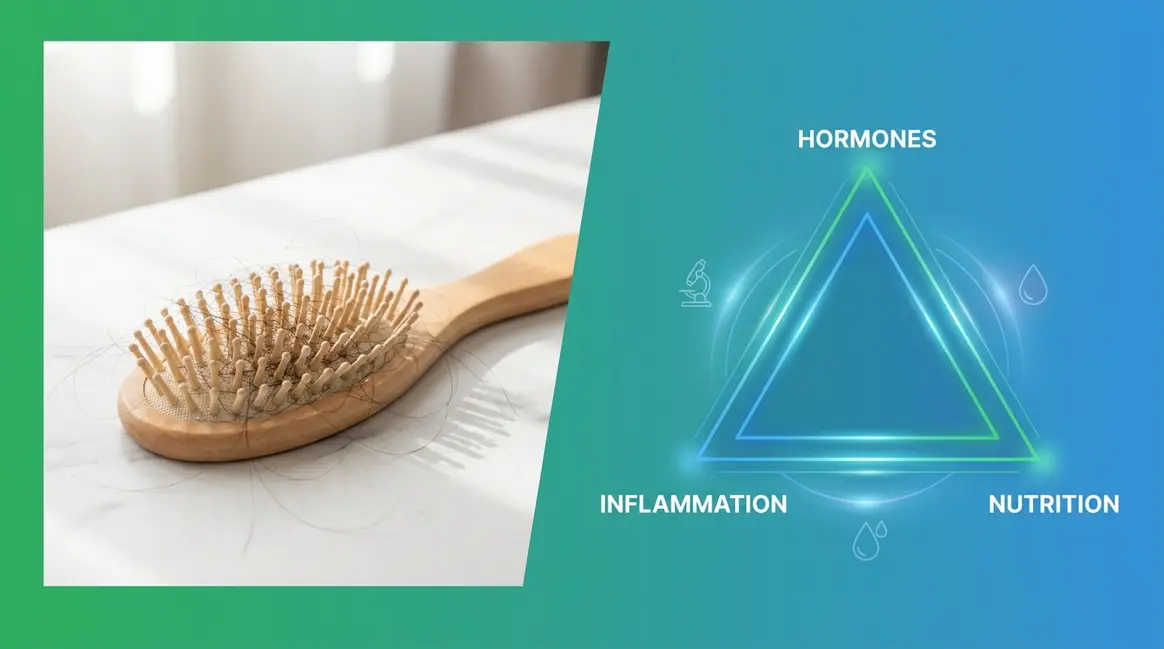
⚠️ Medical Disclaimer: This article is for informational purposes only and does not constitute medical advice. Hair loss can be a symptom of underlying medical conditions. Always consult a qualified healthcare professional — such as a dermatologist or your primary care physician — before beginning any treatment or supplement regimen.
- Diagnostic Preparation
- Estimated Time: 15–20 minutes to read and complete the self-assessment.
- Tools and Materials Needed: A mirror, a hairbrush, recent blood test results (if available), and a notebook for tracking symptoms.
You notice it in the shower drain first — more hair than seems normal, coiled against the white plastic. Then on your pillow. Then on your brush. The question that follows is almost always the same: Is this normal? Is something wrong with me?
That fear spiral is understandable. Hair shedding is visible, measurable, and deeply personal. But here’s the reassurance clinical research offers: the vast majority of hair falling out causes are diagnosable — and most are reversible once the root cause is identified.
Most guides hand you a generic list. This one goes further. By the end, you’ll understand the three root-cause categories that drive most non-hereditary hair loss, know the specific blood-test thresholds worth requesting from your doctor, and have a clear next step — whether that’s a dietary change, a lab panel, or a dermatology referral.
Key TakeawaysKey Takeaways: Hair Falling Out Causes
The most common hair falling out causes include hormonal shifts, nutritional deficiencies, and genetic sensitivity to DHT.
1. Shedding 50–100 hairs per day is normal — consistent loss beyond that warrants investigation.
2. Three root-cause categories (The Diagnostic Triangle) drive most non-hereditary hair loss: Hormones, Inflammation, and Nutrition.
3. Iron deficiency is the world’s most common nutritional cause of hair shedding — a 2026 retrospective review of 2,851 female patients confirmed a statistically significant association (NIH PMC, 2026).
4. Thyroid disorders affect up to 50% of hyperthyroid patients with hair loss as a documented symptom (NIH, 2026).
5. Most causes are reversible — identifying and treating the root cause is the fastest path to regrowth.
What Causes Hair to Fall Out? Core Triggers
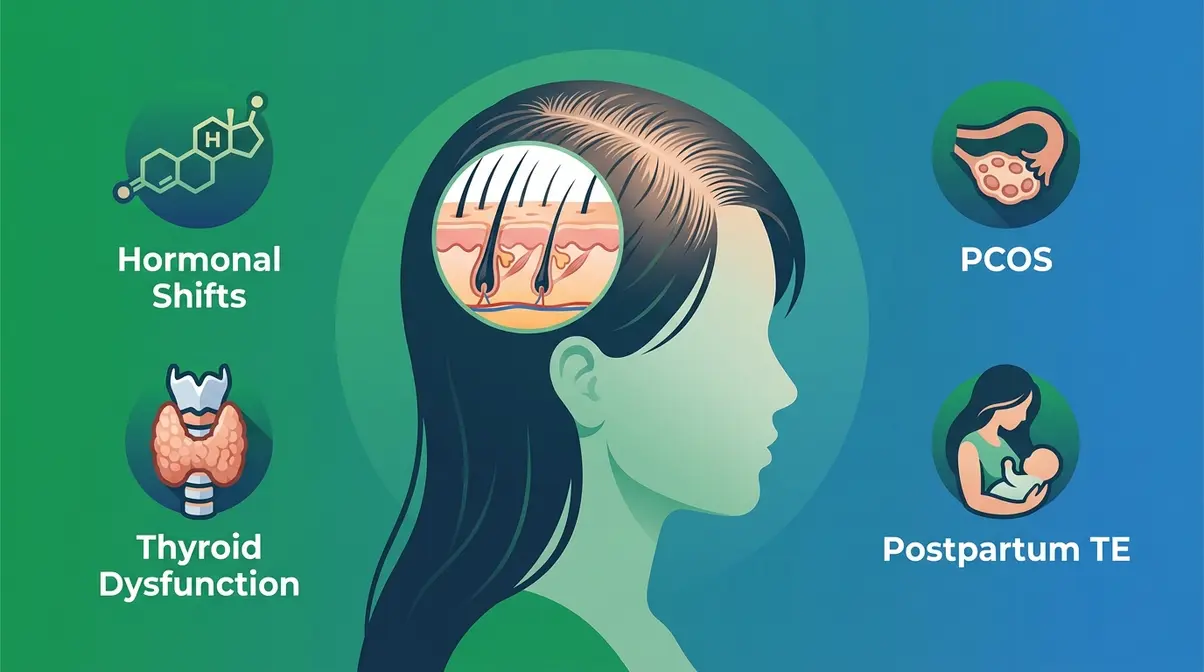
Hair falling out causes fall into four main categories: hereditary pattern loss, hormonal disruption, nutritional deficiency, and stress-related shedding. At any given moment, roughly 85–90% of your scalp hairs are actively growing — when something disrupts that balance, the result is visible shedding.
The most common causes of hair falling out include:
- Hereditary pattern baldness (androgenetic alopecia)
- Hormonal shifts (pregnancy, menopause, thyroid dysfunction, PCOS)
- Nutritional deficiencies (iron/ferritin, Vitamin D, B12, zinc)
- Physical or emotional stress (telogen effluvium)
- Autoimmune conditions (alopecia areata)
- Scalp infections (ringworm/tinea capitis)
- Certain medications (chemotherapy, blood thinners, antidepressants)
- Traction from tight hairstyles (traction alopecia)
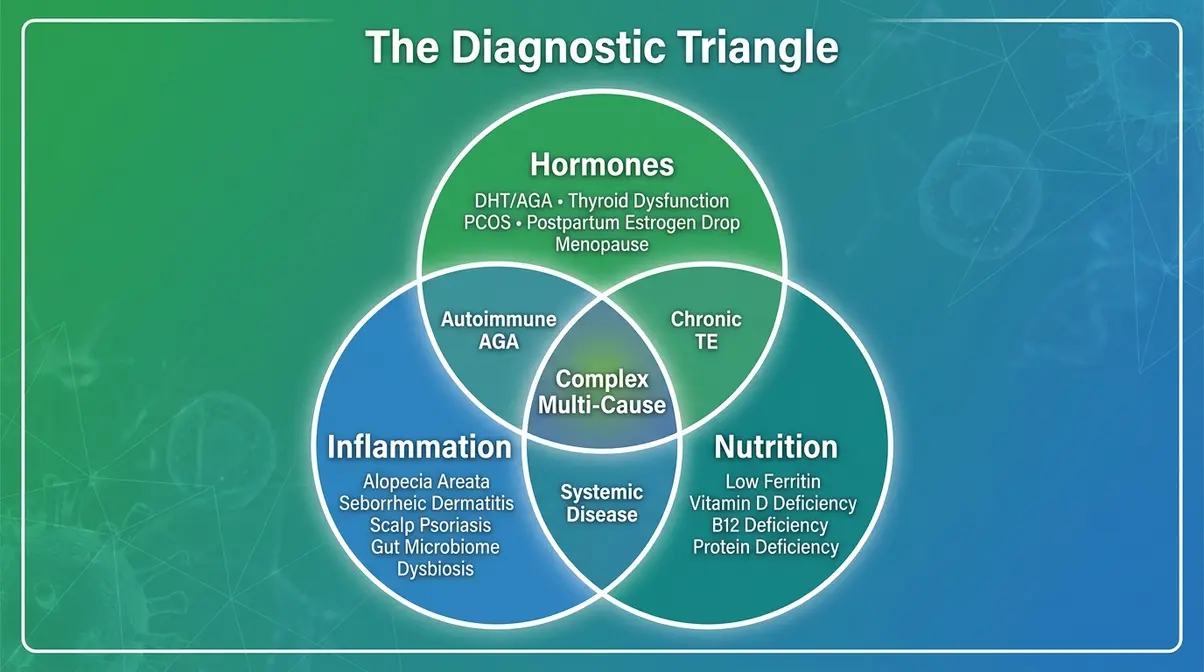
Understanding which category applies to your situation is the difference between treating symptoms and treating the cause. That’s the purpose of The Diagnostic Triangle — a framework organizing the root causes of non-hereditary hair loss into three overlapping categories: Hormones (endocrine disruption), Inflammation (autoimmune and scalp conditions), and Nutrition (deficiency-driven shedding). These three vertices interact — a hormonal imbalance can worsen a nutritional deficiency, and chronic inflammation can amplify both. As the NIH diet and hair loss review documents, iron deficiency is the world’s most common nutritional deficiency and a well-documented cause of hair shedding (PMC5315033, 2017).
The Diagnostic Triangle helps explain why two people with identical shedding patterns may need completely different treatments — the cause determines the cure. Let’s examine each pillar.
The Hair Growth Cycle and Disrupters
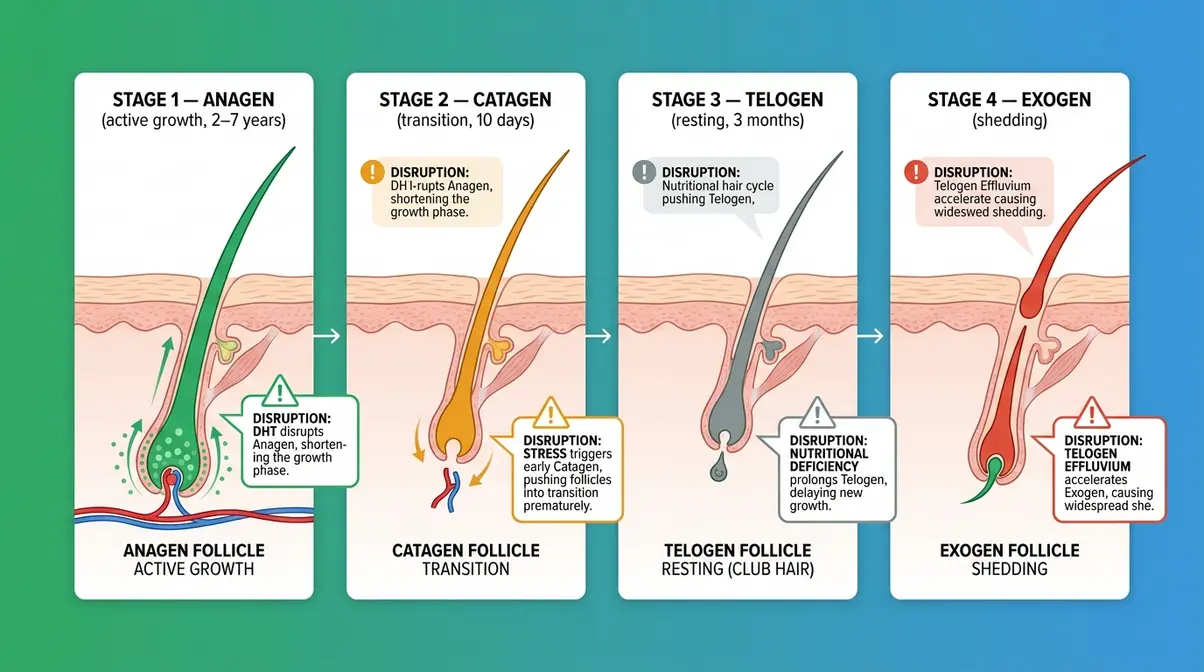
Your hair doesn’t grow continuously. It cycles through four distinct phases: Anagen (active growth, lasting 2–7 years), Catagen (a brief transitional phase, roughly 10 days), Telogen (resting, approximately 3 months), and Exogen (active shedding). According to the AAD hair shedding guide, normal hair shedding of 50–100 hairs per day is part of the telogen phase — it’s a built-in feature of the cycle, not a malfunction.
At any given time, approximately 85–90% of your hairs are in the anagen phase, with 10–15% resting in telogen. When stressors, nutritional deficits, or hormonal shifts prematurely push follicles from anagen into telogen, the result is telogen effluvium (TE) — a temporary, diffuse shedding condition.
The clinical insight most people miss: shedding appears 2–3 months after the trigger event, not during it. If you noticed heavy hair falling out in January, the likely trigger was an illness, crash diet, or major life stressor in October or November. This delay is the single biggest reason people can’t identify the cause without knowing the mechanism.
A useful clinical check worth discussing with your doctor is the pull test: if more than 3–4 hairs come out with a gentle tug on a small section of hair, this may warrant professional evaluation.
Transition: Now that you understand what disrupts the cycle, let’s look at the three root-cause categories — The Diagnostic Triangle — that drive the majority of hair falling out cases.
Genetics, Hormones, and the DHT Factor
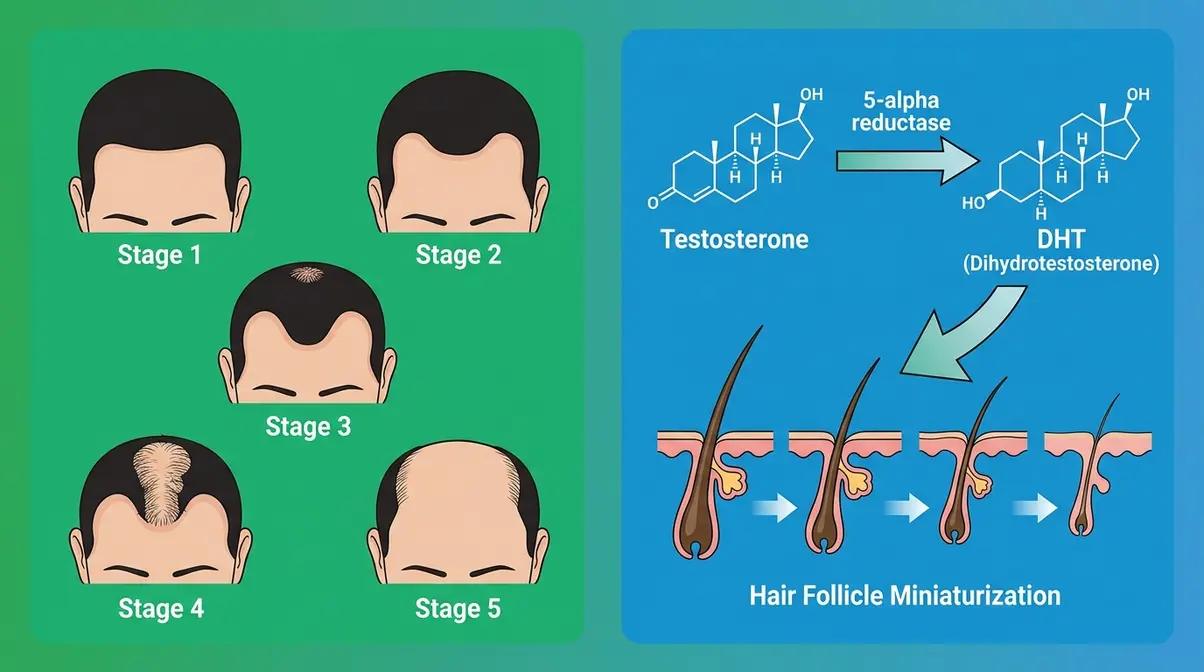
Androgenetic alopecia (hereditary hair loss) is the single most common cause of hair loss globally. NIH-linked data from MedlinePlus estimate that approximately 50 million men and 30 million women in the United States are affected — and a 2026 PLOS ONE epidemiological analysis found that up to 80% of men and 50% of women develop AGA by age 70 (PLOS ONE, 2026).
The mechanism: a genetic sensitivity to DHT (dihydrotestosterone), a hormone derived from testosterone via the enzyme 5-alpha reductase. In susceptible individuals, DHT binds to follicle receptors and gradually shortens the anagen phase, causing follicles to miniaturize over time — producing finer, shorter hairs until the follicle stops producing hair entirely. As shown in the hair growth cycle infographic above, disruption during the anagen phase is the primary mechanism in DHT-driven hair loss.
This is the Hormones vertex of The Diagnostic Triangle. Beyond DHT, hormonal causes include thyroid dysfunction, estrogen decline at menopause, androgen excess in PCOS, and postpartum estrogen withdrawal. The critical point: most hormonal causes are reversible once the underlying imbalance is corrected. A woman who notices diffuse thinning across the entire scalp — rather than a receding hairline — is more likely experiencing hormonal or nutritional disruption than hereditary pattern loss. The NIAMS alopecia areata resource confirms that autoimmune and hereditary forms of hair loss affect tens of millions of Americans.
Transition: Stress is the third pillar of The Diagnostic Triangle — and the one most people underestimate because its effects are delayed.
Stress, Illness, and Telogen Effluvium
Telogen effluvium (TE) is a temporary, diffuse shedding condition where a physical or emotional shock pushes a large percentage of hair follicles simultaneously into the resting (telogen) phase. The result is heavy shedding 2–3 months later. According to the American Academy of Dermatology, TE is typically reversible — most acute episodes resolve within 6–9 months once the trigger is removed.
Common TE triggers include high fever, major surgery, childbirth, crash dieting (particularly caloric restriction below 1,200 kcal/day), severe psychological stress, and significant weight loss. COVID-19 illness was a well-documented trigger: a 2026 NIH/PMC study found TE in approximately 26% of COVID-19 survivors overall, with rates of 21.6% in hospitalized patients and 30.8% in outpatients (PMC10862107, 2026). A 2026 global epidemiology analysis estimated that the global prevalence of TE rose from 3.44% before the pandemic to 5.41% after it (PMC11582742, 2026).
Scenario: Your hair started falling out heavily in March. Think back to December or January — did you have a serious illness, start a restrictive diet, or experience a major life event? That 2–3 month gap is the likely explanation.
Chronic TE (lasting more than 6 months) is distinct from acute TE. It often signals an ongoing stressor — typically a nutritional deficiency, chronic illness, or persistent psychological stress. A 2026 retrospective review of 2,851 female TE patients found ferritin deficiency predominantly in the 18–45 age group, with a statistically significant association between low ferritin and TE (p = 0.041) (PMC11826290, 2026). This is where The Diagnostic Triangle’s Nutrition vertex becomes directly relevant.
Two less-discussed stress-category causes are worth naming: trichotillomania (a compulsive hair-pulling disorder that damages follicles over time) and radiation therapy, which can cause temporary or permanent hair loss depending on the dose and location.
Important: Shedding 2–3 months after a stressful event is normal physiology, not a sign of permanent damage — but it warrants investigation if it persists beyond 6 months.
Transition: Beyond stress and hormones, everyday lifestyle choices — diet, sleep, and hair care habits — form the fourth category of hair falling out causes.
Lifestyle and Environmental Triggers
Diet quality matters more than most people realize. A systematic review on diet and hair health concluded that diet plays a crucial role in hair health, highlighting the benefits of Vitamin D and iron while identifying alcohol consumption and ultra-processed diets high in refined sugar as contributors to hair shedding (PubMed 40836838, 2026). Protein is the primary building block of keratin — the structural protein in hair — so low-protein diets directly compromise hair shaft integrity.
Several common medications cause hair loss as a side effect:
| Medication Class | Examples | Reversible? |
|---|---|---|
| Chemotherapy agents | Doxorubicin, cyclophosphamide | Usually yes, after treatment ends |
| Blood thinners | Warfarin, heparin | Yes, after discontinuation |
| Beta-blockers | Metoprolol, atenolol | Usually yes |
| Retinoids | Isotretinoin, acitretin | Yes, dose-dependent |
| High-dose Vitamin A | Supplements >25,000 IU/day | Yes |
Traction alopecia — hair loss caused by tight hairstyles (braids, weaves, high ponytails) — pulls chronically on follicle roots. If traction is sustained for years, follicle damage can become permanent. Toxic exposures, including arsenic and thallium poisoning, are rare but documented causes of sudden, diffuse hair loss.
Emerging 2026 research on the gut-hair axis adds another lifestyle dimension worth noting. A 2026 review published in NIH/PMC found that gut and scalp microbiome alterations are associated with multiple types of alopecia (PMC10617895, 2026). Gut microbiome dysbiosis (an imbalance of intestinal bacteria) may contribute to systemic inflammation that disrupts hair growth — partly via elevated cortisol and impaired nutrient absorption. A 2026 Mendelian randomization study further identified specific gut bacteria as causal contributors to androgenetic alopecia (PMC11688025, 2026). This is a promising but still-emerging area of research — current evidence is preliminary and more clinical trials are needed before specific microbiome interventions can be recommended.
Why Is My Hair Falling Out? Causes in Women
Picture this: a woman in her early thirties notices her ponytail is thinner than it was two years ago. Her thyroid panel came back “normal.” Her doctor reassured her. But she’s still losing more hair than feels right. This scenario — thinning hair that doesn’t fit a single obvious explanation — is one of the most common presentations in women’s hair loss, and it’s precisely where The Diagnostic Triangle’s three-vertex framework proves its value.
Women experience hair falling out causes that are distinct from men’s in both mechanism and timing. Hormonal fluctuations tied to reproductive life stages are the dominant driver — but they rarely act alone. Many women find that incorporating the best hair growth serum can help support follicle health during these transitions, though addressing the root cause remains essential.
Pregnancy and Postpartum Hair Loss
During pregnancy, elevated estrogen levels extend the anagen (growth) phase, which is why many women enjoy noticeably thicker hair in their second and third trimesters. After delivery, estrogen levels drop sharply, and a large proportion of follicles shift simultaneously into telogen. The result — postpartum telogen effluvium — typically begins 2–4 months after birth and can last 6–12 months. Clinical data from the American College of Obstetricians and Gynecologists indicate this affects a significant majority of postpartum women, though most experience full recovery without intervention (AAD, 2026).
The reassurance worth repeating: postpartum hair shedding is not permanent hair loss. It is a physiological reset. However, if shedding continues beyond 12 months postpartum, nutritional evaluation — particularly for ferritin and Vitamin D — is warranted, as pregnancy depletes both significantly.
Menopause, PCOS, and Thyroid Disorders
Estrogen partially counteracts DHT’s effect on hair follicles. As estrogen declines at perimenopause and menopause, DHT’s influence on follicles increases — even without any change in DHT levels themselves. The result is diffuse thinning, most noticeable at the crown and along the part line. This is female androgenetic alopecia, and it affects approximately 50% of women by age 65 (PLOS ONE, 2026).
PCOS (polycystic ovary syndrome) causes elevated androgens, including testosterone and DHT, which accelerates follicle miniaturization in susceptible women. The Mayo Clinic notes that hair thinning in PCOS often appears alongside other androgen-excess symptoms: irregular periods, acne, and excess facial or body hair.
Thyroid disorders — both hypothyroidism (underactive) and hyperthyroidism (overactive) — disrupt the hair growth cycle. Clinical data indicate that hair loss affects up to 50% of patients with hyperthyroidism (NIH, 2026). Importantly, even subclinical hypothyroidism (TSH elevated above 4.0–4.5 mIU/L with normal free T4) is recognized as a potential contributor to diffuse hair shedding, making TSH testing a standard part of any hair loss workup.
Iron and Nutritional Needs in Women
Iron deficiency is the most common nutritional cause of hair falling out in women of reproductive age — and it’s frequently missed because standard lab panels flag deficiency only at very low levels. A 2026 NIH/PMC article on female alopecia proposes redefining the “adequate” ferritin level for hair growth as ≥60 ng/mL, compared to the anemia threshold of approximately 10–15 ng/mL (PMC10683524, 2026). The gap between “not anemic” and “enough iron for hair” is where most women fall through.
A 2026 study found that 60% of chronic TE patients had Vitamin B12 levels below 250 pg/mL, compared to just 26% of controls (p = 0.004) (JDDS, 2026). A 2026 meta-analysis further confirmed that patients with non-scarring alopecia had Vitamin D levels approximately 7.3 ng/mL lower than healthy controls and a threefold higher incidence of Vitamin D deficiency (PubMed 38010941, 2026).
Why Men Lose Hair: Genetics, DHT, and Beyond
Male hair loss follows a predictable pattern in the majority of cases — but the predictability can be deceptive. Most men assume their thinning hair is purely genetic. For many it is. For a meaningful subset, however, modifiable factors are contributing, and addressing them can slow progression significantly.
Androgenetic Alopecia and DHT Mechanism
Androgenetic alopecia (AGA) — male pattern baldness — accounts for approximately 37.7% of all nonscarring alopecia diagnoses (NCBI StatPearls, 2026). According to the American Academy of Dermatology, the mechanism is well established: DHT binds to androgen receptors in genetically susceptible follicles, progressively shortening the anagen phase until follicles produce only fine, unpigmented vellus hairs, then stop producing hair entirely.
Male pattern loss typically follows the Norwood-Hamilton scale — beginning at the temples and crown and progressing toward the vertex. By age 50, approximately 50% of men show significant AGA; by age 70, that figure approaches 80% (PLOS ONE, 2026). The genetic contribution is polygenic — multiple genes from both parents contribute — which is why the old “blame your maternal grandfather” rule is an oversimplification.
A 2026 meta-analysis of seven RCTs (N = 396) published in the National Institutes of Health found that the combination of topical minoxidil and finasteride was superior to either treatment alone for male AGA (Frontiers in Medicine, 2026). Among 502 men treated with combined oral minoxidil and finasteride over 12 months, 92.4% were stable or improved, and 57.4% showed overt regrowth (PMC11829753, 2026). These are prescription options — consult a dermatologist to determine whether they’re appropriate for your situation.
Other Contributing Factors in Men
Nutritional deficiencies are not exclusive to women. Men with low ferritin, Vitamin D deficiency, or elevated TSH can experience diffuse shedding that mimics or accelerates pattern loss. A comprehensive hair loss workup should include these markers regardless of sex.
Scalp conditions — seborrheic dermatitis, psoriasis, and fungal infections (tinea capitis) — create an inflammatory microenvironment around follicles. This is the Inflammation vertex of The Diagnostic Triangle, and it’s frequently underdiagnosed in men who attribute all thinning to genetics.
Lifestyle factors also contribute: chronic sleep deprivation elevates cortisol, which can push follicles into telogen. High-intensity exercise without adequate protein intake creates a catabolic environment that deprioritizes hair growth. And medications — particularly anabolic steroids, which dramatically increase DHT conversion — are a documented but underreported cause of accelerated hair loss in men under 40.
What Does Your Hair Loss Pattern Tell You?
A 2026 clinical review from the Cleveland Clinic noted that the pattern and distribution of hair loss is often the most diagnostically useful piece of information a dermatologist collects — before any blood test is ordered. Your shedding pattern is a signal. Learning to read it narrows the Diagnostic Triangle considerably.
Gradual Thinning vs. Sudden Shedding
Gradual thinning over months or years — particularly at the crown, temples, or along the part line — strongly suggests androgenetic alopecia or a hormonal cause. The follicles are miniaturizing slowly. This pattern responds best to DHT-blocking treatments and hormonal correction.
Sudden, diffuse shedding — handfuls in the shower, clumps on the brush — almost always points to telogen effluvium. The trigger was 2–3 months ago. Sudden shedding across the entire scalp, without a clear pattern, is rarely hereditary and almost always has an identifiable cause (illness, diet change, hormonal shift, medication).
Patchy loss — circular or oval bald patches — is the hallmark of alopecia areata, an autoimmune condition. The National Alopecia Areata Foundation defines patchy loss as a condition that can appear overnight and may affect eyebrows and body hair as well as the scalp.
Hair Falling Out in Clumps
Hair falling out in clumps — particularly after a fever, surgery, or extreme stress — is the classic presentation of acute telogen effluvium. The volume can be alarming: some individuals shed 300–400 hairs per day during a TE episode, compared to the normal 50–100. This looks catastrophic but is almost always temporary.
Clumping hair loss accompanied by scalp pain, burning, or scarring may indicate a scarring alopecia — a rarer condition where inflammation permanently destroys follicles. This requires urgent dermatological evaluation, as early treatment can prevent permanent damage.
Hair Falling Out from the Root
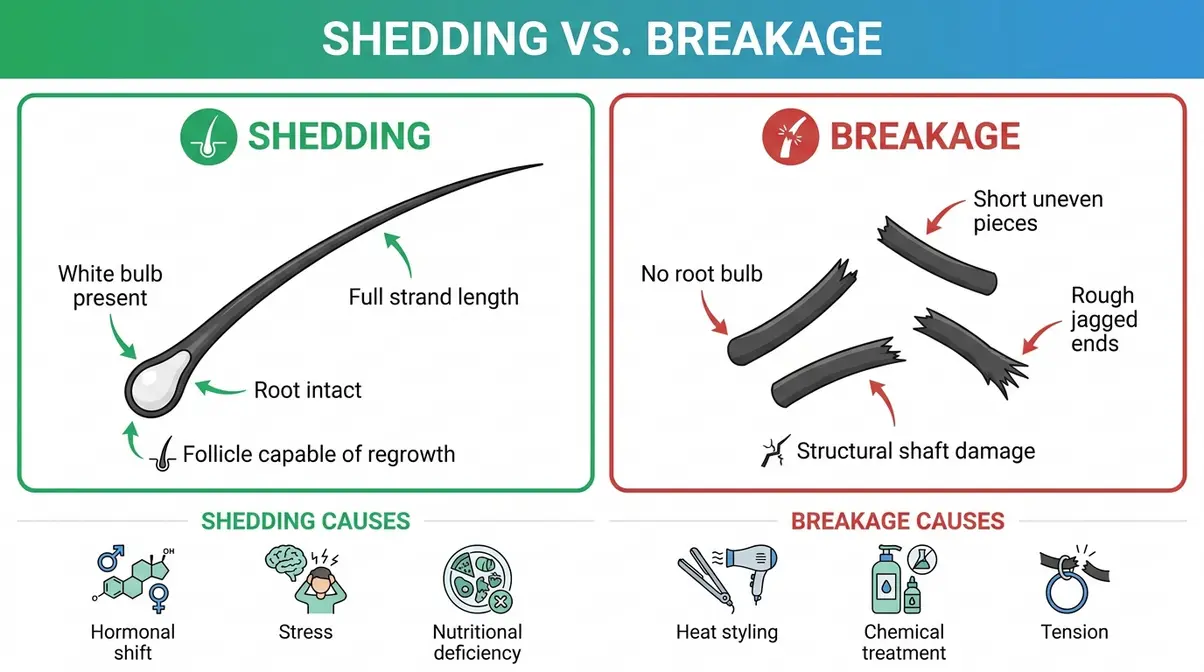
When hair falls out with a visible white bulb at the tip, it has shed from the root — this is normal telogen shedding. The white bulb is the club-shaped root of a telogen hair; its presence means the follicle is intact and capable of regrowth.
Hair breaking off mid-shaft — without a white bulb, with uneven lengths and a rough texture — indicates breakage rather than shedding. Breakage is caused by structural damage to the hair shaft: chemical treatments, heat styling, excessive tension, or severe protein deficiency. Breakage looks like hair loss but is not driven by the same internal mechanisms — it requires a different approach (protective styling, protein treatments, reduced chemical exposure) rather than hormonal or nutritional intervention.
Medical Conditions and Deficiencies Causing Loss
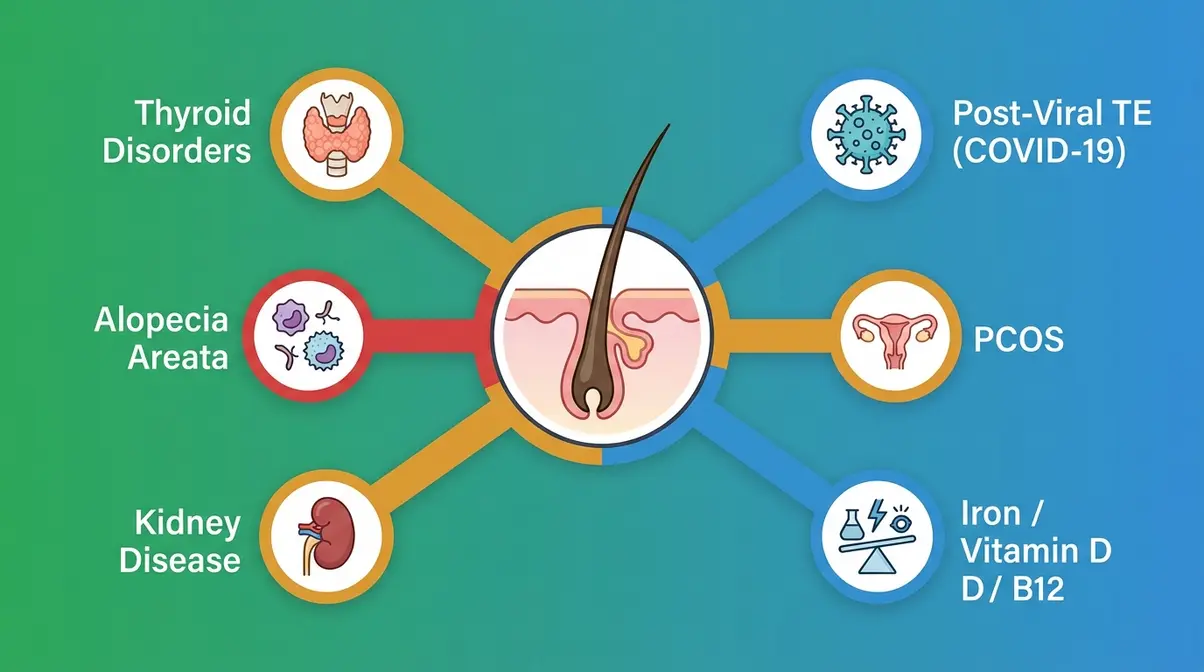
“Hair loss is a symptom of more than 30 diseases, including polycystic ovary syndrome, ringworm on your scalp, thyroid disorders, and autoimmune diseases.”
This quote captures something most generic hair loss guides miss: hair shedding is frequently a symptom, not a standalone condition. When the Diagnostic Triangle’s three vertices are all in play — Hormones disrupted, Inflammation active, Nutrition depleted — the hair follicle is operating under significant systemic stress. Identifying which medical conditions are driving each vertex is the diagnostic work that leads to real resolution.
Autoimmune Conditions & Alopecia Areata
Alopecia areata (AA) is an autoimmune condition in which the immune system mistakenly attacks hair follicles, causing patchy hair loss on the scalp, eyebrows, eyelashes, and body. It affects approximately 2% of the global population at some point in their lifetime (NIAMS, 2026). In severe cases — alopecia totalis (complete scalp loss) and alopecia universalis (all body hair) — the condition can be psychologically devastating.
The Inflammation vertex of The Diagnostic Triangle is most directly expressed in AA. Recent research is illuminating the gut-hair connection: a 2026 review in PubMed found that AA patients show bacterial dysbiosis in both scalp and gut, with altered microbial composition influencing immune dysregulation (PubMed 40529475, 2026). A 2026 Mendelian randomization study identified specific gut bacterial genera as causal contributors to AGA (PMC11688025, 2026). The gut-hair axis is a promising but still-emerging area — current evidence is preliminary, and microbiome-targeted interventions for hair loss are not yet standardized.
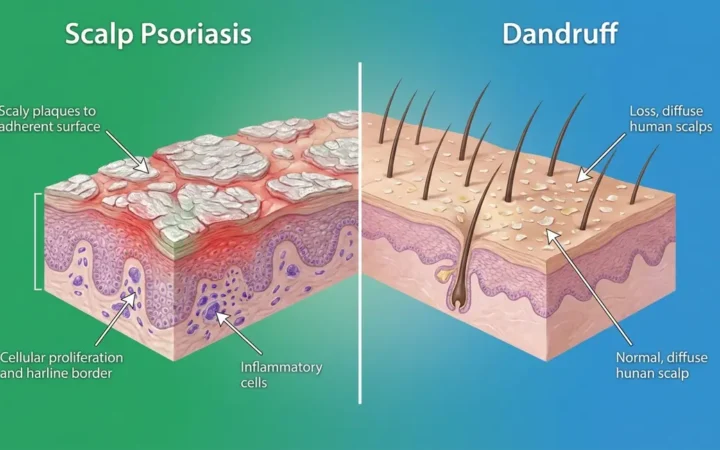
Scalp psoriasis and seborrheic dermatitis also fall into the Inflammation vertex. Both create chronic perifollicular inflammation that can disrupt the hair cycle and cause temporary shedding. Treating the underlying scalp condition typically resolves the associated hair loss.
Thyroid Disorders and Kidney Disease
Both hypothyroidism and hyperthyroidism disrupt the hair growth cycle — thyroid hormones regulate the metabolic rate of virtually every cell, including follicle cells. According to the National Institute of Diabetes and Digestive and Kidney Diseases, diffuse, generalized thinning across the entire scalp is the characteristic pattern. Crucially, hair loss may persist for several months even after thyroid levels are normalized, as the follicles need time to re-enter the anagen phase.
Kidney disease causes hair loss through multiple mechanisms: protein malnutrition (reduced protein available for keratin synthesis), anemia (often iron-deficiency anemia), and systemic inflammation. Patients on dialysis are particularly susceptible to diffuse thinning.
Lab Thresholds for Hair Nutrients
This is the information most competitor articles omit entirely — and it’s the most actionable data this guide can provide. Standard lab “normal” ranges are calibrated to prevent disease, not to optimize hair health. The gap between “not deficient” and “enough for hair” is clinically significant. If your hair is falling out without an obvious cause, reviewing the top 10 vitamins for hair health alongside a blood panel is a logical first step.
| Nutrient | Standard “Normal” | Hair-Specific Risk Zone | Hair-Optimal Target | Key Source |
|---|---|---|---|---|
| Ferritin (Iron Storage) | ≥20 ng/mL (women) | <25–30 ng/mL | ≥60 ng/mL | PMC10683524, 2026 |
| Vitamin D (25(OH)D) | ≥20 ng/mL | <20 ng/mL; TE risk ↑ below ~23 ng/mL | 30–50 ng/mL | PubMed 38010941, 2026 |
| Vitamin B12 | ≥200 pg/mL | <250 pg/mL (hair-loss studies) | >300–400 pg/mL | JDDS, 2026 |
| TSH (Thyroid) | 0.4–4.0 mIU/L | >4.5 mIU/L (subclinical hypothyroid) | 0.5–2.5 mIU/L | ATA Guidelines |
How to use this table: Bring it to your next doctor’s appointment. Ask for a ferritin level (not just serum iron), a 25(OH)D Vitamin D test, a B12 level, and a TSH. If any result falls in the “Hair-Specific Risk Zone,” discuss supplementation or treatment with your physician. The ferritin threshold is particularly important: a 2026 NIH/PMC study proposed redefining adequate ferritin for hair growth as ≥60 ng/mL — far above the anemia threshold of 10–15 ng/mL (PMC10683524, 2026).
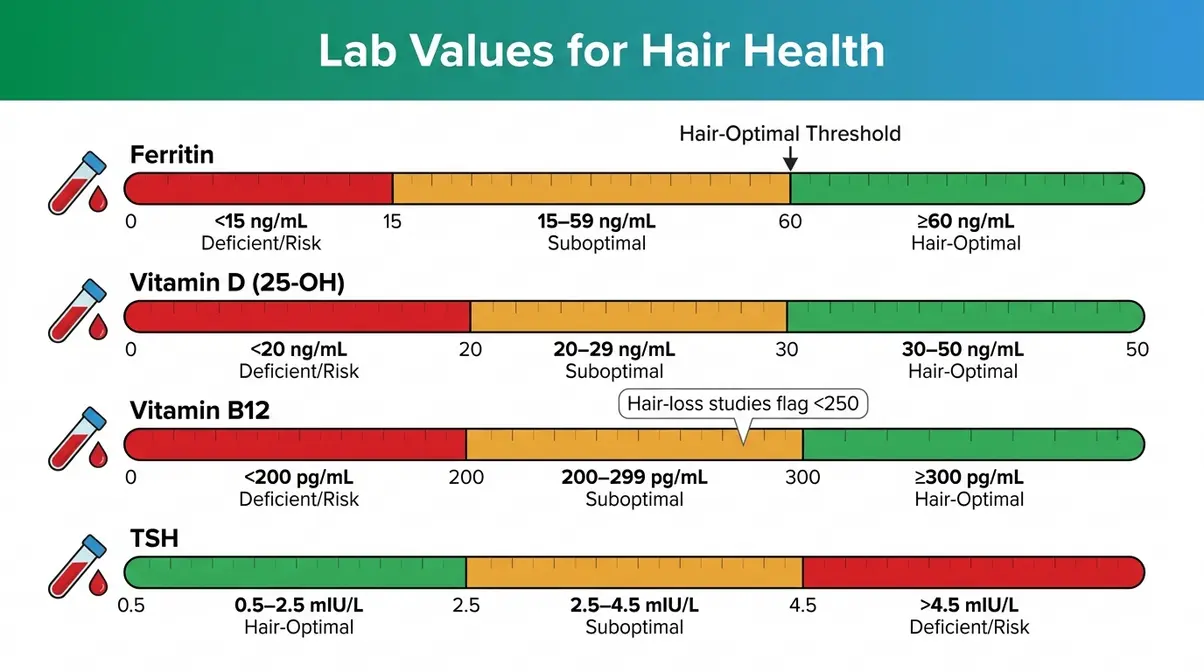
The Diagnostic Triangle, applied to lab results, becomes a practical diagnostic tool: low ferritin and B12 point to the Nutrition vertex; elevated TSH or abnormal estrogen/androgen levels point to the Hormones vertex; elevated inflammatory markers (CRP, ANA) point to the Inflammation vertex.
What Vitamin Am I Lacking for Hair Loss?
The most common vitamin deficiency linked to hair falling out is Vitamin D, followed closely by B12 and iron (technically a mineral, not a vitamin). A 2026 meta-analysis found that non-scarring alopecia patients had Vitamin D levels approximately 7.3 ng/mL lower than healthy controls, with a threefold higher rate of deficiency (PubMed 38010941, 2026). Vitamin B12 below 250 pg/mL was found in 60% of chronic TE patients versus 26% of controls (JDDS, 2026). If your hair is falling out without an obvious cause, requesting a blood panel covering ferritin, 25(OH)D, and B12 is a logical first step before assuming a vitamin is the sole culprit.
What Diseases Cause Hair Loss?
More than 30 diseases list hair loss as a symptom, including thyroid disorders (hypothyroidism and hyperthyroidism), PCOS, alopecia areata, lupus, diabetes, kidney disease, ringworm (tinea capitis), and iron-deficiency anemia. Autoimmune conditions are particularly significant: alopecia areata affects approximately 2% of the global population (NIAMS, 2026). Eating disorders cause hair loss through severe nutritional depletion. Infections with high fever — including COVID-19 — trigger telogen effluvium in a meaningful proportion of those affected. If hair loss is accompanied by other symptoms, a systemic medical cause is more likely.
How Can You Stop Hair from Falling Out?
The most important question in hair loss management is: What is causing this specific person’s hair to fall out? Treatment without diagnosis is guesswork. That said, several evidence-based approaches address the most common causes — and many can be pursued in parallel with a diagnostic workup.
Dietary Changes and Key Supplements
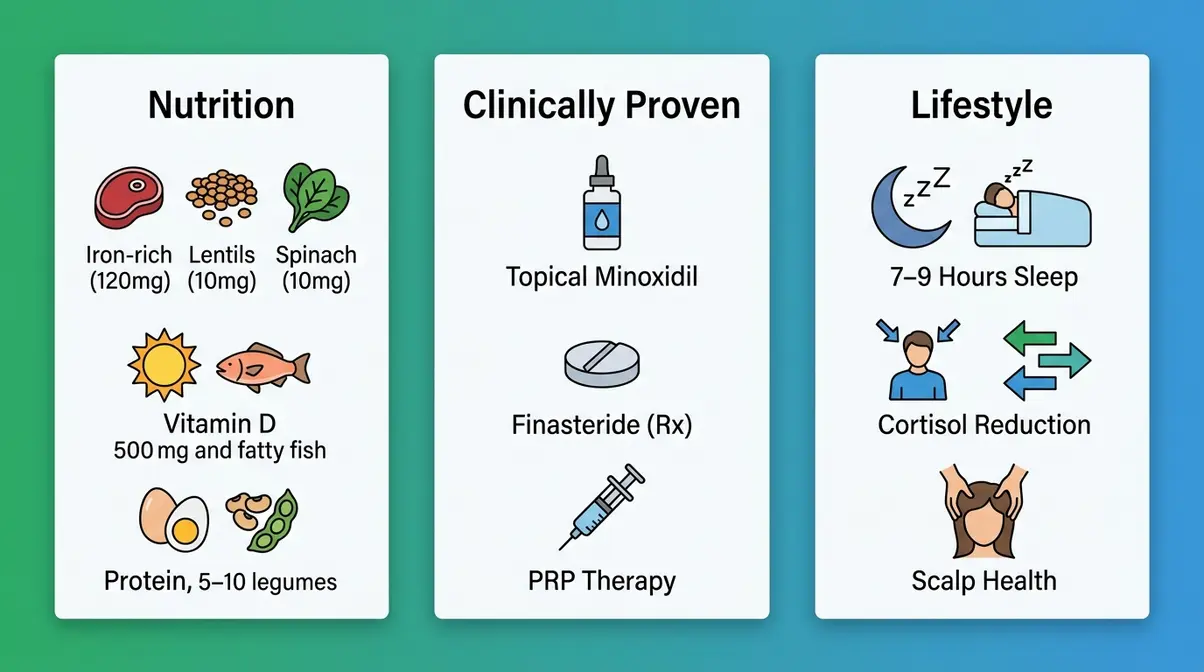
The Nutrition vertex of The Diagnostic Triangle is the most immediately actionable. Research consistently supports the following dietary and supplementation strategies:
Iron: If ferritin is below 30 ng/mL, dietary iron optimization is a first step. Red meat, lentils, spinach, and fortified cereals are high-iron foods. For absorption, pair plant-based iron with Vitamin C and avoid consuming calcium-rich foods at the same meal. If ferritin remains below 40–60 ng/mL despite dietary changes, discuss iron supplementation with your doctor.
Vitamin D: Foods rich in Vitamin D include fatty fish (salmon, mackerel), egg yolks, and fortified dairy. Supplementation (typically 1,000–2,000 IU/day for maintenance, or higher under medical supervision) is often necessary in regions with limited sun exposure. A 2026 PMC study found that oral Vitamin D supplementation improved outcomes in TE patients with levels below 23 ng/mL (PMC11335050, 2026).
Protein: Hair is approximately 95% keratin, a protein. Aim for 0.8–1.2 grams of protein per kilogram of body weight daily. Eggs, legumes, fish, and lean poultry are particularly effective sources.
Biotin (Vitamin B7): While often marketed for hair growth, biotin deficiency is rare. Supplementation benefits hair only in those who are genuinely deficient. Biotin supplements can also interfere with thyroid and cardiac lab tests — inform your doctor if you’re taking them before any blood work.
Clinically Proven Treatments
For androgenetic alopecia, two FDA-approved pharmacological treatments have the strongest evidence base:
Minoxidil (topical 2–5% or low-dose oral) prolongs the anagen phase and promotes follicular blood flow. According to the American Academy of Dermatology, hair regrowth typically becomes visible after 3–6 months of consistent use, with peak effect around 12 months (PMC12026576, 2026). Topical minoxidil is available over the counter; oral minoxidil requires a prescription.
Finasteride (1 mg daily, oral) is a 5-alpha reductase inhibitor — it blocks the conversion of testosterone to DHT. A 2026 meta-analysis of seven RCTs found that the combination of topical minoxidil and finasteride was superior to either treatment alone (Frontiers in Medicine, 2026). Finasteride is generally used only in men due to risks in pregnancy; women with AGA should discuss alternatives with a dermatologist.
Platelet-rich plasma (PRP) therapy and low-level laser therapy (LLLT) are additional options with growing evidence bases, though they are typically used as adjuncts to first-line treatments. Both require consultation with a dermatologist or hair restoration specialist.
Scalp Health and Lifestyle Adjustments
A healthy scalp environment supports healthy hair growth. Establishing a consistent hair care routine for growth is essential. Practical adjustments with evidence behind them:
- Reduce traction: Avoid hairstyles that pull tightly on follicle roots. Allow hair to air-dry when possible.
- Manage scalp inflammation: If you have seborrheic dermatitis or scalp psoriasis, treating these conditions reduces the inflammatory burden on follicles. Medicated shampoos containing zinc pyrithione, selenium sulfide, or ketoconazole can help.
- Prioritize sleep: Chronic sleep deprivation elevates cortisol, which is a documented disruptor of the hair growth cycle. Seven to nine hours per night is the clinical recommendation.
- Reduce alcohol consumption: The 2026 systematic review on diet and hair health identified alcohol as a negative factor in hair health, likely through its effect on nutrient absorption and liver function (PubMed 40836838, 2026).
- Stress management: Mindfulness-based stress reduction, regular aerobic exercise, and adequate sleep all reduce cortisol levels — directly addressing one of the primary triggers of telogen effluvium. Additionally, exploring the benefits of scalp massage for hair growth and health can further stimulate blood flow and reduce local tension.
What Should I Eat to Stop Hair Fall?
Eating to support hair health means prioritizing iron, protein, Vitamin D, B12, and zinc. High-iron foods include red meat, lentils, spinach, and fortified cereals — pair plant-based iron with Vitamin C to improve absorption. Adequate protein (0.8–1.2 g per kg of body weight daily) provides the building blocks for keratin. Fatty fish, eggs, and fortified dairy support Vitamin D and B12. The 2026 systematic review on diet and hair health specifically highlighted benefits of Vitamin D and iron while identifying alcohol and ultra-processed foods as negative factors (PubMed 40836838, 2026). A Mediterranean-style diet pattern — rich in vegetables, legumes, fish, and olive oil — broadly supports the nutritional needs of healthy hair.
Why Eyebrows and Body Hair Fall Out
When hair falls out beyond the scalp — eyebrows, eyelashes, beard, or body hair — the diagnostic picture shifts. Scalp-only shedding is more commonly androgenetic or nutritional. Widespread hair loss across multiple body sites points more strongly toward systemic or autoimmune causes.
Alopecia areata is the most common autoimmune cause of eyebrow and body hair loss. According to the National Alopecia Areata Foundation, it can present as isolated eyebrow thinning (alopecia areata of the eyebrows) or progress to affect the entire scalp and body. The characteristic patches are smooth, without scaling or inflammation.
Thyroid disorders — particularly hypothyroidism — classically cause loss of the outer third of the eyebrow, a clinical sign known as the Queen Anne’s sign. The Mayo Clinic notes that if you notice thinning at the outer edges of your brows alongside fatigue, weight gain, or cold intolerance, thyroid testing is a priority.
Nutritional deficiencies — especially severe iron deficiency, zinc deficiency, and biotin deficiency — can cause diffuse body hair thinning alongside scalp shedding. Zinc deficiency, in particular, has been associated with eyebrow loss and is worth including in a comprehensive hair-loss lab panel.
Eyebrow and body hair loss that appears suddenly, spreads rapidly, or is accompanied by other symptoms (fatigue, joint pain, skin changes) warrants prompt medical evaluation. These patterns can be early signs of systemic conditions that extend well beyond hair health.
When Should You See a Doctor for Hair Loss?
Most hair shedding is temporary and self-limiting. But certain patterns and symptoms indicate that professional evaluation is needed — and in some cases, needed urgently. Consulting a dermatologist or your primary care physician is always appropriate when hair loss is causing significant distress, regardless of whether the cause appears obvious.
Warning Signs Needing Prompt Evaluation
The American Academy of Dermatology recommends seeing a dermatologist promptly if you experience any of the following:
- Hair loss accompanied by scalp pain, burning, or tenderness
- Smooth, scarred patches where hair has fallen out (potential scarring alopecia — irreversible if untreated)
- Rapid, widespread loss affecting eyebrows, eyelashes, or body hair
- Hair loss alongside systemic symptoms: fatigue, unexplained weight changes, joint pain, or skin rashes
- Shedding that does not slow after 6 months of apparent trigger resolution
- Hair loss in children or adolescents (always warrants evaluation)
- Any hair loss causing significant psychological distress — this alone is a valid reason to seek care
Key Diagnostic Tests to Request
When you see your doctor for hair loss, these are the specific tests worth requesting. The Mayo Clinic suggests requesting specific tests beyond a basic metabolic panel for a thorough hair-focused workup:
- Ferritin (not just serum iron — ferritin is the storage form and is far more diagnostically useful)
- Complete blood count (CBC) — screens for anemia
- TSH — thyroid-stimulating hormone
- Free T4 — for a complete thyroid picture
- 25-hydroxyvitamin D — Vitamin D status
- Serum Vitamin B12
- DHEA-S, free testosterone, and SHBG — androgen panel (particularly relevant for women with diffuse thinning)
- ANA (antinuclear antibody) — screens for autoimmune conditions if alopecia areata is suspected
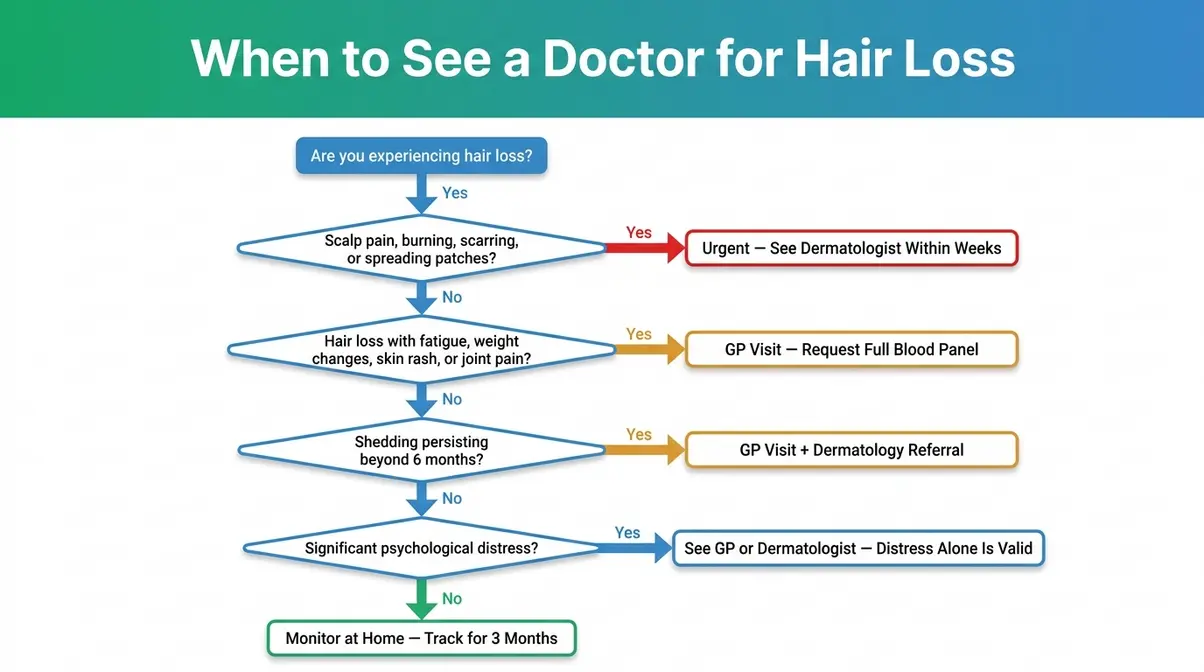
At careaboutyourhair.com, the recommendation is consistent: when in doubt, consult a dermatologist. Early evaluation prevents the permanent follicle damage that can result from delayed treatment of scarring alopecias and advanced androgenetic alopecia.
Frequently Asked Questions
How can I stop my hair from falling out?
Stopping hair from falling out begins with identifying the cause — treatment without a diagnosis is rarely effective. If the cause is nutritional (low ferritin, Vitamin D, or B12), correcting the deficiency typically reduces shedding within 3–6 months. For androgenetic alopecia, FDA-approved options include topical minoxidil (available over the counter) and finasteride (prescription only for men). A 2026 study found 92.4% of men were stable or improved after 12 months of combined oral minoxidil and finasteride (PMC11829753, 2026). Consulting a dermatologist for a proper diagnosis before starting any treatment is the most effective first step.
What organ is related to hair loss?
The thyroid gland is the organ most commonly associated with hair loss, alongside the liver (which metabolizes hormones and stores iron) and the adrenal glands (which produce cortisol). Thyroid disorders — both hypothyroidism and hyperthyroidism — disrupt the hair growth cycle and can cause diffuse shedding across the entire scalp. Kidney disease also causes hair loss through protein malnutrition and anemia. The skin itself, as an organ, is the direct site: hair follicles are specialized skin structures, and scalp inflammation directly impairs their function.
What are the big 3 for thinning hair?
The “big 3” for thinning hair most commonly refers to finasteride, minoxidil, and ketoconazole — a combination used in androgenetic alopecia management. Finasteride blocks DHT production, minoxidil stimulates follicle blood flow and extends the anagen phase, and ketoconazole shampoo reduces scalp inflammation and has mild DHT-blocking properties. However, this framework applies primarily to pattern baldness. At careaboutyourhair.com, we use a broader framework — The Diagnostic Triangle — which addresses Hormones, Inflammation, and Nutrition, recognizing that thinning hair from a nutritional or inflammatory cause responds to entirely different interventions than DHT-driven pattern loss.
Which vitamin stops hair fall?
No single vitamin stops hair fall in isolation, but Vitamin D has the strongest research backing among individual vitamins. A 2026 PMC study found that oral Vitamin D supplementation improved outcomes in telogen effluvium patients with levels below 23 ng/mL, with 92.5% sensitivity at that diagnostic cutoff (PMC11335050, 2026). Vitamin B12 deficiency is found in 60% of chronic TE patients. Biotin (B7) is heavily marketed for hair, but deficiency is rare — supplementation benefits hair only in those who are genuinely deficient. The most impactful nutritional intervention for most women with hair shedding is correcting ferritin to ≥60 ng/mL.
How to regrow hair naturally?
Regrowing hair naturally is most achievable when the cause is nutritional or stress-related. Correcting iron, Vitamin D, and B12 deficiencies through dietary changes and supplementation can restore normal hair cycling within 3–6 months. Managing the stress triggers that cause telogen effluvium — through sleep, exercise, and stress reduction — addresses the physiological root cause. A Mediterranean-style diet rich in antioxidants supports the anti-inflammatory environment follicles need to thrive, as noted in the NCBI genetic aspects of hair loss review (2026). For hereditary pattern loss, “natural” regrowth without pharmacological support is limited — but slowing progression through scalp health practices, stress management, and nutritional optimization is genuinely achievable.
Limitations and Seeking Expert Help
Common Pitfalls
1. Treating symptoms without testing first. Starting supplements or changing your diet based on a guess — rather than confirmed lab results — is inefficient and occasionally counterproductive. High-dose zinc supplementation, for example, can actually worsen hair loss if taken without a confirmed deficiency, because excess zinc competes with iron absorption.
2. Using standard lab ranges to rule out nutritional causes. As the lab thresholds table demonstrates, a ferritin of 22 ng/mL reads as “normal” on a standard lab report but falls squarely in the hair-specific risk zone. Always ask for the actual number, not just “normal” or “abnormal.”
3. Expecting rapid results. Hair grows approximately half an inch per month. Even after a cause is successfully treated, visible regrowth typically takes 3–6 months — and full density recovery can take 12–18 months. Abandoning a treatment at 6–8 weeks because “it’s not working” is one of the most common mistakes in hair loss management.
4. Assuming all shedding is the same. Confusing breakage with shedding (see the comparison chart in H2 #4) leads to the wrong treatment. Applying growth-stimulating treatments to breakage-related hair loss doesn’t address the structural damage causing the break.
5. Overlooking medication as a cause. Many patients don’t connect hair shedding to a medication started 2–3 months earlier — precisely the TE delay window. Always review your medication list with your prescriber if new shedding begins.
When to Choose Alternatives
- If minoxidil causes scalp irritation: A lower concentration or foam formulation may be better tolerated; discuss alternatives with a dermatologist.
- If finasteride is not appropriate (women of childbearing age, men with sexual side effect concerns): Spironolactone (for women) or low-level laser therapy may be more suitable alternatives.
- If nutritional supplementation hasn’t improved shedding after 6 months: A dermatologist referral for scalp biopsy may be needed to rule out scarring alopecia.
When to Seek Expert Help
- Hair loss accompanied by scalp scarring, pain, or rapidly spreading patches — seek dermatology evaluation within weeks, not months
- Suspected autoimmune cause (alopecia areata, lupus-related hair loss) — requires specialist management
- Hair loss in children — always warrants pediatric or dermatology evaluation
- Any hair loss causing significant psychological distress — a dermatologist can provide diagnosis and discuss full treatment options, including referral to a mental health professional if needed
The Path Forward: From Diagnosis to Regrowth
For most people experiencing hair shedding, the situation is more manageable than it feels in the moment. Hair falling out causes — from hormonal shifts and iron deficiency to stress-induced telogen effluvium — are diagnosable with a targeted blood panel and a dermatology consultation. A 2026 retrospective review of 2,851 women confirmed that ferritin deficiency is a statistically significant, modifiable driver of telogen effluvium (PMC11826290, 2026). Thyroid dysfunction, Vitamin D deficiency, and androgen imbalance are equally addressable. The fastest path to regrowth is accurate diagnosis followed by targeted treatment.
The Diagnostic Triangle — Hormones, Inflammation, Nutrition — exists to help you move from anxiety to action. Rather than guessing at a supplement or waiting for shedding to “resolve itself,” use the framework to identify which vertex is most likely in play, request the appropriate lab tests, and bring specific questions to your healthcare provider.
Your next step is concrete: schedule a blood panel that includes ferritin, 25(OH)D, B12, and TSH. Bring the lab thresholds table from this guide to your appointment. If shedding has persisted beyond 6 months, or is accompanied by any of the warning signs listed above, request a dermatology referral. At careaboutyourhair.com, we consistently find that readers who pair this diagnostic framework with professional guidance achieve the best outcomes — because they arrive at their appointment with the right questions, not just the right symptoms.

care.about.your.hair.admin.usr
Writes evidence-based hair-care guides for Care About Your Hair — for every hair type, jargon-free and independent.