
Table of Contents
- Defining Dark Blonde Understanding the Spectrum
- The Comprehensive Palette Dark Blonde Variations
- Finding Your Perfect Match Skin Tone & Eye Color Analysis
- Achieving the Look Professional vs <a href="https://en.wikipedia.org/wiki/Do_it_yourself">DIY </a>Methods
- Dark Blonde on Different Hair Textures
- Hair Health and Maintenance Protocol
- Troubleshooting Common Dark Blonde Issues
- Styling and Enhancing Your Dark Blonde
- Transitioning Between Shades
- Dark Blonde for Men
- Avoiding Unwanted Orange Tones
- The Financial Investment
- Cultural and Social Aspects of Dark Blonde
- Celebrity Dark Blonde Inspiration
- Conclusion
- Frequently Asked Questions
This blog post may contain affiliate links. As an Amazon Associate I earn from qualifying purchases.
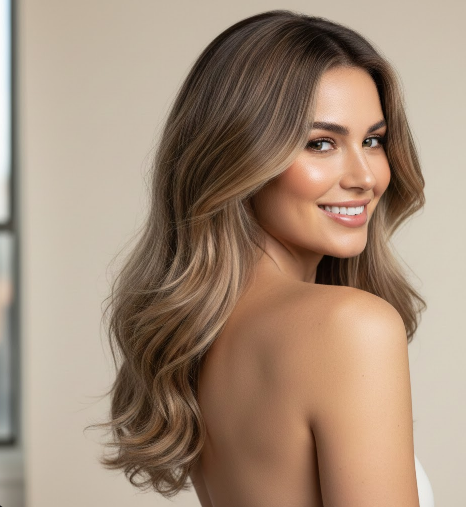
Dark blonde hair has reclaimed its place as the most coveted shade in salons across the United States, offering a sophisticated middle ground between the upkeep demands of platinum and the depth of brunette tones. Often referred to as “bronde” or “dirty blonde,” this versatile color sits comfortably at Levels 6 to 7 on the professional hair color scale, delivering dimension, warmth, and an effortlessly polished appearance that works across seasons and styles.
The resurgence of dark blonde represents more than just a trend. It reflects a shift toward embracing natural-looking color that enhances rather than overpowers. This shade requires strategic customization based on skin tone, natural base color, and lifestyle, making it both an art and a science when executed correctly.
This comprehensive guide walks you through everything you need to know about dark blonde hair. You’ll discover the full spectrum of dark blonde variations, learn how to match the perfect tone to your complexion, explore professional coloring techniques versus at-home options, and gain expert-backed strategies for maintaining vibrant, healthy color that lasts.
Here’s why dark blonde works so universally well. Positioned at Level 6 to 7, this color range captures enough lightness to brighten the face while retaining depth that adds dimension and minimizes harsh grow-out lines. When customized correctly with the right undertones and placement techniques, dark blonde becomes one of the most flattering hair colors available.
Defining Dark Blonde Understanding the Spectrum
Dark blonde occupies a unique position in the hair color world, sitting precisely where golden tones meet deeper brown bases. Understanding what defines this shade helps you communicate effectively with your stylist and choose products that maintain your desired look. Let’s break down the technical and visual characteristics that make dark blonde distinct from neighboring shades.
What Exactly Is Dark Blonde
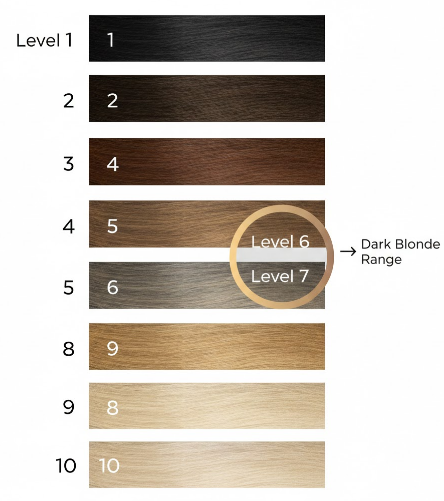
Dark blonde corresponds to Levels 6 and 7 on the professional hair color system, which ranges from 1 (black) to 10 (lightest blonde). At this level, hair contains a balanced mix of both eumelanin (brown-black pigment) and pheomelanin (red-yellow pigment), creating a color that reads as blonde with noticeable depth and richness.
The visual distinction between dark blonde and light brown often confuses people, and for good reason. The difference lies primarily in the reflective quality and underlying tone. Dark blonde maintains a golden or ash luminosity that catches light differently than light brown, which tends toward matte, earthy tones with minimal reflective shimmer.
From a pigment perspective, dark blonde requires just enough lightening to expose the yellow and gold undertones without fully removing the natural brown base. This creates the characteristic warmth or coolness depending on whether warm or cool toners are applied during the coloring process.
Professional colorists use this level as a foundation for dimensional techniques because it provides enough contrast against darker roots while avoiding the stark transition that comes with lighter blonde shades. This makes it ideal for those seeking a natural appearance with built-in depth.
The Bronde Hybrid
The term “bronde” has become shorthand for the intentional blending of brown and blonde tones, typically executed through strategic placement rather than a single all-over color. This hybrid approach creates a lived-in look that mimics how natural hair lightens from sun exposure over time.
Bronde works particularly well as a transitional shade for clients moving between drastically different colors. Someone going from dark brown to blonde might spend several months in the bronde zone, gradually lifting the base while adding lighter pieces. Similarly, someone transitioning from platinum back to a more natural look often passes through this territory.
This shade has gained popularity because it offers flexibility. The ratio of brown to blonde can shift seasonally, going richer and more brunette-dominant in fall and winter, then lifting to lighter, more blonde-forward tones in spring and summer without requiring a complete color overhaul.
Psychology of the Shade
Color psychology plays a significant role in how dark blonde is perceived both by the wearer and observers. Research in social perception suggests that dark blonde conveys approachability, natural beauty, and sophistication without the high-maintenance associations that come with very light blonde shades.
Unlike bright platinum, which projects boldness and intentionality, dark blonde reads as effortless. This perception makes it particularly appealing for professional environments where a polished but understated appearance is valued. The shade suggests that you take care of your appearance without making it the focal point of your identity.
Interestingly, dark blonde also carries fewer stereotypes than either very light blonde or very dark brunette shades. It exists in a neutral zone that allows individual personality to come through without the color itself becoming a defining characteristic or triggering preconceived notions.
The Comprehensive Palette Dark Blonde Variations
The world of dark blonde extends far beyond a single shade. Understanding the full spectrum of variations available helps you pinpoint exactly which direction suits your complexion, personal style, and maintenance preferences. Each variation carries distinct undertones that dramatically affect how the color interacts with your skin and features.
Cool-Toned Dark Blondes
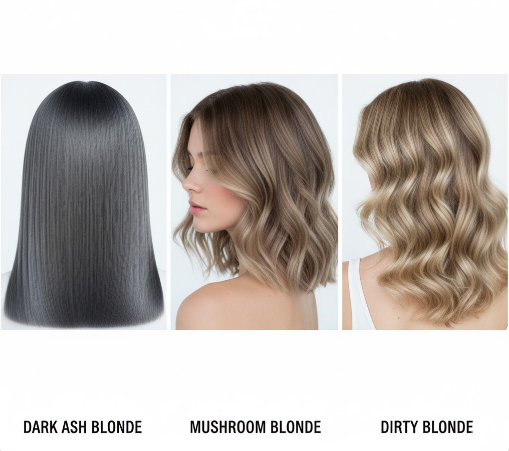
Cool-toned dark blondes incorporate grey, blue, and violet undertones that neutralize warmth and create a sophisticated, modern appearance. These shades work exceptionally well for counteracting natural redness in the skin or hair and tend to photograph beautifully in natural light.
Dark ash blonde stands as the cornerstone of cool-toned dark blonde shades. This variation uses grey and blue undertones to cancel any orange or red warmth that naturally occurs at Level 6 to 7. The result is a smoky, almost silvery blonde that appears refined and contemporary. Stylists often recommend dark ash blonde for clients with naturally cool skin tones or those who previously experienced unwanted brassiness with warmer blonde shades.
Mushroom blonde has emerged as one of the most requested shades in recent years, blending cool ash brown with dark blonde to create an earthy, taupe-toned result. This shade draws inspiration from the soft grey-brown tones found in mushroom caps, offering dimension without traditional warmth. The appeal lies in its neutrality and the way it complements a wide range of skin tones while maintaining an editorial, fashion-forward edge.
Dishwater blonde or dirty blonde deserves reclaiming from its unflattering nickname. This natural-looking shade describes the cool-toned dark blonde many people had as children before their hair darkened with age. It contains subtle ash tones mixed with neutral beige, creating a color that looks completely uncontrived. Rather than being dull, properly formulated dirty blonde has movement and dimension that mimics natural hair in its most authentic state.
Warm-Toned Dark Blondes
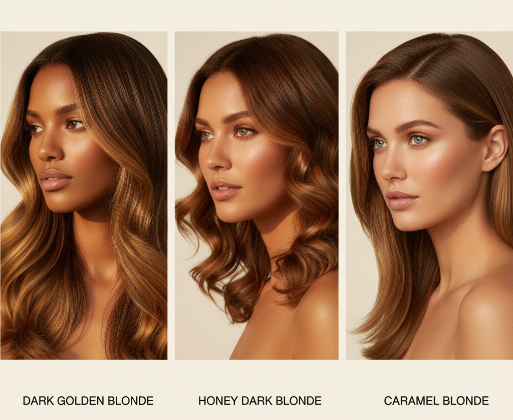
Warm-toned dark blondes bring richness and radiance through gold, copper, and honey undertones. These shades enhance natural warmth in the complexion and create a sun-kissed glow that works beautifully for those with warm or neutral skin undertones.
Dark golden blonde infuses Level 6 to 7 hair with vibrant yellow and gold pigments, creating a luminous effect that recalls summer sunshine. This shade works particularly well for adding warmth to naturally cool-toned hair or enhancing already warm complexions. The golden undertones reflect light beautifully, making hair appear shinier and more dimensional even without highlighting techniques.
Honey dark blonde takes the warmth a step further by incorporating amber and slightly copper-toned pigments alongside the gold. This creates a richer, more complex color that has depth and movement built into a single shade. Honey tones bring out warmth in hazel and brown eyes while complementing olive and warm-toned skin beautifully.
Caramel blonde sits at the border between dark blonde and light brown, characterized by its rich, sweet-toned warmth reminiscent of caramel candy. This shade retains the reflective quality that defines blonde hair while incorporating enough brown depth to create serious dimension. It’s particularly flattering on medium to dark skin tones and works well for clients who want warmth without going fully into golden territory.
Neutral Dark Blondes
Neutral dark blondes balance cool and warm undertones, creating versatile shades that adapt to different lighting conditions and complement the widest range of skin tones. These variations offer flexibility and tend to require less frequent toning maintenance than their more extreme cool or warm counterparts.
Beige blonde represents the perfect equilibrium between ash and gold, creating a soft, sandy tone that resembles wet sand on a beach. This shade has become incredibly popular because it flatters nearly everyone, neither washing out cool complexions nor clashing with warm ones. Beige blonde works particularly well for those who can’t decide between warm and cool tones or who want a shade that transitions seamlessly between seasons.
Wheat blonde draws inspiration from natural grain tones, offering a soft, earthy quality with just enough warmth to prevent looking washed out while avoiding obvious golden tones. This shade mimics the color of natural, sun-lightened hair, making it ideal for those seeking an authentic, unprocessed appearance. Wheat blonde has subtle dimension built into the tone itself, creating movement even in single-process color applications.
Finding Your Perfect Match Skin Tone & Eye Color Analysis
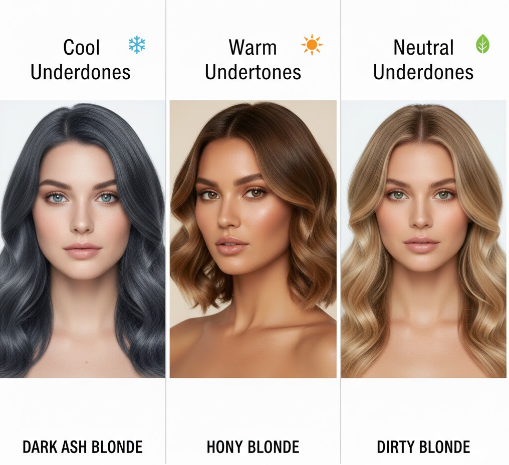
Choosing the right dark blonde variation requires understanding how different undertones interact with your natural coloring. The same Level 6 or 7 base can look dramatically different depending on whether it leans ash, golden, or neutral, making personalized matching essential for achieving a flattering result.
Determining Your Undertone
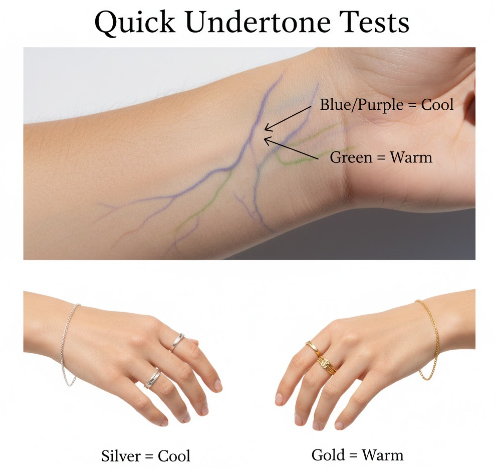
Before selecting your ideal dark blonde shade, you need to identify whether your skin has cool, warm, or neutral undertones. This foundational step prevents choosing a hair color that clashes with your natural coloring and ensures harmony between your complexion and your new shade.
The vein test offers a quick, reliable method for determining undertones. Examine the veins on the inside of your wrist in natural daylight. If they appear blue or purple, you likely have cool undertones. If they look green, you have warm undertones. If you see a mix of both or have difficulty determining whether they’re blue or green, you probably have neutral undertones.
The jewelry test provides additional confirmation. Notice which metal makes your skin look more radiant. If silver jewelry brightens your complexion and makes you look more awake, you likely have cool undertones. If gold jewelry creates that effect, you have warm undertones. If both metals look equally flattering, you’re working with neutral undertones that give you more flexibility in color choices.
Another consideration involves how your skin reacts to sun exposure. Cool undertones typically burn easily and tan with difficulty, often developing pink or red tones. Warm undertones tan more easily and develop golden or olive tones. Neutral undertones fall somewhere in between, often tanning moderately with some initial pink that transitions to golden.
Best Shades for Cool Skin Tones
Cool skin tones thrive with dark blonde shades that incorporate ash, beige, or mushroom undertones. These variations harmonize with the blue and pink undertones naturally present in cool complexions, creating a cohesive, polished appearance without introducing clashing warmth.
Dark ash blonde works exceptionally well for very cool skin tones, particularly those with pink or rosy undertones. The grey-blue pigments in ash blonde neutralize redness and create a sophisticated contrast that makes cool complexions appear brighter and clearer. This shade prevents the sallow or yellow appearance that can occur when cool-toned individuals try warm golden blondes.
Mushroom blonde offers a softer option for cool skin tones who find pure ash too stark or severe. The taupe quality of mushroom blonde provides enough neutrality to complement cool undertones while introducing subtle warmth that prevents washing out very fair complexions. This shade has become particularly popular among cool-toned clients seeking a modern, fashion-forward look.
Beige blonde serves as the safest choice for cool undertones who want to experiment with slight warmth without fully committing to golden tones. The balanced nature of beige allows cool complexions to gain dimension and avoid looking one-dimensional while maintaining overall harmony with natural coloring.
Best Shades for Warm Skin Tones
Warm skin tones come alive with dark blonde shades that emphasize gold, honey, and caramel undertones. These variations enhance the natural warmth in the complexion, creating a radiant, sun-kissed effect that looks healthy and vibrant.
Dark golden blonde represents the ideal choice for enhancing warm undertones, particularly in medium to tan complexions. The rich gold pigments echo the yellow and peach tones naturally present in warm skin, creating a cohesive look that appears naturally sun-lightened. This shade makes warm skin look more luminous and healthy rather than competing with natural coloring.
Honey dark blonde adds depth and complexity for warm-toned individuals who want richness alongside warmth. The amber undertones in honey blonde complement olive skin particularly well, bringing out the golden quality without looking brassy or orange. This shade works beautifully for those transitioning from brunette who want to retain some depth while going lighter.
Caramel blonde suits deeper warm skin tones exceptionally well, offering enough richness to create contrast while maintaining the reflective quality that defines blonde hair. The sweet, toffee-toned warmth in caramel complements melanin-rich skin beautifully and photographs gorgeously in both natural and artificial light.
Best Shades for Neutral and Olive Skin Tones
Neutral and olive skin tones enjoy the widest range of options within the dark blonde spectrum. These complexions can successfully wear both cool and warm variations, making personal preference and lifestyle factors the primary deciding points.
Beige blonde emerges as the most universally flattering choice for neutral undertones, offering perfect balance that enhances natural coloring without pushing too cool or too warm. This shade adapts to different lighting conditions, appearing slightly cooler in bright light and warmer in golden hour or indoor lighting.
Wheat blonde provides an excellent option for neutral to olive skin tones seeking a natural, unfussy appearance. The soft warmth in wheat blonde enhances olive undertones without looking overly golden, while the neutral base prevents the coolness that can make olive skin appear sallow.
For olive skin specifically, a customized bronde that blends cool and warm tones throughout creates the most dimension and flatters the complex undertones inherent in olive complexions. Strategic placement of both ash and golden pieces mimics natural variation and prevents the flat appearance that can result from single-tone color.
Eye Color Considerations
Eye color plays a supporting role in determining your most flattering dark blonde shade, with certain combinations creating particularly striking contrast or harmonious blending effects.
Blue and green eyes pop dramatically against warm dark blonde shades like golden or honey tones. The contrast between cool eye color and warm hair creates visual interest that draws attention to the eyes. For those with blue or green eyes and cool skin, a beige blonde offers enough warmth to create this effect without clashing with skin undertones.
Brown and hazel eyes gain depth and richness when paired with cool-toned dark blondes like ash or mushroom. The contrast makes brown eyes appear lighter and more complex, highlighting golden flecks and creating dimensional eye color. Warm-toned individuals with brown eyes can achieve similar effects with caramel or honey shades that are slightly darker than the eye color itself.
For hazel eyes specifically, which contain multiple colors, a multidimensional dark blonde incorporating both cool and warm tones brings out all the different pigments in the iris. A bronde approach with varied placement highlights the complexity of hazel eyes better than a single-tone color.
Achieving the Look Professional vs DIY Methods
Getting the perfect dark blonde requires understanding the science behind hair color and the technical skills needed to achieve even, dimensional results. Whether you choose professional services or attempt DIY color depends on your starting point, hair history, and desired outcome.
The Professional Salon Approach
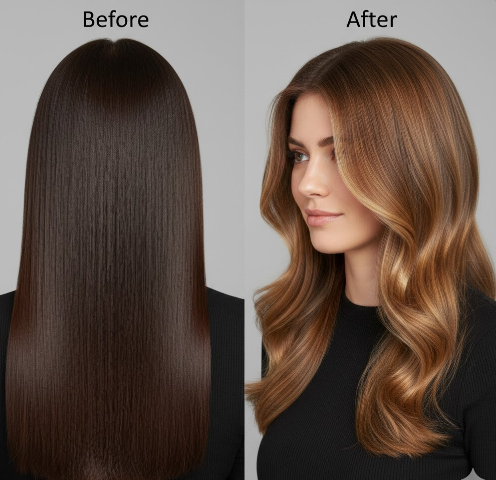
Professional colorists bring technical expertise, quality products, and customization capabilities that dramatically affect your results. Understanding what happens during a salon appointment helps you communicate effectively with your stylist and set realistic expectations.
When lifting from darker hair to dark blonde, the process involves carefully controlled lightening to reach Level 6 or 7 without causing excessive damage or ending up with unwanted warm tones. Your colorist will likely use a lightener or high-lift color to break through the natural red and orange pigments that emerge as brown hair lightens.
The challenge lies in the underlying pigments exposed during lightening. Dark brown hair (Levels 2 to 4) contains significant red-orange pigment that must be neutralized to achieve clean dark blonde. Your colorist may perform this in stages, first lifting to a copper or orange base, then applying a toner with blue or violet pigments to neutralize warmth and reach the desired ash, beige, or golden dark blonde.
Professional toning makes the critical difference between brassy, orange-toned results and the sophisticated, refined dark blonde you’re seeking. Toners are deposit-only colors that add the specific cool or warm pigments needed to customize your shade without additional lightening. This step allows your colorist to fine-tune the exact undertone that flatters your complexion.
When darkening from lighter hair to dark blonde, professional expertise becomes even more critical due to a process called filling or repigmenting. This step is frequently misunderstood but absolutely essential for achieving rich, dimensional dark blonde rather than flat, muddy, or greenish results.
Here’s the science behind filling. Very light blonde or bleached hair has had most of its natural pigment removed, leaving primarily the hair’s protein structure. If you apply dark blonde color directly to this porous, pigment-depleted hair, the color molecules have nothing to grab onto and will either wash out immediately or turn an unwanted shade.
Your colorist will first apply a filler, which is essentially a color product rich in warm red, gold, or copper pigments. This reintroduces the underlying warmth that would naturally exist at Level 6 or 7, creating a foundation for the final dark blonde shade. Without this step, the final color can turn green, grey, or ashy in unintended ways, or fade rapidly to an unattractive tone.
The filling process requires precise color theory knowledge. Too much filler creates overly warm, brassy results. Too little filler leads to green or muddy tones. Professional colorists can assess your hair’s porosity and current level to determine exactly how much and what type of filler your hair needs before applying the final dark blonde shade.
DIY Box Dye The Risks and Rules
Box color from drugstores offers convenience and cost savings but comes with significant limitations and risks, particularly when attempting to achieve a specific dark blonde shade. Understanding how to read box dye labels and what can go wrong helps you make informed decisions.
Box dye numbers follow a standardized system, though brands may present it differently. The first number indicates the level (1 being darkest, 10 being lightest). Numbers like 6 or 7 correspond to dark blonde. The number after the decimal or slash indicates the tone. For example, 7.1 typically means Level 7 ash blonde (1 = ash), while 7.3 means Level 7 golden blonde (3 = gold).
The primary risk with box color involves the one-size-fits-all developer strength and formula. Professional color can be customized with different developer volumes depending on your hair’s condition, texture, and starting level. Box dye uses a predetermined developer that may be too strong for fine hair or too weak for coarse, resistant hair.
Hot roots represent one of the most common box dye disasters. This occurs because your scalp heat accelerates color processing at the roots, causing them to lighten faster and appear lighter, brighter, or more orange than the rest of your hair. Professional colorists account for this by applying color to mid-lengths and ends first, then applying to roots only for the final processing time.
Porosity inconsistencies create another major challenge with DIY color. If your hair has been previously colored, bleached, or damaged, different sections have different porosity levels. More porous (damaged) areas absorb color faster and more intensely than healthy hair, leading to uneven, splotchy results when you apply box color evenly throughout.
If you decide to proceed with box dye despite these limitations, follow these rules. Always choose a shade slightly lighter than your target since box color tends to deposit darker than expected, especially on porous hair. Perform a strand test on a hidden section before applying to your entire head. Apply to previously colored or porous sections last, starting with virgin or resistant areas.
Never use box dye to go more than one to two shades lighter than your current color. Box lightening kits cannot achieve the same controlled lift as professional lightener and often leave hair orange, brassy, and damaged. For significant lightening, professional services aren’t just recommended but necessary for acceptable results.
Modern Coloring Techniques
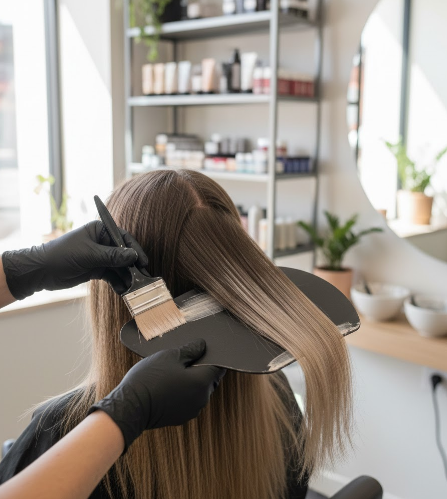
Today’s most sought-after dark blonde looks rarely involve single-process, all-over color. Instead, professional colorists use placement techniques that create dimension, depth, and a natural-looking variation that mimics how hair naturally lightens and darkens.
Balayage has revolutionized dark blonde coloring by hand-painting lighter pieces throughout the hair in a way that creates soft, blended transitions without harsh lines. For dark blonde, balayage typically involves painting lighter blonde (Levels 8 to 9) onto a darker blonde or light brown base (Levels 5 to 6), creating a multidimensional effect that grows out beautifully.
The beauty of balayage for dark blonde lies in the customization. Your colorist can concentrate lighter pieces around your face for brightening effects, through the crown for dimension, or throughout the bottom sections for an ombré effect. The hand-painted application ensures no two balayage applications look identical, giving you truly personalized color.
Foilyage combines the precision of traditional foil highlights with the soft blending of balayage. Your colorist hand-paints the color but then wraps sections in foil to increase processing power, allowing for greater lift. This technique works particularly well for clients who want significant contrast within the dark blonde range but still desire the natural blending that balayage provides.
Root smudge or shadow root techniques have become essential for maintaining dark blonde color. Rather than applying all-over color that creates a harsh line as it grows out, your colorist applies a darker shade at the roots and blends it into the lighter dark blonde through the mid-lengths. This creates intentional depth that looks natural and extends time between color appointments.
Baby lights involve applying extremely fine, delicate highlights throughout the hair to add shimmer and dimension without drastically changing the overall color level. For dark blonde, baby lights in slightly lighter tones (Level 8 beige or champagne) scattered throughout a Level 6 to 7 base create subtle luminosity that catches light beautifully and prevents flat, one-dimensional color.
Color melting creates seamless transitions between different shades by applying multiple colors and blending where they meet. For dark blonde, a colorist might apply a Level 5 or 6 at the roots, Level 7 through the mid-lengths, and Level 8 at the ends, then use a specialized blending technique to melt the colors together without visible lines. This creates gorgeous depth and dimension that looks completely natural.
Dark Blonde on Different Hair Textures
Hair texture significantly impacts how dark blonde color appears and how it should be applied. Understanding texture-specific considerations ensures your color looks its best regardless of whether you have pin-straight, wavy, curly, or coily hair.
Straight and Fine Hair
Straight, fine hair shows every detail of color placement, making it both challenging and rewarding to color dark blonde. The smooth surface reflects light uniformly, which can make single-tone color appear flat and one-dimensional, but also allows well-executed dimensional color to shine beautifully.
The main challenge with fine, straight hair involves creating the illusion of density and volume through color. All-over single-tone dark blonde can make fine hair look limp and lifeless. Instead, incorporating multiple tones within the dark blonde range creates visual interest that makes hair appear fuller and thicker.
Strategic placement of lighter pieces around the face and through the crown catches light and creates movement that adds perceived volume. A technique called micro-shadowing, which adds slightly darker lowlights between highlights, creates depth that makes hair appear more abundant. The contrast between the darker and lighter tones tricks the eye into seeing more hair than actually exists.
Fine hair also processes color more quickly than coarse hair due to thinner cuticle layers, requiring adjusted processing times to prevent over-depositing or excessive lightening. Professional colorists account for this by checking fine hair more frequently during processing and potentially using gentler developer strengths.
For maintaining dark blonde on straight, fine hair, the smooth cuticle shows brassiness less than textured hair but also shows roots more obviously. Regular toning every four to six weeks keeps color looking fresh, while root smudging techniques extend time between full color appointments.
Wavy and Curly Hair
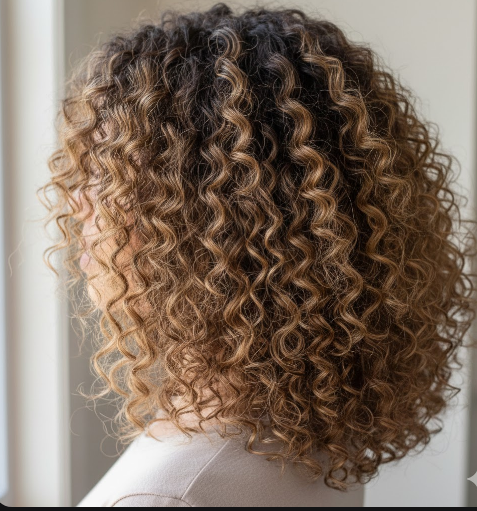
Wavy and curly hair textures (Type 2 and Type 3) benefit tremendously from strategic dark blonde color that enhances curl patterns and adds dimension without overwhelming natural texture. The way light hits waves and curls creates natural shadows and highlights that color placement can amplify.
The key to coloring wavy and curly hair involves respecting and enhancing the natural pattern rather than fighting it. Flat, all-over color can actually diminish the appearance of curls by eliminating the natural play of light and shadow that makes texture visible. Dimensional dark blonde with lighter tones on the outer portions of curls and slightly darker tones underneath creates depth that makes curls pop.
Pintura highlighting or ribbon highlighting techniques have become popular for curly hair specifically. With these methods, the colorist paints color onto curls in their natural state, following the curve of each curl to place lighter color where light would naturally hit. This creates incredibly natural-looking dimension that moves with the hair’s texture.
Curly hair tends to appear lighter than straight hair of the same level because the texture reflects light differently. A Level 6 dark blonde on curly hair may read more like a Level 7, so colorists often go slightly deeper than the target shade to account for how texture affects perception.
Moisture is critical for curly hair health, and color processing can compromise natural moisture levels. When going dark blonde on curly or wavy hair, deep conditioning treatments and leave-in products become non-negotiable for maintaining curl definition and preventing frizz. The good news is that textured hair often disguises brassiness better than straight hair due to how the texture diffuses light.
Coily and Textured Hair
Achieving dark blonde on Type 4 coily and highly textured hair requires specialized knowledge due to the unique structure of coily hair and the significant lift needed to reach Level 6 or 7 from naturally dark bases.
Coily hair has a naturally elliptical shape and raised cuticle that makes it more vulnerable to damage during chemical processing. The lift required to go from dark brown or black hair to dark blonde is substantial, often requiring professional bleaching techniques that minimize damage while achieving the necessary lightening.
High-lift color versus traditional bleach represents an important decision point for textured hair. High-lift color deposits color while lightening but typically can’t lift more than three to four levels, making it suitable only for starting levels of 3 or 4. For darker natural hair, traditional bleach or lightener becomes necessary, requiring exceptional skill to prevent breakage or excessive damage.
The Olaplex or K18 bond-building treatments have transformed dark blonde coloring for textured hair by protecting the internal bonds during bleaching. Professional colorists now regularly incorporate these products into the lightening process, dramatically reducing damage and allowing textured hair to achieve lighter shades while maintaining integrity.
Moisture retention is paramount for colored coily hair. The natural oils from the scalp have difficulty traveling down the spiral structure of coily hair, and color processing further compromises moisture. Intensive conditioning, protein-moisture balance, and protective styling become essential for maintaining healthy dark blonde coily hair.
One advantage of textured hair is its versatility in wearing color. Dark blonde on coily hair creates stunning contrast and dimension, particularly when varied tones are placed strategically throughout. The texture naturally creates depth and visual interest, so even all-over color appears more dimensional than it would on straight hair.
Hair Health and Maintenance Protocol
Maintaining vibrant, healthy-looking dark blonde requires a targeted care routine that addresses toning, hydration, protection, and strategic maintenance schedules. The specific needs of dark blonde differ from both lighter blondes and brunettes, requiring specialized products and techniques.
The Toning Cycle
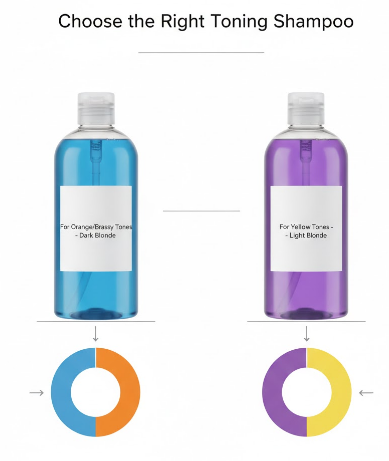
Toning represents the most critical aspect of maintaining your ideal dark blonde shade between salon visits. Over time, environmental factors, water quality, and natural oxidation cause blonde hair to shift toward unwanted warm tones, making regular toning essential for color integrity.
Understanding the difference between purple shampoo and blue shampoo is crucial for dark blonde maintenance. This distinction is often misunderstood but makes the difference between neutralizing brassiness and creating unwanted tones.
Purple shampoo deposits violet pigments that neutralize yellow tones. It works well for very light blondes (Levels 9 to 10) who develop banana-yellow brassiness. However, most dark blondes don’t turn yellow but rather develop orange or copper tones as the color oxidizes.
Blue shampoo deposits blue pigments that neutralize orange and copper tones, making it the correct choice for most dark blonde shades, particularly Levels 6 to 7. The blue pigments counteract the orange undertones that naturally emerge in this color range, keeping your dark blonde looking fresh and intentional rather than brassy.
For ash or mushroom dark blondes, blue shampoo is non-negotiable. These cool-toned shades show orange brassiness quickly and benefit from blue toning once or twice weekly. For golden or honey dark blondes, blue shampoo may be too neutralizing, potentially removing the warmth you want to maintain. In this case, a color-depositing conditioner in a golden or honey tone maintains vibrancy without canceling warmth.
Application frequency matters tremendously. Overuse of toning shampoos can lead to buildup, dullness, or even purple or blue casts on the hair. Most dark blondes achieve optimal results using toning shampoo once to twice weekly, alternating with a gentle, sulfate-free regular shampoo that doesn’t strip color.
The technique involves applying toning shampoo to wet hair, working it into a lather, and allowing it to sit for three to five minutes before rinsing. The longer you leave it on, the more pigment deposits, so adjust timing based on your hair’s current brassiness level. Always follow with a hydrating conditioner since toning shampoos can be drying.
Hydration and Bond Building
Color processing, particularly when lightening to dark blonde from darker bases, compromises hair’s internal structure and moisture levels. A targeted hydration and bond-building routine restores strength and maintains the shine that makes dark blonde look expensive rather than dull.
Protein treatments like Olaplex, K18, or Wellaplex work at a molecular level to rebuild disulfide bonds that break during chemical processing. These products don’t just condition the surface but actually repair damage within the hair shaft, restoring strength and elasticity that prevent breakage.
For dark blonde hair that has been lightened, incorporating a bond-building treatment once weekly maintains structural integrity. These treatments work best on clean, damp hair and require minimal processing time. Olaplex No. 3, for example, works in as little as 10 minutes, though longer applications provide enhanced benefits.
Deep conditioning treatments address moisture loss, which manifests as dullness, frizz, and rough texture. Dark blonde relies heavily on shine to look its best; without adequate moisture, the color appears muddy and lifeless rather than dimensional and luminous. Weekly deep conditioning with products containing ingredients like shea butter, coconut oil, or hydrolyzed proteins restores softness and reflectivity.
The protein-moisture balance is essential for colored hair health. Too much protein makes hair brittle and prone to breakage, while too much moisture without protein leads to limp, overly soft hair that lacks structure. Dark blonde hair typically benefits from alternating protein and moisture treatments weekly or using products that contain both in balanced ratios.
Leave-in conditioners and hair oils seal the cuticle and provide ongoing protection between washes. For dark blonde specifically, lightweight oils like argan or marula prevent the heaviness that can dull color while providing heat protection and shine enhancement. Apply sparingly to mid-lengths and ends, avoiding roots to prevent greasiness.
Protecting Against Environmental Damage
Environmental factors constantly work against your dark blonde color, causing fading, brassiness, and texture degradation. Proactive protection extends color longevity and maintains hair health.
UV exposure represents one of the most significant threats to dark blonde hair. Sunlight oxidizes hair color molecules, causing fading and shifting tones toward unwanted warmth. The same UV rays that tan skin lighten hair, and at Level 6 to 7, this means your carefully crafted dark blonde can lift to brassy orange or yellow.
UV protection products for hair have become increasingly sophisticated, offering SPF protection specifically formulated for colored hair. These come in spray, cream, and oil formulas that shield hair from sun damage while providing additional conditioning benefits. Apply UV protection before extended sun exposure, particularly during summer months or tropical vacations.
Wearing hats and scarves provides physical sun protection and has the added benefit of reducing friction damage. Silk or satin-lined hats prevent the rough texture of cotton or straw from causing breakage and frizz, offering protection without compromising hair health.
Hard water minerals, particularly iron and copper, attach to the hair shaft and oxidize, creating discoloration that often manifests as green, orange, or brassy tones in dark blonde hair. This is especially problematic for swimmers, as chlorine in pools and salt in ocean water compound the issue.
Installing a shower filter removes many hard water minerals before they contact your hair, providing the simplest long-term solution for water-quality issues. For those unable to install filters, chelating shampoos used weekly remove mineral buildup and restore color clarity. Malibu C and similar brands offer treatments specifically designed for removing minerals and chlorine.
Before swimming, wetting hair with clean water and applying a leave-in conditioner or coconut oil creates a barrier that minimizes chlorine and salt absorption. After swimming, rinse immediately and use a clarifying or chelating shampoo to remove chemicals before they oxidize and alter your color.
Growth Maintenance
The maintenance schedule for dark blonde varies dramatically based on the coloring technique used and how much contrast exists between your natural color and your dark blonde shade.
All-over single-process dark blonde showing significant contrast with natural roots typically requires touch-ups every four to six weeks. Root growth becomes noticeable around the three-week mark, and by six weeks, the regrowth line can appear stark and unintentional.
Root smudge or shadow root techniques extend this timeline considerably, allowing eight to ten weeks between appointments. The intentional darker root area blends naturally with new growth, creating a lived-in appearance that doesn’t scream “roots.” This technique has become popular precisely because it reduces maintenance frequency while maintaining a polished appearance.
Balayage and foilyage dark blonde offers the longest timeline between services, often allowing twelve to sixteen weeks or more. Because the lighter pieces are hand-painted and concentrated away from the root area, new growth blends seamlessly. Clients might come in for toning appointments between major color services to refresh the tone without additional lightening.
For clients maintaining dimensional dark blonde with multiple techniques, a typical maintenance schedule involves major color services every three to four months, with toning glosses every six to eight weeks between. This maintains color vibrancy and adjusts tone without requiring constant reapplication of lightener or color.
Budget considerations often drive maintenance choices. Understanding the time and financial commitment required helps you select a dark blonde approach that fits your lifestyle. All-over color requires more frequent salon visits but often costs less per appointment than dimensional techniques. Balayage costs more initially but requires fewer touch-ups, potentially balancing out over a year.
Troubleshooting Common Dark Blonde Issues
Even with professional application and proper maintenance, dark blonde hair sometimes develops problems that require correction. Understanding common issues and their solutions helps you address concerns quickly before they worsen.
Problem: My Hair Turned Green or Muddy
Green or muddy tones in dark blonde hair create one of the most distressing color results, typically occurring when attempting to go from very light blonde to dark blonde without proper filling. This issue stems from basic color theory and missing pigments.
When hair has been lightened to very pale blonde (Level 9 or 10), most of the warm underlying pigments have been removed, leaving primarily the protein structure. If you then apply a dark blonde shade (Level 6 or 7), the color formula contains both warm and cool pigments designed to sit on top of the warm undertones that would naturally exist at that level.
Without those warm undertones present, the cool pigments in the dark blonde formula dominate, and when they mix with the yellow that remains in bleached hair, the result is green. This is the same color theory principle that creates green when you mix blue and yellow paint.
The solution involves adding back the missing warm pigments through a corrective process. A professional colorist will apply a red-gold filler, typically at a Level 6 or 7 in a warm copper or red-gold tone, to reintroduce the missing warm undertones. This is allowed to process briefly, then the desired dark blonde shade is applied over the filled hair.
For mild cases of muddy or greenish tones, a semi-permanent red or copper gloss can add enough warmth to neutralize the unwanted cool tones without requiring a full color correction. Products like Shades EQ in copper or gold tones deposit warm pigments that shift the overall tone back toward neutral or warm dark blonde.
At home, using a color-depositing conditioner in copper, gold, or red tones gradually adds warmth that combats greenish or muddy hues. This approach works best for mild cases and requires consistent use over several weeks to see noticeable improvement.
Problem: My Roots Are Orange
Orange roots, technically called “hot roots,” occur when the root area processes faster than the rest of the hair due to scalp heat. This creates a situation where roots lift to a brassy orange (Level 5 to 6 underlying pigment) while mid-lengths and ends achieve the desired dark blonde.
The underlying cause involves the warmth of your scalp accelerating the chemical process at the roots. Hair closer to the scalp processes up to 20 percent faster than hair at the ends, which means if color is applied evenly throughout and left for the same processing time, roots over-process while ends under-process.
Professional colorists prevent hot roots by applying color to mid-lengths and ends first, allowing it to process for a portion of the total time, then applying to roots only for the final 10 to 15 minutes. This timing adjustment ensures all sections reach the desired level simultaneously.
If you already have orange roots, the solution involves toning them with a blue-based or ash-based toner to neutralize the orange. A Level 7 ash or beige toner applied to the root area only deposits cool pigments that counteract warmth without further lightening.
Another professional technique involves root smudging with a slightly darker shade. By applying a Level 6 or even Level 5.5 ash or neutral tone directly to the orange roots and blending it into the properly colored mid-lengths, the colorist creates an intentional shadow root that disguises the brassiness while adding dimension.
For future color services, communicating with your stylist about your history of hot roots ensures they adjust application timing accordingly. Some stylists also use lower-volume developer at the roots (20 volume) while using higher volume on mid-lengths and ends to compensate for differential processing speeds.
Problem: The Color Looks Flat or Dull
Flat, dull dark blonde lacks the luminosity and dimension that makes this color range appealing. This problem stems from either single-dimensional color, lack of shine, or both, and requires addressing the underlying cause.
All-over single-process dark blonde, particularly if it closely matches your natural color, can appear monotonous and lifeless because it lacks the natural variation that occurs in uncolored hair. Even naturally dark blonde hair has subtle variations in tone and depth that catch light differently and create visual interest.
The solution involves adding dimension through highlighting or lowlighting techniques. Face-framing highlights in a slightly lighter shade (Level 8 beige or champagne) brighten the overall appearance and create focal points that draw the eye. Alternately, subtle lowlights in a Level 5 or 6 deeper tone add depth and make the base color appear richer by contrast.
A clear gloss treatment restores shine without changing color. Professional glosses coat the hair shaft, smoothing the cuticle and enhancing light reflection. This creates the glossy, healthy appearance associated with well-maintained color. Clear glosses typically last four to six weeks and can be repeated as needed.
Dullness can also result from product buildup, mineral deposits, or damaged cuticles that don’t reflect light properly. A clarifying treatment removes buildup, while a bond-building treatment smooths damaged cuticles. Following with a moisturizing treatment and clear gloss restores maximum shine potential.
At home, incorporating a weekly apple cider vinegar rinse helps seal the cuticle and remove buildup. Mix one part apple cider vinegar with three parts water, apply after shampooing, let sit for two to three minutes, then rinse thoroughly and condition. This natural treatment enhances shine without harsh chemicals.
Styling techniques also impact how flat or dimensional dark blonde appears. Using varied styling methods, adding texture through waves or curls, and applying light-reflecting products creates movement and visual interest that makes color appear more dynamic.
Styling and Enhancing Your Dark Blonde
The way you style and finish your dark blonde hair significantly impacts how the color presents. Strategic styling choices, products, and techniques maximize the dimensional qualities of your shade while maintaining hair health.
Dark blonde hair looks particularly stunning with beachy waves that showcase color variation and create movement. The interplay of light and shadow through waves makes dimensional color techniques like balayage or highlights appear even more effective. Using a texture spray or sea salt spray on damp hair before air-drying or using a diffuser creates effortless waves that enhance color depth.
For sleek, straight styles, shine is paramount. Dark blonde worn straight showcases color placement and relies heavily on reflective quality to prevent looking flat. Using a smoothing serum or oil after heat styling adds mirror-like shine while protecting against humidity and frizz. Finishing with a cold shot from your blow dryer seals the cuticle for maximum light reflection.
Regarding color services like those offered at dark blonde hair, understanding your specific shade of dark blonde helps you explore complementary options and maintenance techniques tailored to your coloring. Professional guidance ensures your color remains vibrant and your hair stays healthy through all color transitions.
Heat styling tools should always be used with heat protectant products, as colored hair is more vulnerable to heat damage than virgin hair. Temperatures above 350°F can cause color fading and structural damage, so using lower heat settings and limiting frequency extends color longevity. Tools with adjustable temperature controls allow you to customize heat levels based on your hair’s thickness and condition.
Braided styles and updos on dark blonde hair beautifully showcase dimension, as the weaving of strands naturally displays varied tones. A simple three-strand braid reveals the interplay between lighter highlights and darker lowlights, creating visual interest even in a basic style. For special occasions, braided updos or twisted styles show off color variation while looking polished and intentional.
Transitioning Between Shades
Many people cycle through different variations of dark blonde seasonally or as their personal style evolves. Understanding how to transition between shades within the dark blonde family prevents damage and maintains color quality.
Moving from cool to warm dark blonde or vice versa typically requires a color correction or gloss service rather than full recoloring. A professional can apply a toner that shifts the undertone without changing the level, depositing warm gold pigments to transform ash blonde to golden, or cool ash pigments to neutralize golden blonde toward mushroom or beige.
Transitioning from darker hair toward dark blonde usually occurs gradually through a series of lightening appointments spaced several weeks apart. This prevents excessive damage and allows hair to recover between sessions while progressively reaching the target shade. Many people spend time in the bronde zone during this transition, enjoying the dimensional nature of mixed brown and blonde tones.
Going from lighter blonde to dark blonde requires the filling process discussed earlier to prevent green or muddy tones. This transition is often underestimated in complexity; successfully darkening very light hair to rich, dimensional dark blonde requires professional expertise to achieve even, lasting color.
For those interested in how dark blonde compares to other shades, exploring different blonde variations like the platinum tones discussed in relation to 613 hair color provides perspective on the full blonde spectrum and where dark blonde fits within it.
Seasonal adjustments represent a popular approach to keeping dark blonde fresh and relevant. Going slightly richer and more brunette-leaning in fall and winter, then lifting to lighter, more golden tones in spring and summer creates variety while staying within the dark blonde range. This approach requires less dramatic color changes and maintains overall color integrity.
Dark Blonde for Men
Dark blonde isn’t exclusively a women’s shade; men increasingly seek this versatile color for its natural appearance and low-maintenance qualities. The approach for men’s dark blonde differs slightly due to typically shorter hair and different styling preferences.
For men with naturally dark blonde hair looking to enhance or correct their color, subtle highlights concentrated around the face and crown create dimension without appearing overly processed. The shorter length of most men’s cuts means color placement needs to be strategic and precise, as there’s less hair to work with for blending.
Men transitioning from darker hair to dark blonde often achieve the best results with an all-over color application rather than highlights, as the shorter length shows roots more quickly. Choosing a dark blonde shade close to their natural color creates an enhanced, brightened version that appears authentic rather than obviously dyed.
For those exploring men’s hair color options, resources like blonde hair guy offer style inspiration and guidance specific to blonde tones on men, including dark blonde variations.
Maintenance for men’s dark blonde typically involves more frequent color appointments due to faster-growing short hair showing roots more obviously. However, the smaller surface area means appointments are often quicker and less expensive than longer hair services. Toning shampoos work particularly well for men maintaining dark blonde between appointments.
Avoiding Unwanted Orange Tones
Orange tones represent the nemesis of many dark blonde seekers, appearing when underlying warm pigments aren’t properly neutralized or when color fades and exposes the base pigments beneath.
The appearance of orange in dark blonde typically means one of two things: either the hair was not lifted sufficiently before toning, leaving too much natural orange pigment, or the toner has faded and the underlying orange is now visible. Both situations require targeted correction.
For hair that appears orange immediately after coloring, additional toning with blue-based ash products neutralizes the warmth. A Level 7 ash or cool beige toner deposits cool pigments that counteract orange, shifting the overall appearance back toward neutral or cool dark blonde.
When dark blonde fades to orange over time, regular use of blue shampoo prevents this progression. The blue pigments continually neutralize orange as it begins to appear, maintaining the intended tone between salon appointments. This preventive approach is more effective than waiting until significant orange develops and requiring corrective services.
Understanding why certain hair colors fade to unwanted tones, like how some lighter shades can develop orange hues similar to those discussed at orange hair, provides valuable context for maintaining your specific dark blonde shade and preventing similar issues.
Professional glossing services every six to eight weeks refresh tone and seal the cuticle, preventing the oxidation that leads to orange brassiness. These quick appointments cost less than full color services but make a significant difference in maintaining fresh, intentional color.
The Financial Investment
Understanding the cost structure of achieving and maintaining dark blonde helps you budget appropriately and choose services that fit your financial situation.
Initial color correction or dramatic transformation services represent the highest cost, typically ranging from two hundred to six hundred dollars depending on your location, salon prestige, and starting point. Going from very dark hair to dark blonde or correcting previous color mistakes requires extensive time, skill, and product, justifying premium pricing.
Maintenance appointments vary based on technique. All-over root touch-ups typically cost one hundred to two hundred dollars every four to six weeks. Balayage or foilyage refresh appointments range from two hundred to four hundred dollars every three to four months. Toning glosses cost fifty to one hundred fifty dollars and extend color between major services.
Over a year, the investment in maintaining professional dark blonde ranges from approximately twelve hundred to thirty-six hundred dollars depending on your chosen technique and appointment frequency. Balayage approaches, despite higher per-appointment costs, often prove more economical annually due to less frequent visits.
At-home maintenance costs include toning shampoo (fifteen to thirty-five dollars every two to three months), deep conditioning treatments (twenty to fifty dollars monthly), and bond-building products (thirty to fifty dollars monthly). Heat protectants, UV protection sprays, and styling products add another twenty to forty dollars monthly.
Budgeting approximately one hundred to two hundred dollars monthly for professional and at-home dark blonde maintenance provides a realistic expectation for maintaining salon-quality color. This investment preserves both the color and the health of your hair, preventing costly corrections from neglect or improper home treatment.
Cultural and Social Aspects of Dark Blonde
Hair color carries cultural significance and influences how others perceive us, making it worth examining the broader context of choosing dark blonde.
In Western culture, dark blonde occupies a unique middle ground in the blonde spectrum, avoiding many stereotypes associated with platinum while retaining the general positive associations with blonde hair. Studies in social psychology suggest dark blonde is perceived as approachable, intelligent, and naturally beautiful without triggering the “dumb blonde” stereotype still unfortunately present in some contexts.
The shade has gained particular prominence in professional environments where extremely light blonde might be perceived as too casual or attention-seeking, while dark blonde maintains polish and professionalism. This has contributed to its popularity among professionals in corporate, legal, and business settings.
Dark blonde also reflects growing preferences for natural-looking, low-maintenance beauty standards. The “effortless” aesthetic valued in contemporary culture aligns perfectly with dimensional dark blonde that appears uncontrived and authentic rather than obviously processed.
For men, choosing dark blonde color represents a significant decision as hair coloring still carries different cultural weight for men than women. The naturalness of dark blonde makes it more socially acceptable in many male-dominated fields, appearing as enhancement rather than dramatic transformation.
Celebrity Dark Blonde Inspiration
Many celebrities have embraced dark blonde as their signature shade, providing inspiration and reference photos for salon consultations.
Gigi Hadid’s beige blonde represents a perfect neutral dark blonde that complements her warm-neutral skin tone. Her color typically features a Level 6 to 7 base with subtle balayage highlights, creating dimension without appearing overly highlighted.
Blake Lively has worn various iterations of dark blonde throughout her career, often gravitating toward golden and honey tones that enhance her warm complexion. Her color showcases how dimensional techniques create movement and luminosity in dark blonde hair.
Chris Hemsworth’s natural dark blonde represents an ideal for men seeking this shade, demonstrating how subtle variation in tone creates dimension even in short hair. His color ranges from Level 6 at the roots to Level 8 at the ends, creating natural-looking gradation.
Jennifer Aniston’s iconic hair color falls firmly in the dark blonde category, typically featuring a neutral beige base with warm highlights. Her decades of wearing this shade demonstrate its timelessness and universal appeal.
When bringing celebrity inspiration to your stylist, remember that professional lighting, styling, and photo editing affect how color appears in images. Bringing multiple photos of the same person in different lighting gives your colorist a more accurate idea of the actual shade rather than a potentially misleading single image.
Conclusion
Dark blonde stands as one of the most versatile, flattering, and maintenance-friendly hair colors available when customized to your individual coloring and executed with professional skill. This shade offers the brightness and dimension of blonde while retaining enough depth to create built-in richness that grows out gracefully.
Success with dark blonde requires understanding the spectrum of variations available, honestly assessing your skin’s undertones, and choosing application techniques that match your lifestyle and budget. Whether you gravitate toward cool ash tones, warm golden hues, or perfectly balanced beige, there exists a dark blonde shade specifically suited to enhance your natural beauty.
Professional colorists bring invaluable expertise to achieving and maintaining dark blonde, particularly for dramatic transformations or corrections. The science of proper filling when going darker, strategic toning to neutralize brassiness, and dimensional placement techniques that create natural-looking variation justify the investment in professional services for major color changes.
Maintaining your dark blonde requires commitment to proper toning, hydration, and protection, but the routine need not be overwhelming. Strategic product choices, understanding when to use blue versus purple shampoo, and protecting against environmental damage preserve your color investment between salon visits.
As you embark on your dark blonde journey, remember that this shade is highly customizable and forgiving. The range of tones within the dark blonde family means you can adjust warmth, coolness, and depth to create your perfect variation. Whether you choose all-over color for simplicity, balayage for dimension, or a combination approach, dark blonde offers endless possibilities for achieving beautiful, healthy-looking hair that enhances your overall appearance.
Frequently Asked Questions
Is dark blonde considered brown or blonde
Dark blonde falls definitively in the blonde category, specifically at Levels 6 to 7 on the professional color scale. The distinguishing characteristic is the presence of yellow and gold underlying pigments rather than the purely brown pigments found in light brown hair. While dark blonde contains depth similar to light brown, it maintains the reflective, luminous quality that defines blonde hair.
What number is dark blonde hair dye
Dark blonde corresponds to Level 6 or 7 in professional hair color numbering systems. On box dye, you’ll typically see this labeled as 6, 6.0, 7, or 7.0 for neutral tones, with additional numbers after the decimal indicating undertone such as 6.1 or 7.1 for ash, 6.3 or 7.3 for golden, and 6.13 or 7.13 for beige. The first number always indicates the depth or level, with 6 being slightly darker than 7.
Does dark blonde hair cover grey well
Dark blonde provides moderate grey coverage depending on the formulation and grey percentage. For up to 30 percent grey, permanent dark blonde color typically covers well. Between 30 to 50 percent grey, results may vary, with grey hairs potentially appearing slightly lighter or more translucent. Above 50 percent grey, highlighting techniques that blend grey into dimensional dark blonde often create more natural results than attempting full coverage.
How do I fade my dark blonde hair to light blonde
Fading dark blonde to light blonde requires professional lightening rather than simple fading, as the color won’t naturally lighten enough through washing alone. A colorist will use a gentle lightener or high-lift color to gradually lift the dark blonde to Level 8 or 9, then tone to the desired light blonde shade. This process may require multiple sessions spaced several weeks apart to minimize damage and achieve even results.
What is the difference between dirty blonde and dark blonde
Dirty blonde refers specifically to a cool-toned, slightly muted dark blonde with ash or neutral undertones that appears natural and uncontrived. Dark blonde is the broader category encompassing all shades at Level 6 to 7, including warm golden tones, cool ash tones, and neutral beige tones. All dirty blonde is dark blonde, but not all dark blonde is dirty blonde.
Will dark blonde hair suit pale skin
Dark blonde suits pale skin beautifully when the undertone is properly matched. Cool-toned pale skin looks best with ash, mushroom, or beige dark blonde to prevent clashing. Warm-toned pale skin benefits from golden or honey dark blonde that adds warmth without overwhelming delicate coloring. The key is choosing a shade with enough contrast to define features without appearing too harsh against fair complexions.
How can I darken my blonde hair without it turning green
To darken blonde hair to dark blonde without green tones, professional filling is essential. Your colorist applies a warm copper or gold filler before the dark blonde color, replacing the warm undertones that were removed during previous lightening. This creates a foundation that prevents the cool pigments in dark blonde from mixing with remaining yellow and creating green. Never apply dark blonde directly to very light blonde without filling first.