
Table of Contents
- What Is Frizzy Hair? Understanding the Root of the Problem
- What Causes Frizzy Hair? Key Factors and Triggers
- How to Get Rid of Frizzy Hair: Your Step-by-Step At-Home Regimen
- Beyond the Basics: Advanced Frizz-Fighting Strategies
- Professional Salon Treatments for Long-Term Frizz Reduction
- Debunking Common Frizz Myths
- Conclusion: Your Journey to Consistently Smooth Hair
- Frequently Asked Questions About Frizzy Hair
This blog post may contain affiliate links. As an Amazon Associate I earn from qualifying purchases.
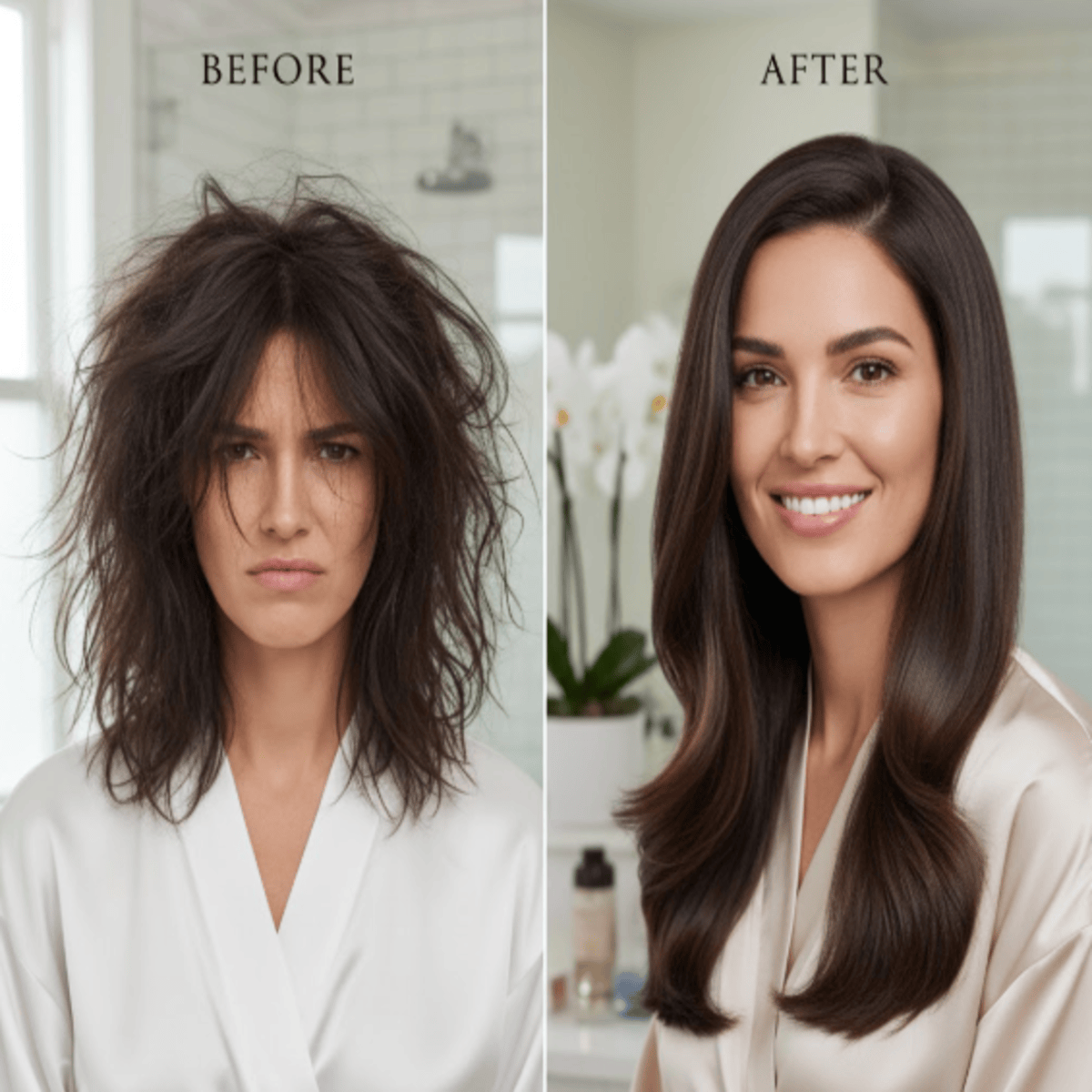
Frizzy hair is one of the most common and frustrating hair concerns, affecting millions of people regardless of hair type or texture. That unruly halo of flyaways and rough texture can make even the healthiest hair look dull and unmanaged. The good news is that frizz is not a permanent sentence, it’s a signal from your hair that something in your routine, environment, or hair health needs attention.
Understanding why frizz happens and how to address it systematically is the key to achieving smooth, sleek hair that looks polished in any weather. This comprehensive guide will walk you through the science behind frizz, the common mistakes that make it worse, and a complete step-by-step regimen to eliminate frizz for good. Whether you have curly, wavy, straight, or color-treated hair, you’ll find actionable solutions tailored to your specific needs.
What Is Frizzy Hair? Understanding the Root of the Problem
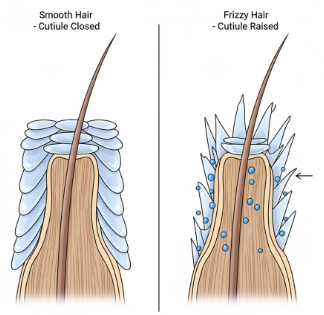
Frizzy hair occurs when the outermost layer of your hair strand, called the cuticle, is raised or damaged instead of lying flat and smooth. When the cuticle is lifted, moisture from the surrounding air can penetrate the hair shaft, causing individual strands to swell and separate from the rest of your hair.
Think of your hair cuticle like the scales on a pinecone. When the scales lie flat and closed, the surface is smooth and reflects light beautifully. When those scales open up, the surface becomes rough, catches on neighboring strands, and loses its shine. This is exactly what happens with frizzy hair at a microscopic level.
The appearance of frizz can range from a few stray flyaways to a full halo of undefined, puffed-up hair that refuses to cooperate with any styling effort. The severity often depends on your hair’s porosity, the level of damage, and environmental factors like humidity.
The Science Behind Frizzy Hair Explained
At the molecular level, your hair is made up of keratin protein chains held together by various types of bonds, including hydrogen bonds. These hydrogen bonds are relatively weak and can be temporarily broken and reformed by water and heat, which is why your hair can be restyled when wet or with heat tools.
When humidity is high, excess moisture in the air breaks these hydrogen bonds in an uncontrolled way. As the hair shaft absorbs moisture, it swells unevenly. This causes the cuticle to lift further, creating even more opportunities for moisture to enter and more frizz to develop. It becomes a vicious cycle.
Hair with a damaged or naturally raised cuticle is significantly more vulnerable to this process. The more porous your hair is meaning the more gaps and openings in the cuticle the more moisture can penetrate and the frizzier your hair becomes. This explains why damaged, chemically treated, or naturally curly hair tends to be more prone to frizz than virgin, straight hair with a tight cuticle structure.
Understanding this scientific foundation is crucial because it reveals that fighting frizz is fundamentally about two things: keeping the hair cuticle smooth and sealed, and controlling moisture levels in and around your hair.
What Causes Frizzy Hair? Key Factors and Triggers
Frizz doesn’t appear randomly. There are specific factors and triggers that cause the hair cuticle to lift and become rough. Identifying which of these apply to your situation will help you create a more targeted anti-frizz strategy.
Humidity and Environmental Factors
Humidity is the most well-known culprit when it comes to frizzy hair. When the air is saturated with moisture, your hair acts like a sponge, absorbing that excess water and swelling in the process. This is why your hair might look great when you style it indoors but turns into a frizz bomb the moment you step outside on a humid day.
Beyond humidity, other environmental factors contribute to frizz. Hard water, which contains high levels of minerals like calcium and magnesium, can build up on the hair shaft and create a rough, filmy coating that prevents moisture from being absorbed properly. This buildup also makes hair more prone to tangling and frizz.
UV exposure from the sun degrades the hair’s protein structure over time, weakening the cuticle and making hair more susceptible to damage and frizz. Wind can physically rough up the hair cuticle through friction, especially when hair is already dry or damaged.
Hair Damage and High Porosity
Damaged hair is almost always frizzy hair. When you use excessive heat styling without protection, subject your hair to harsh chemical treatments like bleaching or perming, or handle your hair roughly, you create microscopic cracks and gaps in the cuticle layer.
These damaged areas create what’s known as high porosity hair. High porosity means your hair absorbs moisture very quickly but also loses it just as fast. While this might sound like a good thing, it actually means your hair is constantly in flux, swelling with moisture and then shrinking as it dries, which manifests as persistent frizz.
Chemical damage from hair color, especially lightening treatments, is particularly problematic. The chemicals used to lift color from the hair cortex also strip away protective lipids and proteins, leaving the cuticle weakened and unable to lie flat. Similarly, heat damage from flat irons and curling tools can literally melt the cuticle, creating permanent rough patches.
Your Natural Hair Type and Texture
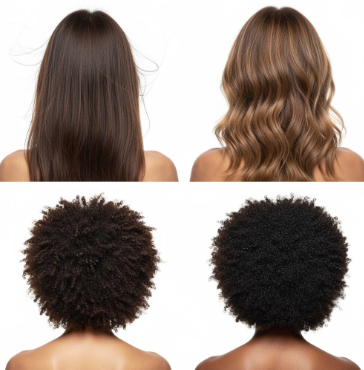
Some hair types are naturally more prone to frizz due to their inherent structure. Curly and coily hair types are the most frizz-prone because of their shape. The natural bends and curves in curly hair mean the cuticle cannot lie completely flat along the entire hair shaft. Each curve is a potential point where the cuticle lifts slightly, allowing moisture to enter.
Additionally, the natural oils produced by your scalp have a harder time traveling down curly, textured strands compared to straight hair. This means curly hair is often drier by nature, and dry hair is more vulnerable to frizz.
Fine hair can also experience frizz, though it typically manifests differently as flyaways and static rather than the puffy volume seen in thicker hair types. Fine hair has a thinner cuticle layer overall, making it more fragile and susceptible to environmental damage.
Wavy hair often experiences the frustrating middle ground where parts of the hair are smooth while other sections puff up, creating an inconsistent, frizzy texture. If you’re wondering how to care for specific hair types in challenging conditions, understanding your hair’s natural behavior is essential. For instance, learning how to take care of wavy hair after an airplane ride can help you manage frizz caused by the dry cabin air and environmental changes during travel.
Your Hair Care Routine and Common Mistakes
Many people unknowingly create frizz through their daily hair care habits. Using shampoos with harsh sulfates strips the hair of its natural protective oils, leaving it dry and vulnerable. Skipping conditioner or not using enough fails to provide the smoothing and sealing that hair desperately needs.
Towel-drying with a rough cotton towel creates significant friction, which roughs up the cuticle and causes immediate frizz. Brushing dry hair, especially curly or textured hair, breaks apart curl patterns and creates a frizzy halo. Over-washing hair removes essential oils, while under-conditioning fails to seal the cuticle properly.
Even the products you choose matter. Many styling products contain drying alcohols or are too heavy, causing buildup that prevents moisture balance. Understanding and correcting these common mistakes is often the fastest path to reducing frizz.
How to Get Rid of Frizzy Hair: Your Step-by-Step At-Home Regimen
Getting rid of frizz requires a comprehensive approach that starts in the shower and continues through every step of your hair care routine. This section will guide you through the essential practices that form the foundation of frizz-free hair.
The Ultimate Anti-Frizz Hair Washing Routine
How you wash your hair sets the stage for everything that follows. A proper washing routine doesn’t just clean your hair it prepares the cuticle to be sealed and protected against frizz.
Choose a Sulfate-Free, Hydrating Shampoo
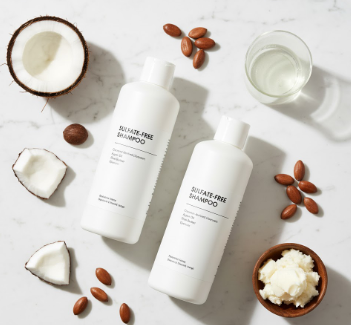
Sulfates, particularly sodium lauryl sulfate and sodium laureth sulfate, are powerful detergents that create a rich lather but also strip away your hair’s natural oils. These oils, produced by your scalp, are your hair’s first line of defense against moisture loss and frizz.
Switching to a sulfate-free shampoo is one of the most impactful changes you can make. Look for shampoos that contain gentle cleansing agents and hydrating ingredients like glycerin, panthenol, and natural oils. These formulas clean effectively without over-stripping, leaving your hair’s protective layer intact.
For those with very dry or curly hair, co-washing using a cleansing conditioner instead of traditional shampoo can be even more beneficial. This method cleanses the scalp while maintaining maximum moisture.
Never Skip Conditioner
Conditioner is not optional if you want frizz-free hair. While shampoo opens the hair cuticle to remove dirt and buildup, conditioner works to smooth and seal that cuticle back down. This sealing action is what creates the smooth, reflective surface that resists frizz.
Apply conditioner from the mid-lengths of your hair to the ends, avoiding the roots unless your hair is extremely dry. Let it sit for at least two to three minutes to allow the conditioning agents to penetrate and coat the hair shaft. For even better results, comb through your conditioner with a wide-tooth comb while in the shower to ensure even distribution and to gently detangle.
The conditioning agents typically cationic surfactants and silicones have a positive charge that is attracted to the negatively charged damaged sites on your hair. This targeted repair is why conditioner is so effective at reducing frizz in damaged hair.
Incorporate a Weekly Deep Conditioner or Hair Mask
While daily conditioner provides surface-level smoothing, a weekly deep conditioning treatment penetrates deeper into the hair shaft to repair and restore moisture from within. This is especially important for color-treated, heat-damaged, or naturally dry hair types.
Look for deep conditioners or hair masks that contain rich, nourishing ingredients like shea butter, coconut oil, argan oil, and keratin protein. Apply the mask to freshly washed, damp hair, focusing on the areas that tend to be the driest and most frizz-prone. Cover your hair with a shower cap and leave the treatment on for 15 to 20 minutes, or follow the product’s specific instructions.
For an extra boost, apply gentle heat with a hairdryer over the shower cap. The warmth opens the hair cuticle slightly, allowing the conditioning ingredients to penetrate more deeply. This weekly ritual significantly improves hair’s overall health and frizz resistance over time.
The Final Rinse: Use Cold Water to Seal the Cuticle
After conditioning, finish your shower with a cold water rinse. This simple step causes the hair cuticle to contract and lie flat, sealing in the conditioning treatment and creating a smoother surface. While it might not be the most comfortable part of your shower, the anti-frizz benefits are immediate and noticeable.
The cold water also helps close the pores on your scalp and can add extra shine to your hair by encouraging the cuticle to reflect light more effectively. Even just 30 seconds of cool water at the end can make a measurable difference.
How to Dry Your Hair to Prevent Frizz
The way you dry your hair can be the difference between smooth, sleek strands and a frizzy disaster. This phase is where many people undo all the good work from their washing routine.
Stop Using a Rough Cotton Towel
Traditional terry cloth bath towels have a rough, looped texture that creates significant friction against your hair cuticle. When you vigorously rub your hair dry with one of these towels, you’re essentially roughing up the cuticle layer and creating instant frizz.
The damage is compounded when hair is wet because the hydrogen bonds are broken and the cuticle is slightly swollen and more vulnerable. Aggressive towel-drying at this stage can cause the cuticle to lift permanently in some areas, leading to chronic frizz and split ends.
Squeeze, Don’t Rub: The Microfiber Towel and T-Shirt Method
Instead of rubbing, use a microfiber towel or a clean, soft cotton t-shirt to gently squeeze excess water from your hair. Microfiber towels have a much smoother surface with finer fibers that absorb water efficiently without creating friction.
Here’s the proper technique: after stepping out of the shower, gently squeeze sections of your hair from roots to ends to remove dripping water. Then, lay your microfiber towel or t-shirt flat, flip your hair forward onto it, and wrap the fabric around your head turban-style. Let it sit for 5 to 10 minutes to absorb moisture passively.
For curly-haired individuals, the “plopping” method is particularly effective. This technique involves laying your hair on a t-shirt in a way that encourages your natural curl pattern to form without disruption, resulting in defined curls with minimal frizz. The gentle fabric supports the curls as they dry rather than weighing them down or roughing them up.
Air-Drying vs. Blow-Drying for Frizz Control
Both air-drying and blow-drying can work for frizz control, but each method requires specific techniques.
If you choose to air-dry, apply a leave-in conditioner or smoothing cream to damp hair immediately after towel-drying. This provides a protective barrier and helps seal the cuticle as it dries naturally. The key to successful air-drying is patience avoid touching, scrunching, or manipulating your hair while it dries, as this disrupts the cuticle and creates frizz.
For blow-drying, always apply a heat protectant spray or cream first. This creates a barrier between your hair and the high heat, preventing damage that leads to frizz. Use a concentrator nozzle on your dryer and point the airflow downward along the hair shaft, from roots to ends. This direction helps smooth the cuticle scales down rather than lifting them up.
Keep the dryer moving and maintain a distance of at least 6 inches from your hair to prevent heat damage. Use the medium heat setting rather than the highest, and finish with a blast of cool air using the cool-shot button. This final cool blast seals the cuticle just like the cold water rinse, locking in smoothness.
For those interested in long-term hair care solutions beyond daily styling, exploring options like laser treatments might be relevant. While primarily used for hair removal, understanding how much is laser hair removal can help you make informed decisions about various professional hair care investments.
Styling Secrets for a Smooth, Frizz-Free Finish
Once your hair is washed and dried using frizz-minimizing techniques, the right styling products and tools will maintain that smoothness throughout the day.
The Importance of a Leave-In Conditioner
A leave-in conditioner is your first line of defense against environmental frizz throughout the day. Unlike rinse-out conditioners, leave-in formulas are designed to stay on your hair, providing continuous moisture and cuticle protection.
Apply leave-in conditioner to damp hair after toweling but before any other styling products. Focus on the mid-lengths and ends, where hair is oldest and most prone to dryness and damage. Leave-in conditioners typically contain lighter conditioning agents and humectants that attract and hold moisture without weighing hair down.
This base layer of protection is especially important in humid climates, as it helps prevent your hair from absorbing excess moisture from the air. Think of it as a primer that prepares your hair to accept and work better with your styling products.
Layering Products: Serums, Creams, and Oils
Product layering is an art that, when done correctly, creates a powerful anti-frizz shield without making hair greasy or heavy. The key is understanding what each product type does and using the right amount for your hair type.
Anti-frizz serums, often containing silicones like dimethicone or cyclomethicone, create a smooth coating on the hair shaft that seals the cuticle and repels humidity. A small amount typically a dime-sized portion for medium-length hair is rubbed between your palms and distributed through damp or dry hair. These serums are particularly effective for creating shine and eliminating flyaways.
Smoothing creams provide hydration while offering light to medium hold, helping to keep frizz at bay throughout the day. These work especially well for wavy and curly hair types, as they provide definition without crunchiness. Apply creams to damp hair, scrunching them into curls or smoothing them along straight hair.
Hair oils, such as argan, coconut, or jojoba oil, are best used as a final step to seal everything in and add extra shine. Just a few drops warmed between your palms and smoothed over the surface of your hair is sufficient. Oils are particularly effective on the ends, where hair is driest and most prone to splitting and frizz.
The layering order typically works best as: leave-in conditioner, smoothing cream or curl cream, serum, and finally a tiny amount of oil on the ends. Adjust quantities based on your hair thickness and texture. Fine hair needs far less of each product than thick, coarse hair.
The Right Tools: Boar Bristle Brushes and Wide-Tooth Combs
The tools you use to detangle and style can either create or prevent frizz. Never brush wet hair with a regular brush, as wet hair is in its most vulnerable state and the cuticle is swollen and easily damaged.
Instead, use a wide-tooth comb on wet, conditioned hair in the shower. Start from the ends and work your way up to the roots, gently working through tangles without yanking or tearing. This method minimizes breakage and cuticle damage.
For dry hair, a boar bristle brush is the gold standard for smoothness. The natural bristles are gentle on the hair cuticle and help distribute your scalp’s natural oils down the length of your hair, providing natural frizz protection and shine. These brushes are excellent for smoothing straight or wavy hair and creating polished styles.
For curly hair, many stylists recommend avoiding brushing altogether once hair is dry, as this disrupts the curl pattern and creates frizz. Instead, use your fingers to gently separate and arrange curls, or use a wide-tooth comb only on wet, conditioned hair.
Overnight Frizz Protection: How to Wake Up with Smooth Hair
You can have a perfect hair day only to wake up the next morning with a tangled, frizzy mess. What happens while you sleep has a major impact on your hair’s frizz levels.
Switch to a Silk or Satin Pillowcase
Cotton pillowcases, while comfortable, create significant friction as you move during sleep. This friction roughens the hair cuticle, causes tangles, and can even lead to breakage. Over time, sleeping on cotton every night contributes to chronic frizz and dullness.
Silk and satin pillowcases have a much smoother surface that allows your hair to glide rather than catch and snag. This simple switch can dramatically reduce morning frizz and tangles. Silk pillowcases also don’t absorb moisture from your hair the way cotton does, helping your hair retain the products and natural oils you’ve applied.
As a bonus, silk and satin pillowcases are also gentler on facial skin, potentially reducing sleep lines and wrinkles. It’s a small investment with multiple beauty benefits.
Protect Your Hair with a Pineapple Updo or Silk Bonnet
For added protection, especially if you have curly or textured hair, consider protective overnight hairstyles. The “pineapple” method involves loosely gathering your hair into a very high, loose ponytail on top of your head using a scrunchie or silk hair tie. This keeps the length of your hair off your pillow and prevents crushing and flattening of curls.
For even better protection, wear a silk or satin bonnet or scarf over your hair. This completely encases your hair in a friction-free environment and is the method preferred by many people with curly, coily, or highly textured hair. Bonnets protect your hairstyle, reduce the need for restyling in the morning, and significantly minimize frizz and breakage.
If you have longer hair, you can also try a loose braid before bed. This keeps hair contained and prevents tangling, though make sure the braid is very loose to avoid creating unwanted waves or crimps.
Beyond the Basics: Advanced Frizz-Fighting Strategies
Once you’ve mastered the fundamental frizz-fighting routine, these advanced strategies will help you fine-tune your approach and address persistent frizz issues.
Choosing the Right Anti-Frizz Products: An Ingredient Deep Dive
Not all hair products are created equal, and understanding ingredient labels empowers you to make better choices for your specific hair needs.
Ingredients to Look For (The Frizz Fighters)
Certain ingredients have proven track records for combating frizz and improving hair smoothness.
Glycerin is a powerful humectant that attracts moisture from the air into your hair. In moderate humidity conditions, this is excellent for keeping hair hydrated and smooth. It’s found in many leave-in conditioners and styling creams.
Shea butter and coconut oil are rich, nourishing ingredients that provide deep moisture and help seal the hair cuticle. They’re particularly beneficial for thick, coarse, or curly hair types that need substantial hydration.
Argan oil is lighter than coconut oil and rich in vitamin E and fatty acids. It penetrates the hair shaft to provide moisture without heaviness, making it suitable for a wider range of hair types, including fine hair.
Keratin protein helps rebuild the hair’s structure from within, filling in gaps in damaged cuticles and strengthening weak areas. It’s especially beneficial for chemically treated or heat-damaged hair.
Dimethicone and other silicones create a smooth, protective coating on the hair surface that seals the cuticle, adds shine, and repels humidity. Despite some controversy, silicones are highly effective anti-frizz ingredients when used properly and removed with regular cleansing.
Panthenol (provitamin B5) is a humectant and emollient that attracts and retains moisture while coating the hair shaft to add thickness and shine.
Ingredients to Avoid (The Frizz Triggers)
Equally important is knowing which ingredients can make frizz worse or damage your hair over time.
Sulfates, including sodium lauryl sulfate and sodium laureth sulfate, are harsh detergents that strip natural oils and can leave hair dry and prone to frizz. While they create satisfying lather, the cleansing is often too aggressive for daily use.
Drying alcohols such as alcohol denat, isopropyl alcohol, and ethanol can dry out hair when used in high concentrations. These are different from fatty alcohols like cetyl alcohol and stearyl alcohol, which are actually beneficial and moisturizing.
High concentrations of salt or sodium chloride can be dehydrating, especially for color-treated hair. While small amounts are used as thickeners in some formulas, excessive salt in styling products can lead to dryness and frizz.
Formaldehyde and formaldehyde-releasing preservatives can damage hair structure over time and pose potential health concerns. Some smoothing treatments contain these, so it’s important to ask about ingredients before professional services.
Customizing Your Frizz-Control Plan by Hair Type
Different hair types experience frizz in different ways and require tailored approaches for the best results.
How to Get Rid of Frizzy Curly Hair
Curly hair is naturally more prone to frizz due to its structure, but with the right approach, you can have defined, smooth curls with minimal frizz.
The LOC or LCO method is a layering technique specifically designed for curly hair. LOC stands for Liquid, Oil, Cream you apply products in that order on damp hair. Start with a water-based leave-in conditioner (liquid), seal with a light oil, then finish with a curl-defining cream for hold. LCO reverses the oil and cream order and works better for some curl types.
Co-washing, or using a cleansing conditioner instead of shampoo, helps maintain the moisture that curly hair desperately needs. Reserve regular shampooing for once a week or when you have significant buildup.
The plopping method mentioned earlier is essential for curly hair. After applying your styling products to soaking wet hair, plop with a t-shirt for 10 to 20 minutes to encourage curl formation while absorbing excess water.
Never brush dry curly hair. Detangle only when hair is wet and coated with conditioner, using your fingers or a wide-tooth comb. Brushing dry curls breaks apart the curl pattern and creates a frizzy halo.
Use a diffuser attachment when blow-drying to distribute heat evenly without disrupting curl formation. Hover the diffuser around sections of hair rather than rubbing it against your head.
Managing Frizz in Straight or Fine Hair
Fine or straight hair experiences frizz primarily as flyaways and static rather than volume. The challenge is controlling frizz without weighing down hair.
Use lightweight products exclusively light serums, spray-on leave-in conditioners, and fine-mist hairsprays. Heavy creams and oils will make fine hair look greasy and flat.
Focus anti-frizz products on the mid-lengths and ends only, avoiding the roots. This prevents your hair from losing volume while still controlling frizz where it tends to appear.
A small amount of smoothing serum applied to the palms and lightly smoothed over the hair surface can tame flyaways without creating a heavy, product-laden look.
Avoid over-washing, which strips the small amount of natural oil that fine hair produces. Washing every other day or every two days allows some natural oil to coat and protect the hair.
A lightweight mousse applied to damp roots can provide lift and volume while still offering some frizz control through the lengths.
Taming Frizz in Wavy Hair
Wavy hair often experiences inconsistent frizz; some waves are smooth while others are fuzzy and undefined. The goal is to enhance the wave pattern while eliminating frizz.
Find the right balance of moisture. Wavy hair typically sits between straight and curly in terms of moisture needs. Too little and you get frizz; too much and you get limp, undefined waves with buildup.
Use a curl-enhancing cream or mousse on damp hair, scrunching it upward to encourage wave formation. The scrunching motion helps create definition while the product provides hold and frizz control.
A diffuser can help set waves without creating frizz. Use the low heat, low speed setting and gently cup sections of hair in the diffuser.
Avoid touching your hair as it dries. Wavy hair is particularly susceptible to frizz from mid-drying manipulation. Apply your products, then leave your hair alone until it’s completely dry.
Consider a light sea salt spray for texture, but choose one with conditioning ingredients to prevent dryness. Apply to damp hair before air-drying or diffusing.
Controlling Frizz on Color-Treated or Damaged Hair
Chemically treated hair has a compromised cuticle structure, making it highly prone to frizz. Special care is needed to repair damage and prevent further deterioration.
Invest in bond-building treatments like Olaplex, K18, or similar products. These treatments work at a molecular level to repair the broken bonds in chemically damaged hair, actually rebuilding hair structure rather than just coating the surface.
Use protein treatments weekly or bi-weekly to strengthen weak hair and fill in gaps in the cuticle. Look for treatments containing hydrolyzed keratin, wheat protein, or silk protein.
Always use a deep conditioning mask at least once a week, focusing on moisture restoration. Damaged hair loses its ability to retain moisture, so consistent deep conditioning is essential.
Minimize heat styling and always use a heat protectant when you do style with heat. Further damage will only worsen frizz.
Use purple or blue shampoo if you have color-treated blonde or silver hair. These specialized shampoos are typically sulfate-free and help maintain color while gently cleansing.
Consider a gloss or glaze treatment at your salon every few weeks. These semi-permanent color services deposit a sheer layer of color that seals and smooths the cuticle, adding incredible shine and frizz control.
Professional Salon Treatments for Long-Term Frizz Reduction
For those seeking more dramatic and longer-lasting results, several professional treatments can significantly reduce frizz for weeks or months at a time.
Keratin Treatment (Brazilian Blowout)
Keratin treatments, often called Brazilian blowouts, are semi-permanent smoothing treatments that infuse liquid keratin into the hair shaft and seal it with heat. The result is dramatically smoother, shinier, and more manageable hair that resists frizz even in high humidity.
The treatment typically takes two to four hours, depending on hair length and thickness. The stylist applies a keratin formula to clean, dry hair, then uses a flat iron at high heat to seal the keratin into the cuticle. The heat permanently alters the hair’s structure, reducing curl and eliminating frizz.
Results typically last three to five months with proper care. You’ll need to use sulfate-free shampoos and avoid tying hair up or getting it wet for the first 72 hours after treatment to allow the keratin to fully set.
According to celebrity hairstylist Jen Atkin, who has worked with numerous A-list clients, “Keratin treatments are game-changers for clients with unmanageable frizz. They don’t completely straighten hair but instead give a smooth, lived-in texture that’s effortlessly polished.”
Cost varies widely based on location and salon, typically ranging from $150 to $500 or more. Hair length and thickness affect pricing.
One important consideration: some formulations contain formaldehyde or formaldehyde-releasing ingredients, which can cause fumes during the treatment. Always ask your stylist about the specific formula being used. Many salons now offer formaldehyde-free versions that are safer but may not last quite as long.
Hair Botox and Glossing Treatments
Hair botox is not actually botulinum toxin, it’s a deep conditioning treatment that fills in damaged areas of the hair fiber with a blend of proteins, amino acids, and vitamins. The result is smoother, shinier, healthier-looking hair with significantly reduced frizz.
Unlike keratin treatments, hair botox doesn’t alter your hair’s structure or reduce curl. Instead, it repairs and conditions intensively, making it ideal for those who want frizz control without straightening. Results typically last two to four months.
The treatment takes about an hour and involves applying the formula to clean hair, leaving it to process, then rinsing and heat-styling. There are no restrictions after treatment you can wash your hair immediately.
Hair glossing or glazing treatments are essentially clear or tinted shine services that coat the hair cuticle with a sheer layer of color molecules. This coating smooths the cuticle, adds intense shine, and significantly reduces frizz for several weeks.
Glosses are perfect for maintenance between color appointments or for anyone wanting to enhance their natural color while getting a smoothing benefit. A professional gloss typically lasts four to six weeks and costs between $50 and $150, depending on the salon.
These treatments work particularly well for color-treated hair, as they seal the cuticle and help lock in color while addressing frizz. The combination of improved color vibrancy and smoothness makes hair look noticeably healthier and more polished.
Debunking Common Frizz Myths
There’s a lot of misinformation about frizzy hair and how to treat it. Let’s clear up some of the most common myths.
Myth: You just need to apply more oil to fix frizz.
Fact: While oil can help seal moisture in and create smoothness, applying oil to already dry hair won’t fix frizz. Hair needs moisture first water or water-based products then oil to seal that moisture in. Applying oil to dry, frizzy hair just makes it greasy and still frizzy. The proper sequence is hydration first, then sealing with oil.
Myth: Frizzy hair is just unhealthy hair.
Fact: While damaged hair is more prone to frizz, even healthy hair can be naturally frizzy depending on its texture and structure. Curly and coily hair types are inherently more prone to frizz due to their shape, even when perfectly healthy. The key is understanding your hair’s natural characteristics and working with them rather than against them.
Myth: You should brush your hair 100 times a day to make it smooth.
Fact: This old-fashioned advice is actually terrible for your hair, especially if it’s curly, wavy, or prone to frizz. Excessive brushing, particularly on dry hair, creates friction that roughs up the cuticle and causes breakage. It also disrupts curl patterns and creates a frizzy halo. Gentle detangling when hair is wet and conditioned is far better for frizz control.
Myth: Cutting your hair more frequently will stop frizz.
Fact: While regular trims do remove split ends and damaged ends that contribute to frizz, cutting hair more often doesn’t change the hair’s fundamental texture or frizz tendency. The benefit of haircuts for frizz is removing the most damaged portions, not the act of cutting itself.
Myth: Natural ingredients are always better than synthetic ones for frizz.
Fact: While many natural ingredients are excellent for hair, some synthetic ingredients, particularly certain silicones, are extremely effective at controlling frizz and have been extensively studied for safety. The “natural versus synthetic” debate is overly simplistic. What matters is whether an ingredient works for your specific hair type and concerns.
Conclusion: Your Journey to Consistently Smooth Hair
Achieving frizz-free hair is not about finding one miracle product or treatment, it’s about understanding what causes frizz and creating a comprehensive routine that addresses those root causes. The foundation of frizz control lies in three key principles: maintaining proper moisture balance, keeping the hair cuticle smooth and sealed, and protecting hair from damage.
Start with the basics: switch to sulfate-free cleansers, never skip conditioner, use gentle drying techniques, and protect your hair while sleeping. These fundamental changes alone can dramatically reduce frizz for most people.
Then layer in the advanced strategies that work for your specific hair type and lifestyle. Whether that means the LOC method for curly hair, lightweight serums for fine hair, or professional treatments for severely damaged hair, customization is key.
Remember that consistency matters more than any single product or technique. A mediocre routine followed religiously will give you better results than the “perfect” routine done sporadically. Your hair responds to patterns and repeated care over time.
Frizz is not a permanent condition or a hair type it’s a signal that something needs attention. With the right knowledge and consistent care, anyone can achieve smoother, more manageable hair that looks polished and healthy regardless of the weather. The journey to frizz-free hair might require some trial and error to find what works best for you, but the results are absolutely worth the effort.
For more comprehensive hair care guidance and expert tips, visit Care About Your Hair, where you’ll find resources to help you understand and care for your unique hair needs.
Frequently Asked Questions About Frizzy Hair
Why is my hair so frizzy all of a sudden?
Sudden frizz is usually caused by a change in your environment or routine. Increased humidity, seasonal weather changes, or moving to a new climate can trigger frizz even if your hair was previously manageable.
Other common causes include starting a new hair product that contains drying ingredients, recent heat or chemical damage, changes in your water supply (particularly increased mineral content), or hormonal fluctuations. Identify what changed around the time the frizz started, and you’ll likely find the culprit.
How can I get rid of frizz in 5 minutes?
For a quick frizz fix, dampen your hands with water, then rub a pea-sized amount of leave-in conditioner or anti-frizz serum between your palms. Lightly smooth it over the frizzy areas without applying too much product.
For flyaways specifically, you can use a small amount of clear brow gel or hairspray applied to a clean spoolie brush or toothbrush and gently brush over the frizzy areas. This provides instant, targeted control without disturbing your overall hairstyle.
What is the best home remedy for frizzy hair?
An apple cider vinegar rinse is one of the most effective home remedies for smoothing the hair cuticle. Mix one part apple cider vinegar with three parts water and pour it through your hair after conditioning, then rinse with cool water. This helps seal the cuticle and restore pH balance.
Another excellent DIY treatment is a weekly hair mask made from mashed avocado and olive oil. Apply it to damp hair, leave for 20 minutes, then shampoo out. This provides deep hydration and nourishment using ingredients you likely already have in your kitchen.
Does cutting your hair reduce frizz?
Cutting hair doesn’t change its fundamental texture or tendency toward frizz, but regular trims do remove split ends and the most damaged portions of your hair, which are usually the frizziest parts. Removing these damaged ends can make your overall hair appear smoother and less frizzy.
For best results, get a trim every 8 to 12 weeks to prevent split ends from traveling up the hair shaft and creating more damage and frizz. Blunt cuts tend to show less frizz than heavily layered styles because all the ends are healthy at the same time.
Can I permanently get rid of frizzy hair?
No treatment is truly permanent, but professional keratin treatments and similar smoothing services can significantly reduce frizz for three to six months. These treatments alter the hair’s structure temporarily, making it smoother and more resistant to humidity.
The closest thing to permanent frizz control is maintaining a consistent, healthy hair care routine that minimizes damage and keeps the cuticle sealed. This ongoing approach addresses the root causes of frizz rather than just temporarily smoothing symptoms.
What ingredient makes hair frizzy?
Harsh sulfate detergents, particularly sodium lauryl sulfate and sodium laureth sulfate, are major contributors to frizz because they strip away your hair’s natural protective oils, leaving it dry and vulnerable to moisture imbalance.
Drying alcohols like alcohol denat, isopropyl alcohol, and SD alcohol can also dehydrate hair when present in high concentrations, leading to a rough cuticle and increased frizz. Always check product ingredient lists and avoid formulas with these near the top of the list.
How do I stop frizz when I sleep?
The best way to prevent overnight frizz is to sleep on a silk or satin pillowcase, which creates minimal friction against your hair as you move during sleep. For additional protection, especially if you have curly or long hair, wear a silk or satin bonnet or scarf that completely encases your hair.
You can also try the “pineapple” method: loosely gather your hair into a very high, loose ponytail on top of your head using a silk scrunchie before bed. This keeps your hair off the pillow and prevents crushing and tangling that leads to morning frizz.
Is glycerin good or bad for frizzy hair?
Glycerin’s effect on frizz depends entirely on your climate and humidity level. It’s a humectant that draws moisture from the environment into your hair. In moderately humid conditions (around 40 to 60 percent humidity), glycerin is excellent because it pulls beneficial moisture into dry hair, keeping it hydrated and smooth.
However, in very high humidity (above 70 percent), glycerin can draw too much moisture into your hair, causing it to swell and become frizzy. In very dry conditions (below 30 percent humidity), glycerin may actually pull moisture out of your hair into the dry air, causing dryness and frizz. Consider your local climate when choosing products with glycerin.