
Table of Contents
- Introduction
- Understanding the Purple Spectrum: Finding Your Perfect Shade
- Types of Purple Hair Dye: Formulas and Longevity
- The Pre-Color Prep: Assessing Your Starting Canvas
- Step-by-Step Guide: How to Dye Your Hair Purple at Home
- Advanced Color Theory: Troubleshooting and Mistakes
- Maintenance: Keeping Your Purple Vibrant
- Removing Purple Hair Dye
- Top Trends and Styling Inspiration
- Conclusion
- Frequently Asked Questions
This blog post may contain affiliate links. As an Amazon Associate I earn from qualifying purchases.
Purple hair dye has become one of the most sought-after fashion colors in the hair world, and for good reason. Whether you’re dreaming of ethereal lavender waves, bold violet streaks, or deep plum richness, this comprehensive guide will walk you through everything you need to know to achieve and maintain stunning purple locks.
From understanding which shade complements your skin tone to mastering the art of at-home application, you’ll find practical advice backed by professional insights and real-world experience. Let’s dive into the vibrant world of purple hair color.
Introduction
Purple sits at a fascinating crossroads in the color spectrum. It bridges the coolness of blue with the warmth of red, making it one of the most versatile fashion hair colors available today. This unique positioning means there’s genuinely a purple shade for everyone, regardless of your natural hair color, skin tone, or personal style.
Why Purple Remains the Most Versatile Fashion Color
The appeal of purple hair extends far beyond its visual impact. Unlike stark blues that can read as unnatural or reds that demand constant maintenance, purple offers a range that can appear either subtly sophisticated or dramatically bold. A soft lavender might pass as an acceptable shade in conservative workplaces, while electric violet makes an unmistakable statement at music festivals.
Purple also fades more gracefully than many other fashion colors. While neon green might turn swampy and bright orange can become muddy, purple typically transitions through pleasant pastel stages before washing out. This forgiving fade pattern makes it an excellent choice for those new to fashion colors.
The Psychology of Purple Hair
Historically, purple was the color of royalty because the dye was extraordinarily expensive to produce. Today, choosing purple hair still carries echoes of this regal association, along with connections to creativity, individuality, and spiritual awareness. In punk and alternative subcultures, purple has represented rebellion against conformity since the 1970s.
Modern purple hair wearers often report feeling more confident and expressive. Color psychologists note that surrounding yourself with purple, even when that means looking in the mirror, can enhance creative thinking and promote a sense of luxury in everyday life.
Who This Guide Is For
This guide serves multiple audiences. If you’re a first-timer considering purple hair, you’ll find foundational information about what to expect and how to prepare. DIY enthusiasts will discover professional-level techniques to achieve salon-quality results at home. Those dealing with color correction situations will learn how to fix common mistakes and troubleshoot unexpected results.
Throughout this article, you’ll encounter practical tips drawn from professional colorist experience, scientific explanations for why certain techniques work, and honest assessments of both benefits and limitations.
Understanding the Purple Spectrum: Finding Your Perfect Shade
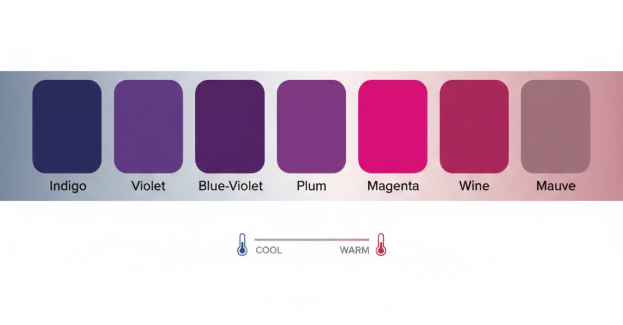
Choosing the right purple involves more than picking a pretty color from a box. Understanding undertones, considering your skin’s characteristics, and anticipating how the color will fade are all essential steps in the selection process.
The Importance of Undertones
Every purple shade contains underlying tones that significantly affect how it looks on your hair and against your skin. Recognizing these undertones helps you select colors that will flatter rather than clash.
Cool-Toned Purples
These shades lean toward blue on the color wheel. Indigo, true violet, and grape fall into this category. Cool-toned purples create a striking contrast against warm skin tones and complement cool skin beautifully. They tend to fade toward blue or silver-grey shades, which many people find desirable.
Examples include shades marketed as “midnight purple,” “deep violet,” and “blue-based amethyst.” These colors often appear more dramatic and can make a strong visual statement.
Warm-Toned Purples
Warm purples contain more red pigment, resulting in shades like plum, magenta, berry, and wine. These colors create harmony with warm skin undertones and can add dimension to cool skin. As they fade, warm purples transition through pink and rose-gold stages.
You’ll find these marketed as “plum,” “berry burst,” “mulberry,” and “red-violet.” They often appear softer and more approachable than their cool-toned counterparts.
Pastel, Neon, and Deep Shades
Beyond undertones, intensity matters significantly. Pastel purples like lilac and lavender require the lightest blonde base and create a soft, dreamy effect. Neon or electric purples deliver maximum vibrancy and visual punch. Deep shades like aubergine and blackberry can sometimes be achieved on darker bases without extensive bleaching.
Matching Purple to Your Skin Tone
While personal preference ultimately guides color choice, understanding which purples traditionally complement different skin tones helps narrow down options.
Fair Skin with Cool Undertones
Light skin with pink or blue undertones pairs beautifully with cool-toned purples. Lavender and lilac create an ethereal look that doesn’t overwhelm delicate coloring. Deeper violets and blue-purples add drama without creating harsh contrasts. Avoid very warm, red-based purples, which might emphasize any redness in the skin.
Fair Skin with Warm Undertones
Peachy or golden-fair skin comes alive with mauve and dusty rose-purples. These shades complement the skin’s warmth rather than fighting against it. True violet can work well as it balances both cool and warm elements.
Medium and Olive Skin Tones
The versatility of medium skin means most purple shades work effectively. Bright violets and magentas particularly stand out against golden or olive complexions. Deep plums and wine-colored purples add richness without disappearing against the skin.
If you’re exploring colors that complement warm complexion hair colors, remember that purple’s red undertones can create beautiful harmony with golden skin.
Dark and Deep Skin Tones
Rich, saturated purples look absolutely stunning against dark skin. Bright violet, electric purple, and deep magenta create gorgeous contrast without appearing washed out. Pastel purples can work but may require extra saturation to remain visible. Dark plum and aubergine shades add dimension and subtle color without dramatic contrast.
Visualizing the Fade
One often-overlooked aspect of shade selection involves understanding how colors change as they wash out. Purple’s fade pattern depends largely on its initial undertone and the porosity of your hair.
Cool-toned purples fade through blue and eventually silver-grey stages. Some people love this evolution, as it provides multiple looks from one application. Others find the blue stage unflattering.
Warm-toned purples fade through pink and eventually rose-gold or peachy tones. This fade pattern often requires less maintenance between touch-ups since the intermediate stages remain attractive.
Certain purple shades notorious for fading to unwanted tones should be approached with caution. Some blue-violet colors can leave behind greenish or muddy residue, particularly on porous hair. When researching specific brands, look for reviews mentioning fade patterns.
Types of Purple Hair Dye: Formulas and Longevity
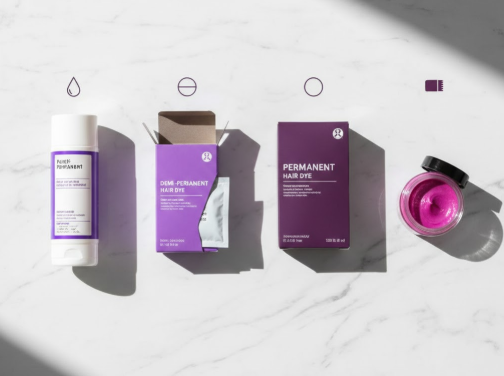
Understanding the different categories of hair dye helps you choose the right product for your goals, lifestyle, and hair condition. Each type offers distinct advantages and limitations.
Semi-Permanent Dyes
Semi-permanent purple dyes are the most popular choice for fashion colors, and understanding how they work explains why.
How Direct Dyes Work
Unlike permanent color, semi-permanent dyes don’t penetrate the hair cortex. Instead, they coat the outer cuticle layer, staining it with pigment. This surface-level application means zero chemical damage occurs during the coloring process.
The color molecules in semi-permanent dye are larger than those in permanent formulas. They sit on the hair’s surface and gradually wash away with each shampoo. This process typically takes between four and eight washes for noticeable fading, though many factors influence longevity.
Advantages of Semi-Permanent Purple Dye
The most significant benefit is the lack of damage. You can apply semi-permanent color to already-bleached or processed hair without adding stress. The vibrancy of semi-permanent purple dyes often exceeds what’s possible with permanent formulas, delivering the bold, saturated looks associated with fashion colors.
Flexibility represents another major advantage. If you dislike the result, semi-permanent color washes out over time. If you love it, easy touch-ups keep the color fresh. Changing between different purple shades or transitioning to other colors remains straightforward.
Limitations to Consider
Semi-permanent purple is notorious for bleeding onto pillowcases, towels, and light clothing, especially during the first few days. Frequent washing means frequent fading, which requires ongoing maintenance. Achieving consistent color over time demands regular touch-ups.
Water exposure, whether from swimming, heavy sweating, or frequent washing, accelerates fading significantly. Those with active lifestyles involving daily hair washing may find semi-permanent color impractical.
Demi-Permanent Options
Demi-permanent color occupies the middle ground between semi-permanent and permanent formulas. These products use a low-volume developer, typically 5 or 10 volume, to slightly open the cuticle and deposit color deeper into the hair shaft.
Applications for Purple
Demi-permanent purple works well for those seeking longer-lasting color without permanent commitment. It’s particularly effective for covering gray hair with fashion colors, as the slight cuticle penetration helps grip resistant strands.
The longevity typically exceeds semi-permanent options, lasting through twelve to twenty-four washes depending on hair care practices. Fading occurs more gradually and evenly than with purely surface-level dyes.
Important Considerations
Because demi-permanent formulas contain developer, they cause minimal damage. This level remains far below permanent color but exceeds the zero-damage nature of semi-permanent dyes. Additionally, the color selection in demi-permanent formulas tends toward more natural-inspired shades, with fewer neon or ultra-bright options available.
Permanent Purple Hair Dye
Permanent hair color uses ammonia and higher-volume developers to lift the cuticle, deposit pigment into the cortex, and create lasting change.
How Permanent Purple Differs
True permanent purple dyes offer the longest-lasting results, with color growing out rather than washing out. This permanence appeals to those tired of constant maintenance and frequent touch-ups.
However, permanent formulas face inherent limitations for fashion colors. The lightening and depositing process often results in less vibrancy compared to direct semi-permanent dyes. Permanent purples tend toward deeper, more muted shades like aubergine, plum, and dark violet rather than bright electric hues.
Best Uses for Permanent Purple
Consider permanent purple when seeking deep, rich shades that blend with natural hair color. It works well for creating dimension through highlights or lowlights intended to last. Those with naturally dark hair who want subtle purple tones without bleaching might achieve acceptable results with permanent high-lift formulas.
Temporary Solutions and Color Wax
For those not ready to commit or wanting purple hair for specific events, temporary options provide flexibility.
Sprays, Chalks, and Waxes
Temporary hair color products sit entirely on the hair’s surface and wash out with a single shampoo. Hair chalk works by rubbing pigmented sticks along the strands. Spray-on color delivers quick coverage for large sections. Color wax applies with fingers for textured, defined placement.
Performance on Dark Hair
One significant advantage of temporary products is visibility on dark hair without bleaching. While semi-permanent purple often disappears on black or dark brown hair, temporary waxes and chalks can create visible color. The coverage may appear more as a tint than true transformation, but it achieves what most permanent options cannot on unbleached dark hair.
Limitations
Temporary color transfers easily to clothing, furniture, and anything the hair touches. It often lacks the smooth, blended look of traditional dyes. Weather sensitivity means rain or sweat can cause running or uneven fading. These products work best for controlled environments like photoshoots or indoor events.
The Pre-Color Prep: Assessing Your Starting Canvas
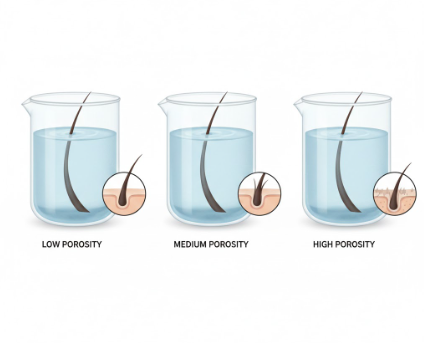
The condition and characteristics of your hair before applying purple dye significantly impact your final results. Taking time to evaluate and prepare your canvas prevents disappointment and produces more professional-looking outcomes.
The Role of Hair Porosity
Porosity refers to your hair’s ability to absorb and retain moisture and color. Understanding your hair’s porosity level helps predict how purple dye will behave.
High Porosity Hair
Hair becomes highly porous through damage, chemical processing, heat styling, or environmental exposure. The cuticle layer is raised or contains gaps, allowing substances to enter easily.
High porosity hair absorbs purple dye quickly and intensely, often resulting in deeper-than-expected color. However, this same openness means color escapes quickly during washing. High porosity hair typically experiences faster fading and may develop uneven patches as some sections lose pigment before others.
Preparing high porosity hair involves protein treatments to temporarily fill gaps in the cuticle. These treatments create a more even surface for color application.
Low Porosity Hair
Healthy, undamaged, or naturally resistant hair often exhibits low porosity. The cuticle lies flat and smooth, creating a barrier that resists absorption.
Low porosity hair may initially resist purple dye, requiring longer processing times or heat to achieve desired intensity. Color that does deposit tends to last longer since the tight cuticle prevents pigment escape. Buildup on the hair surface can exacerbate porosity issues, making clarifying treatments particularly important.
Performing a Strand Test
Before committing to full application, always conduct a strand test. Select a small, hidden section of hair, apply your purple dye following package directions, and process for the recommended time. Rinse, dry, and evaluate the results under natural light.
This test reveals how your specific hair responds to your specific product. Colors may appear differently than expected, processing times might need adjustment, and you’ll catch any allergic reactions before they affect your entire head.
To Bleach or Not to Bleach
The necessity of bleaching depends on your natural or current hair color and your desired purple shade. This decision significantly impacts the process, damage potential, and final results.
When Bleaching Is Essential
Pastel purples absolutely require a light blonde base, typically level nine or ten. The soft pigments in lilac, lavender, and periwinkle cannot overpower darker underlying tones. Applying pastel purple over anything darker than pale blonde results in muddy, barely-visible color or complete disappearance.
Bright, vivid purples also perform best on a light base. While some may show slightly on medium blonde hair, the full vibrancy of electric violet or magenta requires removal of most natural pigment.
What Happens on Unbleached Hair
Applying purple dye over brown hair creates a tinted effect rather than true purple. In bright light or sunshine, you might notice a purple sheen or reflection. Under normal conditions, the hair appears essentially unchanged or slightly darker.
On black hair, most purple dyes produce virtually no visible change. Some deposit slight color that becomes visible only in direct sunlight, creating an effect sometimes called “secret purple.”
Using Purple Over Brassy Tones
Understanding color theory opens interesting possibilities for using purple strategically. On the color wheel, purple sits opposite yellow. This relationship means purple pigments neutralize yellow tones.
If your bleached hair has turned yellow or brassy, applying a violet-based purple can correct this unwanted warmth while simultaneously adding color. This technique kills two birds with one stone, toning and coloring in a single step.
Similarly, blue-violet purples help counteract orange brassiness, though the correction may be less complete. Mixing purple with blue in custom formulas can address specific undertones.
Pre-Dye Treatments
Proper preparation maximizes color uptake, longevity, and evenness.
Protein Fillers for Damaged Hair
If your hair has experienced significant damage from bleaching or previous coloring, protein filler treatments help. These products temporarily patch the cuticle, creating a more uniform surface. Even color absorption results in more consistent final results.
Apply protein filler according to package directions, typically on damp hair before your purple dye. Some formulas rinse out while others remain in the hair during color application.
Clarifying Treatments
Product buildup from styling products, dry shampoo, conditioners, and hard water minerals creates a barrier between dye and hair. This barrier causes uneven absorption and patchy color.
Use a clarifying shampoo or treatment one to two days before dyeing. This timeframe removes buildup while allowing natural oils to return and protect your scalp. Avoid clarifying immediately before coloring, as stripped hair may absorb too aggressively.
Scalp and Hairline Protection
Purple dye stains skin readily and persistently. Apply barrier cream, petroleum jelly, or thick conditioner around your entire hairline, on your ears, and along your neck. This protection makes cleanup dramatically easier and prevents the “purple forehead” look that screams amateur application.
Step-by-Step Guide: How to Dye Your Hair Purple at Home
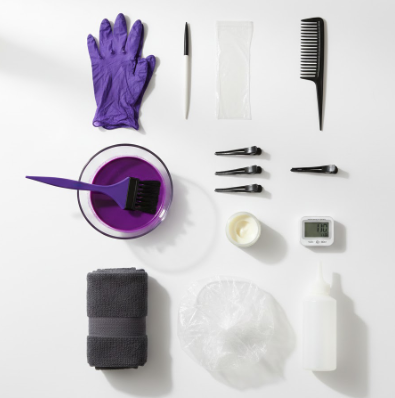
Armed with preparation knowledge, you’re ready for the actual application process. Following these steps carefully produces salon-quality results in your own bathroom.
Gathering Your Tools
Having everything ready before you begin prevents mid-application scrambles and ensures consistent processing time across all sections.
Essential Supplies
Gather vinyl or nitrile gloves, as latex may not provide adequate stain protection. You’ll need a plastic or glass mixing bowl, avoiding metal which can react with some formulas. A tint brush allows precise application, though squeeze bottles work for some techniques.
Sectioning clips help manage hair during application. Wide-tooth combs distribute color evenly. A handheld mirror lets you check the back of your head.
Protecting Your Space
Purple dye stains bathroom surfaces, clothing, towels, and anything else it contacts. Lay old towels or plastic sheeting over counters and floors. Wear an old shirt you won’t miss if stained. Keep paper towels or wet wipes within reach for immediate spill cleanup.
Place a dark-colored towel around your shoulders to catch drips. Old t-shirts work well when cut down the front for easy removal after processing.
Mixing the Color
While many semi-permanent dyes come ready to use, understanding mixing opens creative possibilities.
Creating Custom Shades
Mixing different purple dyes together creates unique shades unavailable from any single product. Combining magenta and violet produces berry tones. Mixing purple with blue intensifies cool undertones. Adding a touch of pink softens harsh violets.
Always mix shades from the same brand and formula type when possible. Different brands may contain incompatible ingredients or have varying consistencies.
Diluting for Pastel Effects
To achieve pastel purple without purchasing specific pastel formulas, dilute concentrated color with white conditioner. Start with approximately one part dye to three parts conditioner, adjusting based on your desired intensity.
Use only white conditioner without added proteins or silicones, as these can interfere with color molecules. Mix thoroughly to ensure even distribution of pigment throughout the mixture.
Application Techniques
How you apply purple dye affects not only final coverage but also the style of your finished look.
Full Head Application for Solid Color
Divide hair into four sections: two in front and two in back. Clip three sections away, beginning with one back section.
Starting one inch from the scalp, apply color from mid-lengths to ends first. This allows you to return to roots later, preventing the “hot roots” phenomenon where roots process faster than ends.
Work in thin subsections, saturating each piece completely with product. Use your fingers or a comb to ensure even distribution. Repeat through all four sections.
Once all mid-lengths and ends are covered, return to the beginning and apply color to the root area. Process according to package directions, typically thirty to forty-five minutes for semi-permanent color.
Shadow Root Technique
For a lived-in look that grows out gracefully, try the shadow root method. Apply dark purple or even your natural color to the roots, then apply lighter purple from mid-lengths to ends. Blend the transition zone by gently combing where the two colors meet.
This technique means visible regrowth takes longer to appear, as the darker roots are intentional rather than accidental.
Ombré and Balayage Placement
Creating gradient or painted effects requires different application approaches. For ombré, clearly delineate where your natural color ends and purple begins, applying color only from that point to the ends.
For balayage, paint color onto random sections using vertical strokes, focusing on pieces that frame the face and catch light. This technique creates dimension and visual interest that flat, all-over color cannot achieve.
Processing Time
Unlike permanent color with strict timing requirements, semi-permanent purple dye offers flexibility.
Why Longer Is Often Better
Semi-permanent dye contains no bleach or ammonia, meaning it cannot damage hair regardless of processing time. Leaving color on longer than package directions allows more pigment to deposit, potentially increasing vibrancy and longevity.
Many professional colorists recommend processing semi-permanent fashion colors for sixty to ninety minutes rather than the thirty minutes packages often suggest.
Heat Processing
Heat opens the cuticle slightly, allowing greater pigment penetration. After applying color, cover hair with a plastic cap or plastic wrap. Apply heat using a blow dryer on low setting, or simply allow natural body heat to warm the cap.
Some colorists recommend sitting under a hooded dryer for twenty to thirty minutes during processing. This technique particularly benefits low porosity hair that resists absorption.
Rinsing and Sealing
How you rinse and treat hair immediately after coloring impacts color retention over the coming weeks.
The Cold Water Rule
Rinse your purple dye with the coldest water you can tolerate. Cold water causes the cuticle to contract and lie flat, trapping pigment inside. Hot water opens the cuticle and allows color molecules to escape.
Rinse until water runs clear or nearly clear. Complete clarity may never occur with highly pigmented colors, but significant color bleeding should stop.
Skip the Shampoo
Do not shampoo immediately after rinsing out semi-permanent color. Shampoo’s surfactants will strip freshly deposited pigment before it has fully bonded with the hair.
Wait at least twenty-four hours, ideally forty-eight hours, before shampooing. Many colorists recommend waiting as long as possible after fresh color application.
Sealing the Cuticle
Apply a color-safe conditioner after rinsing, focusing on mid-lengths and ends. Rinse this with cool water. Some colorists recommend a final rinse with diluted apple cider vinegar, which helps seal the cuticle and enhance shine.
Advanced Color Theory: Troubleshooting and Mistakes
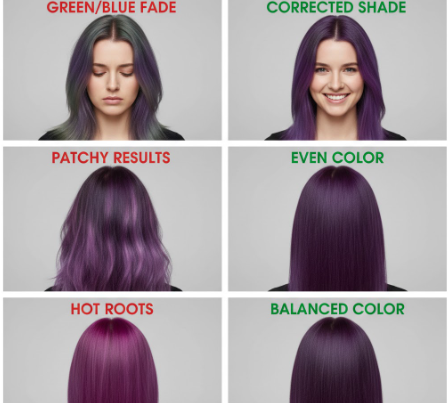
Even with careful preparation and application, unexpected results sometimes occur. Understanding why problems happen helps you fix them effectively.
Why Did My Purple Turn Green or Blue?
One of the most common complaints about purple hair involves unwanted color shifts during fading. Understanding the science behind these changes helps prevent and address them.
The Science of Blue Pigments
Purple dye contains both red and blue pigment molecules. Red molecules are relatively large and wash out quickly. Blue molecules are smaller and cling to hair more persistently. As your purple fades, red washes away faster than blue, leaving behind a blue or teal cast.
Warm-toned purples with more red pigment may fade through pleasant pink stages. Cool-toned purples with heavy blue content are most likely to leave behind unwanted greenish or muddy tones.
Counteracting Green Fade
If your purple has faded to an unflattering greenish shade, color theory provides the solution. Pink and red sit opposite green on the color wheel, meaning they neutralize each other.
Applying a pink or magenta toning treatment can correct green cast. Color-depositing conditioners in pink shades offer a gentle correction option. For more dramatic green, temporary pink dye diluted with conditioner provides stronger neutralization.
Patchy Results
Uneven color creates a distinctly amateur appearance. Multiple factors can cause patchiness, and identifying the cause determines the fix.
Uneven Bleaching as the Culprit
If your base color varies in lightness, purple dye will deposit inconsistently. Lighter sections absorb more color, appearing darker. Darker sections resist absorption, appearing lighter or different in tone.
Correcting requires addressing the base. You may need additional lightening on darker sections, or you might apply diluted purple to already-vibrant sections while full-strength purple goes on resistant areas.
Product Buildup Causing Patches
If certain areas resisted color while others absorbed normally, buildup may be responsible. Areas with heavy styling product accumulation or mineral deposits create barriers to dye absorption.
Clarifying treatment followed by reapplication usually resolves buildup-related patchiness. Pay extra attention to areas near the hairline where product concentration is typically highest.
How to Fix Without Going Darker
Sometimes the only solution involves applying darker color overall to achieve uniformity. However, try targeted spot-treatment first. Mix color matching your desired result and apply only to sections that need correction. Process and assess before committing to full reapplication.
Hot Roots
Hot roots occur when the root area appears brighter, more vivid, or lighter than the rest of the hair. This common mistake has a simple explanation.
Why Roots Process Faster
Your scalp generates heat, and the roots sit closest to this warmth. Heat accelerates color processing, meaning roots can become significantly more intense during the same processing time that mid-lengths and ends need for proper saturation.
Prevention Through Application Order
Apply color to mid-lengths and ends first, leaving roots for last. This timing difference compensates for faster root processing. If your hair is particularly warm at the scalp, you might apply roots only during the final fifteen minutes of processing.
For touch-ups on already-colored hair, apply product only to the new growth at roots, avoiding overlap with previously colored hair. Overlap causes progressive darkening where the two applications meet.
Maintenance: Keeping Your Purple Vibrant
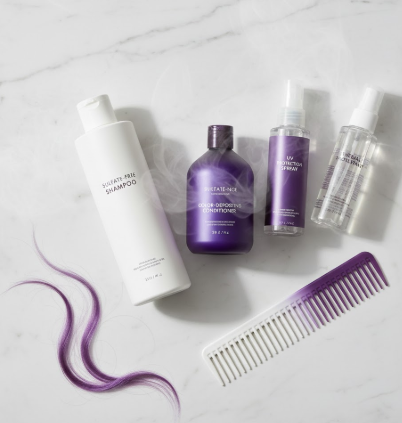
Beautiful purple hair requires ongoing effort to maintain vibrancy. The right maintenance routine extends time between touch-ups and keeps color looking fresh.
The Wash Routine
How you wash your hair impacts color longevity more than any other single factor.
Sulfate-Free Shampoos
Sulfates are aggressive cleansing agents that strip color quickly. Switch to sulfate-free shampoo immediately after dyeing purple, and use it consistently. Many brands now offer sulfate-free options specifically designed for color-treated hair.
If you need deep cleansing occasionally, reserve clarifying shampoo for pre-dye prep and use gentler options for regular washing.
Washing Frequency
Washing less frequently dramatically extends color life. Every shampoo session removes some pigment, even with gentle products. Training your hair to accept longer intervals between washes benefits color retention.
Dry shampoo helps manage oiliness between washes. However, avoid buildup by using sparingly and fully brushing through before eventual washing.
Water Temperature Matters
Hot water opens the cuticle, releasing pigment. Wash and rinse with the coolest water comfortable for you. This single adjustment significantly extends color vibrancy. If cold washing seems unbearable, at least finish with a cold water rinse to seal the cuticle.
Color-Depositing Products
Between dye applications, color-depositing products help maintain intensity and refresh fading areas.
Purple Shampoo Versus Color Depositing Options
Purple shampoo designed for blondes deposits violet tones to neutralize brassiness. It can help maintain cool-toned purples by reinforcing violet pigment. However, it won’t add vivid purple color or refresh warm-toned shades.
True color-depositing conditioners and masks contain higher concentrations of pigment designed to add color. These products come in specific shades matching your dye color. Use them weekly or as needed when fading becomes noticeable.
DIY Color Refreshing
Leftover dye mixed into your regular conditioner creates a custom color-depositing treatment. Start with a small amount of dye, mix thoroughly, and apply to damp hair. Leave on for five to fifteen minutes before rinsing. Adjust the dye-to-conditioner ratio based on desired intensity.
This economical approach uses products you already own while providing customized color maintenance.
Environmental Protection
External factors accelerate purple fading beyond your control unless you take protective measures.
UV Rays and Sun Exposure
Sunlight breaks down pigment molecules, causing fading and potential color shifts. UV exposure particularly affects fashion colors like purple. During extended outdoor time, wear hats or use UV-protective hair products.
Leave-in conditioners and styling products containing UV filters offer ongoing protection during daily activities. These products particularly benefit those living in sunny climates or spending significant time outdoors.
Chlorine and Saltwater
Swimming presents significant challenges for purple hair. Chlorine strips color aggressively while potentially shifting tones toward green. Saltwater also promotes fading, though less dramatically than pool water.
Before swimming, saturate hair with clean water or conditioner. Hair that’s already full of something absorbs less pool or ocean water. Wear a swim cap for extended water exposure. Immediately after swimming, rinse thoroughly with fresh water and apply conditioner.
Heat Styling Precautions
Heat opens the cuticle, potentially releasing pigment with each styling session. High temperatures cause the most damage and color loss.
Always use thermal protectant products before heat styling. Keep tools at moderate temperatures rather than maximum settings. Consider embracing heat-free styling methods when possible to preserve both color and hair integrity.
Removing Purple Hair Dye
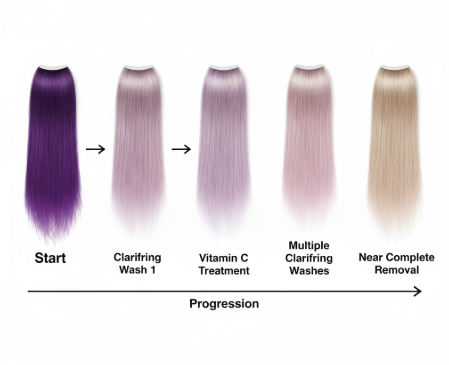
Whether you’re ready for a change or unhappy with your results, removing purple hair dye requires patience and the right approach.
The Fading Strategy
The gentlest removal option involves accelerating natural fading through strategic product use.
Clarifying and Deep Cleansing
Clarifying shampoos strip color more aggressively than regular products. Using clarifying shampoo for several consecutive washes noticeably accelerates fading. Follow with deep conditioning, as clarifying products can dry hair.
Vitamin C Treatment
Crushed vitamin C tablets mixed with shampoo create an acidic paste that helps lift semi-permanent color. Apply to damp hair, massage thoroughly, cover with a plastic cap, and leave for thirty to sixty minutes. Rinse and condition well.
This method works gradually and may require multiple applications. It’s particularly effective on high porosity hair where color sits close to the surface.
Anti-Dandruff Shampoo Method
Dandruff shampoos containing zinc pyrithione or selenium sulfide help fade semi-permanent color. The active ingredients in these shampoos break down pigment molecules. Use as your regular shampoo for one to two weeks while fading.
Professional Color Removers
When faster or more complete removal is necessary, chemical products offer more dramatic results.
Sulfur-Based Removers
Products designed to remove semi-permanent color work by shrinking artificial pigment molecules until they can be washed away. These removers smell strongly of sulfur but cause minimal damage when used correctly.
Follow package directions precisely, including the multiple rinse cycles typically required. Color may return if rinsing is insufficient.
Bleach Baths
A bleach bath, also called a bleach wash, combines bleach powder with shampoo and developer at low volume. This diluted mixture removes color while causing less damage than full-strength bleach.
Mix equal parts bleach powder, developer, and shampoo. Apply to damp hair, watching carefully for color lift. Process for no more than twenty minutes, checking frequently. Rinse immediately when desired lift is achieved.
Damage Risks
Any removal method involving chemicals creates potential for damage, particularly on already-processed hair. Deep conditioning treatments before and after removal help maintain hair integrity. If hair feels excessively dry, gummy, or stretchy, stop removal attempts and consult a professional.
The Color Wheel Shift
Sometimes the goal isn’t removing purple entirely but transitioning to a new color.
Purple to Pink or Blue
Shifting within the same color family requires less effort than complete removal. As purple fades toward blue, adding more blue creates a seamless transition to teal or true blue. Fading toward pink provides an easy path to rose or magenta shades.
Allow your purple to fade to the undertone closest to your desired new color, then apply the new shade directly.
Neutralizing to Return to Blonde or Brown
Returning to blonde requires removing purple pigment through one of the methods described above. Complete removal may not be achievable without lightening, which risks damage.
Returning to brown is often simpler since brown contains both red and blue pigments that can help neutralize lingering purple. Consult color charts to select a shade that will counteract any remaining purple undertone.
Top Trends and Styling Inspiration
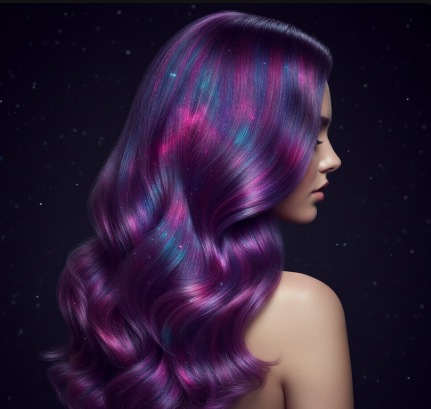
Purple hair offers endless creative possibilities. Current trends showcase the versatility of this beloved shade.
Galaxy Hair
This multidimensional technique blends purple with blue, teal, and sometimes magenta to create a cosmic effect reminiscent of nebulae and night skies. The colors flow seamlessly into each other, creating depth and movement.
Achieving galaxy hair typically requires professional skill due to the precise color placement required. Multiple colors applied using painting and placement techniques create the signature effect.
Smokey Lilac and Dusty Lavender
The grey-purple hybrid continues trending for its sophisticated, wearable appeal. These shades blend the softness of pastel purple with the coolness of silver-grey, creating an ethereal effect that flatters most skin tones.
Achieving these shades requires very light blonde base hair, as any warmth in the canvas muddies the cool, smoky tones. Maintenance involves using both purple and silver toning products.
Hidden Purple and Peekaboo Highlights
For those working in conservative environments or seeking subtle color, hidden purple offers the best of both worlds. Color is placed in the underlayers, invisible when hair hangs naturally but revealed when hair moves or is styled up.
Peekaboo highlights frame the face or peek through the top layers, adding interest without full commitment. These techniques let professionals and students enjoy fantasy color while maintaining required appearances.
Split Dye Styles
High-contrast split dye continues trending on social media and in alternative fashion circles. Black and purple combinations create dramatic visual impact. Half-and-half placement or asymmetrical splits customize the look.
Split dye requires careful sectioning and precise application to achieve clean color separation. Tape or clips help maintain boundaries during application.
Conclusion
Purple hair dye offers one of the most rewarding fashion color experiences available. From soft lavender to bold violet, the purple spectrum provides options for every personality, skin tone, and lifestyle.
Success with purple hair requires understanding your starting point, choosing appropriate products, and committing to maintenance routines that preserve your investment. Whether you’re exploring temporary options or ready for semi-permanent transformation, the techniques in this guide set you up for beautiful results.
At Care About Your Hair, we believe everyone deserves to feel confident in their color choices. Purple hair represents creativity, individuality, and willingness to step outside conventional expectations. With proper preparation and care, your purple hair journey can be everything you imagine.
Start with a strand test, protect your space, and embrace the process. Your perfect purple awaits.
Frequently Asked Questions
Do I have to bleach my dark hair to dye it purple?
Not necessarily, though bleaching produces the most vibrant results. On unbleached dark hair, semi-permanent purple creates a subtle tint visible mainly in direct sunlight. Deep plum or aubergine permanent dyes may show slightly on brown hair. For bright, vivid purple, lightening to at least level seven or eight is recommended.
How long does semi-permanent purple hair dye last?
Semi-permanent purple typically lasts four to eight weeks before significant fading occurs. Longevity depends on hair porosity, washing frequency, and water temperature. Some people maintain vibrant color for three months with minimal washing and color-depositing products.
Will purple hair dye cover grey hair effectively?
Semi-permanent purple may not fully cover resistant grey hair, which often has lower porosity than pigmented strands. Demi-permanent formulas with low-volume developer provide better grey coverage for fashion colors. Pre-treating with a protein filler can also improve absorption.
Why is my purple hair fading to blue or green?
This common occurrence happens because red pigment molecules wash out faster than blue molecules. As reds fade, the remaining blue creates teal or greenish tones. Choosing warm-toned purples with more red content reduces this problem. Pink toning treatments can correct existing green cast.
Can I mix different brands of hair dye together?
While mixing is possible, staying within the same brand and formula type produces more predictable results. Different brands may have incompatible ingredients or varying consistencies. If mixing brands, conduct a strand test first to ensure the combination works as expected.
What is the best purple hair dye for unbleached brown hair?
Deep plum, wine, and aubergine shades work best on unbleached brown hair. Look for permanent or demi-permanent formulas specifically designed for dark hair. Semi-permanent options labeled for dark hair may contain additional pigments that show more visibly without bleaching.
How do I get purple dye off my skin and bathroom tiles?
For skin, oil-based products like olive oil, coconut oil, or makeup remover dissolve fresh stains effectively. Rubbing alcohol helps with stubborn marks. For tiles and surfaces, magic erasers work well on most materials. Bleach-based cleaners remove purple stains from white grout but may damage colored surfaces.

3 thoughts on “The Ultimate Guide to Purple Hair Dye: Shades, Application, and Maintenance”