
Table of Contents
- Everything You Need to Know About Red Hair Dye
- Top 10 Best Red Hair Dyes
- Why These Red Hair Dyes Are the Best
- Ultimate Buying Guide: How to Choose the Perfect Red Shade
- Comparison Insights: Finding Your Ideal Match
- Expert Tips for Application and Maintenance
- Common User Questions and Concerns
- Conclusion
- Frequently Asked Questions About Red Hair Dye
This blog post may contain affiliate links. As an Amazon Associate I earn from qualifying purchases.
Best Red Hair Dye 2025: Top 10 Products & Expert Guide
Red hair dye remains one of the most transformative and expressive color choices in the beauty world, offering shades that range from fiery copper and vibrant crimson to deep burgundy and subtle auburn. Whether you’re drawn to the warmth of a natural strawberry blonde or the intensity of a vivid cherry red, this color family delivers dramatic impact and undeniable personality. Red hair has evolved from a rare genetic trait to a celebrated style statement embraced by people of all backgrounds and hair types.
Choosing red hair dye involves more than picking a pretty shade from the shelf. The unique chemistry of red pigments, combined with factors like your natural hair color, skin tone, and lifestyle, all play crucial roles in achieving a result you’ll love. Understanding these elements helps ensure your red stays vibrant, flattering, and manageable from the first application through weeks of wear.
Everything You Need to Know About Red Hair Dye
Red hair dye operates differently than other hair colors due to its unique pigment structure and behavior within the hair shaft. Before committing to red, it helps to understand what makes this color family both exciting and challenging, ensuring you make informed decisions that align with your hair goals and daily routine.
The Science of Red Pigments and Why They Are Unique
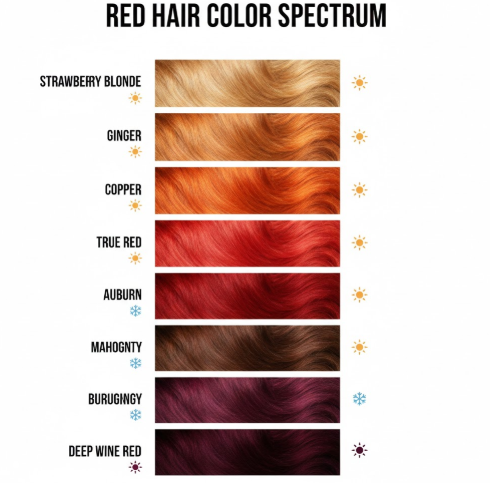
Red hair dye contains larger pigment molecules compared to other colors, which creates both advantages and challenges. These larger molecules sit closer to the hair cuticle surface rather than penetrating deeply into the cortex, resulting in brilliant initial color payoff but also faster fading. The red spectrum relies heavily on warm undertones that interact differently with natural melanin, meaning the same dye can produce varied results on different hair types.
The molecular size of red pigment explains why this color family notoriously washes out faster than browns, blacks, or even some blonde shades. Water molecules more easily lift these larger pigments during washing, especially when combined with heat and sulfate-based cleansers. This scientific reality doesn’t mean red is impossible to maintain, but it does require adjusted care routines and realistic expectations about color longevity.
Professional colorists often layer multiple red tones to create dimensional, longer-lasting results. By combining warm coppers with cooler burgundies or mixing permanent bases with semi-permanent glosses, stylists build depth that fades more gracefully. Understanding this layering technique can inform your at-home application approach, particularly if you’re mixing shades or refreshing color between salon visits.
Who Should Try Red Hair? Matches for Every Style
Red hair suits virtually anyone willing to embrace its bold presence and maintain the necessary upkeep. Contrary to outdated beauty rules, red isn’t reserved for particular skin tones or eye colors. Modern formulations offer such diverse shades that finding a flattering red becomes a matter of matching undertones and personal style rather than following rigid guidelines.
Natural redheads represent only about two percent of the global population, making dyed red hair an instant conversation starter and style differentiator. People drawn to creative expression, fashion-forward aesthetics, or simply seeking change often find red delivers the visual impact they crave. The color photographs beautifully, commands attention in professional and social settings, and allows for seasonal shade adjustments without abandoning the red family entirely.
Those with damaged or highly porous hair should approach vibrant reds cautiously, as compromised cuticles grab color unevenly and fade unpredictably. However, gentler formulas like demi-permanent dyes or color-depositing treatments can still deliver beautiful red tones while supporting hair health. If you enjoy experimenting with your appearance and don’t mind investing in specialized hair care products, red offers endless creative possibilities.
Understanding the Commitment Level of Going Red
Transitioning to red hair represents a significant commitment in terms of both time and maintenance effort. Unlike low-maintenance brunettes or blonde balayage that grows out gracefully, red requires consistent attention to preserve vibrancy and prevent unflattering fading. Most red shades need refreshing every four to six weeks, with color-depositing products used between applications to maintain intensity.https://careaboutyourhair.com/
The financial investment extends beyond the initial dye purchase. Quality color-safe shampoos, deep conditioning treatments, purple or red-toned glosses, and potentially professional toning sessions add to the overall cost of maintaining red hair. Budget-conscious individuals should factor these ongoing expenses into their decision, comparing at-home maintenance routines against periodic salon visits.
Red hair also demands lifestyle adjustments that some people find restrictive. Swimming in chlorinated pools, extended sun exposure, and frequent heat styling all accelerate fading and can shift your carefully chosen shade toward unwanted orange or pink tones. Those with active outdoor lifestyles or minimal time for hair care routines may find red more frustrating than fulfilling, while beauty enthusiasts who enjoy elaborate care rituals often thrive with the attention red requires.
Top 10 Best Red Hair Dyes
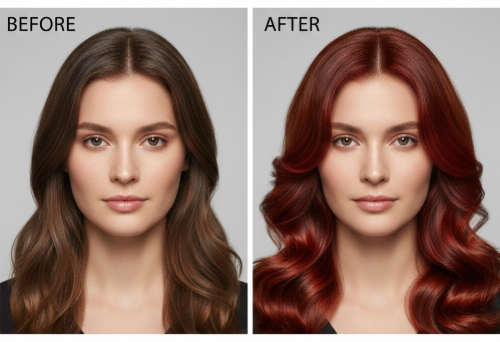

- Olia 6.65 Intense Red Permanent Hair Dye: This red hair dye with intense red reflects provides 100% gray coverage to achieve vivid, radiant long lasting color for all hair textures
- Oil Powered Olia Hair Color: Powered by 60% oils and no Ammonia. With sunflower and camellia oil, it propels color deep inside the hair for long lasting hair color. Non-drip cream formula delivers brilliant color without damaging your hair
- Vegan Hair Dye Formula: Ammonia, Silicone, Paraben, Phthalates & Cruelty Free. Vegan formula – no animal derived ingredients. Delivers brilliant color and visibly healthier hair that’s hydrated, silky, and up to 3x shinier (than uncolored, unwashed hair)
- Instructions: Put on the included gloves. Remove the Developer Bottle cap, mix-in the Colorant, and shake vigorously. Apply to roots, then, apply through lengths and ends for even coverage. Wait 30 minutes, then rinse & condition
- Inspired By Nature: Garnier carries an array of products for your hair and skin care needs, from shampoos, color care and styling products to formulas that cleanse, moisturize and repair skin

- Feria Is Multi-Faceted Permanent Hair Color: Known for shimmering color and edgy colors, Feria permanent hair dye kits transform hair from blah to brilliant; Our multi-faceted shimmering hair dye with 3X highlights delivers intensified, brilliant results
- Multi-Tonal, Shimmering Feria Hair Color: With 50 plus bold shades ranging from deepest black hair, platinum blonde & smoky silver hair dye, our vegan hair dye kits are inspired by cutting-edge fashion & the latest trends, no appointment required
- After Color Hair Conditioner: Our Bonding Care Complex Conditioner helps repair the strength of hair bonds, keeping hair strong & healthy-looking for color vibrancy. See up to 40% stronger hair vs hair not treated with Bonding Care Complex Conditioner
- L’Oreal Paris Hair Color: We offer permanent, semi-permanent, and temporary hair dye plus root cover up, anti-brass toners and lightening systems. Cover gray hair, highlight, go bold with bright color or even try an ombre hair color
- L’Oreal Paris Innovation: We are a total beauty care company that combines the latest in technology with the highest in quality for the ultimate in hair color, hair care, hair style, skin care and cosmetics

- VIBRANT RED SHADE: Achieve bold, deep red hair with berry undertones that fade to pink. Best results on hair pre-lightened to level seven for intense, dimensional color.
- CUSTOM COLOR MIXING: #AFProTip: Mix Wrath with a drop of Transylvania for a rich crimson red. Create unique, personalized shades for a custom hair color experience.
- VEGAN INGREDIENTS ONLY: Made with vegan ingredients and no animal by-products. Free from harsh chemicals that can damage hair, ensuring a gentle coloring process.
- CONDITIONS WHILE COLORING: Gentle formula is suitable for frequent use and conditions hair as it restores vibrancy. Leaves hair feeling soft, healthy, and nourished.
- LONG LASTING FORMULA: Enjoy long-lasting color that smears less and features a sweet scent. Contains no peroxide, ammonia, ethyl alcohol, or PPD for safer application.

- Lasting Color with Show-Stopping Shine: Our rich, ultra-intense hair color with faceted tones offers vivid color intensity and added dimension. Designed to enhance your hair, it delivers high shine that complements a range of skin tones
- Shine That Lasts: Formulated with our Diamond Brilliance Serum, it helps hair reflect light for a polished, luminous finish. It adds visible shine and depth from root to tip, so your color looks fresh even after multiple washes
- Vibrant & Fade-Resistant: Color Ultime delivers up to 10 weeks of lasting vibrancy and high-impact intensity. Whether you’re refreshing existing color or going darker, it helps resist dullness and keep your shade bold longer, even on gray strands
- For All Hair Types: This creamy hair dye spreads easily and works for relaxed, natural, or textured hair and helps maintain softness post-color and manageability. Designed for smooth application and even results with a soft, polished finish
- Easy, Beginner Friendly Kit: Includes a color cream, developer bottle, conditioner, gloves and step-by-step instructions. It offers reliable results for first-timers and regular users alike. For longer or thicker hair, use two boxes for full coverage

- Nutrisse Ultra Color R2 Medium Intense Auburn (Goji Berry) Permanent Hair Dye: A medium red hair dye shade formulated with intense auburn reflects. This permanent hair color adapts to all hair textures for long lasting bold color
- Hair Dye for Dark Hair: This hair dye kit is best for anyone with natural hair between medium brown and black
- Color Boost Technology: This hair dye kit’s formula features intensity-enhancing color boost technology to help you achieve high impact color in just one step for up to 8 weeks of vibrant hair color
- Nourished Hair Means Bolder Color: Formulated with a blend of five fruit oils: Avocado, Olive, Coconut, Argan & Shea oils. Lock in moisture and color with our after color mask for hair that is smooth, silky and protected against dryness
- Discover Your Shade: For bold and lasting shades for all hair textures, Garnier Nutrisse Hair Color is available in over 65 cruelty-free and vegan hair dye shades – formulated without animal-derived ingredients

- Feria Is Multi-Faceted Permanent Hair Color: Known for shimmering color and edgy colors, Feria permanent hair dye kits transform hair from blah to brilliant; Our multi-faceted shimmering hair dye with 3X highlights delivers intensified, brilliant results
- Multi-Tonal, Shimmering Feria Hair Color: With 50 plus bold shades ranging from deepest black hair, platinum blonde & smoky silver hair dye, our vegan hair dye kits are inspired by cutting-edge fashion & the latest trends, no appointment required
- After Color Hair Conditioner: Our Bonding Care Complex Conditioner helps repair the strength of hair bonds, keeping hair strong & healthy-looking for color vibrancy. See up to 40% stronger hair vs hair not treated with Bonding Care Complex Conditioner
- L’Oreal Paris Hair Color: We offer permanent, semi-permanent, and temporary hair dye plus root cover up, anti-brass toners and lightening systems. Cover gray hair, highlight, go bold with bright color or even try an ombre hair color
- L’Oreal Paris Innovation: We are a total beauty care company that combines the latest in technology with the highest in quality for the ultimate in hair color, hair care, hair style, skin care and cosmetics

- Multi-Dimensional Metallic Look: Don’t just stand out, shine! Show off a bold, shimmering hair color shade that pops with a head-turning radiance. Formulated with a metallic-shine booster to create cool tones and a bold look from root to tip
- Bold Radiance That Lasts: This permanent hair dye is designed to go the distance—delivering vibrant color with anti-fading technology that helps lock in intensity and shine for longer-lasting results you’ll love. Lasts up to 30 washes
- Versatile For All Hair Types: got2b Metallics works on all hair textures—from curly to straight and coily. Use it on natural hair, wigs, or extensions to show off your personal style and bold individuality
- Complete Hair Dye Kit: Whether going full-on fierce or just flirting with change, got2b lets you transform. Each box comes with everything you need—color cream, developer, after-treatment, gloves & instructions—for an easy at-home application
- Pro Tip: Use got2b Bleach It before Metallics Hair Dye for more intense color. The lighter your natural or current hair color, the more metallic the hair shade results. Use two boxes for longer than shoulder-length hair

- Nothing Covers Gray Better: Excellence Crème is a Triple Care Color routine that deeply cares for your hair and covers 100% of grays, even stubborn ones. Hair color for gray hair coverage is formulated with Hyaluronic Acid to protect hair as it colors
- Triple Care Color Routine: Care for your hair with every step. Protective Coloring Cream protects hair for long-lasting color. Caring Shampoo with Hyaluronic Acid gently cleanses hair and scalp. Caring Deep Conditioner with Hyaluronic Acid nourishes hair
- Suitable Hair Dye Kit For All Hair Types: This non-drip, crème formula is available in 27 shades, made for all hair types and textures. No permanent hair color protects better or covers grays better (vs each leading competitor’s top selling brand)
- L’Oreal Paris Hair Color: We offer permanent, semi-permanent & temporary hair dye plus root cover up, anti-brass toners and lightening systems. Cover grays, highlight hair, or go lighter with L’Oreal’s collection of hair coloring products
- L’Oreal Paris Innovation: We are a total beauty care company that combines the latest in technology with the highest in quality for the ultimate in hair color, hair care, hair style, skin care and cosmetics

- VIBRANT RED SHADE: Achieve bold, deep red hair with berry undertones that gradually fade to pink. Best results on hair pre-lightened to level seven for intense, dimensional color.
- CUSTOM COLOR MIXING: For a unique deep crimson red, blend Wrath with a drop of Transylvania. Create personalized shades and experiment with creative hair color transformations.
- VEGAN INGREDIENTS ONLY: Made with vegan ingredients and no animal by-products. Free from harsh chemicals that can damage hair, providing a safer coloring experience.
- CONDITIONS AS IT COLORS: Gentle formula suitable for frequent use. Conditions hair while restoring vibrancy, leaving hair feeling soft, nourished, and healthy after each application.
- LONG LASTING FORMULA: Enjoy long-lasting color that smears less and features a sweet scent. Contains no peroxide, ammonia, ethyl alcohol, or PPD for a gentle, worry-free dyeing process.

- GLOSSY COLOR: Enhances color with a range of glossy shades for multi-dimensional, natural looking results
- SHINY + STRONG: Leaves hair 2X shinier* and 4X stronger*
- INCLUDED SERUM: Hydrating Leave In Scalp & Hair Serum cares for your hair and scalp after coloring
- LOW COMMITMENT: Demi-permanent hair color, lasts up to 28 washes
- BLENDS GRAYS: Gives up to 60% gray coverage
Why These Red Hair Dyes Are the Best
The red hair dyes selected above represent the highest-performing options across multiple categories, from vibrant fashion colors to natural-looking permanent shades. Each product excels in specific areas that matter most to users, including color intensity, longevity, ingredient quality, and ease of application. Understanding what separates exceptional red dyes from mediocre ones helps you identify which formula best matches your needs.
Vibrancy and Color Payoff
The best red hair dyes deliver rich, true-to-bottle color that matches advertised swatches as closely as possible. Brands like Manic Panic and Arctic Fox have built reputations on intensely pigmented semi-permanent formulas that create show-stopping results, particularly on pre-lightened hair. These vibrant options appeal to individuals seeking fashion-forward reds that make bold statements.
Natural-looking reds require equally impressive color payoff but in more subtle ways. Products like Madison Reed and Schwarzkopf Keratin Color create dimensional auburn and burgundy shades that mimic natural red hair variation. These formulas blend multiple pigment tones to avoid flat, single-dimensional color that looks obviously artificial. The best natural reds develop complexity as they process, creating depth that survives multiple wash cycles.
Color payoff on unbleached hair separates truly versatile products from those requiring extensive preparation. Garnier Nutrisse Ultra Color and L’Oréal Féria Power Reds both contain lifting agents that brighten natural hair while depositing red pigment, making them accessible options for people starting with medium to dark brown bases. While results won’t match the intensity achieved on bleached hair, these formulas still deliver noticeable, vibrant color that satisfies users avoiding bleach damage.
Longevity and Fade Resistance
Given red’s notorious fading tendencies, formulas that extend color life provide significant value. Permanent options like Ion Color Brilliance and Revlon ColorSilk create lasting results through oxidative dye processes that penetrate deeper into the hair cortex. While even permanent reds fade faster than other permanent colors, these formulas maintain recognizable color for six to eight weeks under proper care.
Semi-permanent and demi-permanent formulas approach longevity differently, focusing on graceful fading rather than extended wear. Arctic Fox and Clairol Natural Instincts both fade gradually without developing harsh lines or dramatic color shifts, allowing users to refresh color before it becomes noticeably dull. This gradual fade pattern proves particularly valuable for people experimenting with red who want flexibility to adjust their shade.
Fade resistance also depends on formulation chemistry beyond just permanent versus semi-permanent classifications. Products containing conditioning agents, proteins, and antioxidants help seal the hair cuticle after coloring, trapping pigment molecules more effectively. Schwarzkopf Keratin Color and Madison Reed both incorporate hair-strengthening ingredients that improve color retention while supporting overall hair health, delivering better longevity than basic formulas lacking these additions.
Ingredient Quality and Hair Health
The shift toward cleaner beauty has elevated ingredient standards across the hair color industry. Vegan, cruelty-free formulas from Arctic Fox and Manic Panic contain nourishing ingredients like avocado oil and shea butter that condition hair during the coloring process. These gentler formulas appeal to health-conscious consumers and those with sensitive scalps who experience irritation from traditional dyes.
Ammonia-free formulations represent another significant ingredient improvement. While ammonia effectively lifts the hair cuticle for color penetration, it also creates harsh odors and potential damage. Brands like Clairol Natural Instincts and Garnier Nutrisse offer ammonia-free alternatives that use gentler alkaline agents, reducing scalp sensitivity and hair stress without completely sacrificing color performance.
Several premium options now incorporate active hair care ingredients that go beyond minimizing damage to actually improving hair condition. Madison Reed includes keratin, argan oil, and ginseng root extract that strengthen hair structure and add shine. Schwarzkopf Keratin Color similarly features a keratin complex designed to repair damage while coloring. These treatment-enhanced formulas justify higher price points by delivering dual benefits that basic dyes cannot match.
Ease of Application for At-Home Users
Application simplicity determines whether users achieve salon-quality results independently or end up with patchy, uneven color. Complete kits like L’Oréal Féria and Madison Reed include everything needed for successful application, from developer and dye to applicator bottles, gloves, and conditioning treatments. Clear instructions with visual guides help first-time users navigate the process confidently.
Product consistency affects application ease significantly. Crème formulas like those in Revlon ColorSilk and Garnier Nutrisse cling to hair without dripping, allowing precise section-by-section application that ensures even coverage. Liquid formulas like Manic Panic require more careful application techniques but penetrate porous hair more effectively, making them ideal for refreshing faded color or creating dimensional effects.
Overtone’s coloring conditioner represents the most user-friendly application method, functioning like a regular deep conditioning treatment applied in the shower. This format eliminates mixing, timing anxiety, and complicated sectioning, making it perfect for maintenance between more intensive coloring sessions. While it won’t provide the dramatic transformation of permanent dye on virgin hair, it offers unmatched convenience for preserving vibrancy.
Ultimate Buying Guide: How to Choose the Perfect Red Shade
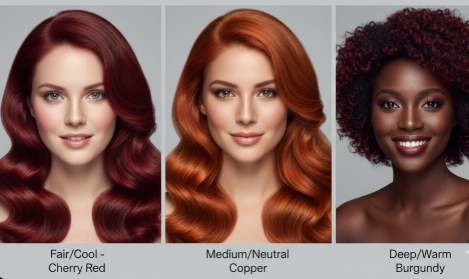
Selecting your ideal red involves balancing aesthetic preferences with practical considerations like your natural coloring, starting hair color, and maintenance willingness. The red spectrum spans warm coppers, neutral true reds, and cool burgundies, each flattering different complexions and requiring varied upkeep levels. This comprehensive guide helps you navigate these choices to find your perfect match.
Identifying Your Skin Tone and Undertones
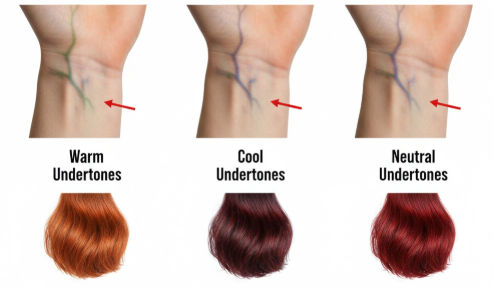
Understanding whether your skin has warm, cool, or neutral undertones creates the foundation for choosing flattering red shades. Warm undertones present with golden, peachy, or yellow qualities in the skin, while cool undertones show pink, red, or blue characteristics. Neutral undertones balance both warm and cool elements, offering the most flexibility in color choices.
The vein test provides a quick undertone assessment. Examine the veins on your inner wrist in natural light. Greenish-appearing veins typically indicate warm undertones, while blue or purple veins suggest cool undertones. If you cannot definitively categorize your veins as green or blue, you likely have neutral undertones. This simple test guides you toward reds that harmonize with your natural coloring rather than clash.
Another reliable indicator involves how your skin reacts to sun exposure and which metal jewelry flatters you most. People who tan easily rather than burn often have warm undertones and look best in gold jewelry, while those who burn quickly tend toward cool undertones and shine in silver. These observations, combined with the vein test, create a complete picture of your undertone category.
Best Reds for Fair Skin with Cool Undertones
Fair skin with cool undertones glows when paired with red shades containing blue or violet bases. Cherry red, burgundy, auburn with purple highlights, and deep wine tones all complement cool-toned fair complexions beautifully. These shades create striking contrast without overwhelming delicate coloring, and they photograph exceptionally well against pale skin.
Strawberry blonde represents an excellent entry point for fair, cool-toned individuals hesitant about intense red. This softer option combines blonde bases with subtle red tints, creating a natural-looking result that enhances fair skin without dramatic contrast. As confidence grows, transitioning to more saturated reds becomes easier from this foundation.
Avoid overly warm coppers and orange-based reds if you have fair, cool-toned skin. These shades can create unflattering contrast that emphasizes redness in the complexion or makes skin appear washed out. If you love warm reds, choose versions with balanced undertones rather than pure orange-copper formulations, ensuring your hair complements rather than competes with your skin.
Best Reds for Medium and Olive Skin Tones
Medium and olive skin tones enjoy remarkable versatility across the red spectrum, successfully wearing both warm and cool shades. True reds without heavy warm or cool biases work beautifully on these complexions, as do rich mahogany and deep auburn shades. The natural warmth in olive skin particularly complements copper and ginger tones that might overwhelm cooler complexions.
Those with warm or neutral medium skin can experiment with vibrant fashion reds like fire engine red or bright crimson. These intense shades create stunning contrast against medium complexions without the washing-out effect sometimes seen on very fair skin. The key involves choosing reds with enough depth to create dimension rather than appearing flat.
Medium skin with cool undertones looks exceptional in burgundy, plum-toned reds, and deep cherry shades. These colors enhance the natural richness of medium complexions while maintaining sophistication. For those transitioning from dark hair, these deeper reds offer dramatic change without requiring extensive lightening, making them practical choices for first-time red experimenters.
Best Reds for Deep and Dark Skin Tones
Deep skin tones radiate when paired with rich, saturated red shades that provide sufficient contrast and dimension. Deep burgundy, mahogany, dark copper, and wine-red shades all complement darker complexions beautifully. These colors should be intense enough to show visibly against dark skin while maintaining depth that creates natural-looking dimension.
Bright, vibrant reds also work spectacularly on deep skin tones, particularly when applied to pre-lightened or naturally lighter hair sections. Crimson, ruby red, and even orange-red shades create show-stopping looks that celebrate the beautiful contrast between dark skin and vivid hair color. These bold choices require confidence but deliver undeniable impact.
Subtle red highlights or balayage techniques allow deep-skinned individuals to incorporate red without full commitment. Painting copper or burgundy tones onto natural black or dark brown hair creates dimension and movement while maintaining a professional appearance. This approach also reduces maintenance demands compared to all-over red color, making it practical for busy lifestyles.
Selecting the Right Formula Type
Hair dye formulas fall into several categories, each offering distinct advantages and limitations. Permanent, semi-permanent, demi-permanent, and temporary options serve different needs, from complete color transformations to subtle enhancements. Understanding these formula types helps you choose products aligned with your commitment level and hair goals.
Permanent Red Hair Dye for Long-Lasting Color
Permanent red hair dye uses oxidative processes to penetrate the hair cortex and create lasting color that withstands multiple washes. These formulas contain ammonia or ammonia substitutes that open the hair cuticle, allowing small color molecules to enter the cortex where they oxidize and enlarge, becoming trapped inside. This chemistry creates the most durable color available, though even permanent reds fade faster than other permanent colors.
The primary advantage of permanent red dye involves longevity and gray coverage capability. If you want red hair that lasts six to eight weeks between touch-ups or need to cover significant gray, permanent formulas provide the best solution. They also offer the widest shade range, from natural auburn to vibrant crimson, giving you maximum choice in your final color.
Permanent dye’s main drawback involves commitment and potential damage. Once applied, permanent color cannot be shampooed out, requiring either growing out or color removal processes if you change your mind. The chemicals necessary for permanent color also stress hair more than gentler alternatives, potentially causing dryness or damage with repeated applications. For those seeking long-term red hair and accepting of these trade-offs, permanent formulas deliver superior results.
Semi-Permanent and Demi-Permanent Options for Flexibility
Semi-permanent red dyes deposit color onto the hair surface without penetrating deeply into the cortex, lasting roughly four to twelve shampoos depending on hair porosity and care routine. These formulas contain no ammonia or peroxide, making them significantly gentler on hair and scalp. Semi-permanent options work beautifully for experimenting with red before committing or for refreshing faded permanent color between applications.
The gentle nature of semi-permanent dye makes it ideal for damaged hair that cannot withstand harsh permanent formulas. Many semi-permanent reds actually condition hair during the coloring process, with brands like Arctic Fox and Manic Panic featuring nourishing ingredients that improve hair texture. This conditioning effect, combined with vivid color payoff on pre-lightened hair, explains why semi-permanent formulas dominate the fashion color market.
Demi-permanent dyes occupy middle ground between semi-permanent and permanent formulas, lasting approximately twenty-four to twenty-eight shampoos. These products use low-volume developers that gently open the cuticle without fully penetrating the cortex, creating more durable results than semi-permanent dyes with less damage than permanent options. Demi-permanent reds excel at toning, blending gray, and maintaining color between permanent applications. For individuals interested in exploring different shades from the Care About Your Hair site, understanding formula types proves essential.
Color-Depositing Conditioners for Refreshing Tones
Color-depositing conditioners represent the gentlest, most user-friendly option for maintaining red hair between dyeing sessions. These products function as regular deep conditioners infused with color pigments that gradually deposit onto the hair surface. While they won’t transform dark hair to red or provide dramatic color changes, they effectively refresh faded red and extend time between more intensive coloring.
Overtone pioneered the color-depositing conditioner category and remains the leading brand, offering various red intensities from subtle to extreme. The application process involves simply shampooing hair, applying the coloring conditioner like a regular treatment, waiting five to fifteen minutes, and rinsing. This simplicity makes color maintenance accessible even for people intimidated by traditional dyeing processes.
The primary limitation involves these products’ inability to lighten hair or cover gray. Color-depositing conditioners work exclusively by adding pigment to existing color, meaning they enhance and maintain rather than transform. They work best as part of a comprehensive red hair care routine, used weekly or biweekly between permanent or semi-permanent applications to maintain vibrancy and prevent fading.
Consider Your Starting Hair Color
Your natural or current hair color dramatically impacts which red shades you can achieve and how much preparation the process requires. Dark hair needs significantly more lifting to show vibrant reds than light hair, while previously colored hair presents unique challenges. Realistic expectations based on your starting point prevent disappointment and help you choose appropriate products.
Using High-Lift Dyes for Dark Hair Without Bleach
Dark hair can achieve beautiful red tones without bleaching through specialized high-lift red dyes formulated for brunette bases. These products contain higher concentrations of ammonia and developer than standard permanent dyes, allowing them to lift natural pigment while depositing red tones. Brands like L’Oréal Féria Power Reds and Garnier Nutrisse Ultra Color specifically target dark hair, promising visible red results without pre-lightening.
High-lift dyes work best on virgin dark hair that hasn’t been previously colored. Previously dyed hair, especially if colored black or dark brown, resists lifting and may produce unpredictable results. If your hair has been colored dark, consulting a professional or using color removal products before applying high-lift red dye helps achieve more consistent, satisfying results.
Realistic expectations remain crucial when using high-lift dyes on dark hair. These products create rich burgundy, mahogany, auburn, and deep copper tones rather than bright, neon reds. If you want fire engine red or vivid crimson on dark hair, bleaching becomes necessary. However, for those seeking dimensional, natural-looking red with depth, high-lift formulas deliver excellent results while preserving hair integrity better than bleach.
Transitioning from Blonde or Pre-Lightened Hair
Blonde or pre-lightened hair provides the ideal canvas for vibrant red dyes, allowing true-to-bottle color payoff across the entire red spectrum. Light bases show semi-permanent fashion colors particularly well, creating the intense crimson, cherry, and fire engine reds seen in professional portfolios and social media. This advantage makes blonde-to-red transformations among the most dramatic and satisfying color changes.
The main challenge involves red’s tendency to stain porous blonde hair aggressively and unpredictably. Very damaged or over-processed blonde hair grabs color unevenly, potentially creating splotchy results. Applying protein treatments and deep conditioners for several weeks before coloring helps normalize porosity, promoting more even color uptake. Some colorists recommend filling blonde hair with a red-gold shade before applying vibrant reds to create an even base.
Blonde hair also fades differently than darker bases, often revealing peachy or orange undertones as red washes out. Regular toning with color-depositing conditioners or semi-permanent glosses helps maintain your chosen shade and prevents unflattering fading. Despite these maintenance requirements, the stunning initial results and flexibility to try various red shades make blonde an enviable starting point for red transformations.
Covering Gray Hair with Red Pigments
Gray hair presents unique challenges and opportunities when dyeing red. Gray strands contain no melanin, making them resistant to color in some ways but highly receptive in others. Permanent red dyes specifically formulated for gray coverage contain concentrated pigments that penetrate resistant gray strands, though results may appear slightly different on gray versus pigmented hair.
The key to successful gray coverage with red involves choosing deeper shades with good pigment saturation. Light reds and coppers may not fully cover gray, leaving visible silver strands that create an unintentional highlighted effect. Burgundy, mahogany, auburn, and deep cherry reds provide better coverage while creating rich, sophisticated looks that complement mature skin tones.
Many people embrace partially covered gray as an intentional dimensional effect within red hair. Strategic placement of red dye leaves some gray or silver strands visible, creating natural-looking highlights and lowlights that add depth. This approach reduces maintenance since gray regrowth blends rather than creating harsh lines, and it celebrates natural silver in a modern, fashion-forward way.
Comparison Insights: Finding Your Ideal Match
Navigating the overwhelming variety of red hair dyes becomes more manageable when you understand key product differentiators. Comparing professional versus drugstore brands, formula chemistries, application formats, and price points helps identify which products align with your priorities. These comparisons cut through marketing claims to highlight genuine differences that impact your results and experience.
Professional Salon Brands vs. At-Home Box Dyes
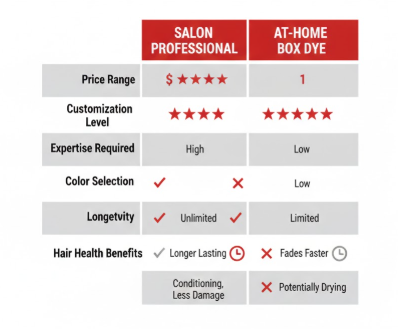
Professional salon brands like Redken, Pravana, and Pulp Riot offer superior color complexity and customization compared to most boxed dyes. Salon lines provide extensive shade ranges with numbered levels and tones that colorists mix to create custom formulas for individual clients. This customization allows precise shade matching and corrections impossible with pre-mixed box dyes offering limited options.
The expertise required to use professional products represents their main limitation for at-home users. Without training in color theory, mixing ratios, and developer strengths, achieving consistent results proves challenging. Professional products also cost more per application than drugstore alternatives, though the superior formulations often justify higher prices through better performance and hair condition.
At-home box dyes prioritize convenience and user-friendliness, including everything needed for application with straightforward instructions. Brands like Revlon, Clairol, and L’Oréal have refined their formulas over decades to deliver reliable results with minimal expertise. While offering less customization than professional lines, quality box dyes produce beautiful red shades at accessible price points, making them excellent choices for budget-conscious users or those new to at-home coloring.
Ammonia vs. Ammonia-Free Formulas
Ammonia serves as the traditional alkaline agent in permanent hair dye, effectively opening the hair cuticle to allow color penetration. Its effectiveness comes with drawbacks including harsh odors, potential scalp irritation, and hair damage with repeated use. Despite these issues, ammonia-based dyes often deliver superior gray coverage and longer-lasting results compared to ammonia-free alternatives.
Ammonia-free formulas substitute gentler alkaline agents like ethanolamine or amino acids that open the cuticle less aggressively. These alternatives produce milder odors and cause less immediate scalp sensitivity, appealing to people with sensitivities or those preferring gentler products. However, ammonia-free dyes may not lift dark hair as effectively or last quite as long as traditional formulas.
The choice between ammonia and ammonia-free formulas depends on your hair condition, sensitivity level, and color goals. If you have resilient hair with no scalp sensitivity and want maximum longevity and lift, ammonia-based formulas deliver superior results. Those with sensitive scalps, damaged hair, or gentler color needs find ammonia-free options perform well with fewer uncomfortable side effects. For users exploring diverse hair types like Curly Hair, formula gentleness becomes particularly important.
Liquid vs. Crème vs. Foam Applicators
Application format significantly affects ease of use and coverage consistency. Liquid dyes like those from Manic Panic flow easily through hair, saturating strands quickly and penetrating porous areas effectively. This format works beautifully for refreshing faded color or creating dip-dye effects but can drip during application, potentially creating messes or uneven saturation if applied carelessly.
Crème formulas offer the best control and precision for at-home users. The thicker consistency clings to hair without dripping, allowing careful section-by-section application that ensures even coverage from roots to ends. Most boxed permanent dyes use crème formulas for this reason, combining the product with developer in applicator bottles that further improve control. Crème formulas work exceptionally well for root touch-ups and full-head applications alike.
Foam formulas represent the newest innovation in at-home hair color, designed for maximum user-friendliness. The mousse-like texture spreads easily through hair with hands or an applicator, virtually eliminating drips and making application faster than traditional methods. Clairol Nice’n Easy and several other brands offer foam reds that deliver reliable results with minimal mess. The main drawback involves less precision than crème formulas, making foam better suited to all-over color than detailed placement.
Budget-Friendly Picks vs. Premium Investments
Drugstore red hair dyes from brands like Revlon ColorSilk and Clairol Natural Instincts cost between five and twelve dollars per box, making them accessible for frequent touch-ups and experimentation. These budget options deliver solid performance with improvements in formula quality over recent years bringing them closer to premium alternatives. For straightforward red applications on healthy hair, budget picks often perform admirably.
Premium options like Madison Reed and Schwarzkopf Keratin Color range from twenty-five to thirty-five dollars per kit, justifying higher prices through superior ingredient quality and hair care benefits. These formulas often include keratin, oils, and antioxidants that condition hair during coloring, reducing damage and improving shine. Premium kits also tend to include better post-color treatments and more user-friendly applicators.
The value equation depends on your hair condition and priorities. Damaged hair benefits significantly from premium formulas’ gentler chemistry and conditioning ingredients, potentially offsetting higher costs through improved hair health. Healthy, resilient hair may show minimal difference between budget and premium options, making drugstore choices perfectly adequate. Many users successfully combine approaches, using premium permanent color for major applications and budget semi-permanent products for maintenance.
Expert Tips for Application and Maintenance
Achieving beautiful red hair extends beyond choosing the right product to include proper application technique and dedicated maintenance routines. Professional colorists develop expertise through years of practice, but understanding key principles helps at-home users achieve salon-quality results. These expert-backed strategies minimize common mistakes while maximizing color vibrancy and longevity.
Pre-Color Preparation and The Importance of Strand Testing
Pre-color preparation begins forty-eight hours before applying dye with a strand test and patch test for allergies. The strand test involves applying dye to a small, inconspicuous section of hair to preview the final color and processing time needed. This step proves especially valuable when changing formulas or trying new shades, preventing full-head applications that produce unexpected results.
Patch testing checks for allergic reactions by applying a small amount of mixed dye to skin behind the ear or inside the elbow. Wait twenty-four to forty-eight hours and monitor for redness, itching, or irritation before proceeding with full application. While tedious, this precaution prevents potentially serious allergic reactions that can occur even with previously used products due to changing formulations or developing sensitivities.
Avoid washing hair for twenty-four to forty-eight hours before coloring, allowing natural oils to build up and protect the scalp during processing. However, hair should be free of styling products, so if you use heavy products, wash hair two days before coloring rather than immediately before. Apply petroleum jelly or thick conditioner along the hairline, ears, and neck to prevent skin staining, creating a protective barrier that wipes clean after rinsing.
Step-by-Step Application for Even Coverage
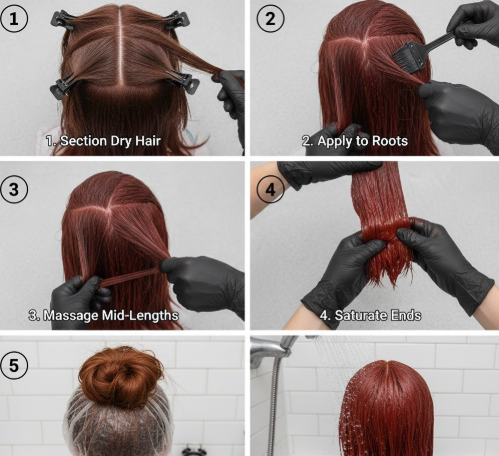
Begin red dye application on dry, unwashed hair unless product instructions specifically recommend damp hair. Section hair into four quadrants from forehead to nape and ear to ear, securing each section with clips. This organization ensures systematic coverage without missing patches. Mix dye according to package directions immediately before use, as mixed product begins processing and loses effectiveness if left sitting.
Start application at the roots of your least gray or most resistant area, typically the back of the head where heat from the scalp is lowest. Work in quarter-inch subsections, applying dye from roots to ends with an applicator brush or bottle, ensuring complete saturation. Once all sections have roots covered, work remaining product through mid-lengths and ends, adding more product if necessary to maintain saturation.
Massage dye gently through hair after application to ensure even distribution and work out any missed spots. Pile hair loosely on top of the head rather than twisting or pinning, which can cause uneven processing. Set a timer according to package directions, typically thirty to forty-five minutes for permanent dyes and longer for semi-permanent options. Resist checking color repeatedly, as disturbing processing hair can affect results.
The Rules of Washing Red Hair
Red hair requires modified washing routines that prioritize color preservation over frequent cleansing. These adjustments feel counterintuitive for people accustomed to daily washing but prove essential for maintaining vibrancy. Implementing proper washing techniques extends the time between color applications while keeping your red looking fresh and dimensional.
Why Cold Water is Essential
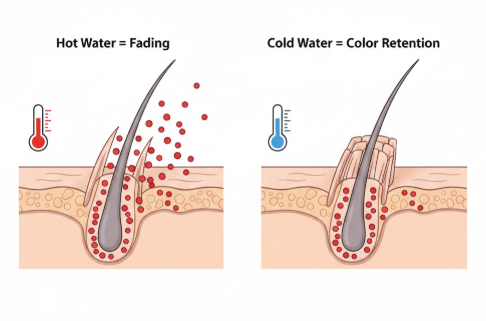
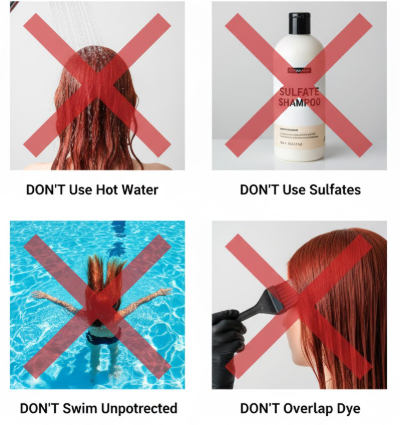
Cold water washing represents the single most important change for preserving red hair color. Hot water opens the hair cuticle, allowing color molecules to escape with each rinse, while cold water keeps cuticles sealed and color locked inside. The temperature difference can add weeks to your color’s lifespan, making this simple adjustment remarkably effective despite initial discomfort.
Begin showers or hair washing with lukewarm water to wet hair if cold water feels intolerable initially, but complete the final rinse with the coldest water you can stand. This final cold rinse seals the cuticle and locks in both color and conditioning treatments applied during washing. Many people adjust to cooler washing temperatures within weeks, finding the color preservation benefits outweigh the initial shock.
Cold water rinsing also enhances shine by smoothing the cuticle surface, creating light-reflective hair that appears healthier and more vibrant. This added benefit makes cold rinsing valuable even beyond color preservation, improving overall hair appearance. Consider the technique essential rather than optional for red hair, as temperature management impacts longevity as significantly as product choices.
Choosing Sulfate-Free Shampoos
Sulfates are harsh detergents found in many shampoos that create abundant lather but strip color aggressively. Sodium lauryl sulfate and sodium laureth sulfate, the most common varieties, clean effectively but remove red pigment along with dirt and oil. Switching to sulfate-free shampoos designed for color-treated hair dramatically reduces color loss with each washing.
Quality sulfate-free shampoos use gentler cleansing agents like cocamidopropyl betaine or decyl glucoside that clean adequately without stripping. Many people find sulfate-free formulas require adjustment periods as hair adapts to gentler cleansing, potentially feeling different initially. Persistence through this transition pays off with healthier hair and longer-lasting color.
Color-depositing shampoos take sulfate-free formulas further by adding red pigments during washing, essentially refreshing color while cleansing. Brands like Overtone, Viral, and Keracolor offer red-tinted shampoos that maintain vibrancy between dyeing sessions. Used once or twice weekly in rotation with regular sulfate-free shampoo, these products significantly extend color life and prevent fading.
Post-Color Treatments and Deep Conditioning
Deep conditioning treatments become non-negotiable for red hair, as the dyeing process and red pigment itself can dry and stress hair. Weekly deep conditioning masks restore moisture, improve elasticity, and help seal color into the hair shaft. Look for treatments containing keratin, protein, or bond-building ingredients that repair structural damage from coloring.
Apply deep conditioner from mid-lengths to ends rather than on roots, which need less moisture and can become greasy with heavy conditioning. Leave treatments on for the full recommended time, typically five to twenty minutes, and consider adding heat with a thermal cap or warm towel to enhance penetration. Rinse thoroughly with cool water to remove product while sealing benefits into hair.
Some colorists recommend weekly gloss treatments using demi-permanent red dyes at low volumes or color-depositing masks. These treatments refresh color while conditioning, creating a dual-benefit routine that maintains both color and hair health. While adding a step to your routine, the improved longevity and vibrancy make this investment worthwhile for serious red hair maintenance.
How to Handle Root Touch-Ups
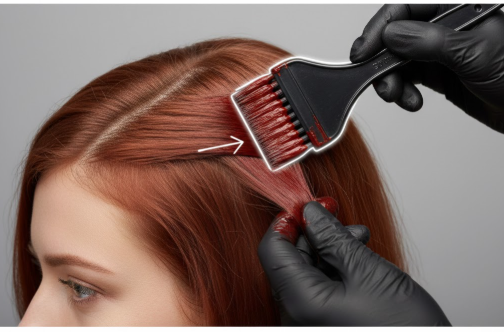
Root touch-ups require precise application focused exclusively on new growth to avoid over-processing previously colored hair. Apply mixed dye only to the regrowth line, typically one-quarter to one-half inch of new hair visible at the scalp. Use a small applicator brush for precision, working carefully to avoid overlapping onto previously dyed sections.
Process root touch-ups for the full recommended time, then add water or conditioner to emulsify the dye and gently work it through mid-lengths and ends during the final five minutes. This technique refreshes faded color on previously dyed sections without subjecting them to full processing time that causes damage and over-darkening. Rinse thoroughly with cool water and condition well.
Touch-up frequency depends on your natural color contrast with your red shade and personal tolerance for visible roots. Most people need root applications every four to six weeks, though faster-growing hair or high-contrast situations may require more frequent attention. Scheduling regular touch-ups prevents roots from becoming so obvious that they require more dramatic correction.
Common User Questions and Concerns
Despite careful preparation, red hair dye users commonly encounter challenges ranging from unexpected results to maintenance frustrations. Understanding these common issues and their solutions helps you troubleshoot problems confidently rather than panicking when complications arise. Professional colorists regularly address these concerns, and their proven solutions apply equally well to at-home situations.
Does Red Hair Dye Damage Hair More Than Other Colors?
Red hair dye does not inherently damage hair more than other permanent colors using similar chemistry. Permanent reds contain the same basic ingredients as permanent browns or blondes, including ammonia or substitutes and peroxide developers that open the cuticle and allow color penetration. The damage potential comes from these chemicals rather than the red pigment itself.
The perception that red damages hair more stems from maintenance requirements rather than the initial coloring process. Because red fades faster, users reapply color more frequently than with longer-lasting shades, creating cumulative stress from repeated chemical processing. This frequent reapplication, especially when overlapping onto previously colored hair, causes the damage associated with maintaining red hair.
Minimizing damage while maintaining red involves strategic application focused on new growth and using gentler semi-permanent or demi-permanent formulas for refreshing faded color. Deep conditioning treatments, protein masks, and bond-building products help counteract chemical stress. Many people successfully maintain vibrant red hair in excellent condition by balancing permanent applications with gentler maintenance methods.
How to Remove Red Dye if You Don’t Like the Result
Removing red hair dye ranks among the most challenging color corrections due to red pigment’s tendency to stain hair stubbornly. Multiple removal methods exist, from gentle clarifying treatments to aggressive color removers, each appropriate for different situations. Patience proves essential, as red rarely lifts completely in one session.
Clarifying shampoos and vitamin C treatments offer the gentlest removal approach for semi-permanent reds or slight adjustments. Mix crushed vitamin C tablets with clarifying shampoo to create a paste, apply to damp hair, and process under heat for thirty to sixty minutes before rinsing. This method gradually fades red without causing significant damage, though multiple treatments may be necessary for noticeable results.
Color removers like Color Oops or ColorFix use reducing agents to shrink dye molecules so they wash out of the hair shaft. These products work on permanent and semi-permanent dyes alike, offering more aggressive removal than clarifying treatments. Follow package directions precisely, including the crucial rinsing period that removes shrunken color molecules. Multiple applications typically prove necessary for complete red removal.
For stubborn red or situations requiring immediate correction, professional color correction provides the safest route. Colorists use specialized techniques including bleach baths, toning, and strategic recoloring to remove or neutralize red while minimizing damage. While expensive, professional correction prevents the severe damage possible when inexperienced users attempt aggressive at-home removal.
Dealing with Staining on Skin and Bathroom Surfaces
Red dye’s intense pigmentation creates stubborn stains on skin, countertops, tile grout, and shower surfaces. Preventing stains proves easier than removing them, so protect surfaces with plastic sheeting or old towels before beginning application. Apply petroleum jelly or oil-based barrier creams along the hairline, ears, and neck to prevent skin staining.
For skin stains that occur despite precautions, act quickly with makeup remover, rubbing alcohol, or non-gel toothpaste. Apply the chosen product to a cotton pad and gently scrub stained areas, which should lighten significantly if addressed immediately. Avoid harsh scrubbing that irritates skin, and reapply petroleum jelly to prevent further staining during the rest of processing time.
Bathroom surface stains respond to baking soda paste or magic erasers applied with gentle scrubbing pressure. For porous surfaces like grout that absorb color, diluted bleach applied carefully may be necessary, though test inconspicuous areas first. Prevention through careful application and immediate cleanup of spills and splatters remains the best approach for avoiding difficult stain removal projects.
Why Does Red Hair Turn Orange or Pink Over Time?
Red hair fades toward orange or pink depending on the underlying pigments in your original shade and your hair’s natural undertones. Warm-based reds containing copper and orange tones fade toward brassy orange as cooler red molecules wash out first, leaving warm pigments behind. Cool-based reds with violet or blue undertones fade toward pink as warm molecules escape, leaving cooler pigments remaining.
Water quality significantly impacts fading patterns, with hard water minerals and chlorine accelerating color loss and causing unexpected tone shifts. Installing a shower filter reduces mineral exposure that strips color and causes brassiness. Swimmers should wet hair with clean water and apply leave-in conditioner before entering pools, creating a barrier against chlorine absorption.
Preventing unwanted fading involves using color-depositing products that refresh your specific red shade between permanent applications. Choose depositing conditioners matching your original tone, using warm copper or red formulas to maintain warm reds and cool burgundy or wine shades for cool reds. Regular toning prevents gradual shifts toward unflattering tones, maintaining your chosen shade until you’re ready for complete reapplication. Just as maintaining vibrant red requires attention, so does caring for other hair characteristics, such as learning to style 16 Inch Hair properly for optimal appearance.
Conclusion
Summarizing the Journey to Red Hair
Transforming your hair red represents an exciting commitment that delivers unmatched visual impact and personal expression. From understanding the unique chemistry of red pigments to selecting formulas that match your hair type and lifestyle, each decision contributes to your final results and satisfaction. The education you’ve gained through this guide equips you to navigate the red hair journey confidently, avoiding common pitfalls while maximizing the stunning potential this color family offers.
Red hair demands more maintenance than many other colors, but the rewards of turning heads and expressing your personality make the effort worthwhile for those drawn to this bold choice. Whether you select a natural auburn that enhances your features subtly or a vivid crimson that announces your presence, your red hair becomes part of your identity and style signature. The key involves approaching red hair as an ongoing relationship rather than a one-time decision, committing to the care and attention necessary to keep your color vibrant.
Final Thoughts on Finding Your Signature Shade
Your perfect red exists somewhere within the vast spectrum from strawberry blonde to deep burgundy, waiting for you to discover it through experimentation and refinement. Start conservatively if you’re uncertain, using semi-permanent formulas or color-depositing conditioners that allow adjustment without permanent commitment. As you become comfortable with red hair maintenance and understand how your hair responds to different formulas, you can gradually move toward your ideal shade with confidence.
Remember that hair color is never truly permanent and offers continuous opportunities for reinvention. If your first red doesn’t satisfy completely, adjust the tone warmer or cooler, deeper or brighter, until you find the shade that feels authentically you. Trust your instincts about what flatters your complexion and matches your personality, rather than following rigid rules that limit creative expression.
Where to Buy the Top-Rated Products
The red hair dyes recommended throughout this guide are widely available through multiple retail channels. Drugstore brands like Revlon ColorSilk, Clairol Natural Instincts, L’Oréal Féria, and Garnier Nutrisse can be found at pharmacies, grocery stores, and mass retailers including Walmart, Target, CVS, and Walgreens. These locations offer convenient local shopping with the ability to examine packaging and compare options in person.
Specialty beauty retailers like Ulta Beauty and Sally Beauty carry broader selections including professional lines, fashion color brands like Manic Panic and Arctic Fox, and specialty maintenance products. These stores employ staff with product knowledge who can answer questions and provide recommendations based on your specific situation. Many locations offer loyalty programs that provide discounts and rewards for frequent purchases.
Online shopping through Amazon, brand websites, and beauty specialty sites offers maximum convenience and often better prices than physical retail. Direct brand purchases from Madison Reed or Overtone websites sometimes include exclusive shades or bundled deals unavailable elsewhere. Reading verified customer reviews on these platforms provides valuable insights into real-world performance beyond marketing claims. For comprehensive hair care guidance beyond coloring, explore resources at Care About Your Hair for expert advice on maintaining healthy, beautiful hair regardless of your color choice.
Frequently Asked Questions About Red Hair Dye
How long does red hair dye typically last?
Red dye typically lasts between 4 to 6 weeks depending on the formula and maintenance habits. Because red pigment molecules are larger than other colors, they tend to slip out of the hair cuticle faster, requiring more frequent touch-ups.
Can I dye my dark hair red without bleaching it first?
Yes, you can dye dark hair red without bleach using specific high-lift dyes formulated for dark bases. For vibrant, neon, or pastel reds, however, pre-lightening or bleaching is usually necessary to get the true color payoff.
What is the hardest red hair color to maintain?
Bright copper and neon red shades are generally the hardest to maintain because fading is very noticeable. Darker reds like burgundy or mahogany tend to fade more gracefully and require slightly less rigorous upkeep.
How do I choose the right shade of red for my skin tone?
As a general rule, match cool reds like cherry or burgundy with cool skin undertones, and warm reds like copper or ginger with warm skin undertones. Neutral skin tones can typically pull off a wide spectrum of red shades.
Does red hair dye fade faster than other colors?
Yes, red hair dye fades faster than other colors due to the large molecular size of the red pigment. This makes it difficult for the molecule to penetrate deeply into the hair shaft and easier for water to wash it out.
Is it better to wash red hair with hot or cold water?
It is strictly better to wash red hair with cool or cold water. Hot water opens the hair cuticle, allowing the red pigment to escape, while cold water helps seal the cuticle and lock the color in.
Can I use purple shampoo on red hair?
No, purple shampoo is designed to cancel yellow tones in blonde hair and can make red hair look muddy or dull. Instead, use a color-depositing red shampoo or a conditioner specifically formulated to enhance red tones.
Will red hair dye cover my gray hair completely?
Permanent red hair dye can effectively cover gray hair when you choose deeply pigmented shades like burgundy, mahogany, or auburn. Lighter reds and coppers may provide incomplete coverage, leaving some gray strands visible as unintentional highlights.
How soon after dyeing can I wash my red hair?
Wait at least 24 to 48 hours after dyeing before washing red hair for the first time. This waiting period allows the cuticle to fully close and the color to set properly, improving longevity and preventing premature fading.
Can I swim with red hair without ruining the color?
You can swim with red hair by taking protective precautions including wetting hair with clean water first, applying leave-in conditioner as a barrier, and wearing a swim cap when possible. Rinse immediately after swimming and use a clarifying shampoo to remove chlorine and minerals that strip color.

1 thought on “Embracing the Boldest Hair Color”