
Table of Contents
- Understanding the Allure of Red Hair
- Who Suits Red Hair Best?
- The Unique Chemistry of Red Pigments
- Top 10 Red Hair Dyes (Editor’s Picks for 2026)
- Why These Red Hair Dyes Are Considered the Best
- Key Factors to Consider Before Buying Red Hair Dye
- Choosing the Right Formula Type
- Ingredient Analysis
- Box Dye Contents vs. Professional Tubes
- Finding Your Perfect Shade Match
- Navigating the Red Spectrum
- How to Apply and Maintain Red Hair Dye for Maximum Vibrancy
- Essential Aftercare and Maintenance Tips
- Common Buyer Concerns and Solutions
- Conclusion
- Frequently Asked Questions About Red Hair Dye
This blog post may contain affiliate links. As an Amazon Associate I earn from qualifying purchases.
Red hair dye has surged in popularity across the UK, becoming one of the most requested shades in salons and home colouring kits alike. From subtle auburn tones to bold crimson hues, red offers versatility that few other colours can match. Its ability to complement a wide range of skin tones while making a confident statement has transformed it from a niche choice into a mainstream trend embraced by celebrities, influencers, and everyday individuals seeking to refresh their look.
The appeal of red hair extends beyond aesthetics. Red shades carry cultural significance and evoke warmth, passion, and individuality. Unlike more neutral tones, red hair commands attention and allows wearers to express their personality through colour. Social media platforms have amplified this trend, with hashtags dedicated to red hair inspiring millions to experiment with fiery tones. The modern formulations available today make achieving salon-quality results at home more accessible than ever, contributing to the colour’s widespread adoption.
Choosing red hair dye requires understanding its unique properties and how different shades interact with your natural hair colour. This comprehensive guide explores everything from selecting the perfect shade to maintaining vibrant colour between applications, ensuring you achieve professional results while keeping your hair healthy and lustrous.
Understanding the Allure of Red Hair
Red hair possesses a dimensional quality that creates depth and movement rarely seen in single-process colours. The pigments reflect light differently throughout the day, appearing brighter in sunlight and richer in softer lighting. This natural variation gives red hair an almost living quality, constantly shifting and catching the eye. The spectrum ranges from warm copper and ginger tones to cool burgundy and mahogany shades, offering options for every preference and complexion.
The psychological impact of red hair should not be underestimated. Studies have shown that red is perceived as bold, confident, and memorable. People with red hair often report feeling more empowered and expressive, as the colour naturally draws positive attention. This emotional connection to the shade makes it more than just a cosmetic choice; it becomes part of one’s identity and self-expression.
From a technical perspective, red dyes contain larger pigment molecules than other colours, which explains both their intensity and their tendency to fade more quickly. Understanding this chemistry helps users set realistic expectations and establish proper maintenance routines to preserve their chosen shade.
Who Suits Red Hair Best?
Contrary to popular belief, red hair can flatter virtually anyone when the right shade is selected. Fair-skinned individuals with cool undertones often find that copper and strawberry blonde reds enhance their natural colouring without overwhelming their complexion. Those with warm, peachy undertones typically shine in golden auburn and bright copper shades that echo the warmth in their skin.
Medium and olive skin tones have the broadest range of options available. These complexions can carry both warm and cool reds, from vibrant cherry to deep mahogany. The natural depth in medium skin tones creates beautiful contrast with bright reds while providing enough warmth to support deeper burgundy shades. Individuals with these skin tones often find that red hair brings out the golden or rosy undertones in their complexion.
Deep and dark skin tones look stunning in rich, jewel-toned reds. Burgundy, plum-red, and deep mahogany shades create sophisticated contrast while maintaining harmony with deeper complexions. These shades offer dimension and shine that enhance natural beauty without appearing artificial. The key lies in selecting reds with enough depth to show up beautifully against darker skin while maintaining vibrant colour payoff.
The Unique Chemistry of Red Pigments
Red hair dye relies on larger pigment molecules compared to blonde or brown dyes, which affects both application and longevity. These molecules sit primarily on the hair’s outer cuticle layer rather than penetrating deeply into the cortex, making them more susceptible to washing out with each shampoo. This surface-level deposition explains why red shades tend to fade faster than other colours, typically losing vibrancy within four to six weeks depending on hair care practices.
The chemical composition of red dyes varies between permanent and semi-permanent formulations. Permanent red dyes use oxidative colour molecules that combine with developer to create a chemical reaction, lifting the natural pigment while depositing new colour. This process allows for dramatic colour changes and grey coverage but requires more commitment. Semi-permanent options use direct dyes that coat the hair shaft without chemical alteration, making them gentler but less effective on dark or resistant hair.
Temperature and porosity significantly impact how red pigments adhere to hair. Damaged or porous hair absorbs colour quickly but also releases it faster, leading to uneven fading. Healthy hair with a smooth cuticle layer provides better colour retention but may require longer processing times for optimal saturation. Understanding your hair’s condition before selecting a red dye formula ensures better results and helps prevent disappointment.
Top 10 Red Hair Dyes (Editor’s Picks for 2026)

- Feria Is Multi-Faceted Permanent Hair Color: Known for shimmering color and edgy colors, Feria permanent hair dye kits transform hair from blah to brilliant; Our multi-faceted shimmering hair dye with 3X highlights delivers intensified, brilliant results
- Multi-Tonal, Shimmering Feria Hair Color: With 50 plus bold shades ranging from deepest black hair, platinum blonde & smoky silver hair dye, our vegan hair dye kits are inspired by cutting-edge fashion & the latest trends, no appointment required
- After Color Hair Conditioner: Our Bonding Care Complex Conditioner helps repair the strength of hair bonds, keeping hair strong & healthy-looking for color vibrancy. See up to 40% stronger hair vs hair not treated with Bonding Care Complex Conditioner
- L’Oreal Paris Hair Color: We offer permanent, semi-permanent, and temporary hair dye plus root cover up, anti-brass toners and lightening systems. Cover gray hair, highlight, go bold with bright color or even try an ombre hair color
- L’Oreal Paris Innovation: We are a total beauty care company that combines the latest in technology with the highest in quality for the ultimate in hair color, hair care, hair style, skin care and cosmetics

- Nutrisse Ultra Color R2 Medium Intense Auburn (Goji Berry) Permanent Hair Dye: A medium red hair dye shade formulated with intense auburn reflects. This permanent hair color adapts to all hair textures for long lasting bold color
- Hair Dye for Dark Hair: This hair dye kit is best for anyone with natural hair between medium brown and black
- Color Boost Technology: This hair dye kit’s formula features intensity-enhancing color boost technology to help you achieve high impact color in just one step for up to 8 weeks of vibrant hair color
- Nourished Hair Means Bolder Color: Formulated with a blend of five fruit oils: Avocado, Olive, Coconut, Argan & Shea oils. Lock in moisture and color with our after color mask for hair that is smooth, silky and protected against dryness
- Discover Your Shade: For bold and lasting shades for all hair textures, Garnier Nutrisse Hair Color is available in over 65 cruelty-free and vegan hair dye shades – formulated without animal-derived ingredients

- Permanent Hair Color for Professional use only
- The no-drip, easy-to-use creme formula protects and pampers hair during and after processing
- See full Instructions printed inside of the carton
- Permanent hair color for professional use only

- VIBRANT RED SHADE: Achieve bold, deep red hair with berry undertones that gradually fade to pink. Best results on hair pre-lightened to level seven for intense, dimensional color.
- CUSTOM COLOR MIXING: For a unique deep crimson red, blend Wrath with a drop of Transylvania. Create personalized shades and experiment with creative hair color transformations.
- VEGAN INGREDIENTS ONLY: Made with vegan ingredients and no animal by-products. Free from harsh chemicals that can damage hair, providing a safer coloring experience.
- CONDITIONS AS IT COLORS: Gentle formula suitable for frequent use. Conditions hair while restoring vibrancy, leaving hair feeling soft, nourished, and healthy after each application.
- LONG LASTING FORMULA: Enjoy long-lasting color that smears less and features a sweet scent. Contains no peroxide, ammonia, ethyl alcohol, or PPD for a gentle, worry-free dyeing process.

- Feria Is Multi-Faceted Permanent Hair Color: Known for shimmering color and edgy colors, Feria permanent hair dye kits transform hair from blah to brilliant; Our multi-faceted shimmering hair dye with 3X highlights delivers intensified, brilliant results
- Multi-Tonal, Shimmering Feria Hair Color: With 50 plus bold shades ranging from deepest black hair, platinum blonde & smoky silver hair dye, our vegan hair dye kits are inspired by cutting-edge fashion & the latest trends, no appointment required
- After Color Hair Conditioner: Our Bonding Care Complex Conditioner helps repair the strength of hair bonds, keeping hair strong & healthy-looking for color vibrancy. See up to 40% stronger hair vs hair not treated with Bonding Care Complex Conditioner
- L’Oreal Paris Hair Color: We offer permanent, semi-permanent, and temporary hair dye plus root cover up, anti-brass toners and lightening systems. Cover gray hair, highlight, go bold with bright color or even try an ombre hair color
- L’Oreal Paris Innovation: We are a total beauty care company that combines the latest in technology with the highest in quality for the ultimate in hair color, hair care, hair style, skin care and cosmetics

- Lasting Color with Show-Stopping Shine: Our rich, ultra-intense hair color with faceted tones offers vivid color intensity and added dimension. Designed to enhance your hair, it delivers high shine that complements a range of skin tones
- Shine That Lasts: Formulated with our Diamond Brilliance Serum, it helps hair reflect light for a polished, luminous finish. It adds visible shine and depth from root to tip, so your color looks fresh even after multiple washes
- Vibrant & Fade-Resistant: Color Ultime delivers up to 10 weeks of lasting vibrancy and high-impact intensity. Whether you’re refreshing existing color or going darker, it helps resist dullness and keep your shade bold longer, even on gray strands
- For All Hair Types: This creamy hair dye spreads easily and works for relaxed, natural, or textured hair and helps maintain softness post-color and manageability. Designed for smooth application and even results with a soft, polished finish
- Easy, Beginner Friendly Kit: Includes a color cream, developer bottle, conditioner, gloves and step-by-step instructions. It offers reliable results for first-timers and regular users alike. For longer or thicker hair, use two boxes for full coverage

- VIBRANT RED SHADE: Achieve bold, deep red hair with berry undertones that fade to pink. Best results on hair pre-lightened to level seven for intense, dimensional color.
- CUSTOM COLOR MIXING: #AFProTip: Mix Wrath with a drop of Transylvania for a rich crimson red. Create unique, personalized shades for a custom hair color experience.
- VEGAN INGREDIENTS ONLY: Made with vegan ingredients and no animal by-products. Free from harsh chemicals that can damage hair, ensuring a gentle coloring process.
- CONDITIONS WHILE COLORING: Gentle formula is suitable for frequent use and conditions hair as it restores vibrancy. Leaves hair feeling soft, healthy, and nourished.
- LONG LASTING FORMULA: Enjoy long-lasting color that smears less and features a sweet scent. Contains no peroxide, ammonia, ethyl alcohol, or PPD for safer application.

- Nutrisse Ultra Color R3 Light Intense Auburn (Red Hibiscus) Permanent Hair Dye: A light red hair dye shade formulated with intense, warm auburn reflects. This permanent hair color adapts to all hair textures for long lasting bold color
- Hair Dye for Dark Hair: This hair dye kit is best for anyone with natural hair between light brown and darkest brown
- Color Boost Technology: This hair dye kit’s formula features intensity-enhancing color boost technology to help you achieve high impact color in just one step for up to 8 weeks of vibrant hair color
- Nourished Hair Means Bolder Color: Formulated with a blend of five fruit oils: Avocado, Olive, Coconut, Argan & Shea oils. Lock in moisture and color with our after color mask for hair that is smooth, silky and protected against dryness
- Discover Your Shade: For bold and lasting shades for all hair textures, Garnier Nutrisse Hair Color is available in over 65 cruelty-free and vegan hair dye shades – formulated without animal-derived ingredients

- Olia 6.65 Intense Red Permanent Hair Dye: This red hair dye with intense red reflects provides 100% gray coverage to achieve vivid, radiant long lasting color for all hair textures
- Oil Powered Olia Hair Color: Powered by 60% oils and no Ammonia. With sunflower and camellia oil, it propels color deep inside the hair for long lasting hair color. Non-drip cream formula delivers brilliant color without damaging your hair
- Vegan Hair Dye Formula: Ammonia, Silicone, Paraben, Phthalates & Cruelty Free. Vegan formula – no animal derived ingredients. Delivers brilliant color and visibly healthier hair that’s hydrated, silky, and up to 3x shinier (than uncolored, unwashed hair)
- Instructions: Put on the included gloves. Remove the Developer Bottle cap, mix-in the Colorant, and shake vigorously. Apply to roots, then, apply through lengths and ends for even coverage. Wait 30 minutes, then rinse & condition
- Inspired By Nature: Garnier carries an array of products for your hair and skin care needs, from shampoos, color care and styling products to formulas that cleanse, moisturize and repair skin

- Shimmering Hair Dye For Dark Hair: Feria Hair Color has been custom-blended by our master colorists. This multi-faceted shimmering red hair dye with 4X highlights transforms dark hair in 1 step to high impact, vibrant color with no bleaching required
- Hair Dye Kit Contains: Vibrant Permanent Hair Color Gel, Shimmering Conditioning Developer Crème, Aromatic Shimmer Serum and our Bonding Care Complex Conditioner to seal and smooth hair
- Bold Permanent Hair Dye Shades: Inspired by cutting-edge fashion and the latest trends, Feria offers multi-tonal, shimmering hair color that comes in bold shades ranging from deepest blue blacks to platinum blondes to smokey silvers
- L’Oreal Paris Hair Color: We offer permanent, semi-permanent, and temporary hair dye plus root cover up, anti-brass toners and lightening systems. Cover gray hair, highlight, go bold with bright color or even try an ombre hair color
- L’Oreal Paris Innovation: We are a total beauty care company that combines the latest in technology with the highest in quality for the ultimate in hair color, hair care, hair style, skin care and cosmetics
The best red hair dyes available in the UK combine vibrant colour payoff with nourishing ingredients that protect hair health during the colouring process. Our top selections represent a range of formulas, from permanent box dyes ideal for complete colour changes to semi-permanent options perfect for commitment-free experimentation. Each product has been evaluated based on colour accuracy, longevity, ease of application, and overall value.
Professional-grade home kits have evolved significantly, now featuring pre-colour treatments, bond-building technologies, and aftercare products that rival salon results. Many leading brands have reformulated their red shades to address common concerns like premature fading and brassiness. The inclusion of conditioning agents, natural oils, and UV filters helps maintain colour vibrancy while keeping hair soft and manageable.
Budget-friendly options no longer mean compromising on quality. Several high-street brands have developed innovative formulas that compete with premium products in terms of colour intensity and fade resistance. The key differences often lie in packaging, fragrance, and the comprehensiveness of included accessories rather than the fundamental quality of the dye itself.
Why These Red Hair Dyes Are Considered the Best
Longevity and Fade Resistance
The superior red hair dyes on the market today incorporate fade-fighting technologies that extend colour vibrancy between applications. Micro-pigment encapsulation techniques protect colour molecules from washing out prematurely, allowing reds to maintain their intensity for up to eight weeks with proper care. Some formulations include UV filters that prevent sun damage, a common cause of colour degradation in red shades.
Advanced polymer technology creates a protective seal around each hair strand, locking in colour while adding shine. This innovation addresses the historical challenge of red dyes, which traditionally faded to brassy orange or pink tones. Modern formulas are engineered to fade more gracefully, maintaining a recognizable version of the original shade rather than transforming into undesirable hues.
Users who follow recommended aftercare protocols report significantly better colour retention with premium dyes. The inclusion of maintenance products in some kits, such as colour-depositing conditioners and gloss treatments, extends the life of the colour and reduces the frequency of full reapplication.
Vibrancy and Colour Payoff
Exceptional red hair dyes deliver true-to-shade results that match the colour shown on packaging. High-quality formulations use concentrated pigment loads that provide full coverage in a single application, eliminating the need for multiple sessions. The intensity of colour payoff depends on the starting hair colour and condition, but the best products offer predictable results across a range of base shades.
Multi-dimensional red dyes incorporate various red pigments that create depth and prevent flat, one-note colour. These formulas mimic the natural variation found in biological red hair, with subtle highlights and lowlights that emerge in different lighting conditions. This dimensional quality makes the colour appear more natural and sophisticated than single-tone reds.
The reflection of light off vibrant red hair creates an unmistakable lustre that enhances overall appearance. Premium dyes often include shine-enhancing ingredients like keratin and silk proteins that smooth the hair cuticle, maximizing light reflection. This attention to finish separates excellent products from merely adequate ones.
Nourishing Ingredients and Hair Health
The best red hair dyes balance effective colouring with hair care, incorporating ingredients that minimize damage during the chemical process. Argan oil, coconut oil, and shea butter are commonly added to modern formulations, providing moisture and protection while colour develops. These nourishing elements help maintain hair elasticity and prevent the brittleness often associated with permanent dyes.
Protein-enriched formulas strengthen hair during colouring, particularly beneficial for fine or damaged hair types. Keratin, wheat protein, and amino acids work to rebuild hair structure, counteracting the effects of chemical processing. Some advanced formulas include bond multipliers that protect the internal hair structure, technology previously available only in professional salon treatments.
Ammonia-free and low-ammonia options have become increasingly popular as consumers seek gentler alternatives. While traditional ammonia-based dyes effectively lift natural pigment for dramatic colour changes, ammonia-free versions use alternative alkalizing agents that are less harsh on hair and scalp. These gentler formulas prove particularly suitable for sensitive scalps or those concerned about chemical exposure.
Ease of Application for Home Users
User-friendly packaging and clear instructions make the difference between professional-looking results and disappointing outcomes. The best home red hair dyes include precision applicators, mixing bottles with measurement marks, and step-by-step guides with visual references. Some brands offer video tutorials and customer support helplines to assist first-time users through the application process.
Creamy, non-drip formulas provide better control during application, especially when working alone. Gel-based dyes cling to hair without running onto skin or bathroom surfaces, making the process cleaner and more manageable. The consistency of the product directly impacts coverage quality and the user’s ability to achieve even colour distribution from roots to ends.
Pre-measured components eliminate guesswork in mixing ratios, ensuring consistent results with every application. All-in-one kits that include developer, gloves, aftercare treatments, and sometimes even sectioning clips provide exceptional value and convenience. This comprehensive approach helps users feel confident in their ability to achieve salon-quality results at home.
Value for Money and Brand Trustworthiness
Established haircare brands with decades of experience in colour chemistry offer reliability that newer market entrants struggle to match. Companies like L’Oréal, Schwarzkopf, and Clairol have invested heavily in research and development, creating formulations backed by scientific testing and consumer trials. Their reputation provides assurance that the product will perform as advertised.
Value extends beyond initial purchase price to include colour longevity and hair condition post-application. A slightly more expensive dye that lasts eight weeks and leaves hair soft outperforms a budget option that fades within three weeks and causes damage requiring additional treatments. Calculating cost per week of vibrant colour provides a more accurate value assessment than comparing box prices alone.
Customer reviews and before-and-after photos offer valuable insights into real-world performance. Brands with transparent review policies and active customer engagement demonstrate confidence in their products. Looking for patterns in reviews, such as consistent praise for specific shades or repeated mentions of excellent grey coverage, helps identify which products deliver on their promises.
Key Factors to Consider Before Buying Red Hair Dye
Identifying Your Current Hair Colour and Condition
Starting Level Matters
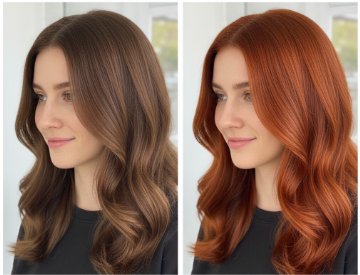
Your natural or current hair colour determines which red shades will be achievable without pre-lightening. Light to medium blonde hair accepts red dye readily, producing vivid results that closely match packaging examples. Darker blonde and light brown hair can achieve warm copper and auburn shades with permanent dyes but may require bleaching for brighter, true reds.
Medium to dark brown hair presents challenges for vibrant red application. Without bleaching, these base colours typically produce subtle red tones or warm brown shades with red undertones rather than brilliant red. Those desiring noticeable red from dark bases should consider professional lightening or opt for burgundy and deep mahogany shades formulated specifically for dark hair.
Black hair requires significant pre-lightening to achieve any visible red tone. The density of natural pigment in black hair prevents red molecules from showing through without first removing existing colour. Semi-permanent reds on black hair may create subtle warmth in direct sunlight but won’t produce the dramatic transformation many users expect.
Virgin Hair vs. Previously Coloured Hair
Hair that has never been chemically treated absorbs colour more predictably than previously dyed hair. Virgin hair provides a clean canvas, allowing red pigments to develop true to shade without interference from existing artificial colour. The absence of previous chemical processing also means healthier hair that better retains new colour.
Previously coloured hair, particularly if treated with permanent dye, contains residual pigments that interact unpredictably with new colour applications. Old colour must be considered when selecting new shades; for example, applying red over faded blonde highlights may result in patchy, uneven colour. Colour correction or removal treatments may be necessary before applying red to heavily processed hair.
Hair with multiple colour layers or significant damage absorbs colour unevenly, creating a mottled appearance. High-porosity sections grab pigment quickly and appear darker, while healthier areas process more slowly. Addressing porosity issues with protein treatments and deep conditioning before colouring improves results.
Choosing the Right Formula Type
Permanent Red Hair Dye
Permanent formulas offer the most dramatic colour change and longest-lasting results, typically maintaining vibrancy for six to eight weeks before requiring touch-ups. These dyes use ammonia or alternative alkalizing agents to open the hair cuticle, allowing colour molecules to penetrate the cortex. The oxidative process permanently alters hair structure, making this option ideal for those committed to maintaining red hair long-term.
Grey coverage stands as permanent dye’s greatest strength, with most formulas providing 100% coverage of white and grey hairs. The deep penetration of colour molecules ensures consistent tone across all hair types, from virgin strands to resistant greys. This makes permanent red hair dye the preferred choice for mature users or anyone dealing with significant grey hair.
The commitment level required for permanent colour should not be underestimated. Removing or significantly changing permanent red dye often requires professional colour correction involving bleach and multiple processes. Those uncertain about long-term commitment to red hair should explore semi-permanent options first.
Semi-Permanent and Demi-Permanent Options
Semi-permanent red dyes deposit colour without lifting natural pigment, making them gentler on hair and scalp. These formulas gradually fade over four to six weeks and approximately twelve to twenty-eight washes, eventually returning hair close to its original shade. The lack of ammonia and developer makes semi-permanent dyes suitable for damaged hair, sensitive scalps, and those wanting to experiment without permanent commitment.
Demi-permanent dyes fall between semi-permanent and permanent formulas, using low-volume developer to slightly open the cuticle for better colour penetration. These products last longer than semi-permanent options, maintaining colour for six to eight weeks, but fade more gracefully than permanent dyes. Demi-permanent formulas provide moderate grey coverage, typically blending up to 50% grey rather than providing complete coverage.
The conditioning formulas common in semi-permanent dyes often leave hair softer and shinier than before application. Many users incorporate these products into regular hair care routines, reapplying every few weeks to maintain colour while simultaneously treating their hair. Similar to the maintenance routines used for vibrant shades like blue hair dye or purple hair dye, regular colour refreshing becomes part of the overall hair care regimen.
Wash-Out and Temporary Sprays
Temporary colour options provide commitment-free experimentation, ideal for special occasions or testing shades before permanent application. These products sit on the hair surface and wash out completely with one or two shampoos, causing no permanent change to hair structure. Wash-out dyes work best on light hair but can add temporary shine and depth to darker shades.
Colour-depositing sprays and gels offer instant transformation without processing time, making them perfect for events requiring quick styling. These products can be applied to dry, styled hair and set with heat or hairspray for longer wear throughout the day. The convenience comes with the tradeoff of potential transfer to clothing and pillowcases until washed out.
Temporary options serve as excellent testing grounds for those considering permanent colour changes. Experimenting with various red shades through temporary products helps narrow down preferences and identify which tones best complement skin tone and personal style before making a lasting commitment.
Ingredient Analysis
Ammonia vs. Ammonia-Free Formulas
Traditional ammonia-based dyes effectively lift natural pigment, creating space for new colour molecules to penetrate the hair shaft. Ammonia‘s alkaline properties open the cuticle layer, allowing for dramatic colour changes and reliable grey coverage. The distinctive smell and potential for scalp irritation represent the primary drawbacks, though modern formulations have reduced these issues significantly.
Ammonia-free alternatives use substitutes like monoethanolamine (MEA) or aminomethyl propanol (AMP) to achieve similar results with reduced odour and gentler action. These formulas appeal to users with sensitive scalps or those averse to strong chemical smells. While effective, ammonia-free dyes sometimes require longer processing times and may not lift natural colour as effectively as traditional formulas.
The debate between ammonia and ammonia-free comes down to individual priorities. Those seeking maximum colour change and grey coverage often prefer traditional ammonia formulas for their reliability. Users prioritizing gentle treatment and minimal scalp irritation gravitate toward ammonia-free options, accepting slightly less dramatic results in exchange for comfort.
Vegan and Cruelty-Free Certifications
Ethical consumers increasingly seek vegan hair dyes formulated without animal-derived ingredients and not tested on animals. Certifications from organizations like The Vegan Society and Leaping Bunny provide assurance that products meet strict ethical standards. Many mainstream brands now offer vegan-friendly red hair dyes that perform comparably to traditional formulations.
Plant-based ingredients replace animal-derived components in vegan formulas, with botanical oils and extracts providing conditioning and nourishing benefits. These natural alternatives often prove gentler on hair and scalp while delivering comparable colour results. The growing demand for vegan beauty products has driven innovation in this space, resulting in high-performance ethical options.
Cruelty-free certification indicates that neither the finished product nor its individual ingredients were tested on animals at any production stage. This distinction matters to consumers concerned about animal welfare but doesn’t necessarily mean the product is vegan. Checking for both certifications ensures alignment with personal ethics.
Added Conditioners and Oils
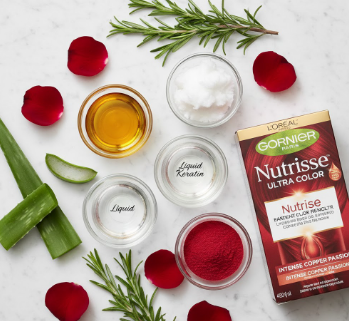
Premium red hair dyes incorporate nourishing ingredients that counteract the drying effects of chemical processing. Argan oil, rich in vitamin E and fatty acids, moisturizes hair while adding shine and reducing frizz. Coconut oil penetrates the hair shaft to strengthen from within, helping prevent breakage during the colouring process.
Keratin-infused formulas rebuild damaged hair structure, filling in gaps in the cuticle layer created by previous chemical treatments or heat styling. This protein reinforcement improves hair strength and elasticity, reducing the likelihood of damage during dyeing. Hair emerges from the colouring process healthier and more resilient than with basic formulas.
Conditioning agents like panthenol (pro-vitamin B5) and glycerin attract and retain moisture, preventing the dry, straw-like texture sometimes associated with hair colouring. These humectants keep hair soft and manageable, making post-colour styling easier and improving overall hair health. The inclusion of these beneficial ingredients elevates a simple colouring product into a comprehensive hair treatment.
Box Dye Contents vs. Professional Tubes
Complete box dye kits provide everything needed for at-home application, including colour cream, developer, gloves, and usually an aftercare conditioner. This all-in-one approach offers convenience and ensures compatible components designed to work together. Clear instructions guide users through each step, making box dyes ideal for first-time users or those without professional training.
Professional tube dyes sold individually offer flexibility in customizing colour intensity and developer strength. Experienced users can mix shades to create custom colours or adjust developer volume based on desired lift and deposit. This approach requires more knowledge but provides greater control over the final result.
The quality difference between box dyes and professional products has narrowed considerably as drugstore brands invest in research and development. Many professional-quality formulas are now available in convenient box formats, eliminating the need to purchase components separately. The choice often comes down to desired customization level and user experience rather than inherent quality differences.
Finding Your Perfect Shade Match
Matching Red Shades to Skin Undertones
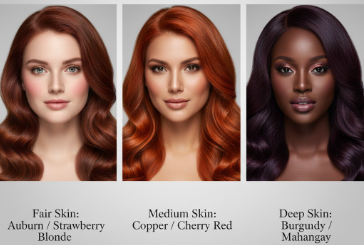
Best Reds for Fair Skin with Cool Undertones
Fair skin with cool undertones, characterized by pink or rosy hues, pairs beautifully with cooler red shades that complement rather than clash with natural colouring. Auburn reds with brown bases create sophisticated, natural-looking colour that enhances pale skin without overwhelming delicate features. These shades provide enough contrast to be noticeable while maintaining harmony with cool-toned complexions.
Strawberry blonde represents an ideal choice for those wanting subtle red warmth without dramatic transformation. This delicate shade blends red and blonde tones, creating soft, romantic colour that flatters fair, cool-toned skin. The lighter base prevents harsh contrast while the red undertones add dimension and interest.
True burgundy and wine-red shades offer bold options for cool-toned fair skin. These deeper reds contain blue or purple undertones that echo the cool notes in pale skin, creating striking yet flattering contrast. The richness of burgundy provides depth without the warmth that might clash with naturally cool colouring.
Ideal Reds for Medium and Olive Skin Tones
Medium skin tones with warm, golden, or olive undertones have the versatility to carry most red shades successfully. Vibrant copper and bright auburn shades enhance the natural warmth in these complexions, creating a sun-kissed, radiant appearance. These warm reds bring out golden tones in the skin while providing eye-catching colour.
Cherry red and true red shades create beautiful contrast against medium skin without appearing artificial. The balance between warm and cool tones in these shades works with the natural depth of medium complexions, neither washing out features nor creating jarring discord. These reds photograph exceptionally well and translate across various lighting conditions.
Rich mahogany with red undertones provides sophisticated colour for those preferring subtlety over boldness. This shade adds dimension to medium skin tones while maintaining a professional appearance suitable for conservative environments. The depth of mahogany prevents the brassy appearance that sometimes occurs when warmer reds fade on medium skin.
Rich Reds for Dark and Deep Skin Tones
Deep skin tones require rich, saturated reds with enough pigment density to show up beautifully against darker complexions. Burgundy with purple undertones creates stunning dimension, catching light to reveal multiple colour facets. This jewel-tone approach to red hair provides the intensity needed for visibility while maintaining sophistication.
Deep mahogany and dark auburn shades with red highlights offer natural-looking colour that enhances rather than masks deep skin tones. These shades provide warmth and dimension without requiring the extreme colour contrast that can appear harsh. The subtlety allows natural beauty to shine through while adding interest and polish.
Plum-red shades combining red and violet pigments create unique, fashion-forward colour for adventurous individuals with dark skin. These cool-toned reds provide unexpected contrast while maintaining enough depth to complement darker complexions. The uniqueness of plum-red ensures standout style that photographs beautifully and attracts positive attention.
Navigating the Red Spectrum
Copper and Ginger Shades
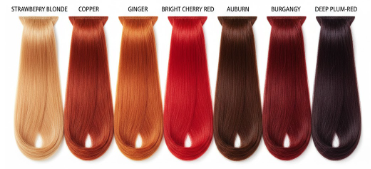
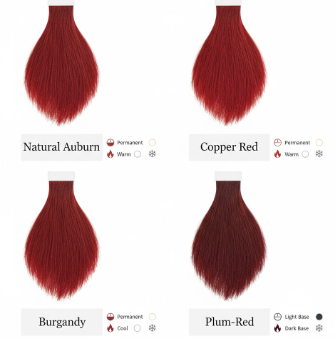
Copper encompasses warm, metallic reds with orange undertones that create vibrant, energetic colour. These shades range from soft rose-gold copper to intense, bright copper penny tones. The warmth in copper makes it particularly flattering for those with warm or neutral skin undertones, while cooler complexions may find it overwhelming.
Ginger describes lighter, more orange-based reds reminiscent of natural red hair found in Celtic populations. These shades often include golden highlights and dimensional variation that mimic biological red hair patterns. Ginger works exceptionally well for those transitioning from blonde or light brown, requiring minimal lightening for vibrant results.
Maintenance requirements for copper and ginger shades include protecting against fading to brassy orange, a common issue with warm reds. Purple-toned colour-depositing treatments help neutralize unwanted warmth that emerges as these shades fade. Regular toning keeps copper and ginger looking fresh rather than oxidized.
Bright Cherry and Fire Engine Reds
Vivid cherry red represents the boldest end of the red spectrum, delivering maximum impact and attention. These shades require significant pre-lightening for most users, as the vibrancy depends on a pale base colour. The maintenance commitment is substantial, with frequent touch-ups needed to maintain the intense colour saturation.
Fire engine red pushes vibrancy even further, creating almost neon intensity that makes an unmistakable statement. These ultra-bright shades work best on fashion-forward individuals comfortable with high-maintenance colour and constant attention. The dramatic nature of fire engine red suits creative professions and personal styles that embrace bold self-expression.
Both cherry and fire engine reds fade noticeably faster than deeper shades due to their reliance on surface-level pigment deposition. Weekly colour-depositing treatments become essential rather than optional for maintaining vibrancy. The commitment required makes these shades best suited for dedicated colour enthusiasts rather than casual experimenters.
Deep Burgundy, Mahogany, and Plum
Burgundy combines red with purple or blue undertones, creating rich, wine-inspired colour with sophisticated depth. These shades work across a wide range of skin tones and starting hair colours, often showing up beautifully even on dark hair without pre-lightening. The cool undertones prevent the brassy fading common in warmer reds.
Mahogany blends red with brown, producing natural-looking colour that reads as enhanced brunette rather than obvious red in most lighting. Under direct light, the red tones emerge, creating dimensional colour that appears different throughout the day. This subtlety makes mahogany ideal for professional environments with conservative appearance expectations.
Plum incorporates significant violet pigment alongside red, creating unique colour that bridges the red and purple families. This shade appeals to those wanting something different from standard reds while maintaining wearability. The purple elements help combat fading to orange, instead transitioning through mauve tones as colour diminishes.
Auburn and Natural Reds
Auburn describes red-brown shades that mimic naturally occurring red hair, providing authentic-looking colour enhancement. These shades range from light auburn with golden highlights to deep auburn approaching chestnut brown. The natural appearance makes auburn particularly popular for first-time red dye users and professional settings.
Natural red encompasses the spectrum of biologically occurring red hair colours, typically featuring multiple tones and dimensional variation. Achieving truly natural-looking red often requires combining shades or using multi-dimensional colour techniques rather than single-process application. The effort produces convincing results that appear uncoloured to casual observers.
The subtlety of auburn and natural reds requires less maintenance than brighter shades, with fading typically remaining within the red-brown spectrum rather than shifting to undesirable tones. These shades gracefully transition as they fade, often requiring touch-ups only every eight to ten weeks rather than the frequent maintenance demanded by vivid reds.
How to Apply and Maintain Red Hair Dye for Maximum Vibrancy
Preparation and Patch Testing
Conducting a patch test 48 hours before full application identifies potential allergic reactions before they become serious problems. Apply a small amount of mixed dye to the inside of your elbow or behind your ear, leaving it for the recommended time before rinsing. Observe for redness, itching, or swelling over the next two days, proceeding with full application only if no reaction occurs.
Starting with unwashed hair provides natural oils that protect the scalp during the chemical process. Washing hair 24 to 48 hours before colouring allows oils to accumulate without excessive dirt buildup that might interfere with colour absorption. This timing balances scalp protection with clean enough hair for even colour deposit.
Assembling all necessary supplies before beginning prevents stressful mid-process scrambling. Gather old towels, petroleum jelly for protecting skin, sectioning clips, a timer, and the complete dye kit with all components. Having everything within reach ensures smooth, efficient application that produces better results than rushed, disorganized processes.
Protecting Your Skin and Bathroom
Applying petroleum jelly or thick moisturizer along the hairline, ears, and neck creates a barrier preventing dye from staining skin. This simple step dramatically reduces cleanup time and prevents the telltale red stains that announce recent home colouring. Reapply barrier cream if it absorbs into skin during the application process.
Covering shoulders and surrounding surfaces with old towels or a designated hair colouring cape protects clothing and bathroom fixtures from permanent stains. Red dye notoriously stains porous surfaces like grout and natural stone, making prevention essential. Laying newspaper or plastic sheeting on floors catches drips before they cause damage.
Wearing the provided gloves throughout mixing and application prevents stained hands that take days to fade completely. Keep paper towels and makeup remover nearby for immediate cleanup of accidental splatters on skin or surfaces. Acting quickly when spills occur prevents permanent staining that develops as dye oxidizes.
Application Techniques for Even Coverage
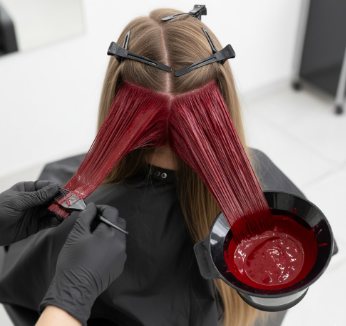
Sectioning hair into four or more quadrants ensures systematic application that covers every strand. Start at the back of the head where hair is typically coarsest and most resistant, moving toward the front where hair processes more quickly. This strategic approach produces even colour development across all sections.
Applying dye from roots to ends on virgin hair deposits colour evenly throughout the length. For previously coloured hair, apply to mid-lengths and ends first, adding to roots during the final ten minutes of processing to prevent hot roots. This adjustment compensates for the faster processing at the scalp due to body heat.
Saturating hair thoroughly with dye ensures complete coverage and prevents patchy colour. Don’t skimp on product; sparse application leads to uneven results and wasted effort. Combing through sections with a wide-tooth comb distributes colour evenly and prevents pooling in some areas while others remain undercoated.
Root Touch-Ups vs. Full Head Application
Touching up roots every four to six weeks maintains colour without subjecting all hair to repeated chemical processing. Apply dye only to new growth, carefully avoiding overlap onto previously coloured hair. This targeted approach minimizes damage while keeping colour looking fresh and seamless.
Full head applications become necessary when overall colour has faded significantly or when changing shades. Processing the entire length refreshes vibrancy and ensures consistent colour from roots to ends. Limiting full applications to every third or fourth colouring session balances colour maintenance with hair health preservation.
Blending root touch-ups into existing colour requires careful timing and application technique. Process roots for most of the recommended time, then pull colour through to ends using wet hands or a damp comb for the final five minutes. This brief refresh revives mid-length and end colour without over-processing.
Essential Aftercare and Maintenance Tips
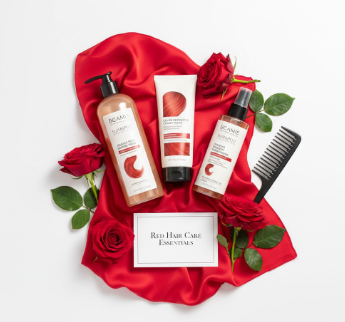
The Importance of Sulfate-Free Shampoos
Sulfates, the harsh detergents in many shampoos, strip colour molecules from hair with each wash, dramatically shortening red dye longevity. Switching to sulfate-free formulas preserves colour while still effectively cleansing hair and scalp. The gentler cleaning action extends time between colour applications and maintains vibrancy.
Shampoos specifically formulated for colour-treated hair contain ingredients that seal the cuticle and lock in pigment. These specialized products often include UV filters that protect against sun-induced fading, particularly important for reds which are especially photosensitive. Investing in quality aftercare products proves more economical than frequent recolouring.
Reducing washing frequency to two or three times weekly significantly extends colour life. Red dye fades with every shampoo, so minimizing washes directly correlates with longer-lasting vibrancy. Dry shampoo between washes absorbs oil and refreshes hair without colour loss, making it an essential tool for maintaining red hair.
Why You Should Wash with Cool Water
Hot water opens the hair cuticle, allowing colour molecules to escape during washing. Cool or lukewarm water rinses hair effectively while keeping the cuticle sealed, trapping colour inside. This simple temperature adjustment can add weeks to colour longevity without requiring any product purchases or complicated routines.
Finishing showers with a cool water rinse provides the additional benefit of enhanced shine. The cold water smooths the cuticle layer, creating a reflective surface that catches light beautifully. The momentary discomfort of cool water rewards users with glossier, more vibrant-looking hair.
Temperature control extends beyond washing to styling practices. Heat styling tools should be used on moderate settings with heat protectant products that shield both hair structure and colour from thermal damage. High heat accelerates fading while damaging hair, making lower temperature styling a worthwhile adjustment.
Using Colour-Depositing Masks and Conditioners
Colour-depositing treatments refresh red tones between full dye applications, extending vibrancy and postponing the need for chemical processing. These products deposit small amounts of pigment while conditioning, gradually building colour with each use. Weekly application maintains rich red tones that might otherwise fade to dull copper or pink.
Deep conditioning masks formulated for red hair often contain red pigments alongside nourishing ingredients that improve hair health. This dual-action approach addresses both colour maintenance and hair condition in one treatment. Leaving masks on for extended periods allows maximum conditioning benefit and colour deposit.
Alternating between clear deep conditioners and colour-depositing treatments balances colour maintenance with pure conditioning benefits. This rotation prevents pigment buildup that can darken colour over time while ensuring hair receives adequate moisture and protein. Finding the right balance depends on how quickly individual hair fades and its conditioning needs. Much like maintaining the vibrancy of coloured hair requires specific care regimens similar to those used for 4c hair and its unique moisture needs, red hair demands attention to both colour and condition.
Heat Styling Precautions for Redheads
Always applying heat protectant before using hot tools creates a barrier between hair and damaging temperatures. These products contain silicones and polymers that shield hair while distributing heat more evenly, preventing hot spots that cause damage and colour degradation. Never skip this step, even when in a hurry.
Reducing styling tool temperatures to the minimum effective setting preserves both hair health and colour integrity. Modern tools heat to temperatures far exceeding what’s necessary for most hair types. Fine or damaged hair rarely requires heat above 150°C, while thick, coarse hair typically responds well to 175-190°C rather than maximum settings.
Limiting heat styling frequency allows hair to recover between thermal stress events. Embracing natural texture several days per week or using heatless styling methods reduces cumulative damage. When heat styling is necessary, working with slightly damp hair using a blow dryer often proves less damaging than applying flat irons or curlers to bone-dry hair.
Common Buyer Concerns and Solutions
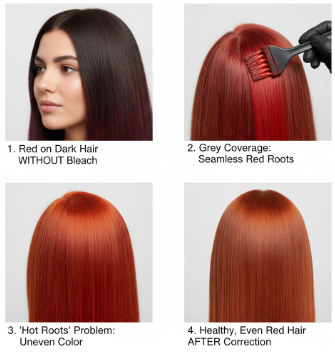
Can You Dye Dark Hair Red Without Bleach?
Achieving visible red colour on dark hair without bleaching is possible using specific formulas designed for dark bases. Deep burgundy, mahogany, and dark auburn shades show up on brown and black hair by depositing intense pigment that modifies rather than replaces existing colour. The results appear as rich, dimensional tones rather than bright, vivid red.
Realistic expectations prove essential when colouring dark hair without pre-lightening. The final result will be several shades darker than the box or swatch image, showing true colour only in direct light. Indoor or ambient lighting typically reveals subtle warmth and dimension rather than obvious red, which satisfies many users seeking sophisticated rather than dramatic colour.
Multiple applications may be necessary to build satisfying colour intensity on very dark hair. The first application creates a base of red pigment, with subsequent treatments adding depth and vibrancy. Spacing applications two to four weeks apart allows assessment of colour development while preventing excessive chemical processing.
How to Cover Grey Hair with Red Dye
Permanent red dyes provide the most reliable grey coverage, with formulas specifically indicating their grey-covering capabilities on packaging. Dyes labeled as providing 100% grey coverage use higher pigment concentrations and more effective penetration, ensuring grey hairs accept colour as fully as pigmented strands. These formulas should be the first choice for anyone dealing with significant grey.
Grey hair’s resistant texture sometimes requires longer processing times or pre-softening treatments for optimal colour acceptance. Applying a small amount of dye to grey areas five to ten minutes before full application gives resistant hairs a head start. This technique ensures even colour development across grey and pigmented hair.
Warm red shades tend to provide better grey coverage than cool tones, as the warm pigments more effectively mask the yellow undertones common in grey hair. Auburn and copper-based reds produce more natural-looking grey coverage than burgundy or plum shades, which may appear patchy on grey hair without proper technique.
Removing or Changing Red Hair Dye Safely
Red pigment’s notorious difficulty to remove requires patience and often professional assistance for complete colour correction. Colour removers designed specifically for red tones break down artificial pigment without bleaching natural colour, shrinking red molecules so they can be washed away. Multiple applications may be necessary for complete removal, with treatments spaced to minimize hair damage.
Professional colour correction provides the safest route for dramatic changes from red to drastically different colours. Attempting to go from red to blonde or light brown at home frequently results in uneven, orange tones requiring expensive correction. The investment in professional services often costs less than the products and additional corrections required for DIY attempts gone wrong.
Transitioning gradually from red to different colours proves less damaging and more forgiving than single-process changes. Letting red fade naturally while gradually introducing new tones creates a transitional period that’s less shocking than sudden change. This approach allows assessment of new colours while minimizing chemical damage from aggressive stripping processes.
Dealing with Orange Roots (Hot Roots)
Hot roots occur when colour processes too quickly at the scalp due to body heat, resulting in brighter, more orange roots than the rest of the hair. Preventing this issue requires applying dye to roots last or using lower-volume developer at the scalp area. Professional colourists routinely adjust formulas and application timing to account for heat-accelerated processing.
Correcting existing hot roots requires toning with ash or cool-toned colours that neutralize unwanted warmth. Blue or purple-based toners counteract orange, pulling roots closer to the desired red shade. This correction should be performed carefully, as over-toning creates muddy, dull colour that requires additional correction.
Maintaining even colour during root touch-ups prevents hot roots from recurring. Applying colour to roots, waiting for processing to begin, then pulling through to ends creates more even colour development. Monitoring root colour carefully and rinsing when it matches the rest of the hair prevents over-processing that leads to hot roots.
Conclusion
Red hair dye offers transformative possibilities for those ready to embrace bold, beautiful colour. From subtle auburn enhancements to vibrant cherry reds, the spectrum of available shades ensures options for every skin tone, personality, and lifestyle. Understanding the unique properties of red pigments, from their larger molecular size to their tendency toward faster fading, empowers users to set realistic expectations and establish effective maintenance routines that preserve vibrancy.
Selecting the right formula, shade, and brand requires consideration of multiple factors including current hair colour, desired longevity, and commitment level. The UK market offers extensive options ranging from budget-friendly drugstore brands to premium professional formulas, each with distinct advantages. Investing time in research and preparation pays dividends in achieving salon-quality results that turn heads and boost confidence.
Proper application technique and dedicated aftercare separate disappointing colour experiences from stunning, long-lasting results. Following preparation protocols, using sulfate-free products, washing with cool water, and incorporating colour-depositing treatments extends the life of red hair dye significantly. These practices minimize the frequency of chemical processing while maintaining the vibrant, dimensional colour that makes red hair so captivating.
Whether you’re drawn to the natural warmth of auburn, the sophistication of burgundy, or the boldness of fire engine red, achieving and maintaining your ideal shade is entirely possible with the right knowledge and products. This comprehensive guide equips you with the expertise needed to navigate the world of red hair dye confidently, making informed decisions that result in beautiful colour and healthy hair.
Frequently Asked Questions About Red Hair Dye
Does red hair dye fade faster than other colours?
Yes, red hair dye typically fades faster than most other colours due to the larger size of red pigment molecules. These larger molecules sit primarily on the hair’s outer cuticle layer rather than penetrating deeply into the cortex, making them more susceptible to washing out with each shampoo.
The rate of fading depends on several factors including the formula type, hair porosity, and aftercare practices. Using sulfate-free shampoos, washing with cool water, and minimizing washing frequency significantly extends red colour vibrancy. Colour-depositing treatments applied weekly help refresh tones between full dye applications, counteracting the natural fading process.
What is the best red hair dye for covering grey hair?
Permanent red hair dyes specifically formulated for grey coverage provide the most reliable results, with many brands offering formulas that cover up to 100% of grey hair. Look for products explicitly stating grey coverage capabilities on the packaging, as these contain higher pigment concentrations designed to penetrate resistant grey hair.
Warm red shades like auburn and copper typically cover grey more effectively than cool burgundy or plum tones. The warm pigments better mask the yellow undertones present in grey hair, creating more natural-looking, even coverage. For stubborn grey, pre-softening treatments or slightly longer processing times improve colour acceptance and longevity.
Can I put red dye over brown hair?
Yes, you can apply red dye over brown hair, though the results will be darker and more subtle than on lighter hair. Deep burgundy, mahogany, and dark auburn shades are specifically formulated to show up on brown hair without pre-lightening, creating rich dimensional colour with red undertones.
Light to medium brown hair accepts red dye well, producing noticeable colour change that shows true red tones in bright light. Very dark brown or black hair will show minimal colour change without bleaching, displaying red tints primarily in direct sunlight. For vibrant, bright red on dark brown hair, pre-lightening is necessary to remove enough natural pigment for true colour deposit.
How often should I refresh my red hair colour?
Root touch-ups typically become necessary every four to six weeks as new growth appears, though this timing varies based on natural hair colour contrast and personal preference. Full-length colour refresh should occur every eight to twelve weeks to maintain vibrancy, though using colour-depositing treatments between applications can extend this timeline.
Factors affecting refresh frequency include the formula type used, fading rate, and desired colour intensity. Semi-permanent reds require more frequent reapplication than permanent formulas, often needing refresh every three to four weeks. Using colour-depositing conditioners weekly and limiting washing frequency can extend time between full colour applications significantly.
Is permanent red hair dye damaging to hair?
Permanent red hair dye does involve chemical processing that can impact hair health, but modern formulations minimize damage through inclusion of conditioning ingredients and gentler chemical alternatives. The degree of damage depends on starting hair condition, application technique, and aftercare practices.
Hair already weakened by previous chemical treatments, heat styling, or environmental damage will be more susceptible to additional stress from permanent dye. Using products with added proteins, oils, and conditioning agents helps protect hair during colouring. Following up with deep conditioning treatments and gentle handling preserves hair health while enjoying vibrant red colour. Ammonia-free formulas offer gentler alternatives for those with sensitive scalps or concerns about chemical exposure.
How do I stop my red hair dye from bleeding in the shower?
Washing red hair with cool water instead of hot significantly reduces colour bleeding, as cool water keeps the hair cuticle sealed and traps colour molecules inside. Sulfate-free shampoos also minimize bleeding by cleaning gently without stripping colour aggressively from the hair shaft.
Initial colour bleeding is normal during the first few washes after application as excess surface pigment rinses away. This bleeding should decrease substantially after three to four washes. If significant bleeding continues beyond the first week, the hair may be overly porous and releasing colour too quickly. Using a leave-in treatment or colour-sealing product after washing helps lock in pigment and reduce ongoing colour loss. Reducing washing frequency to two or three times weekly also minimizes the opportunities for colour to bleed out.