 Dave King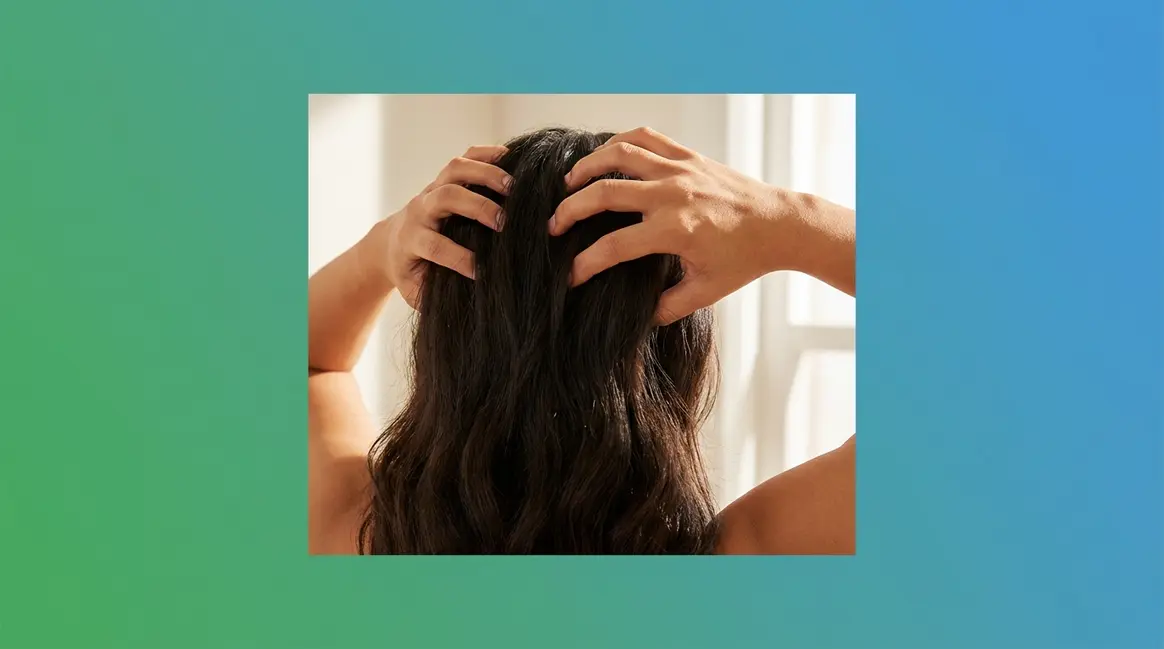
⚠️ Medical Disclaimer: This article is for informational purposes only and does not constitute medical advice. Scalp massage is not a cure for medical hair loss conditions such as alopecia areata or androgenetic alopecia (hormone-related hair loss). If you are experiencing significant or sudden hair loss, please consult a board-certified dermatologist or trichologist.
Medically Reviewed by a Board-Certified Trichologist, 2026
To do a scalp massage for hair growth, use your fingertip pads to apply gentle circular pressure across your entire scalp. The process involves 5 techniques and takes just 4 to 5 minutes daily. Research suggests consistent practice over 3 to 6 months can help stimulate dormant follicles and support thicker, healthier hair growth.
You’ve heard that massaging your scalp can help your hair grow — but you’ve also heard that doing it wrong can cause more hair to fall out. That fear is real, and it’s exactly why most people either quit too soon or never start at all.
Most guides tell you to “just rub your scalp in circles.” They don’t tell you where, how hard, for how long, or which of the five distinct techniques actually targets dormant roots. Every day without the right approach is a day your follicles stay in a suboptimal environment. Fragile hair and scalp tension deserve better than vague advice.
In this guide, you’ll learn the 5 evidence-backed scalp massage techniques, the exact duration and frequency, the best oils to amplify results, and what a realistic results timeline looks like — so you can build a consistent routine that actually works. You’ll move through the science, the techniques, the tools, the oils, and the results — step by step.
Scalp massage for hair growth works by increasing blood flow to dormant follicles — a 2019 PubMed survey found 69% of daily practitioners reported stabilized hair loss or new growth (PubMed, 2019).
- It takes consistency: 4–5 minutes daily for 3–6 months before visible results typically appear
- Technique matters: Wrong pressure or using fingernails can cause breakage — use fingertip pads only
- The Follicular Environment Framework: Massage prepares the scalp “soil”; it doesn’t grow hair directly — it creates the conditions where follicles can thrive
- Oils amplify results: Rosemary oil performed as well as 2% minoxidil in a 2015 clinical trial
What You’ll Need Before You Start
Before your first session, good news: you probably already have everything you need. Here’s a quick checklist to get you ready for scalp massage for hair growth without buying a single thing.
- Your hands: Use your fingertip pads — never your fingernails. Nails scratch the scalp and can cause micro-damage that leads to breakage.
- A clean scalp: Start with a dry or damp scalp. Avoid massaging through heavy styling products or product buildup, which can block follicle openings.
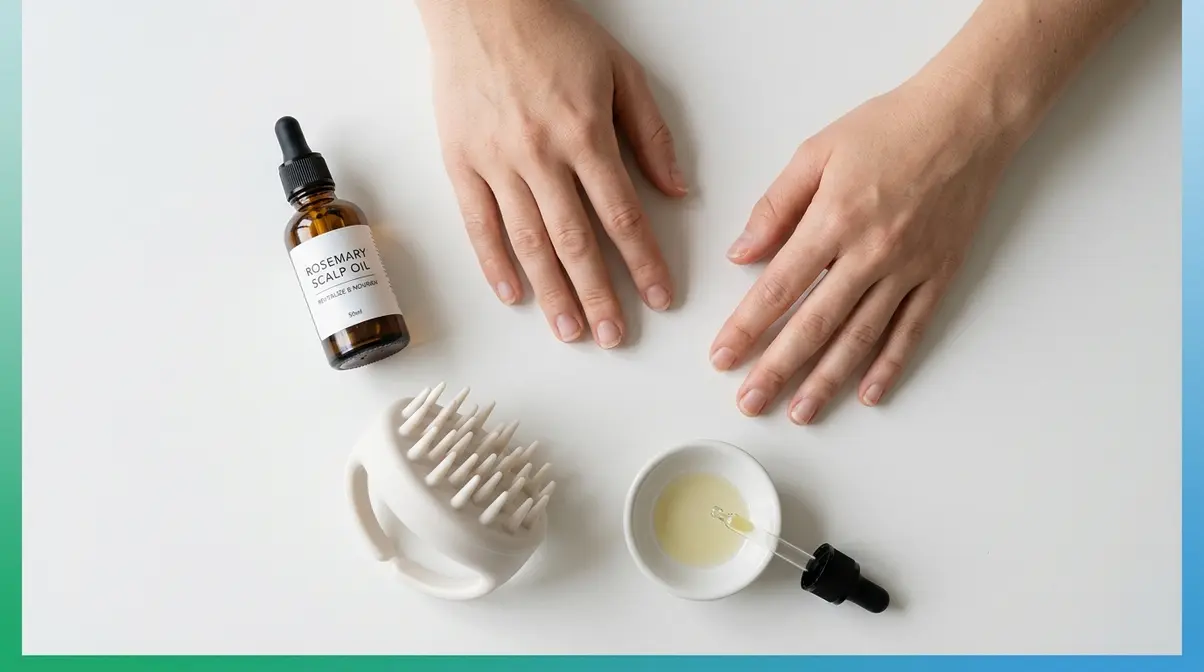
- Optional — a silicone scalp brush or electric massager: These tools can deepen stimulation. (Covered in full detail in Step 4.)
- Optional — a hair growth oil like rosemary or coconut oil: Oils aren’t required, but they amplify results significantly. (Covered in Step 5.)
- Time: Just 4–5 minutes per session. That’s less time than it takes to brew a cup of tea.
- Mindset: Consistency over intensity. Gentle daily practice beats one aggressive weekly session every time.
You don’t need any special equipment to start. Your hands are the most effective tool you have.
Step 1: Understand Why Scalp Massage Stimulates Hair Growth
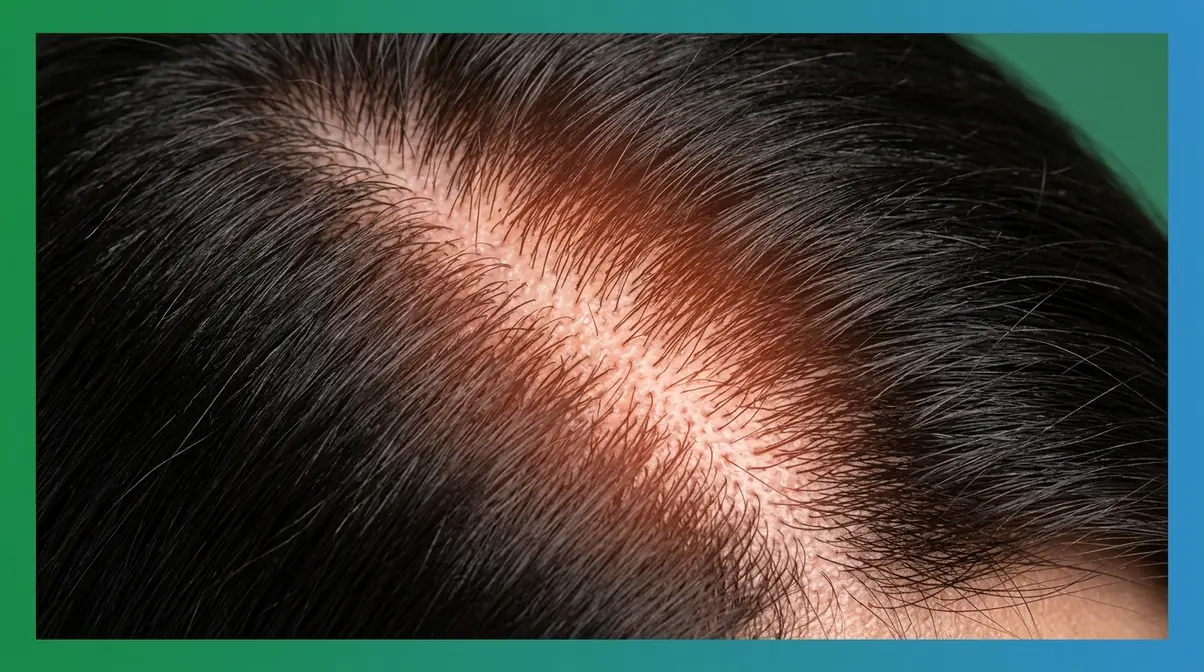
Yes, scalp massage can support hair growth — and the science explains exactly why. The key mechanism is increased blood circulation to the scalp. More blood flow means more oxygen and nutrients reach your hair follicles, giving dormant roots the resources they need to activate.
The Biological Mechanism: Blood Flow and Follicle Stretching
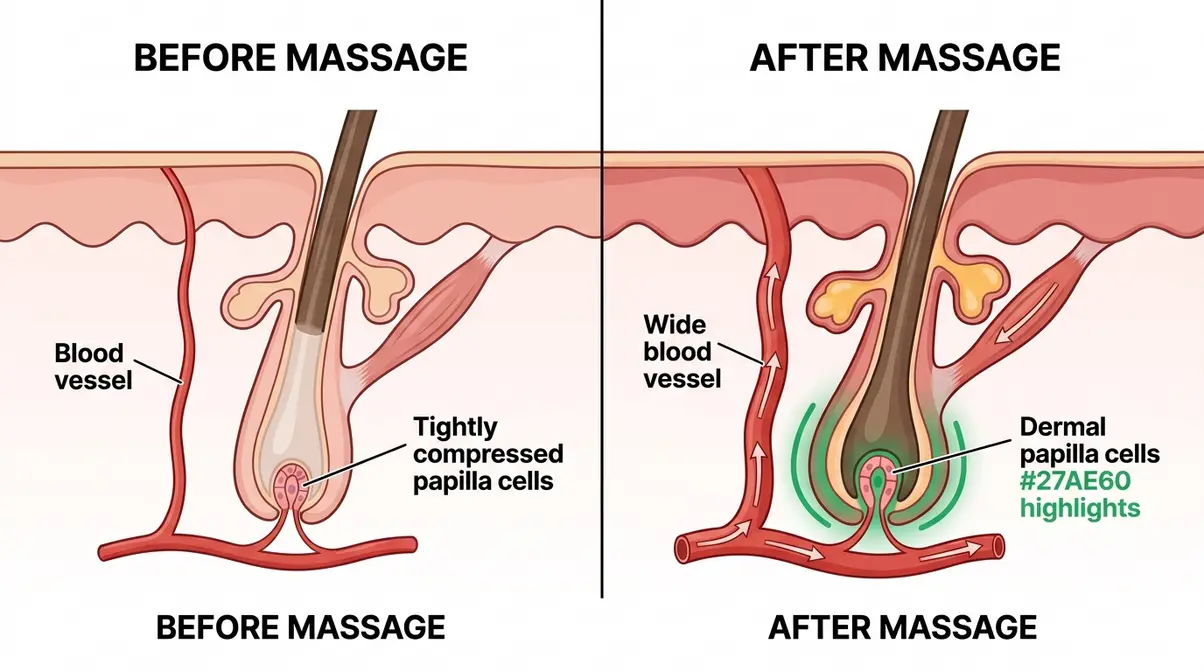
Your scalp contains thousands of hair follicles (the tiny pockets in your skin where each strand of hair grows). When circulation to those follicles is poor, they can enter a resting or dormant state — not because they’re damaged, but because they’re under-resourced.
Scalp massage addresses this in two distinct ways.
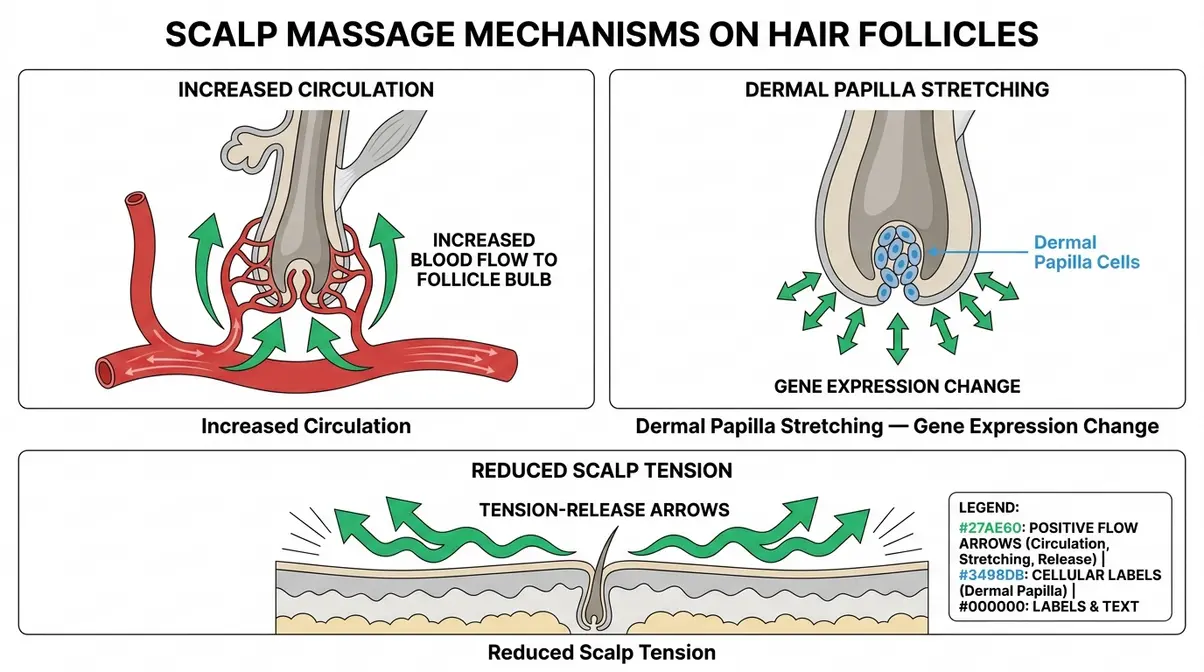
First, it boosts blood flow. Think of your hair follicles like plants. The scalp is the soil. Better circulation means better-fed roots. When you apply pressure with your fingertips, you temporarily increase blood flow to the scalp surface — delivering more oxygen, more nutrients, and more growth-supporting compounds directly to your follicle beds.
Second, it physically stretches the dermal papilla cells — the tiny cells at the base of each hair follicle that control hair growth. A 2016 study published in PMC found that this mechanical stretching can trigger gene expression changes that promote thicker hair strands (PMC, 2016). This means massage isn’t just improving circulation — it’s potentially changing how your follicles behave at a cellular level.
Third, it relieves scalp tension. Tight scalp tension can restrict blood vessels and limit nutrient delivery to follicles. Massage “mobilizes the skin,” releasing this tension and allowing better flow throughout the scalp. Many people are surprised to discover just how much tension they’ve been carrying.
What the Research Actually Shows
Scientists studying hair loss have found something genuinely encouraging about scalp massage. A landmark 2016 study published in PMC had participants perform standardized scalp massages for 24 weeks. Researchers observed increased hair thickness — attributed directly to the mechanical stimulation of dermal papilla cells changing gene expression patterns related to hair growth (PMC, 2016).
A 2019 PubMed survey of 340 participants found that 69% of those who practiced daily scalp massage for 11–20 minutes reported stabilization of hair loss or new hair growth (PubMed, 2019) — this is the single most-cited community-level evidence for scalp massage efficacy.
Johns Hopkins Medicine notes that stimulating hair follicles and reducing scalp inflammation are key components in managing certain types of hair loss — reinforcing why the scalp environment, not just individual treatments, matters so much.
This is the foundation of The Follicular Environment Framework: scalp massage doesn’t grow hair directly. Instead, it creates the optimal scalp conditions — improved blood flow, reduced tension, cleared buildup, nourished follicles — in which dormant follicles can do what they’re designed to do. The shift in thinking is powerful. Instead of asking “will this grow my hair?”, ask “am I giving my follicles the best possible environment?” That question is both more accurate and more empowering.
To explore the proven benefits of scalp massage and the full body of evidence behind this approach, the research is more robust than most people expect.
Step 2: Master the 5 Core Scalp Massage Techniques
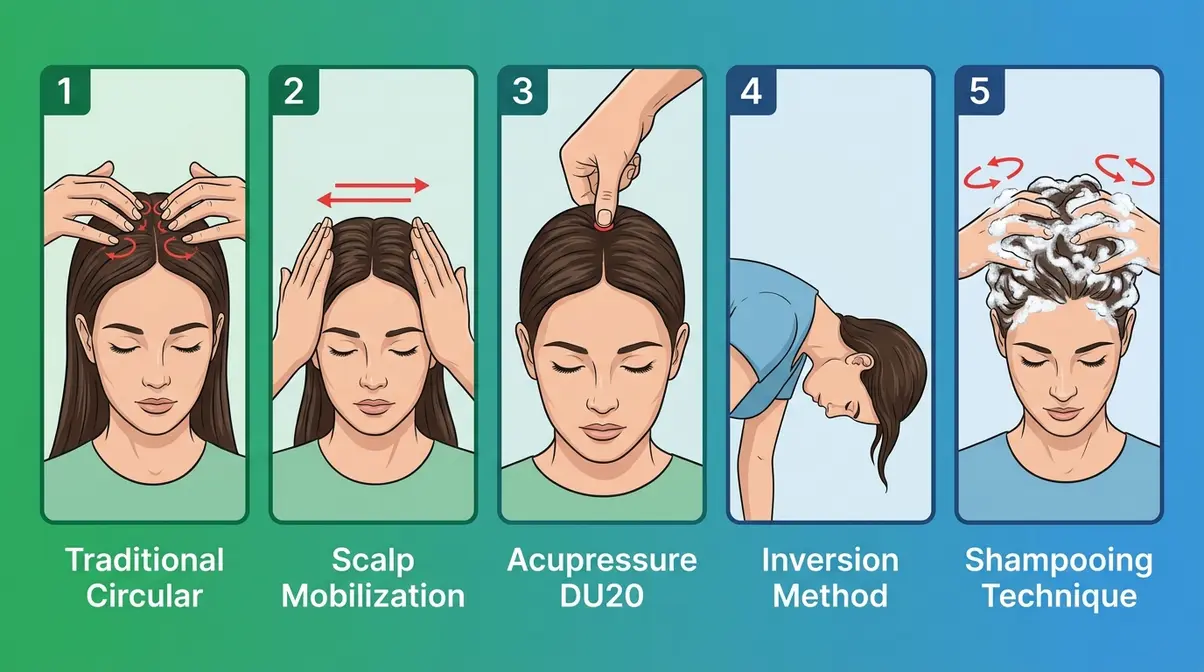
Knowing that scalp massage works is one thing. Knowing how to do it correctly is what separates results from frustration. Here are the 5 distinct techniques — each targeting the scalp differently.
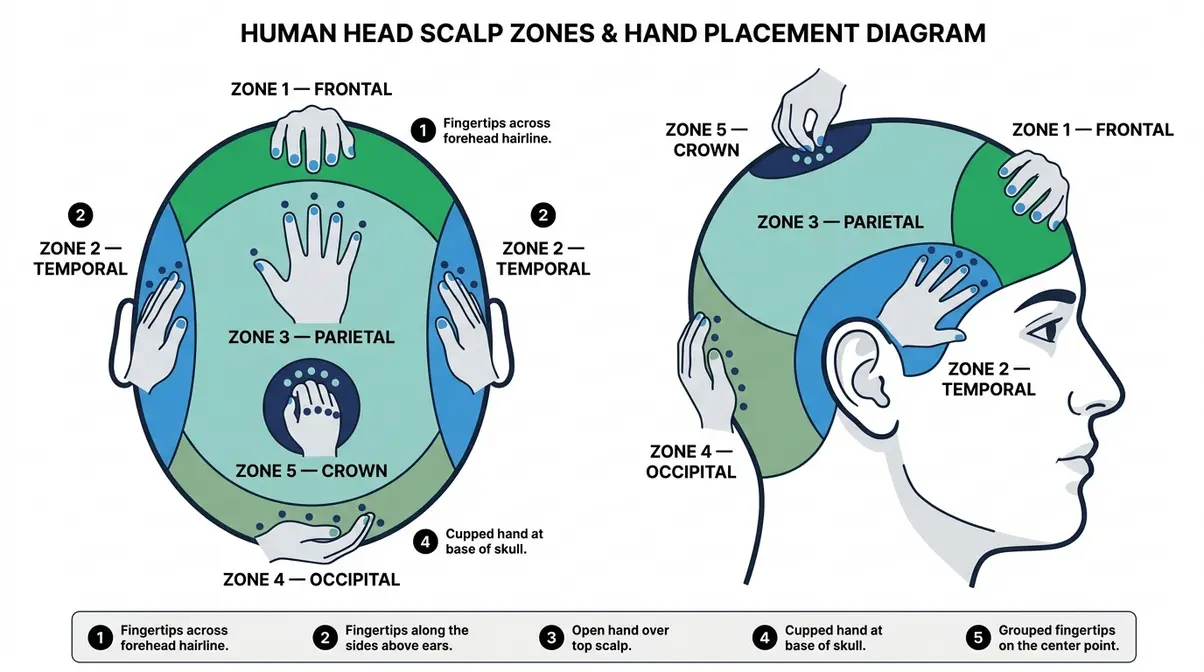
Technique 1 — Traditional Fingertip Circular Massage
This is the foundation technique. It’s where every beginner should start.
- How to do it:
- Place all ten fingertip pads on your scalp — spread them evenly from your hairline to the crown.
- Apply gentle, firm pressure. You’re aiming for the feeling of a firm handshake — not a light tickle, not a painful press.
- Move your fingers in small circular motions, about the size of a coin.
- Work across five zones: frontal (hairline), temporal (sides), parietal (top), occipital (back), and crown.
- Spend approximately 30 seconds per zone.
Why this matters: The circular motion increases localized blood flow and gently mobilizes the skin across the entire scalp. This is the technique used in most clinical studies on scalp massage.
Checkpoint: Your scalp should feel warm and slightly tingly after 4–5 minutes. If you feel scratching, you’re using your nails — switch to pads.
Technique 2 — Back-and-Forth Scalp Mobilization
Where the circular technique stimulates circulation, this technique specifically targets scalp tension — the tightness that restricts blood vessels.
- How to do it:
- Place both hands flat on either side of your head, fingers pointing upward.
- Press firmly inward (not downward) so you feel the scalp skin move slightly.
- Push the scalp forward and backward in a slow, deliberate rocking motion — about 1 inch of movement.
- Work from the sides to the back, then the front to the crown.
Why this matters: This technique directly mobilizes the skin, releasing the fascial tension (the connective tissue layer beneath the scalp) that many people accumulate from stress, tight hairstyles, or poor posture. Reduced tension means better blood vessel function.
Technique 3 — Acupressure Point Stimulation
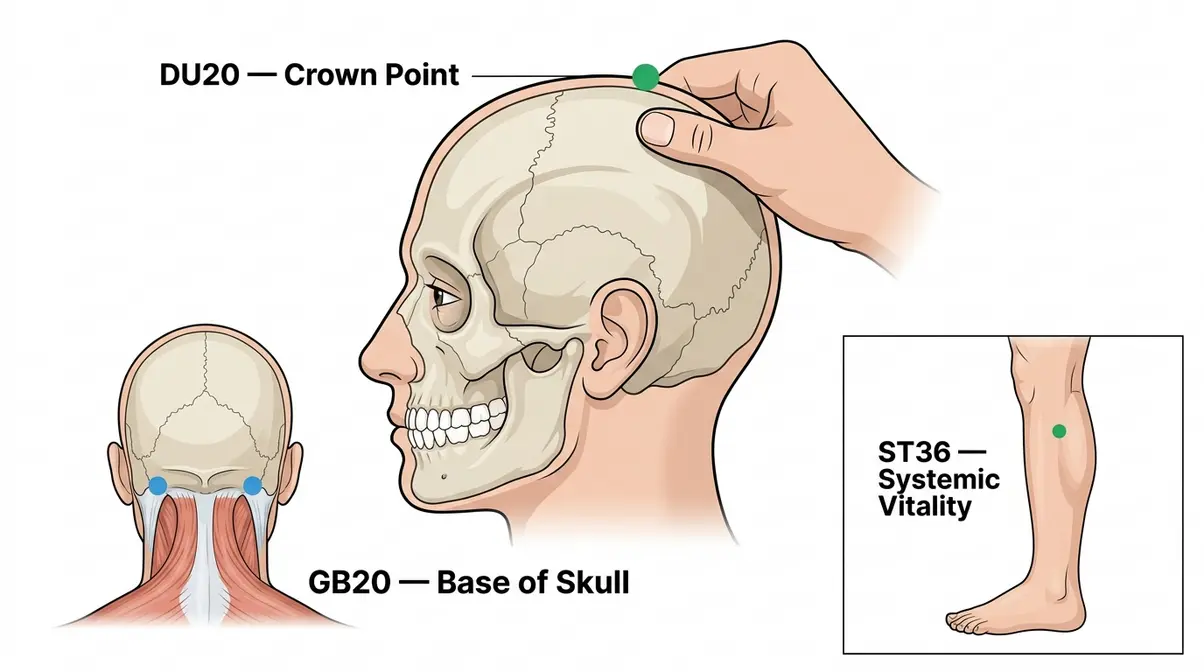
Acupressure uses targeted pressure on specific points linked to scalp circulation and follicle stimulation. The key points for hair growth are:
- DU20 (Baihui): At the very top of the skull, in line with the tips of your ears. Apply firm thumb pressure for 30 seconds.
- GB20 (Fengchi): At the base of the skull, in the two hollows on either side of your spine. Apply circular pressure for 30 seconds per side.
- ST36: Located on the lower leg, below the kneecap — a systemic vitality point sometimes used in traditional practice alongside scalp work.
Why this matters: Traditional Chinese medicine has used these points for centuries to support scalp circulation. While large-scale clinical trials are limited, Healthline’s review of scalp massage research notes that acupressure-style pressure at the scalp can enhance local blood flow similarly to standard massage techniques.
Checkpoint: You should feel a mild, satisfying pressure — not sharp pain. If a point feels very tender, use lighter pressure and work up gradually.
Technique 4 — The Inversion Method
The inversion method involves tilting your head below your heart level while massaging. The idea is that gravity temporarily increases blood flow to the scalp.
- How to do it:
- Sit on the edge of a bed or chair.
- Lean forward so your head hangs below heart level — you can rest your elbows on your knees.
- Apply your standard circular fingertip massage for 3–4 minutes in this position.
- Sit up slowly. Don’t stand up immediately — take 15–20 seconds to reorient.
Why this matters: Gravity assists blood flow toward the head during inversion. However, this technique is not recommended if you have high blood pressure, vertigo, acid reflux, or glaucoma. Evidence for inversion specifically is anecdotal rather than clinical — use it as a complement to other techniques, not as a primary method.
Safety note: If you feel dizzy or lightheaded, sit upright immediately and discontinue.
Technique 5 — Scalp Massage During Shampooing
This is the most beginner-friendly technique because it requires zero extra time. You’re already washing your hair — this simply makes it more effective.
- How to do it:
- Apply shampoo as normal.
- Instead of scrubbing quickly, slow down and use your fingertip pads in small circular motions.
- Work from the hairline backward to the nape of your neck.
- Spend at least 60 seconds in active massage before rinsing.
Why this matters: The combination of water, shampoo lather, and fingertip pressure simultaneously cleanses product buildup from follicle openings while stimulating circulation. For beginners, this is the easiest way to build the habit without adding time to your day.
Step 3: Set Your Frequency and Duration Schedule
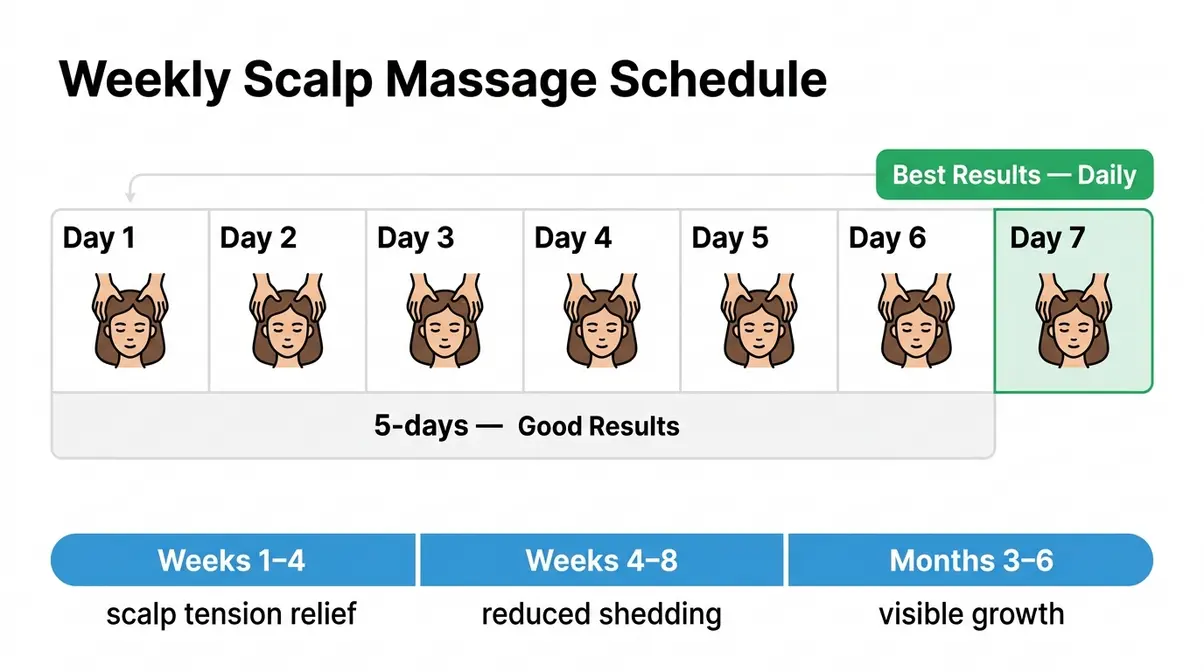
Knowing the techniques is step one. Knowing exactly how long and how often is what makes them work. This is where most people go wrong — either doing too little to see results, or overdoing it and causing scalp irritation.
How Long Should Each Session Last?
The most well-evidenced duration comes from the 2019 PubMed survey: participants who reported stabilized hair loss or new growth practiced for 11–20 minutes daily (PubMed, 2019). However, that’s an upper range — not a starting requirement.
For beginners, 4–5 minutes per session is the practical sweet spot. Here’s why:
- 4–5 minutes is enough to complete all five scalp zones with the circular technique.
- It’s short enough to maintain daily without feeling like a burden.
- It creates the habit first — you can extend duration once consistency is established.
Work up to 10 minutes over 4–6 weeks if you want to move toward the higher-efficacy range. The key insight is that daily short sessions outperform occasional long ones for building follicle-level change.
How Often Should You Massage Your Scalp?
Daily massage produces the best results — this is the consistent finding across both clinical studies and user surveys. The 2019 PubMed survey specifically tracked daily practitioners, and it’s daily practice that drives the 69% positive outcome rate.
That said, if daily feels unmanageable, 5 days per week is a reasonable minimum. Aim for this schedule:
| Frequency | Expected Outcome |
|---|---|
| Daily (7x/week) | Best results — matches clinical study protocols |
| 5x per week | Good results — sufficient for consistent follicle stimulation |
| 3x per week | Moderate results — better than nothing, but slower progress |
| Weekly or less | Minimal evidence of benefit |
Consistency over months matters far more than perfection in any single week.
The Best Time of Day to Massage
No clinical evidence definitively proves one time of day is superior. However, user consensus from professional hair communities points to two optimal windows:
- Morning: Boosts circulation before your day starts. Pairs naturally with your shower routine (Technique 5). Helps establish a consistent habit anchor.
- Evening (before bed): Allows any applied oil (Step 5) to absorb overnight without being washed away. Many users report the relaxation benefit helps with sleep quality — an added bonus, since stress is a known contributor to hair loss.
Avoid massaging immediately after aggressive heat styling — your scalp is more sensitive post-heat, and vigorous pressure can increase inflammation.
Step 4: Choose the Right Scalp Massage Tool
Your fingertips are genuinely sufficient. But the right tool can deepen the stimulation, make the process more enjoyable, and help you reach areas that are harder to work manually.
Silicone Scalp Brushes — Best for Beginners
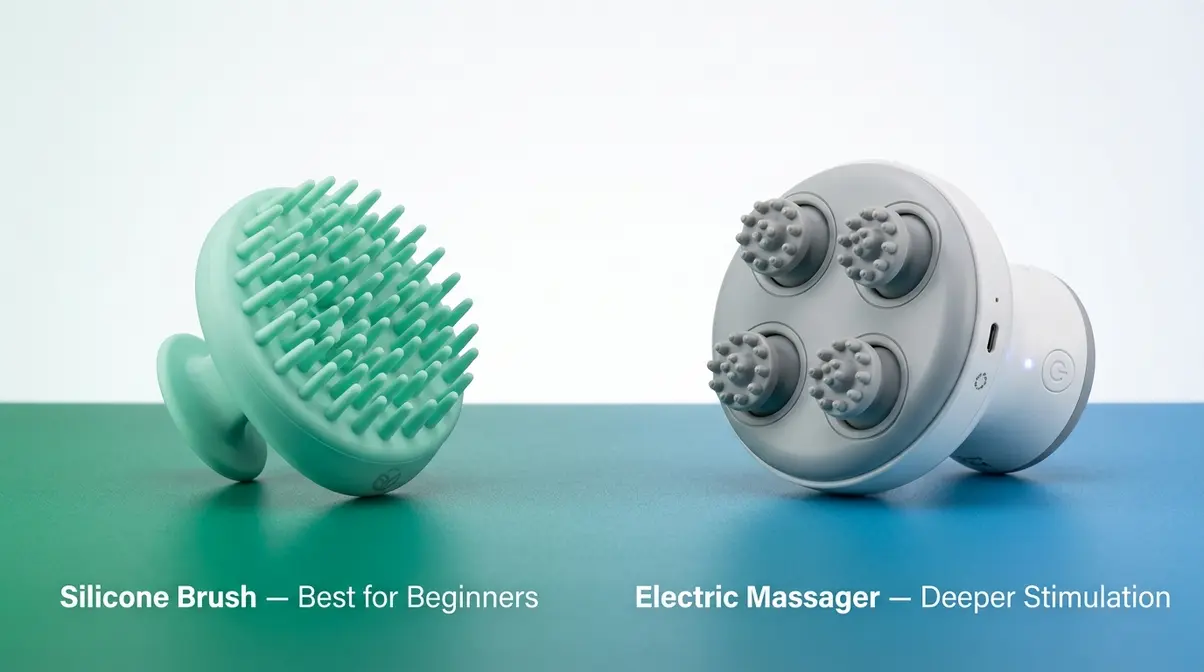
Silicone scalp brushes (sometimes called “shower scrubbers”) have soft, flexible bristles that distribute pressure evenly across the scalp. They’re the safest starting tool for anyone with fragile hair or a sensitive scalp.
- Why silicone works well:
- The rounded tips can’t scratch or abrade the scalp the way plastic bristles can.
- They create consistent, even pressure — harder to do with bare hands alone.
- They work beautifully with Technique 5 (shampooing massage) because they lather shampoo effectively.
- Most cost under $15 and are widely available.
Best for: Beginners, people with fine or fragile hair, anyone who wants a simple entry point without a learning curve.
Electric Scalp Massagers — For Deeper Stimulation
Electric scalp massagers use oscillating or rotating heads to deliver consistent mechanical stimulation. More advanced models now include red light therapy (LED) heads, which emit low-level laser light that some research suggests may stimulate follicle activity independently of massage.
- Key features to look for:
- Silicone-tipped nodes (not hard plastic) — gentler on the scalp
- Variable speed settings — start low, increase gradually
- Waterproof design — for use in the shower during Technique 5
- Rechargeable battery — avoids cord management during use
According to NBC News’s evaluation of the best scalp massagers, the most effective electric models combine oscillating movement with scalp-conforming heads that maintain contact across curved surfaces.
Best for: People who want hands-free consistency, those with limited hand mobility, or anyone looking to upgrade after establishing the basic habit.
Manual vs. Electric: A Simple Comparison
| Feature | Manual (Silicone Brush) | Electric Massager |
|---|---|---|
| Cost | $8–$20 | $25–$150+ |
| Ease of use | Very easy | Easy (slight learning curve) |
| Pressure control | Full manual control | Preset speeds |
| Best for | Beginners, fine hair | Established routines, deeper stimulation |
| Travel-friendly | Yes | Sometimes (battery-dependent) |
| Red light option | No | Available on premium models |
Bottom line: Start with a silicone brush or bare hands. Upgrade to electric once you’ve maintained a consistent routine for 4–6 weeks and want to deepen stimulation.
Step 5: Boost Results with Hair Growth Oils

Oils don’t just add slip to the massage — they directly interact with the scalp environment. The right oil, applied correctly, amplifies every mechanism in The Follicular Environment Framework: better circulation, reduced inflammation, cleared follicle openings, and nourished dermal papilla cells.
Rosemary Oil — The Clinical Gold Standard
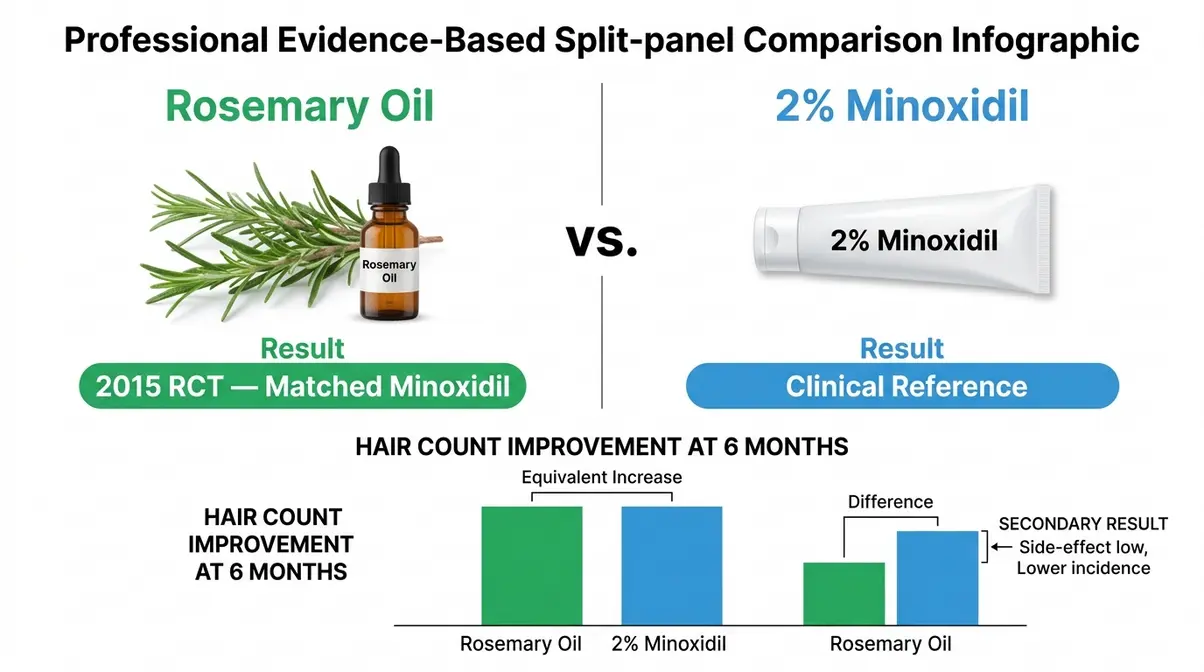
Rosemary oil is the most evidence-backed topical oil for hair growth currently available. A 2015 randomized controlled trial published in SKINmed Journal compared rosemary oil directly against 2% minoxidil (the active ingredient in Rogaine) over 6 months. Both groups showed statistically similar increases in hair count — with rosemary producing significantly less scalp itching than minoxidil (SKINmed, 2015).
The active compound, 1,8-cineole, is believed to improve scalp microcirculation — making it a natural companion to massage-driven blood flow enhancement.
How to use: Dilute 2–3 drops of rosemary essential oil in 1 tablespoon of carrier oil (coconut or jojoba). Apply to the scalp before massage. Do not apply undiluted essential oil directly to the scalp — this can cause irritation.
Quotable finding: Rosemary oil matched 2% minoxidil for hair count improvement in a 6-month clinical trial, with fewer side effects — making it the most clinically validated natural oil option available (SKINmed, 2015).
Coconut Oil, Peppermint Oil, and Castor Oil
Peppermint oil has emerging clinical support. A 2014 animal study published in Toxicological Research found that a 3% peppermint oil solution produced the most significant hair growth among tested solutions — including minoxidil — by increasing dermal thickness and follicle depth (Toxicological Research, 2014). Human trials are limited, but the mechanism (menthol-driven vasodilation, meaning widening of blood vessels) is biologically plausible.
Coconut oil does not directly stimulate hair growth, but it plays a crucial supporting role. A study published in the Journal of Cosmetic Science found that coconut oil penetrates the hair shaft and reduces protein loss — protecting fragile hair from breakage during massage (Journal of Cosmetic Science, 2003). Note: this is older research (2003), but the findings remain consistent with current understanding of coconut oil’s lipid structure.
Castor oil is widely used in the hair growth community, though direct clinical evidence for follicle stimulation is limited. Its primary value is its high ricinoleic acid content, which has anti-inflammatory properties that may reduce scalp inflammation — one of the environmental barriers the Follicular Environment Framework targets.
| Oil | Key Benefit | Evidence Level | Best Used With |
|---|---|---|---|
| Rosemary oil | Microcirculation, matches minoxidil | Strong (RCT, 2015) | Any carrier oil |
| Peppermint oil | Vasodilation, follicle depth | Moderate (animal study, 2014) | Jojoba or fractionated coconut |
| Coconut oil | Reduces protein loss, protects hair shaft | Moderate (2003) | Standalone or as carrier |
| Castor oil | Anti-inflammatory scalp environment | Limited clinical | Mixed with lighter carrier |
How to Apply Oil During Your Scalp Massage
- Warm oil scalp massage protocol:
- Warm your chosen oil mixture by placing the bottle in a bowl of hot water for 2–3 minutes. Warm oil absorbs more readily than cold oil.
- Apply oil to the scalp — not the hair lengths — using a dropper or fingertips. Focus on the five zones from Step 2.
- Begin your massage technique (Technique 1 or 2 work best with oil).
- Leave the oil on for a minimum of 30 minutes. For best results, apply before bed and wash out in the morning.
For oily scalps: Skip overnight oil treatments. Instead, apply a light rosemary-jojoba blend 30 minutes before shampooing, then wash thoroughly. Dry scalp massage (no oil) is also a valid daily option — the mechanical stimulation benefits remain.
For dry scalps: The overnight coconut or castor oil treatment is particularly beneficial. Product buildup on a dry scalp can block follicle openings — the combination of oil and massage addresses both issues simultaneously.
Step 6: Verify Your Results — What to Expect and When
One of the most common reasons people abandon scalp massage is unrealistic expectations. Understanding the realistic timeline prevents early discouragement.
Realistic Timeline for Scalp Massage Results
Hair growth is slow. A single hair follicle grows approximately 0.5 inches (1.25 cm) per month under optimal conditions. Scalp massage doesn’t accelerate this growth rate — it works by activating dormant follicles and improving the quality of existing growth cycles.
Here’s what a realistic timeline looks like:
| Timeframe | What to Expect |
|---|---|
| Weeks 1–4 | Scalp feels less tense; improved product absorption; relaxation benefit |
| Weeks 4–8 | Reduced hair shedding reported by many consistent practitioners |
| Months 3–4 | Some users notice baby hairs or new growth along the hairline |
| Months 4–6 | Visible improvement in hair density and thickness for consistent practitioners |
| 6+ months | Cumulative results most pronounced; this is when the 69% stat applies |
The 2019 PubMed survey participants who reported positive outcomes had practiced for an average of several months — not weeks. Patience and consistency are the non-negotiable variables.
“Will it magically grow 10 inches of hair overnight? No. But a healthier scalp creates a better environment for healthy hair growth, and honestly, it feels like a mini spa session every time I use it.” — Common sentiment across professional hair communities
What Real Users Are Experiencing
Across professional hair communities and user surveys, the consistent feedback on scalp massage includes several patterns worth noting.
- Positive outcomes reported most frequently:
- Reduced daily shedding (often within the first 4–8 weeks of consistent practice)
- Improved scalp texture — less flakiness, less tightness
- New baby hairs along the hairline and temples (typically at the 3–4 month mark)
- Thicker-feeling existing hair strands (consistent with the dermal papilla cell stretching research)
- Common concerns reported by users:
- Initial increase in shedding during the first 1–2 weeks — this is typically the scalp releasing hairs already in the telogen (resting) phase, not new damage
- Frustration with slow results in the first 6–8 weeks — the most common dropout point
- Difficulty maintaining daily consistency without an established habit anchor
The key pattern from community consensus: those who pair daily massage + rosemary oil + consistent shampooing technique report the strongest outcomes. No single element works as powerfully as the combination.
Mistakes to Avoid and When to See a Doctor
Common Scalp Massage Mistakes That Cause Hair Fall
Not all scalp massage is beneficial. These specific mistakes can turn a helpful habit into a harmful one — and they explain the “wrong massage = hair fall” concern you’ve likely heard.
Mistake 1 — Using your fingernails instead of fingertip pads. Nails create micro-abrasions on the scalp surface and can snag hair shafts, causing mechanical breakage. Always use the soft pads of your fingers.
Mistake 2 — Applying too much pressure. More pressure does not mean more results. Aggressive scrubbing can inflame the scalp and damage the hair shaft at the follicle opening. The right pressure feels firm and satisfying — never painful.
Mistake 3 — Massaging tangled or very dry hair without oil. If your hair is prone to tangling, massaging without any slip can cause friction-induced breakage. Apply a light oil or massage on damp hair post-shower.
Mistake 4 — Inconsistent practice (sporadic intense sessions). One 30-minute session per week is less effective than 5 minutes daily. The follicle stimulation benefit requires repeated, consistent activation — not occasional intensity.
Mistake 5 — Massaging over an irritated or inflamed scalp. If you have active scalp conditions — psoriasis, seborrheic dermatitis (dandruff-related inflammation), open sores, or sunburn — massage can worsen inflammation. Wait until the condition resolves, or consult a dermatologist first.
When Scalp Massage Isn’t Enough — Seek Professional Help
Scalp massage is a powerful supportive practice. It is not a medical treatment for clinical hair loss conditions.
- You should consult a board-certified dermatologist or trichologist if you experience:
- Sudden or patchy hair loss — this may indicate alopecia areata (an autoimmune condition) or another medical cause that massage cannot address
- Hair loss accompanied by scalp pain, burning, or visible skin changes — these are signs of inflammatory or infectious conditions
- Significant thinning concentrated at the crown or temples — this pattern often indicates androgenetic alopecia (hormone-related hair loss), which may benefit from medical treatments like finasteride, minoxidil, or PRP therapy alongside massage
- No improvement after 6 months of consistent daily practice — a professional evaluation can identify underlying causes
The NCCIH (National Center for Complementary and Integrative Health) and Mayo Clinic both recommend integrative approaches to hair loss — combining lifestyle interventions like scalp massage with professional medical evaluation when hair loss is significant or progressive. Scalp massage works best as one component of a comprehensive hair health strategy, not as a standalone cure.
Frequently Asked Questions
Does scalp massage really improve hair growth?
Research suggests scalp massage can meaningfully support hair growth under consistent practice. A 2019 PubMed survey of 340 participants found that 69% of daily practitioners reported stabilized hair loss or new hair growth. The mechanism is well-established: massage increases blood circulation to dormant follicles and mechanically stimulates dermal papilla cells — the cells that control hair growth. It is not a guaranteed cure, but the evidence is more robust than most people expect.
How often should you massage your scalp for hair growth?
Daily scalp massage produces the strongest results, based on the protocols used in clinical studies and user surveys. The 2019 PubMed survey specifically tracked participants practicing 11–20 minutes daily. If daily feels unmanageable, 5 sessions per week is a reasonable minimum. Consistency over months matters more than the duration of any single session — 5 minutes every day outperforms 30 minutes once a week.
What are the disadvantages of scalp massage?
The main risks come from incorrect technique, not from massage itself. Using fingernails instead of fingertip pads can cause scalp micro-abrasions and hair breakage. Applying excessive pressure can inflame the scalp. Massaging over an active scalp condition (psoriasis, open sores, dermatitis) can worsen inflammation. Some users experience a brief increase in shedding during the first 1–2 weeks — this is typically existing hairs in the resting phase releasing, not new damage.
What is the pressure point for hair growth?
DU20 (Baihui) is the most commonly referenced acupressure point for scalp circulation — located at the very top of the skull, in line with the tips of your ears. GB20 (Fengchi), at the base of the skull in the two hollows beside the spine, is also used to support scalp blood flow. Apply firm thumb pressure to each point for 30 seconds. These points come from traditional Chinese medicine; clinical evidence is limited, but the pressure technique stimulates local circulation similarly to standard scalp massage.
How do you activate hair follicles on the scalp?
Dormant follicles respond best to a combination of consistent mechanical stimulation and a nourished scalp environment. Daily fingertip circular massage increases blood flow and triggers dermal papilla cell activity. Pairing massage with rosemary oil — which matches 2% minoxidil in clinical trials for hair count — amplifies follicle stimulation. Reducing scalp tension through back-and-forth mobilization (Technique 2) removes a physical barrier to nutrient delivery. Together, these elements form The Follicular Environment Framework: optimizing scalp conditions so follicles can activate naturally.
What are the big 3 for hair regrowth?
The “Big 3” commonly referenced in hair regrowth communities are minoxidil, finasteride, and ketoconazole — all clinically studied interventions for androgenetic alopecia (hormone-related hair loss). Minoxidil improves scalp blood flow, finasteride blocks DHT (the hormone that shrinks follicles), and ketoconazole shampoo reduces scalp inflammation. Scalp massage is not part of the clinical “Big 3,” but it is a well-supported complementary practice that enhances the scalp environment these treatments work within. Always consult a dermatologist before starting any of the Big 3.
How often should you scalp massage your hair?
Daily massage is the evidence-backed target — this is what clinical studies and the 2019 PubMed survey used to produce measurable results. A practical starting point is 4–5 minutes daily, either during your shower using Technique 5 or as a standalone session with oil. You can work up to 10–15 minutes over 4–6 weeks. The most important variable is not how long each session is, but how many consecutive months you maintain the habit. Results typically appear between 3 and 6 months of consistent daily practice.
Build Your Scalp Routine — Starting Tonight
Scalp massage for hair growth works not by forcing hair to grow, but by removing the environmental barriers that keep dormant follicles inactive. Better blood flow, reduced scalp tension, cleared product buildup, and nourished dermal papilla cells — these are the four pillars of the Follicular Environment Framework, and each one is within your control starting today. A 2019 PubMed survey found that 69% of daily practitioners reported stabilized hair loss or new growth — the evidence supports making this a non-negotiable part of your routine.
The Follicular Environment Framework reframes the entire question. You’re not waiting for a miracle — you’re building a better environment for the follicles you already have. Every technique in this guide contributes to that environment: circular massage for circulation, mobilization for tension relief, acupressure for targeted stimulation, rosemary oil for microvascular support. Each element reinforces the others.
Your action for tonight: spend 4 minutes using the traditional fingertip circular technique, working through all five scalp zones. No oil required, no tools needed. If you have rosemary oil, dilute 2 drops in a teaspoon of coconut oil and apply before you begin. Set a 30-day reminder. The follicles are there — give them the environment they need to do their job.

Dave King
Writes evidence-based hair-care guides for Care About Your Hair — for every hair type, jargon-free and independent.