
Table of Contents
- Defining the Low Taper Fade for Curly Hair
- Anatomy of the Cut
- Suitability Analysis Face Shapes and Hair Types
- Top Variations of the Curly Low Taper Fade
- How to Talk to Your Barber
- Styling and Maintenance Routine for Textured Hair
- Home Maintenance vs Barber Visits
- Common Challenges and Solutions
- Future Trends and Predictions
- Frequently Asked Questions
This blog post may contain affiliate links. As an Amazon Associate I earn from qualifying purchases.
The low taper fade has become one of the most requested haircuts in barbershops across America, especially among men with naturally curly or textured hair. This versatile style combines clean, sharp edges along the sides and neckline with voluminous, natural curls on top, creating a balanced look that works equally well in boardrooms and casual settings. Whether you have loose waves, tight spirals, or coily Type 4 hair, understanding how to customize this cut to your unique texture and face shape will help you achieve a polished, modern aesthetic that requires minimal daily styling while maximizing visual impact.
This comprehensive guide covers everything from the technical anatomy of the cut to styling routines, barber communication tips, and troubleshooting common challenges. You’ll learn how to maintain your low taper fade between appointments, which products work best for different curl patterns, and how to adapt trending variations like the curly blowout taper or messy fringe to suit your personal style.
Defining the Low Taper Fade for Curly Hair
The low taper fade curly hair style represents a modern evolution in men’s grooming that celebrates natural texture while maintaining crisp, clean lines. This cut creates visual contrast by gradually reducing hair length from the ears downward, leaving the crown and top area full of volume and definition. The “low” designation refers to where the fade begins—typically just above the ear and extending around the neckline—which preserves more of your natural curl structure than higher fade variations.
Understanding the Aesthetic
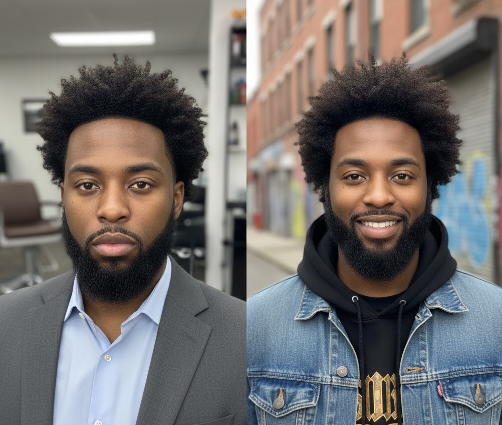
The appeal of the low taper fade lies in its striking contrast between precision-cut edges and organic, textured volume on top. The faded sections showcase barbering skill through smooth gradient transitions, while the curly crown displays your hair’s natural character and movement. This duality makes the style particularly photogenic and visually dynamic from multiple angles.
Current trends in men’s grooming emphasize authenticity and low-maintenance sophistication, which explains why this cut has dominated social media feeds and celebrity hairstyles throughout 2025 and into 2026. Athletes, musicians, and actors with curly hair have popularized various interpretations of the low taper, from the structured elegance of awards show appearances to the relaxed confidence of streetwear campaigns.
The versatility of this haircut cannot be overstated. In professional environments, the clean perimeter conveys attention to detail and grooming standards, while the natural curls on top avoid the rigid formality of slicked-back corporate styles. For casual settings, the same cut reads as effortlessly cool, especially when styled with slightly more texture and movement. This adaptability makes it an economical choice for men who need their hairstyle to transition seamlessly between different social contexts.
Taper vs Fade The Critical Distinction
Understanding the terminology helps ensure you and your barber are on the same page. A traditional taper gradually shortens hair length primarily around the sideburns and neckline, creating a clean outline without necessarily taking the hair down to skin level. The transition is subtle and may use only two or three guard lengths.
A fade, by contrast, involves a more dramatic gradient that typically extends higher up the head and blends from skin or near-skin length at the bottom through progressively longer guards. Fades create more visual contrast and require more frequent maintenance to keep the gradient effect sharp.
The low taper fade combines elements of both techniques. It maintains the conservative starting point of a traditional taper—keeping the transition zone low on the head—while incorporating the fade’s characteristic skin-to-hair gradient. This hybrid approach offers the best of both worlds: maximum curl retention on top with dramatically clean edges that highlight the contrast between bare skin and textured hair.
Why the Low Taper Is Often Preferred for Maintaining Maximum Curl Structure
Curly hair naturally gains volume as it grows longer, and this volume is concentrated in the crown and top sections. By keeping the taper line low, you preserve more length in the areas where your curls look most impressive and three-dimensional. Higher fades can sometimes create an unbalanced “lollipop” effect where the remaining curls sit too high on the head without enough surrounding hair to anchor the silhouette.
The low taper also minimizes the risk of exposing awkward transition zones where your curl pattern might be irregular or less defined. Many men experience looser curls or different textures along the sides and back compared to the crown, and a low fade allows you to work with these variations rather than highlighting them.
Anatomy of the Cut
Understanding the technical components of a low taper fade helps you communicate effectively with your barber and recognize quality craftsmanship. Each section of the cut serves a specific purpose in creating the overall balanced appearance that makes this style so universally flattering.
The Sideburns
The temple area represents one of the most visible and technically challenging parts of a low taper fade. This region must blend the faded perimeter with any facial hair you maintain while creating a smooth gradient that doesn’t appear choppy or uneven. Expert barbers pay particular attention to the “C-cup” area—the curved section where your sideburn meets your ear—ensuring the fade follows your head’s natural contour.
For men with beards or goatees, the sideburn fade creates an opportunity for seamless integration between facial and scalp hair. The barber should establish a consistent guideline that connects your beard line to the temple taper, creating visual continuity. This connection looks particularly sharp when both the beard and the taper receive regular maintenance on the same schedule.
The blending technique in this area typically involves multiple guard lengths or clipper-over-comb methods to create imperceptible transitions. Quality work in the temple zone should show no visible “shelves” or abrupt changes in length—just a smooth gradient from skin tone to your natural curl length.
The Neckline
The nape taper establishes the back profile of your haircut and significantly influences how polished the overall style appears from behind. Three primary neckline finishes exist, each creating a different aesthetic effect and maintenance requirement.
A squared neckline creates sharp horizontal and vertical edges at the corners where your hairline meets the neck. This finish looks distinctly groomed and geometric, emphasizing the craftsmanship involved in the cut. However, it shows regrowth most obviously and typically requires touch-ups every two weeks.
Rounded necklines follow a gentle curve across the nape, creating a softer, more organic transition. This finish tends to grow out more gracefully and works particularly well for men whose natural hairlines are curved rather than straight.
Natural necklines preserve your existing hairline shape with minimal manipulation, simply cleaning up stray hairs and defining the perimeter. This approach requires the least maintenance but may appear less intentionally styled.
Regardless of finish style, the gradient effect remains the defining characteristic of a low taper fade. The shortest length typically starts at the very bottom of the neckline—often using a balding clipper or zero-gapped trimmer—and gradually transitions through progressively longer guards as the barber works upward. This creates the skin-to-hair transition that gives fades their characteristic visual impact.
The Crown and Top
Managing the curly section requires different techniques than cutting the tapered perimeter. The primary goal is distributing volume and weight to complement your face shape while avoiding the dreaded “mushroom” or “triangle” effect that can occur when curly hair is cut improperly.
Expert barbers approach curly tops with a combination of techniques. Point cutting or slide cutting reduces bulk without removing too much length, maintaining the curl’s natural spring pattern. Some stylists use the “twist and snip” method, gently coiling sections of hair and removing weight from the ends to encourage definition.
The connection zone—where the faded perimeter meets the curly top—demands particular attention. This area should blend naturally without creating a visible line of demarcation. Skilled barbers feather this transition zone using texturizing techniques that allow shorter hairs to peek through and connect visually with longer curls above.
Weight distribution on top depends largely on your styling preferences. Leaving more length and bulk in the front creates opportunities for fringe styles or forward movement, while concentrating volume at the crown emphasizes height and draws the eye upward. Your barber should assess your natural growth patterns, head shape, and styling abilities when deciding how to structure the curly section.
Suitability Analysis Face Shapes and Hair Types
Not every haircut flatters every face, but the low taper fade offers remarkable adaptability when customized properly. Understanding how different variations of this cut interact with various face shapes and hair textures allows you to optimize the style for your unique features.
Matching the Cut to Your Face Shape
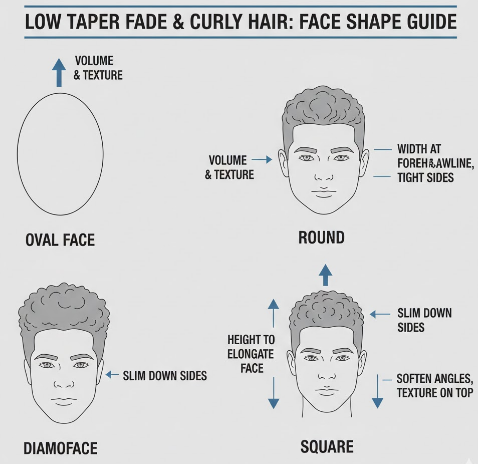
Face shape analysis has become increasingly sophisticated in modern barbering, moving beyond the simplistic “oval is ideal” framework to recognize that strategic styling can enhance any facial structure. The key lies in understanding proportions and using hair placement to create visual balance.
Oval and Diamond Faces
Men with oval faces enjoy the widest range of styling options since this face shape already exhibits balanced proportions. For oval faces, a low taper fade naturally accentuates the gentle curves of the jawline and cheekbones without overwhelming delicate features. You can wear the top section in virtually any style—voluminous and upward-swept, forward-brushed as fringe, or even moderately long and flowing.
Diamond-shaped faces, characterized by wider cheekbones with a narrower forehead and chin, benefit tremendously from the low taper’s clean temple lines. The tight fade through the sideburn area prevents adding unwanted width at the cheekbones, while maintaining volume on top balances the overall proportions. Consider leaving slightly more length in the front sections to add visual width to the forehead, creating harmony with your prominent cheekbones.
Round and Square Faces
Round faces typically feature similar width and length measurements with softer angles and fuller cheeks. The strategic approach for round faces involves creating vertical emphasis to elongate the appearance. Leave substantial volume on top—this is where height becomes your ally. The curls should sweep upward rather than outward, drawing the eye vertically and creating the illusion of length.
Keep the taper extremely tight to the skin, potentially even incorporating a skin fade rather than a shadow taper. This minimizes width at the sides and prevents the style from adding roundness. Avoid styles that push hair forward onto the forehead, as this can shorten the face further.
Square faces feature strong jawlines and angular features with relatively similar width across the forehead, cheekbones, and jaw. While these features often read as classically masculine and attractive, some men prefer to soften the angles slightly. A low taper works beautifully for square faces by keeping the sides neat without adding bulk that would emphasize width.
The curly top section offers opportunities for softening: allowing curls to fall naturally with movement and texture rather than styling them into rigid, geometric shapes complements angular features with organic contrast. Consider slightly longer lengths that introduce curves and flow to balance your facial structure’s straight lines.
Hair Texture Compatibility
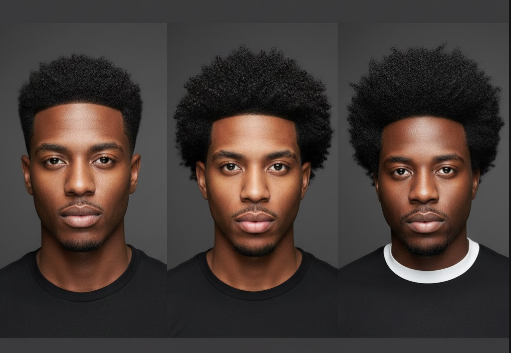
Curl pattern significantly influences how a low taper fade will look and behave on your head. Understanding your specific hair type within the widely-used classification system helps set realistic expectations and informs product and styling choices.
Loose Curls and Waves (Type 2C to 3A)
Men with looser curl patterns—ranging from defined S-waves to soft spirals—often find that the low taper fade creates a distinctly coastal, relaxed aesthetic reminiscent of surfer culture. These curl types typically have more natural shine and movement than tighter patterns, which can work to your advantage or require management depending on your climate and lifestyle.
Managing frizz becomes the primary styling challenge for looser curl types. The clean, tight lines of the taper create such strong contrast that frizzy, undefined curls on top can appear unkempt rather than intentionally textured. Invest in anti-frizz products and techniques that enhance your natural curl pattern without weighing hair down.
The “bro flow” aesthetic—characterized by longer lengths that sweep back and to the sides with intentional movement—works particularly well with Type 2C to 3A hair combined with a low taper. The clean edges provide structure while the flowing top section maintains a relaxed, approachable vibe. This variation has gained substantial popularity in athletic and lifestyle influencer communities.
For men exploring different styling approaches, quality curly hair products for men specifically formulated for looser curl patterns help define waves without creating crunchiness or unnatural stiffness that conflicts with the style’s inherent ease.
Tight Curls and Spirals (Type 3B to 3C)
Tighter curl patterns create dense, three-dimensional texture that forms distinct ringlets and spirals. These curl types offer tremendous visual impact when paired with the clean lines of a low taper fade, creating one of the most popular iterations of this style.
Structuring the cut to prevent the triangular shape that commonly affects Type 3 hair requires strategic layering and weight removal. Without proper technique, these curl patterns can expand outward as they grow, creating width at the temples and ears rather than height and volume on top. Your barber should remove bulk from the interior sections while preserving length, allowing curls to stack vertically rather than horizontally.
Defining individual ringlets becomes possible with the right combination of cutting technique and product application. When curls are properly hydrated and styled, each spiral maintains its own shape and definition, creating that highly sought-after “wash-and-go” appearance that looks effortless yet polished.
The low taper fade particularly flatters Type 3B and 3C hair because the tight perimeter emphasizes the density and richness of the textured sections. The contrast makes your natural curl pattern the undeniable focal point of the style.
Coils and Kinky Hair (Type 4A to 4C)
Coily and kinky hair textures create extraordinary visual impact when paired with sharp lineups and crisp fadesure of Type 4 hair produces a distinctly voluminous silhouette tha. The dense, tightly coiled natt contrasts dramatically with faded or tapered sections.
Sharp lineups against Type 4 hair have become signature elements of contemporary Black barbering artistry. The precise edges—whether naturally straight or enhanced with edge control products—create frames that highlight facial features and demonstrate meticulous grooming standards. This attention to detail has influenced broader hairstyling trends and elevated barbering to recognized art form status.
The blowout taper represents one of the most popular variations for Type 4 hair. This technique involves using heat tools and tension to temporarily elongate the natural coil pattern, creating impressive volume and a spherical or slightly oval silhouette. The “fluffy” appearance contrasts beautifully with the tight fade, and the style has become emblematic of certain regional aesthetics, particularly in urban centers across the northeastern United States.
Alternatively, defined styling techniques using sponges, twist-outs, or curl sponges create textured patterns that showcase the hair’s natural coil structure. These approaches work particularly well when you want to maintain a more natural appearance while still benefiting from the clean perimeter of a low taper.
Top Variations of the Curly Low Taper Fade
The foundational low taper fade serves as a versatile canvas for numerous styling interpretations. Understanding these popular variations helps you identify which aesthetic aligns with your personal style, lifestyle requirements, and maintenance commitment level.
The Modern Mullet Taper
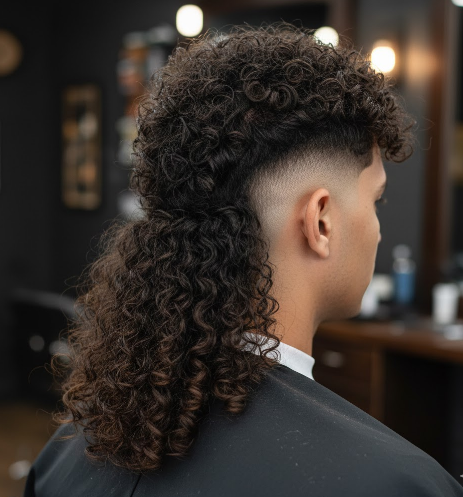
Contemporary interpretations of the mullet have shed the style’s controversial reputation, emerging as genuinely fashionable options that reinterpret the “business in front, party in back” concept with modern sensibilities. The curly mullet taper maintains relatively controlled length and volume through the crown and top while extending length significantly at the nape.
The low taper becomes essential for making this style work in professional contexts. By keeping the sides and areas around the ears extremely clean and faded, the longer back section reads as an intentional style choice rather than neglected grooming. The contrast between the tight perimeter and the flowing nape creates visual interest and movement.
Styling the modern mullet taper requires maintaining the distinction between sections. The top and crown typically feature defined curls with moderate volume, while the nape length can be worn with more relaxed texture or even slight waves, depending on your natural pattern. This variation works best for men with consistent curl patterns from crown to nape, as dramatically different textures in these areas can create an unintentional disconnect.
The Edgar Cut with Low Taper
The Edgar cut, also known as the “takuache” haircut in some communities, combines a distinctly straight, heavy fringe across the forehead with tapered or faded sides. This style gained popularity in regional communities before spreading to mainstream consciousness through social media platforms.
Adapting the Edgar to curly hair creates unique challenges and opportunities. The defining characteristic—that blunt, horizontal fringe line—requires either naturally straightening the front section through blow-drying and tension or working with the natural curl to create a textured interpretation of the straight fringe aesthetic.
The low taper serves a crucial function in the Edgar cut by keeping the sides and back extremely short, often with skin fades or very tight tapers. This extreme contrast makes the heavy front section appear even more substantial and draws attention to the dramatic fringe line.
Regional popularity varies significantly, with the Edgar maintaining strong presence in southwestern United States communities and among younger demographics who appreciate its bold, unapologetic aesthetic. Styling requirements include regular trimming to maintain the fringe line, daily product application to control the front section, and frequent fade maintenance since the contrast is so essential to the look.
The Curly Blowout Taper
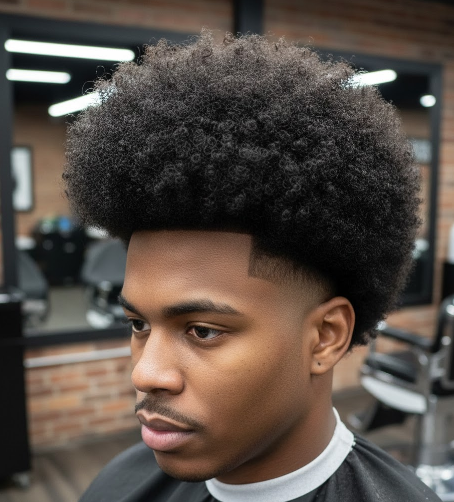
The blowout taper has become one of the most requested styles in barbershops serving communities with Type 4 hair. This variation focuses on creating maximum volume and a spherical or slightly elongated silhouette through temporary heat styling that loosens the natural coil pattern.
The technique involves applying tension with a blow dryer and often a brush or comb attachment to stretch coils upward and outward, creating impressive height and fullness. When combined with a low taper or drop fade, the contrast between the voluminous top and the clean sides becomes the style’s defining characteristic.
Regional variations have emerged with distinct names and subtle differences. The “Brooklyn taper” typically features slightly more height and a rounder overall shape, while the “Paigon taper” might incorporate more defined texture rather than uniform volume. These regional interpretations reflect the creative evolution happening in barbershops across different communities.
Creating the spherical silhouette with sharp edges requires both skilled cutting and proper styling. The taper must be placed precisely to complement the round shape without cutting into areas that would compromise the volume. The top section needs sufficient length to achieve the desired fullness when blown out, typically requiring at least three to four inches of hair.
Messy Fringe with Low Taper
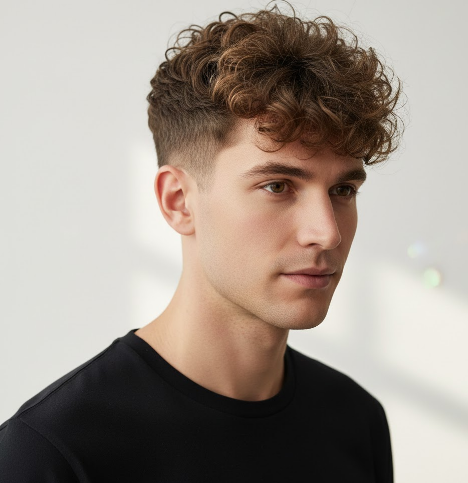
The messy fringe variation appeals to men seeking a more casual, textured appearance that still maintains the polished perimeter of a low taper. This style works with your curls’ natural tendency to fall forward, creating organic movement across the forehead rather than fighting against it.
Styling involves encouraging curl definition in the front sections while allowing them to cascade naturally rather than being pushed back or severely structured. This approach works beautifully for concealing larger foreheads or receding hairlines, as the textured fringe draws attention without the obvious, helmet-like appearance of some more traditional cover-up styles.
The “messy” designation doesn’t mean unkempt—rather, it describes intentionally imperfect styling that celebrates natural texture and movement. Quality products that enhance curl definition without creating stiffness are essential, as the fringe needs to move naturally and respond to touch without falling flat or looking crunchy.
This variation offers particular versatility for men who want the option to style their hair differently depending on the occasion. The same cut can be pushed back for a more conservative look or allowed to fall forward for relaxed settings, all while maintaining the clean low taper that keeps the overall appearance groomed.
Slick Back and Flow Styles
The slicked-back interpretation of the curly low taper creates one of the more sophisticated variations of this cut. Rather than allowing curls to fall naturally forward or emphasizing vertical volume, this style directs the curl pattern backward, creating streamlined movement from the hairline toward the crown.
The contrast between the polished, directed top section and the clean neckline creates a particularly refined aesthetic suitable for professional environments. The low taper keeps the perimeter sharp without the severity of higher fades, while the slicked-back top demonstrates intentional styling and grooming.
This variation offers excellent versatility throughout the day. You can maintain the slicked appearance for business settings, then loosen the style for evening activities, allowing more texture and curl definition to emerge as products break down naturally. This transformation capability makes it economical for men who transition between different social contexts regularly.
Products play a crucial role in achieving and maintaining the slicked-back look with curly hair. You’ll need styling products with sufficient hold to direct curls backward without creating the crunchy, frozen appearance of traditional gels. Many men find success with cream-based products or modern styling clays that offer flexible hold while maintaining some natural movement.
The Drop Taper Variation
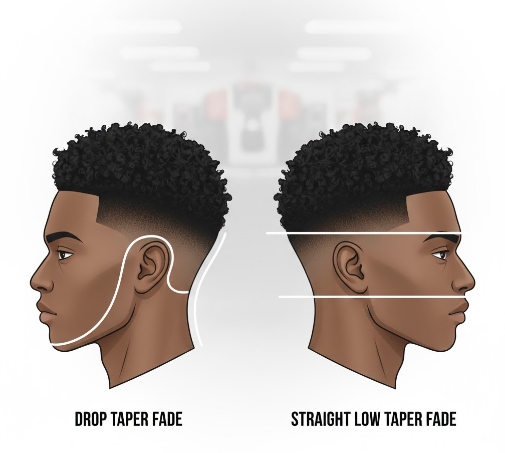
The drop taper represents a technical variation in how the fade is shaped rather than a distinct styling approach for the top section. Unlike a standard low taper that follows a relatively straight horizontal line around the head, the drop taper curves downward behind the ear, creating an arc that follows the head’s natural contours.
This curved fade creates a particularly contoured, tailored appearance that emphasizes the head’s natural shape. The technique requires advanced barbering skills, as the barber must blend the fade smoothly while following the curved guideline rather than the simpler straight-across approach.
The visual difference between a straight low taper and a drop taper becomes most apparent from profile views. The drop creates more contrast and dimension, with the fade appearing to “drop” down behind the ear before continuing around the back. This additional visual interest makes the drop taper popular among men who appreciate subtle details in their grooming.
From a practical standpoint, drop tapers may actually grow out slightly more gracefully than straight tapers because the curved guideline transitions less obviously as hair grows. However, they still require regular maintenance to preserve the distinctive arc and prevent the fade from appearing uneven.
How to Talk to Your Barber
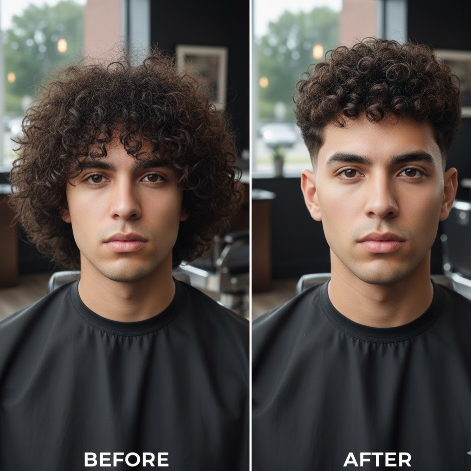
Effective communication with your barber determines the difference between a good haircut and a great one that precisely matches your vision. The specialized vocabulary and conventions of barbering can seem intimidating, but understanding a few key concepts enables productive conversations that ensure you and your barber share the same expectations.
Reference Photos and Terminology
Visual references eliminate much of the ambiguity inherent in verbal descriptions. When bringing inspiration photos to your appointment, prioritize finding examples featuring hair texture similar to yours rather than focusing solely on the overall aesthetic. A style that looks phenomenal on straight hair may not translate directly to curly textures, and vice versa.
Show multiple angles if possible—front view, side profile, and back—since haircuts exist in three dimensions and the perimeter shape significantly affects the overall appearance. If you’re using celebrity or influencer photos, acknowledge that professional styling and photography create polished appearances that may require significant daily effort to replicate.
Learn and use proper terminology to demonstrate that you understand what you’re asking for. Key terms include specifying whether you want the taper to go to “skin” (completely bald) or remain as a “shadow taper” (very short but not completely removed). The “C-cup” refers to the curved area around the ear, and keeping it “dark” means preserving slightly more length in this challenging zone rather than fading it completely to skin.
When discussing the top section, “debulk” or “remove weight” communicates that you want interior volume reduced without losing length, while “thin out” might suggest using thinning shears, which can sometimes create frizz in curly hair. Being specific about your concerns helps barbers select appropriate techniques.
Establishing the Guidelines
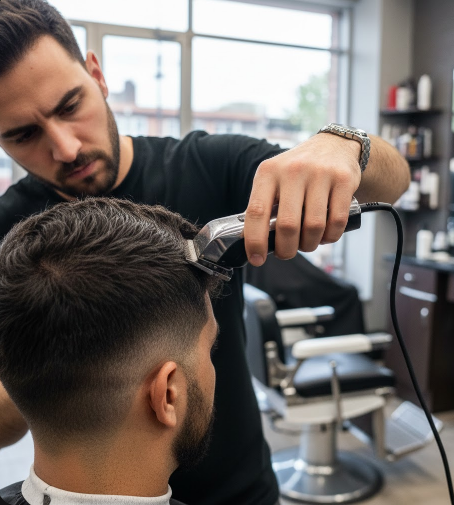
The starting length of the fade determines how dramatic the contrast will be and how often you’ll need maintenance. A “zero” or “double zero” (0 or 00) creates the closest cut without using a blade, while starting with a “number one” guard preserves slightly more length and may grow out more gracefully if you can’t maintain weekly appointments.
Specifying the height of the blend gives your barber a clear target for where the fade should transition into longer length. For a true low taper, you’ll want this transition to remain “below the top of the ear” or “at the ear level,” depending on your preference. Being specific prevents miscommunication, as “low” can mean different things to different people.
The hairline finish dramatically affects the overall appearance and maintenance requirements. A “crisp lineup” creates sharp, defined edges along the hairline, temples, and sideburns, producing a distinctly groomed appearance that shows regrowth relatively quickly. A “natural edge” maintains your existing hairline with minimal manipulation, creating a softer appearance that requires less frequent touch-ups.
Many experienced barbers will ask questions to clarify your preferences, but coming prepared with this information demonstrates respect for their time and helps establish you as a client who understands what they want.
Styling and Maintenance Routine for Textured Hair
Even the best haircut requires proper daily care to look its best consistently. Curly hair combined with a tapered style creates unique maintenance requirements that differ from both all-over curly styles and straight-hair fades. Developing an effective routine ensures your cut always looks fresh and your curls remain healthy and defined.
Wash Day Protocols
The foundation of healthy curls begins with proper cleansing that removes buildup without stripping essential moisture. Sulfate-free shampoos have become the gold standard for curly hair care because traditional sulfate-based formulas can be overly harsh, removing the natural oils that keep curls hydrated and defined.
For men with low taper fades, wash frequency requires balancing the needs of your curly top section with the visibility of your scalp in faded areas. The exposed skin along your taper may show oil and product buildup more obviously than an all-over curly style, potentially requiring more frequent cleansing of these sections.
Co-washing—using conditioner to cleanse between shampoo sessions—offers an effective compromise. This technique refreshes your hair and scalp without the drying effects of daily shampooing. Apply conditioner to wet hair, massage the scalp to loosen debris, and rinse thoroughly. Reserve shampooing for once or twice weekly, or when you’ve used particularly heavy styling products.
The condition of your taper directly reflects your overall grooming standards, so keeping the faded sections clean and the skin healthy maintains the style’s polished appearance even as you prioritize curl health on top.
Hydration and Definition
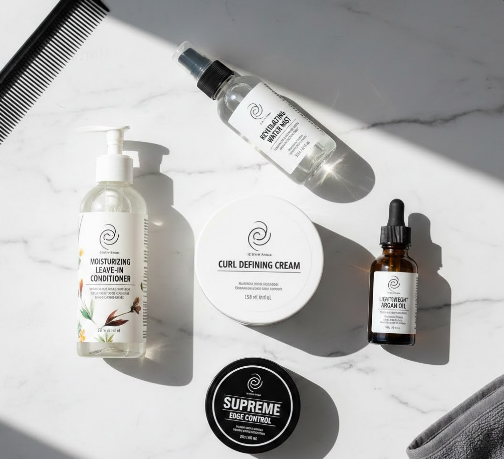
The LOC method—applying products in Liquid, Oil, Cream sequence—has gained widespread adoption in curly hair communities for its effectiveness in sealing moisture and creating long-lasting definition. Understanding this layering approach helps you maximize the performance of your styling products.
Begin with water or a water-based leave-in conditioner while your hair is still damp from washing. This liquid layer provides the essential hydration foundation. Follow with a lightweight oil—argan, jojoba, or grapeseed work well for most curl types—which creates a barrier that prevents moisture from escaping. Finally, apply a curl cream or styling cream that provides hold and definition while sealing in the previous layers.
The specific products you choose should match your curl type and desired finish. Looser curls often respond well to lighter formulations and sea salt sprays that enhance natural texture without weighing hair down. Tighter curls and coils typically benefit from richer, more emollient products that provide sufficient moisture for definition.
Avoiding heavy waxes and pomades on the curly sections preserves volume and prevents the greasy appearance that can make even a fresh taper look unkempt. Reserve these products for the taper line itself if you use edge control for extra-sharp lineups.
Daily Refresh Techniques
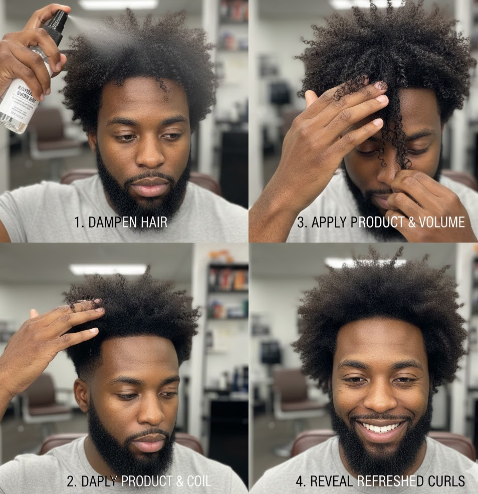
Most men with curly hair don’t wash daily, which means developing effective refresh methods that revive flattened or misshapen curls without starting from scratch. These techniques become essential for maintaining a polished appearance throughout the week between wash days.
The simplest refresh involves lightly misting your hair with water using a spray bottle, then applying a small amount of leave-in conditioner or curl refresher spray. Focus on areas that have lost definition or appear frizzy. Use your fingers to reshape individual curls through gentle twisting or scrunching motions, reactivating the curl pattern without disturbing curls that still look good.
For Type 4 hair worn in blowout styles, refresh techniques might involve re-picking sections that have compressed overnight using a hair pick or afro comb. Work gently to avoid creating frizz, focusing on restoring volume and the overall silhouette rather than completely restyling.
The key to effective refreshing lies in working with damp—not soaking wet—hair and using minimal product. Over-application leads to buildup that weighs curls down and creates that dreaded crunchy texture that looks styled rather than natural.
Nighttime Protection
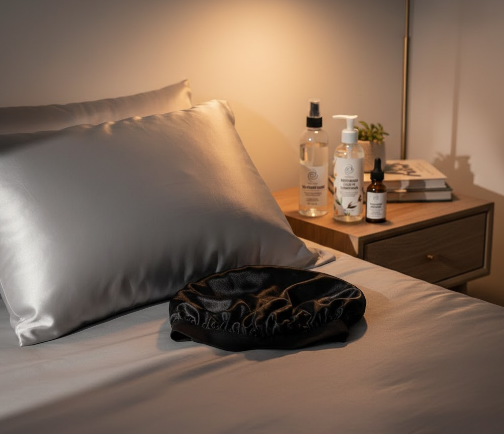
How you sleep directly impacts how your curls look the next morning. Friction between your hair and cotton pillowcases creates frizz, disrupts curl patterns, and can even cause breakage over time. Implementing nighttime protection strategies dramatically reduces morning styling time and keeps your low taper fade looking fresh.
Silk or satin pillowcases reduce friction compared to cotton, allowing your hair to glide smoothly as you move during sleep. This simple change preserves curl definition and minimizes frizz without requiring any additional effort.
For men with longer curly sections, the “pineappling” technique prevents crushing curls while sleeping. Gather your hair into a very loose, high ponytail on top of your head using a silk or satin scrunchie. This positions the bulk of your curls away from the pillow, preserving their shape. The method works best with moderate to long lengths and looser curl patterns.
Bonnets and wave caps serve similar protective functions while covering the hair completely. These accessories prevent friction and help maintain styles like twist-outs or freshly blown-out hair that would otherwise become disrupted overnight. Modern designs come in various materials and styles that remain secure without creating uncomfortable pressure.
The Role of Grooming Tools
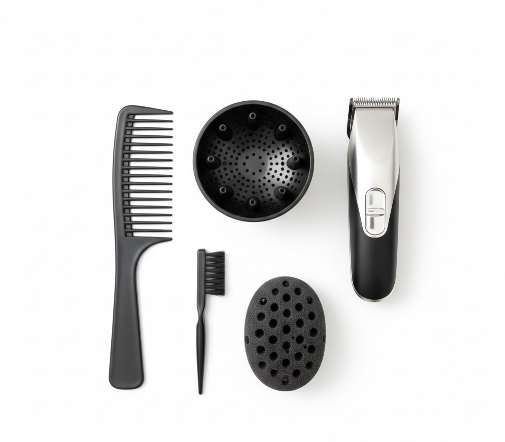
Strategic tool selection makes the difference between enhancing your natural curl pattern and creating damage or frizz. Understanding which tools serve which purposes helps you build an effective grooming kit tailored to your specific needs.
Wide-tooth combs represent the gold standard for detangling curly hair without disrupting curl patterns or creating frizz. Use these tools on wet, conditioned hair, working from ends toward roots to gently remove tangles. Never use fine-tooth combs or brushes on dry curly hair unless you specifically want to create volume by disrupting the curl pattern.
Diffuser attachments for blow dryers allow you to dry curls while minimizing frizz-causing air movement. The diffuser disperses airflow and uses gentle heat to encourage curl formation rather than blowing curls straight. This tool becomes essential for achieving blowout styles on Type 4 hair or simply speeding up drying time without sacrificing definition.
Edge brushes—small, firm brushes specifically designed for laying down baby hairs and hairlines—help maintain crisp lineups between barber visits. Apply a small amount of edge control product and use the brush to smooth and direct hairline edges for that freshly-cut appearance.
Hair sponges have become iconic tools for creating defined texture on Type 4 hair. These specialized sponges feature holes or grooves that, when rubbed in circular motions across damp hair, create uniform coils and curls. The technique works particularly well for shorter to medium lengths and creates the textured appearance popularized in contemporary urban hairstyles.
Home Maintenance vs Barber Visits
Understanding what you can maintain yourself versus what requires professional skills helps you budget both time and money while keeping your low taper fade looking sharp. Finding the right balance between barber visits and home touch-ups depends on your skill level, available tools, and the specific characteristics of your cut.
Frequency of Cuts
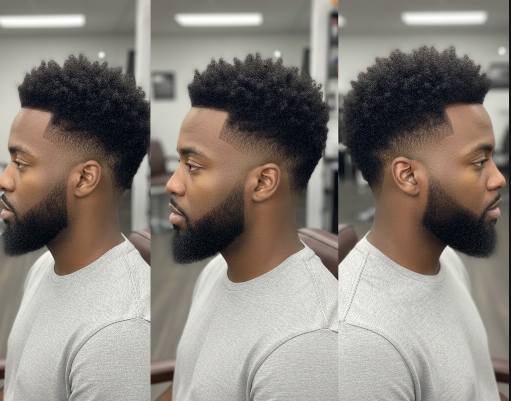
The taper or fade section grows out noticeably faster than you might expect, with most men requiring professional attention every two to three weeks to maintain the crisp gradient and clean lines that define the style. The faded section doesn’t actually grow faster than the top—it simply shows growth more obviously because the contrast between skin and hair becomes less distinct as hair lengthens.
The curly top section can typically go four to six weeks between cuts, depending on how quickly your hair grows and how precisely you want to maintain your shape. Some men prefer slightly different schedules for taper maintenance versus top reshaping, visiting their barber for quick taper touch-ups between less frequent full cuts.
Budget-conscious approaches might involve getting full cuts every four to six weeks while maintaining the taper yourself or visiting a budget barber specifically for taper touch-ups between appointments with your primary stylist. This hybrid approach keeps costs manageable while ensuring the most visible element—the perimeter—always looks fresh.
The “awkward phase” of growing out a taper occurs around week three or four when the fade has softened considerably but hasn’t yet grown long enough to blend naturally with the top. During this phase, you have three options: schedule a touch-up, embrace the softer, grown-out appearance, or use styling products and techniques to camouflage the transition zone.
DIY Touch-Ups
Home maintenance of your taper line exists on a spectrum from relatively safe and simple to potentially disastrous if attempted without proper skills and tools. Understanding where these boundaries lie helps you make informed decisions about what to attempt yourself.
Cleaning up the neckline represents the most accessible DIY task, particularly if you have a friend or partner who can help with visibility. Using a quality trimmer with a zero-gap blade or T-blade attachment, you can carefully remove growth below your established hairline, keeping the perimeter crisp between barber visits. Work conservatively, removing only obviously overgrown hair rather than attempting to re-establish completely new lines.
Recommended trimmers for home maintenance include models specifically designed for outlining and detail work. These typically feature narrower blades than full-size clippers and offer precise control for cleanup work. Brands popular among barbers often offer consumer-grade versions of professional tools that provide excellent results for home use.
Why fading your own neckline is not recommended for beginners comes down to visibility, technique, and the unforgiving nature of mistakes. Creating smooth gradients requires understanding clipper angles, consistent hand movement, and the ability to see what you’re doing from multiple angles. Even minor errors become highly visible, and fixing a botched fade often requires cutting everything much shorter than you intended.
The social acceptability of DIY haircuts has increased somewhat during recent years, but the low taper fade’s defining characteristic—that clean gradient—is precisely what makes it challenging to execute properly at home. Most men find that the money saved on barber visits doesn’t compensate for the risk of ruining a style that depends so heavily on precision.
For those with adventurous spirits and steady hands, starting with the most conservative maintenance tasks and gradually building skills represents a reasonable approach. Watch educational content from barbers who teach home maintenance, invest in quality tools, and always remember that hair grows back—though waiting for a botched fade to grow out tests anyone’s patience.
Common Challenges and Solutions
Even with proper cutting and maintenance, certain hair characteristics and growth patterns create challenges that require specific solutions. Understanding these common issues and their remedies helps you troubleshoot problems and communicate effectively with your barber about adjustments that could improve your results.
Dealing with Cowlicks
Cowlicks—sections where hair grows in a circular pattern or contrary direction from surrounding hair—most commonly appear at the crown or along the nape. These growth patterns can disrupt the smooth appearance of both your curls and your taper line if not addressed strategically.
The low taper offers an advantage for nape cowlicks specifically because the fade transitions to very short lengths in this area, effectively neutralizing unruly growth patterns. When hair is cut short enough, the direction of growth becomes less noticeable, and the swirl pattern that might disrupt a longer style essentially disappears.
For crown cowlicks that affect your curly top section, strategic cutting and styling work together to minimize their impact. Barbers can adjust the fade height in areas where cowlicks create disruption, leaving slightly more length to weight down the affected section. Alternatively, embracing the natural volume that cowlicks create and incorporating it into your overall style often works better than fighting against your hair’s natural tendencies.
Styling products with sufficient hold help train hair to lay in your desired direction despite underlying growth patterns. Apply products when hair is damp and use directional styling—combing or brushing in the direction you want hair to go—as it dries. Over time, this consistent training can make cowlicks less prominent, though they’ll never disappear completely.
Uneven Curl Patterns
Many men experience different curl types in different areas of their heads—tighter coils at the nape with looser curls on top, or vice versa. These variations create challenges when you’re trying to achieve a uniform appearance, but they can also be incorporated as interesting textural elements if styled strategically.
Blending areas with different curl patterns requires customized cutting techniques for each section. Tighter areas might need more aggressive thinning or texturizing to reduce bulk, while looser areas could benefit from techniques that encourage curl formation. An experienced barber familiar with curly hair will assess these variations during your cut and adjust their approach accordingly.
Texturizing shears—scissors with teeth that remove some hair while leaving other strands intact—can help blend different curl types by reducing density in tighter areas. However, improper use of these tools creates frizz and disrupts curl patterns, which is why technique and experience matter tremendously. Cheap thinning shears or overuse of texturizing techniques often do more harm than good.
Being realistic about your hair’s natural characteristics helps set appropriate expectations. If you have significantly different curl patterns in different areas, achieving perfectly uniform curl definition everywhere may not be possible. Instead, work with a stylist who can create a cut that makes these transitions appear intentional rather than accidental.
Scalp Visibility Issues
The faded sections of a low taper intentionally show scalp, but sometimes this visibility comes with unwanted side effects like dryness, irritation, flaking, or sensitivity. Men who previously wore their hair longer might not have dealt with these scalp care issues before.
Dry scalp in faded areas often results from exposure to air and environmental elements that was previously buffered by hair. Treatment involves regular moisturizing with lightweight, non-greasy products specifically formulated for scalps. Apply after showering when skin is slightly damp to seal in moisture, focusing on the exposed areas along your taper.
Irritation sometimes follows fresh cuts, particularly when barbers use very close blades or when your skin is naturally sensitive. This usually resolves within a day or two, but if irritation persists, discuss it with your barber. They may be able to adjust their technique or recommend pre-cut treatments that reduce sensitivity.
Sun protection becomes surprisingly important for men with faded sides and backs, particularly during summer months or in sunny climates. The exposed scalp can sunburn just like any other skin, leading to painful peeling and potentially long-term damage. Apply sunscreen to faded areas when you’ll be spending extended time outdoors, or wear a hat that covers these sections.
If you notice persistent flaking that resembles dandruff on your faded sections, you might be dealing with product buildup rather than dry scalp. The short hair in these areas makes buildup more visible, and certain styling products or oils can accumulate on the skin. More thorough cleansing of these areas usually resolves the issue.
When incorporating styling variety into your routine, remember that different looks may require different approaches. If you’re experimenting with hair color, exploring options like dark blonde hair can complement the structural contrast of a low taper fade while adding another dimension to your overall aesthetic.
Future Trends and Predictions
The evolution of men’s hairstyling continues to accelerate, driven by social media visibility, increasing cultural acceptance of diverse aesthetic expressions, and the growing recognition of barbering as a legitimate art form. Understanding emerging trends helps you anticipate what’s next and decide whether to adopt new styles or maintain your current approach.
The Rise of Hair Designs
Freestyle line designs and geometric patterns shaved into faded sections have progressed from novelty to mainstream acceptance over the past several years. These designs transform the clean canvas of a fade into an opportunity for artistic expression and personalization that makes each haircut truly unique.
Incorporating designs into your low taper area requires finding a barber with proven skills in this specialized technique. The designs are created using precise clipper or trimmer work, essentially drawing on the scalp by removing hair in specific patterns. Popular motifs include simple straight lines at various angles, curved designs that follow the head’s contours, geometric shapes, and even complex images or symbols for particularly ambitious projects.
The temporary nature of hair designs appeals to men who enjoy changing their appearance regularly without permanent commitments. Most designs remain visible for one to two weeks before hair growth blurs the sharp lines, at which point you can choose to have the same design refreshed or try something completely different.
Subtle variations include single slash marks through the eyebrow or sideburn area, creating understated detail that enhances the overall style without overwhelming it. These minimal approaches offer a compromise for men who appreciate the aesthetic but work in conservative environments where more dramatic designs might not be appropriate.
Texture Powder and Natural Finishes
The pendulum of men’s styling preferences is swinging away from the high-shine, heavily gelled looks that dominated earlier decades toward matte, natural-looking finishes that prioritize texture over polish. This shift reflects broader cultural movements toward authenticity and celebrating natural characteristics rather than concealing them.
Texture powders and dry finishing products allow you to add volume and definition to curls while maintaining that “I woke up like this” appearance that looks effortless rather than obviously styled. These products work by absorbing oils and creating friction between hair strands, which enhances separation and creates fuller-looking hair without the weight or shine of traditional styling products.
The influence of “fluffy hair” trends on taper structures has led to some interesting adaptations. Rather than slicking down the transition zone between faded sides and curly top, modern interpretations often embrace softer blending that allows some texture and volume to extend lower down the sides. This creates a less severe contrast while still maintaining the essential characteristics of the taper fade.
This evolution toward natural finishes pairs particularly well with the low taper fade because the clean perimeter provides all the structure and polish the style needs. The curly top section can embrace natural movement and texture without the overall look appearing unkempt, creating that ideal balance between groomed and effortless.
As grooming trends continue evolving, expect to see more hybrid approaches that borrow elements from multiple aesthetics. The fundamental appeal of the low taper fade—combining clean structure with natural texture—positions it to remain relevant even as specific styling preferences shift. For men exploring complementary grooming choices beyond haircuts, coordinating your hairstyle with thoughtful decisions about facial hair or even considering options like red hair dye for those wanting to add unexpected color elements demonstrates a cohesive approach to personal style.
Frequently Asked Questions
What is the difference between a low taper and a low fade?
A low taper gradually shortens hair length primarily at the sideburns and neckline using clipper guards, creating a subtle transition without necessarily reaching skin level. A low fade creates a more dramatic gradient that blends from skin or near-skin at the bottom through progressively longer lengths, producing higher contrast and requiring more frequent maintenance to preserve the sharp gradient effect.
How long does a low taper fade last before it needs cutting?
The faded perimeter typically requires professional touch-ups every two to three weeks to maintain crisp lines and smooth gradients, though some men extend this to four weeks if they don’t mind a softer, grown-out appearance. The curly top section can usually go four to six weeks between cuts depending on your desired length and shape, meaning you might schedule taper refreshes more frequently than complete haircuts.
Does a low taper work with a receding hairline?
Yes, a low taper fade actually works quite well with receding hairlines because the clean sides and back draw attention to the overall shape and structure rather than focusing specifically on the hairline. Styling the curly top section forward as a textured fringe provides natural coverage for recession while maintaining a modern, intentional appearance rather than an obvious combover effect.
What is the best product for a curly low taper?
The ideal product depends on your specific curl type and desired finish. Curl creams and leave-in conditioners work well for most curl patterns, providing definition and moisture without crunchiness. For Type 4 hair, richer butters or custards might be necessary for adequate hydration and hold, while looser curls often perform best with lighter mousses or sea salt sprays that enhance texture without weighing hair down.
Can I get a low taper if I have straight hair that I perm?
Yes, permed hair can absolutely be styled in a low taper fade, creating an interesting contrast between chemical texture and clean lines. Communicate with both your stylist about the perm and your barber about the cut to ensure timing works properly—ideally, establish the perm first, let your hair recover for at least a week, then get the taper cut once you understand how your new texture behaves.
How much does a low taper curly haircut usually cost?
Pricing varies significantly based on location, barber experience, and shop positioning, but expect to pay between twenty-five and sixty dollars for a quality low taper fade in most U.S. markets. High-end barbershops in major metropolitan areas might charge seventy-five dollars or more, while budget chains might offer lower prices with less specialized expertise in cutting curly textures specifically.
Does a low taper make your face look fatter?
A properly executed low taper typically doesn’t make faces look wider because the tight sides actually remove bulk from the areas that create width perception. However, if the curly top section is styled to extend outward rather than upward, it might add horizontal visual weight. Styling with height and vertical emphasis rather than width prevents this issue regardless of face shape.
How do I ask for a fluffy curly fringe with a taper?
Tell your barber you want a low taper fade on the sides and back while keeping substantial length on top, specifically requesting that they preserve volume and curl definition in the front sections. Ask them to avoid over-thinning the fringe area and to leave enough length that curls can fall naturally forward across your forehead, creating that textured, voluminous fringe appearance.