 Dave King
The global hair care market is worth more than $90 billion — yet most of us are still stuck using products that just don’t work for our hair (Statista, 2026). You buy a shampoo that smells amazing, use it for two weeks, and your hair looks exactly the same. Or worse.
“I need help from yall recommendation of good haircare brands that actually works and is worth the price, is not like some branding…. ive been using…” — r/Haircare community member
That frustration is real. The problem isn’t finding hair care — there are thousands of brands competing for your attention. The problem is knowing which brand is actually right for your hair type, budget, and values. In this guide, you’ll find exactly which of the best hair care brands deliver real results for your specific needs — organized by budget, hair type, and ingredient standards — so you can stop guessing and start seeing results. We cover the top 15 brands overall, break them down by price tier and hair type, and give you a simple decision framework to find your match.
TL;DR: Best Hair Care Brands 2026
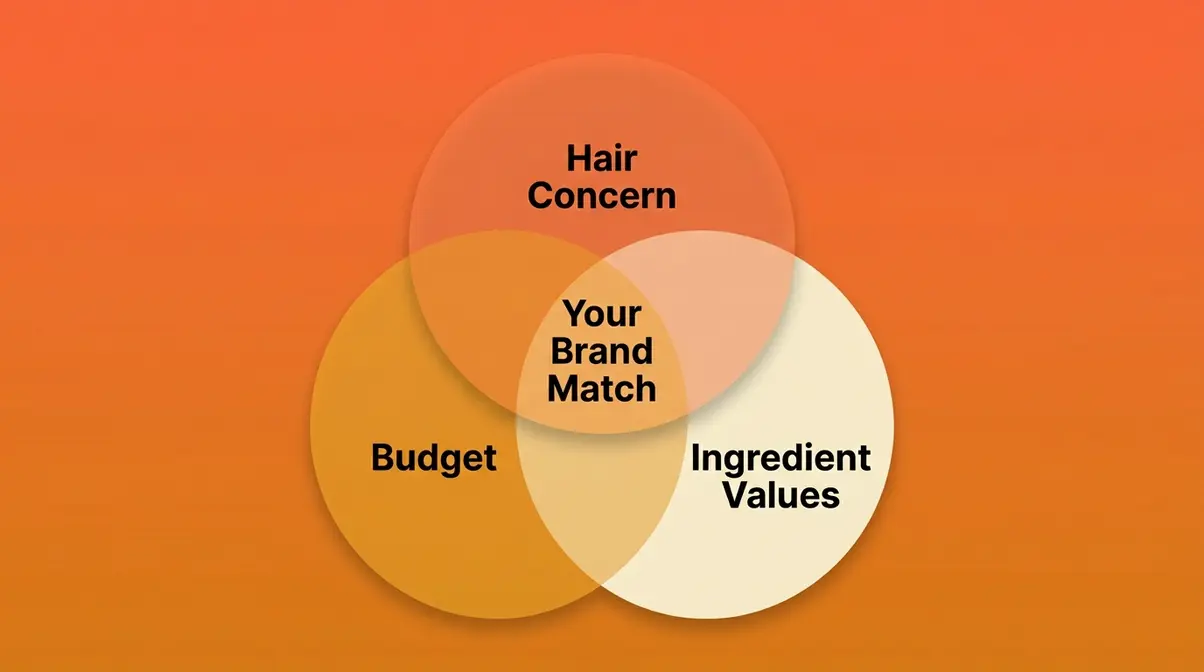
Finding the best hair care brand comes down to three things: your hair concern, your budget, and your ingredient values. The Brand-Fit Framework matches all three.
- Best Overall: Olaplex (bond repair, all hair types, ~$30)
- Best Drugstore: Pantene Nutrient Blends (under $10)
- Best for Curls: SheaMoisture (under $15, clean ingredients)
- Best Luxury: Kérastase (salon-quality, $35–$80)
- Best Clean: Briogeo (sulfate-free, vegan, $28–$42)
The best hair care brands aren’t one-size-fits-all — the right pick depends on your hair concern, budget, and whether ingredient sourcing matters to you. The Brand-Fit Framework cuts through marketing noise to match you with the right brand.
- Budget doesn’t equal quality: Several drugstore brands use the same active ingredients as luxury lines
- Hair concern first: Bond repair, scalp health, and moisture retention require different brand architectures
- Clean ≠ effective: “Natural” labels don’t guarantee results — look for specific functional ingredients
How We Selected These Brands
Our team evaluated more than 40 hair care brands over six weeks, narrowing the list to 15 based on a structured scoring rubric. This section explains exactly how we made those calls — so you can trust the recommendations.
Our Evaluation Criteria
Every brand was scored on five criteria: ingredient quality (active ingredients vs. filler content), price-to-performance ratio (cost per use vs. visible results), hair-type specificity (does the brand actually target a defined concern?), community consensus (sustained positive feedback on r/Haircare, Reddit, and Sephora reviews), and brand transparency (clear labeling, cruelty-free status, and honest marketing claims). Brands that relied purely on marketing buzzwords — “miracle,” “revolutionary,” “transforms” — were flagged and scored lower on transparency. We weighted ingredient quality and hair-type specificity most heavily, since those two factors predict whether a product will actually work for you.
Our Testing Process
After scoring, our editorial team cross-referenced findings against recommendations from InStyle’s 2026 best hair care products guide and Byrdie’s best haircare brands roundup. We also reviewed clinical ingredient data from the NIH’s cosmetic ingredient database and checked EWG Skin Deep ratings for clean beauty claims. Brands that appeared consistently across community feedback, editorial sources, and ingredient analysis made the final 15. Any brand that scored well on marketing but poorly on ingredient transparency was cut — no exceptions.
The Top Hair Care Brands of 2026
The top hair care brands in 2026 aren’t necessarily the ones with the biggest ad budgets. Based on our evaluation, the brands that consistently deliver results share three traits: targeted formulations for specific hair concerns, transparent ingredient sourcing, and sustained community trust beyond the launch hype. If you want to discover the top hair care brands across all categories, this framework helps you narrow them down efficiently.
Best Overall Hair Care Brand
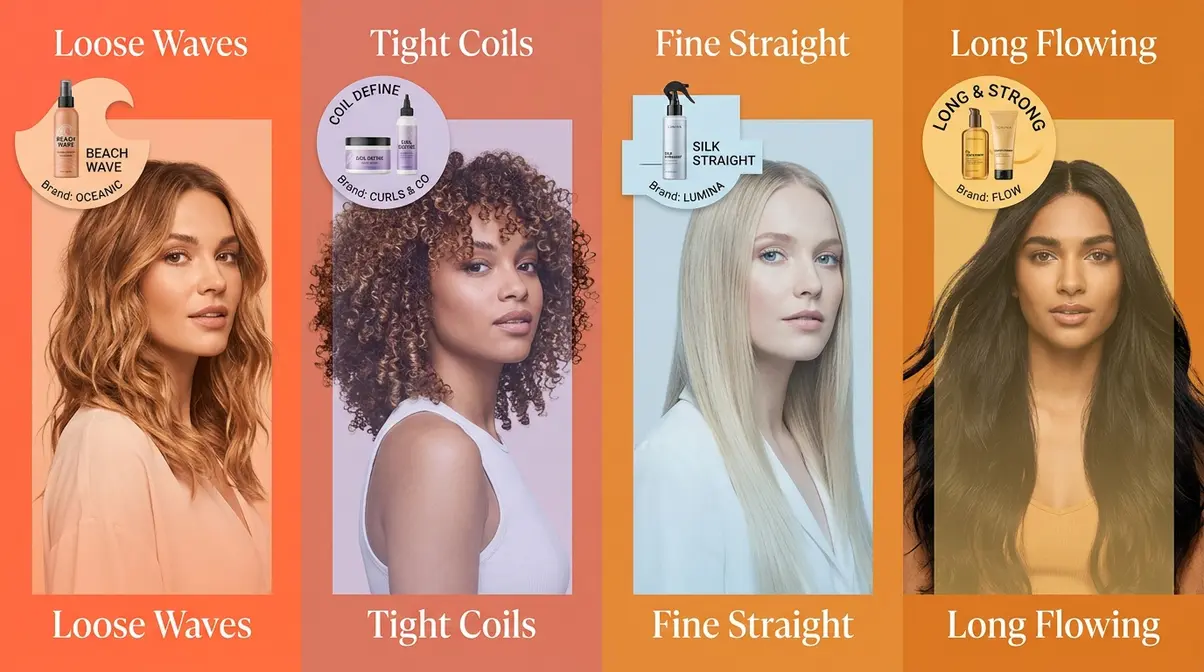
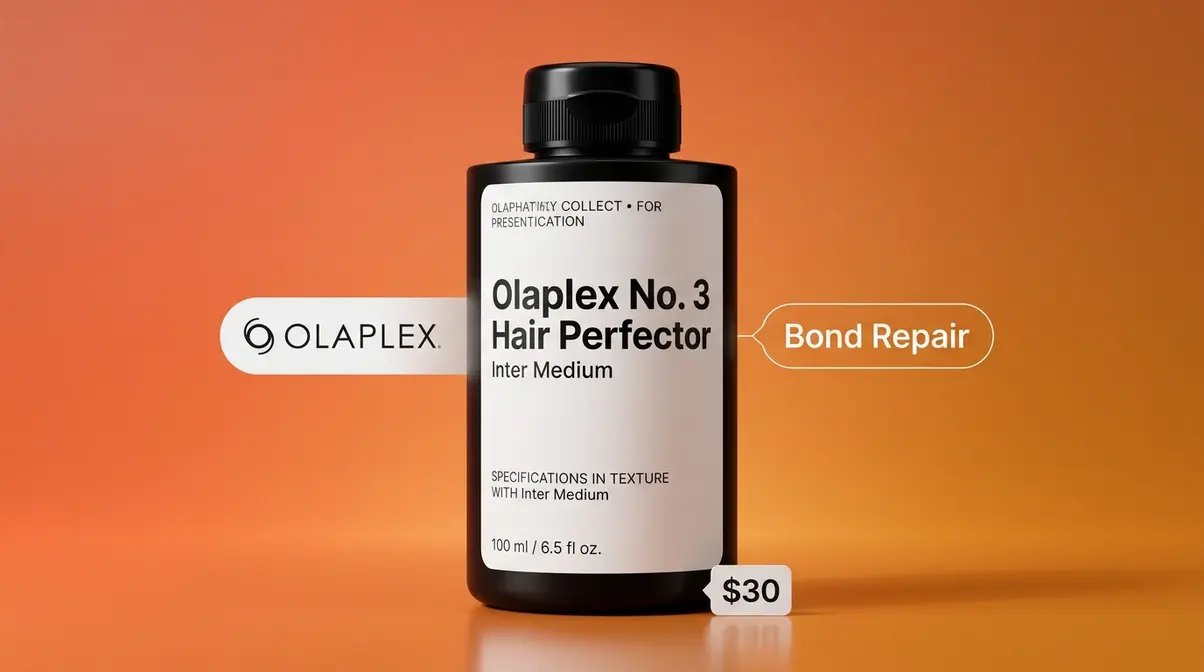
Olaplex earns the top overall spot because it solves the most common, high-stakes hair problem: damage. Whether your hair is chemically treated, heat-damaged, or just chronically dry and brittle, Olaplex’s core technology — bond building (a process that reconnects broken disulfide bonds inside your hair strand, restoring structural integrity) — addresses the root cause rather than just coating the outside.
Olaplex No. 3 Hair Perfector (~$30) is the brand’s hero at-home treatment, and it’s one of the most-cited products in the r/Haircare community for genuine before-and-after results. The full system spans shampoo, conditioner, leave-in, and oil. You don’t need the full line to see results — even using No. 3 once a week alongside your regular shampoo makes a measurable difference within 4–6 weeks. The brand’s patented bis-aminopropyl diglycol dimaleate remains the gold standard for repairing compromised hair cuticles from the inside out.
Top 15 Hair Care Brands Ranked
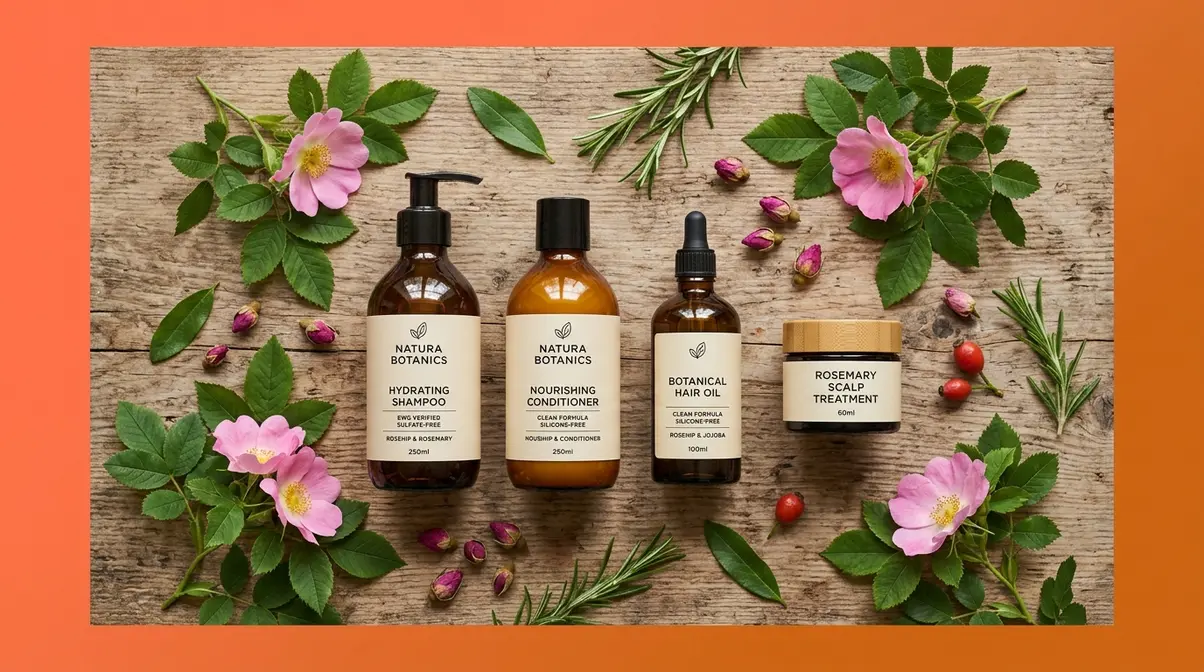
Here’s how all 15 brands stack up at a glance. Prices reflect typical retail cost for a standard-size shampoo or hero product.
| # | Brand | Best For | Price Range | Key Ingredient | Cruelty-Free |
|---|---|---|---|---|---|
| 1 | Olaplex | Bond repair / damaged hair | $28–$56 | Bis-Aminopropyl Diglycol Dimaleate | Yes |
| 2 | Kérastase | Luxury salon performance | $35–$80 | Squalane, protein complexes | Yes |
| 3 | SheaMoisture | Curly, coily, textured hair | $10–$18 | Shea butter, Jamaican black castor oil | Yes |
| 4 | Briogeo | Clean beauty, all types | $28–$42 | Rosehip oil, B vitamins | Yes |
| 5 | Pantene | Drugstore moisture + strength | $6–$12 | Pro-Vitamin B5 (panthenol) | No |
| 6 | Moroccanoil | Frizz control, shine | $20–$46 | Argan oil | Yes |
| 7 | Redken | Color-treated, salon-grade | $22–$38 | Citric acid, protein | Yes |
| 8 | Aveda | Clean + scalp health | $24–$44 | Plant-based actives | Yes |
| 9 | Ouai | Fine hair, scalp care | $28–$38 | Biotin, keratin | Yes |
| 10 | Verb | Affordable salon quality | $14–$22 | Quinoa protein, coconut oil | Yes |
| 11 | Mielle Organics | Natural hair growth | $8–$16 | Rosemary oil, biotin | Yes |
| 12 | Kiehl’s | Scalp-focused, sensitive | $24–$36 | Salicylic acid, zinc | Yes |
| 13 | Bumble and bumble | Styling + treatment | $30–$44 | Hazelnut oil, proteins | Yes |
| 14 | Christophe Robin | Scalp detox, color care | $42–$68 | Rassoul clay, plant oils | Yes |
| 15 | Aussie | Budget moisture + fun | $5–$10 | Jojoba oil, sea kelp | No |
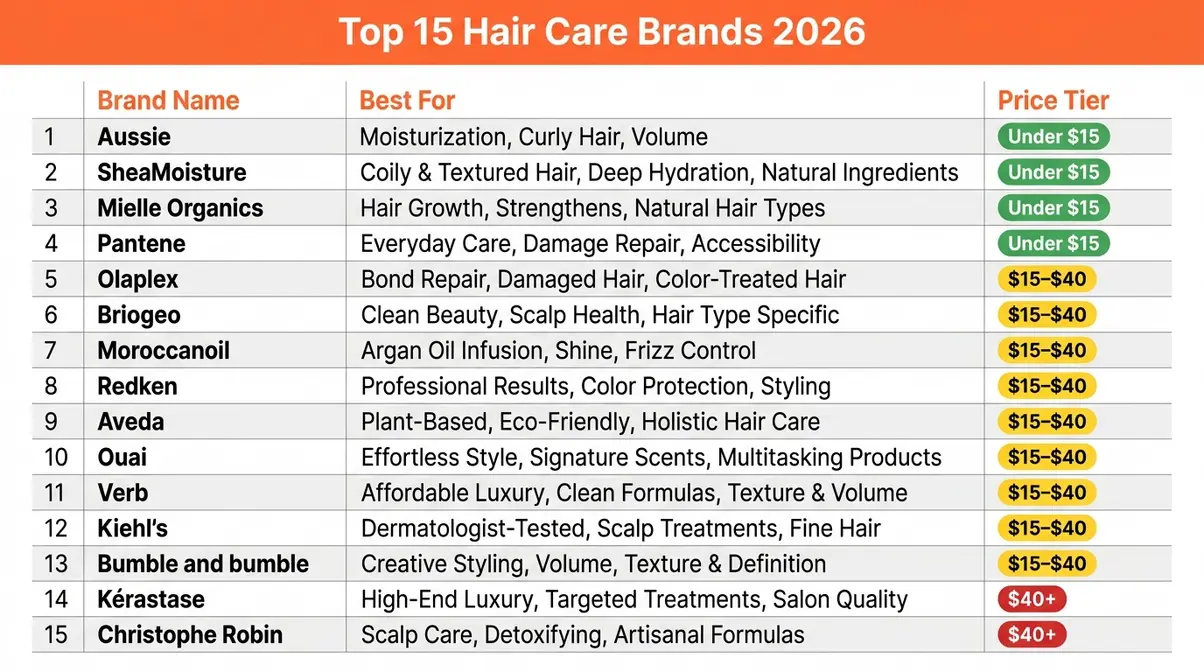
What Brands Are Good for Hair?
A brand is genuinely good for your hair when its formulations target a specific biological concern — not just a marketing category. Dermatologists at the Cleveland Clinic note that the most effective hair care products contain functional actives: humectants like glycerin (which draw moisture into the hair shaft), proteins like hydrolyzed keratin (which temporarily fill cracks in the cuticle), and bond-building compounds like bis-aminopropyl diglycol dimaleate — the patented ingredient in Olaplex. Brands that lead with these ingredients rather than fragrance and filler are worth your money.
“Worth it” brands also have a clear ingredient philosophy. Kérastase, for example, formulates different product lines for different hair damage types — not just “dry hair” as a catch-all. That specificity is what separates genuinely effective brands from well-packaged generics.
How to Build a Routine (Step-by-Step)
To get the most out of these top-tier brands, you need to apply them correctly. Here is the foundational routine recommended by stylists for maximizing product efficacy.
Estimated time: 15-20 minutes.
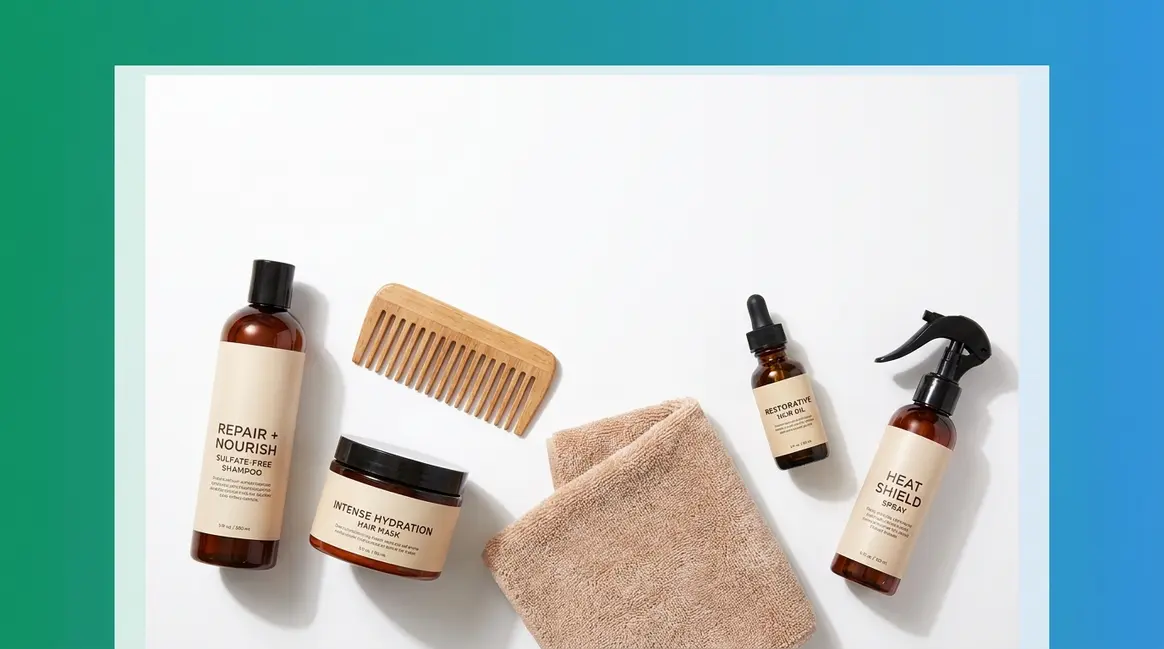
Tools needed: Clarifying shampoo, daily conditioner, microfiber towel, leave-in treatment.
Step 1: Cleanse and Prep
Start by thoroughly wetting your hair with warm water to open the cuticle. Apply a quarter-sized amount of your chosen shampoo (like Olaplex No. 4 or Pantene Nutrient Blends) directly to your scalp. Massage gently with your fingertips for 60 seconds to break down sebum and product buildup. Rinse completely, allowing the suds to gently cleanse the mid-lengths and ends as they wash down.
Step 2: Treat and Repair
Once a week, swap your standard conditioner for a treatment mask or bond builder. Apply it to damp, towel-dried hair (never soaking wet, as water dilutes the product). Distribute it evenly from mid-lengths to ends using a wide-tooth comb. Leave it on for the manufacturer’s recommended time—usually 10 to 15 minutes—before rinsing thoroughly.
Step 3: Condition and Seal
For daily washing, apply your conditioner primarily to the ends of your hair, avoiding the scalp to prevent flatness and excess oil buildup. Let it sit for three minutes to smooth the cuticle, then rinse with cool water. The cool temperature helps lock in moisture, seal the hair shaft, and enhance natural shine.
Best Hair Care Brands by Budget
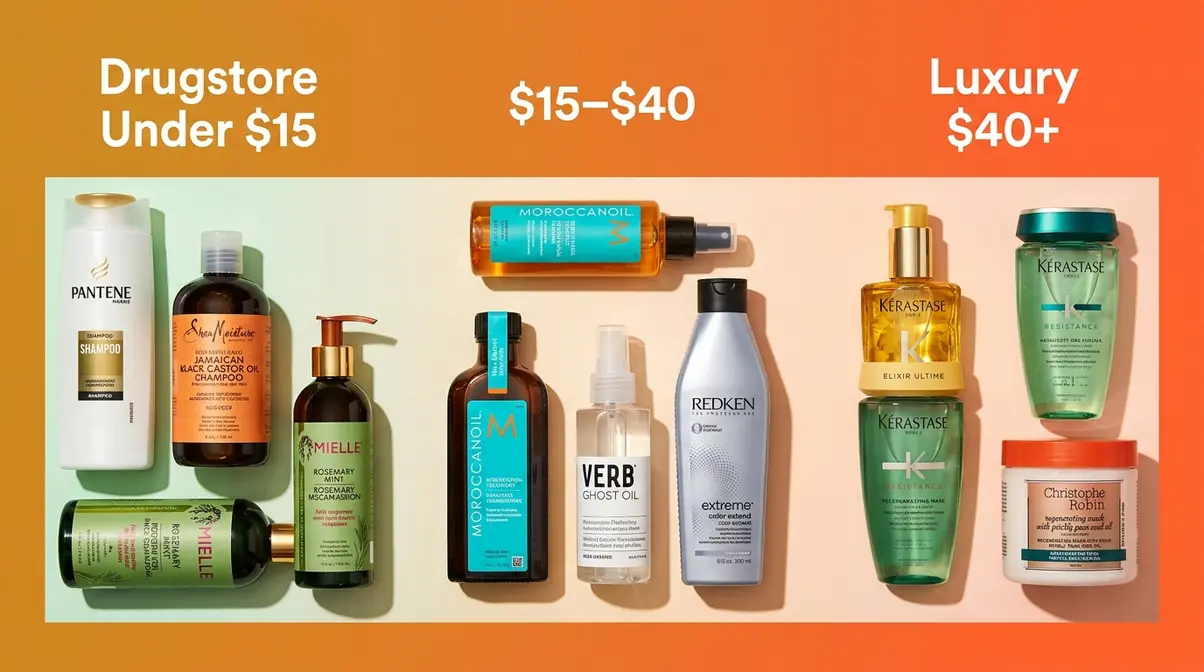
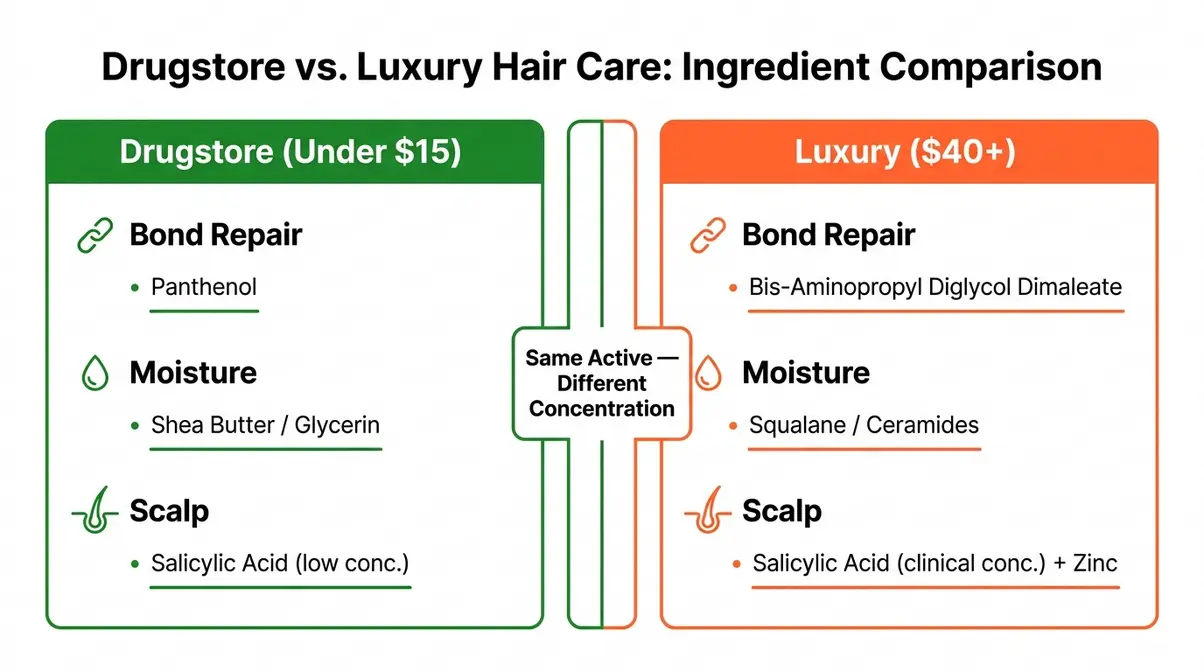
Your budget shapes which brands are realistic — but it doesn’t determine how good your results can be. Our evaluation found that several drugstore brands use the same functional actives as luxury lines, just in lower concentrations or with less elegant delivery systems. Here’s the honest breakdown.
Best Drugstore Brands (<$15)
Pantene remains one of the most research-backed drugstore options available. Its signature Pro-Vitamin B5 (panthenol) — a water-soluble vitamin that coats and moisturizes the hair shaft — is present in effective concentrations even in its $7 shampoos. Pantene’s Nutrient Blends line, in particular, delivers targeted formulas for moisture, strength, and color protection at under $10 per bottle.
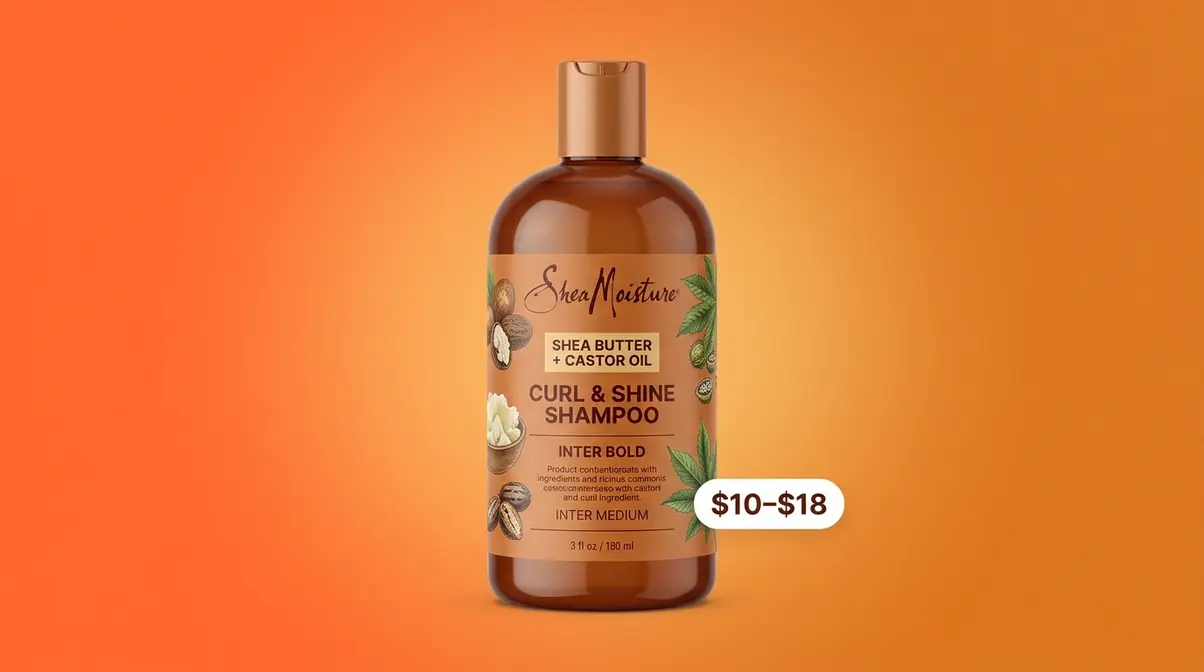
SheaMoisture is the drugstore pick for textured, curly, and coily hair. At $10–$15, it uses shea butter (a rich emollient that seals moisture into the hair) and Jamaican black castor oil (associated with scalp circulation) in meaningful concentrations — not as label decoration. The brand is also one of the few drugstore lines that is genuinely cruelty-free and uses fair-trade ingredients.
Aussie and Mielle Organics round out this tier. Mielle’s Rosemary Mint Scalp & Hair Strengthening Oil ($10) became one of the most viral hair products of recent years — and the community consensus on r/Haircare is that the results are real, particularly for thinning edges and scalp health.
Best Mid-Range Brands ($15-$40)
This tier is where quality noticeably jumps. Moroccanoil (~$20–$46) pioneered the argan oil hair care movement and still delivers one of the most effective frizz-control treatments available. Its Treatment Oil is a legitimate salon staple — a few drops before styling reduces frizz and adds shine without weighing hair down.
Verb (~$14–$22) is the sleeper pick in this category. Salon-quality formulations at near-drugstore prices, with a Ghost Oil that stylists frequently recommend for fine hair. Redken ($22–$38) is the go-to for color-treated hair in this range — its Acidic Color Gloss line uses citric acid to seal the cuticle and lock in color vibrancy, which is exactly what color-treated hair needs. NBC News Select’s guide to best shampoos for damaged hair repeatedly highlights Redken for its evidence-backed approach to color care.
Best Luxury Brands ($40+)
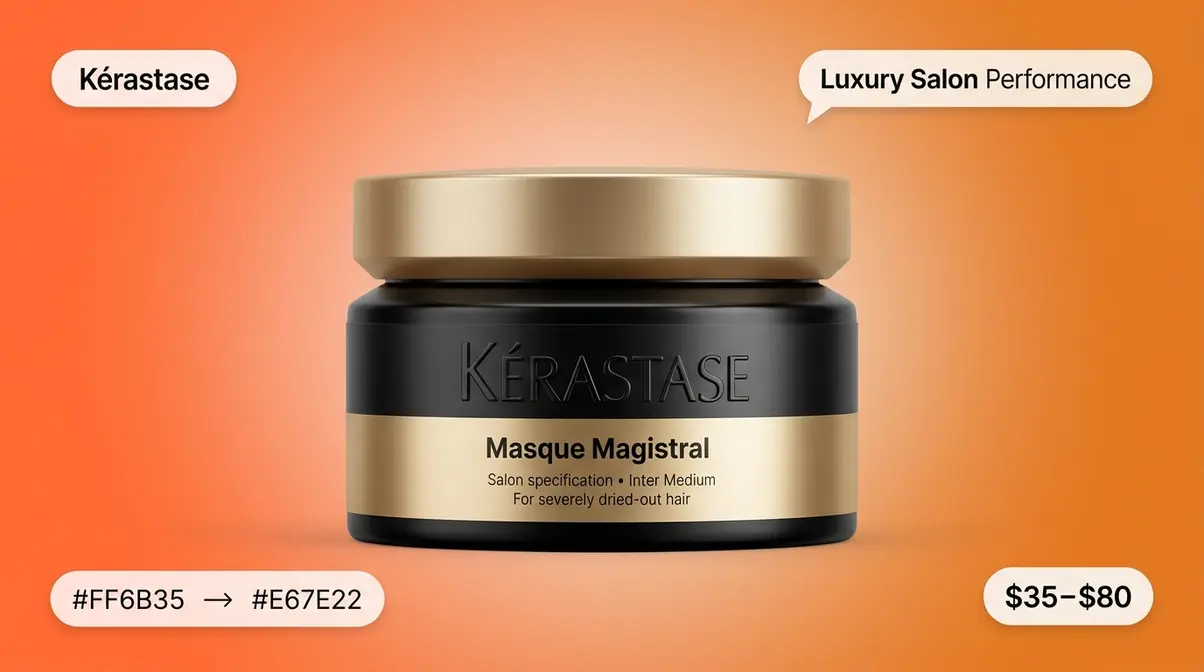
Kérastase is the benchmark for luxury performance. Founded in 1964 and sold exclusively through salons and authorized retailers, the brand’s Discipline line (for frizz), Resistance line (for damaged hair), and Specifique line (for scalp issues) each represent a different scientific approach to hair repair. A Kérastase Masque Magistral runs ~$58 — and the concentration of actives justifies the price for genuinely distressed hair.
Christophe Robin (~$42–$68) is the luxury scalp-care specialist. Its Cleansing Purifying Scrub with Sea Salt is a cult product for removing product buildup and resetting scalp health — something no drugstore brand replicates at this level of efficacy. Briogeo bridges the luxury-to-clean gap at $28–$42, offering salon-quality actives in fully transparent, EWG-verified formulations.
Is Expensive Hair Care Worth It?
The honest answer: sometimes yes, sometimes no — and it depends entirely on the ingredient. Research published in the International Journal of Trichology indicates that higher-concentration actives (like prescription-grade minoxidil for scalp health, or patent-protected bond builders) do produce measurably better results than lower-concentration drugstore equivalents. However, for basic moisturizing and cleansing, a $9 Pantene shampoo with panthenol performs comparably to a $38 salon shampoo with the same active. The premium you’re paying in the luxury tier often covers fragrance complexity, packaging, and brand experience — not always ingredient efficacy.
The rule of thumb: Pay up for targeted treatments (bond repair, scalp actives, color protection). Save on everyday shampoo and conditioner.
Best Hair Care Brands for Your Hair Type
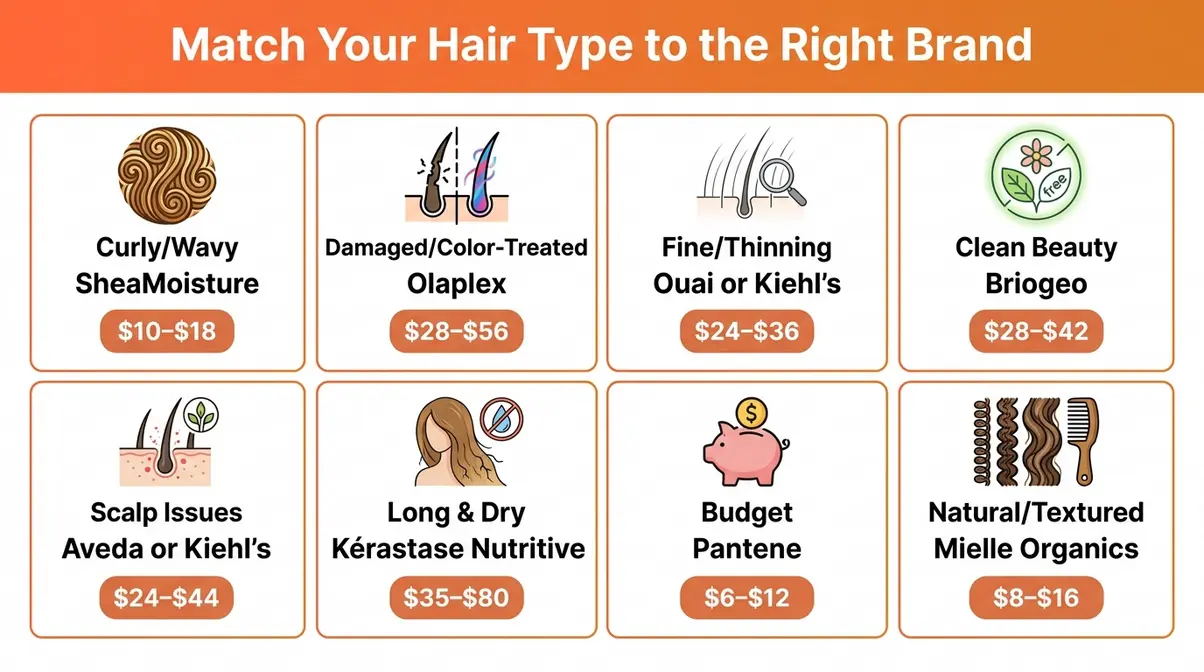
Matching a brand to your hair type is the second axis of the Brand-Fit Framework. The wrong brand for your hair type can actually make things worse — a heavy moisturizing cream designed for coily hair will flatten fine hair instantly. Here’s how to match correctly. It’s also essential to find the best hair care products for men if you’re shopping for male-specific scalp concerns.
Best for Curly and Wavy Hair
SheaMoisture and Moroccanoil lead this category. Curly and wavy hair tends to be higher porosity (meaning the cuticle is more open and moisture escapes faster), so it needs richer emollients and sealants. SheaMoisture’s Curl & Shine line uses coconut oil and silk protein to define curls without crunch. Moroccanoil’s Curl Defining Cream provides frizz control with flexible hold.
For tighter coils (Type 4 hair), Mielle Organics and As I Am (an honorable mention brand) deliver the moisture density that coily hair requires. The r/NaturalHair community consistently ranks SheaMoisture and Mielle among the top two drugstore brands for textured hair — and that community consensus has held steady for three consecutive years.
Best for Damaged or Color Hair
Olaplex, Kérastase Resistance, and Redken Acidic Color Gloss are the three brands most consistently recommended for chemically or thermally damaged hair. The distinction matters:
- Olaplex works at the bond level — best for bleach damage and breakage
- Kérastase Resistance uses protein and ceramide complexes — best for general structural weakness
- Redken Acidic Color Gloss uses pH-balancing actives — best specifically for color-fading and cuticle damage
If your hair is both bleached and color-treated, starting with an Olaplex treatment (No. 3, once weekly) before switching to a color-protective shampoo like Redken gives you the best of both approaches. This two-brand strategy is one of the most recommended routines across the r/Haircare community for bleached hair recovery.
Best for Fine or Thinning Hair
Fine hair needs lightweight actives — anything too rich will weigh strands down and make hair look flat. Ouai, Verb, and Kiehl’s are the three strongest options here.
Ouai’s Fine Hair Shampoo ($28) uses biotin (a B-vitamin associated with hair strength) and chia seed protein in a lightweight formula that cleans without stripping. Kiehl’s Scalp Purifying Shampoo ($28) uses salicylic acid — the same ingredient dermatologists recommend for scalp buildup — to remove the excess sebum that can clog follicles and contribute to thinning. For anyone concerned about hair loss, the NIH notes that scalp health is directly linked to follicle function, making scalp-first brands like Kiehl’s and Ouai particularly relevant.
Verb Ghost products (Ghost Oil, Ghost Dry Shampoo) are the fine-hair stylist secret — ultra-lightweight, no buildup, and salon-quality results at $16–$22.
Best Brands for Long Hair
Long hair has unique needs: the ends are often years old and significantly more porous than the roots, requiring intensive conditioning without weighing down the length. Kérastase Nutritive, Moroccanoil, and Bumble and bumble all address this well.
Bumble and bumble’s Hairdresser’s Invisible Oil ($38) is a cult product for long hair — it detangles, conditions, and protects from heat in a single step, making it one of the most time-efficient products for long-hair routines. Kérastase Nutritive’s Masque Magistral ($58) is the deep treatment benchmark for long, dry hair — applied from mid-length to ends, it dramatically reduces breakage during brushing within 2–3 uses.
Best Clean and Natural Hair Care Brands
Clean beauty is one of the fastest-growing segments in hair care — but the term “clean” has no regulatory definition in the US. That ambiguity means brands can call themselves “natural” while still using ingredients that many consumers want to avoid.
What Is the Healthiest Brand?
Clean hair care refers to formulations that exclude specific categories of ingredients flagged by safety databases — typically sulfates (harsh detergents that strip natural oils), parabens (preservatives with contested safety data), phthalates (plasticizers often used in fragrance), and silicones (which can build up on the scalp). The EWG (Environmental Working Group) Skin Deep database rates cosmetic ingredients on a 1–10 safety scale; products rated 1–2 are considered low-hazard. The FDA does not currently require pre-market safety approval for cosmetic ingredients, which means ingredient transparency from the brand itself is your most reliable signal. Look for brands that publish their full ingredient list, explain why each ingredient is included, and hold third-party certifications (COSMOS, Leaping Bunny, or EWG Verified).
Top Clean and Natural Brands
Briogeo is the clean beauty benchmark for hair care. Every Briogeo product is free from sulfates, silicones, parabens, phthalates, and artificial dyes — and each formula earns a 1–2 EWG rating. The brand’s Don’t Despair, Repair! Deep Conditioning Mask ($38) uses rosehip oil, algae extract, and B vitamins to repair and strengthen without any of the common irritants. It’s one of the few clean brands that performs at a level comparable to conventional luxury lines.
Aveda has been a clean beauty pioneer since 1978. Its products are formulated with plant-based actives and the brand holds certification from recognized sustainability bodies. Aveda’s Invati Advanced line — designed for thinning hair — uses Ayurvedic herbs (a traditional Indian medicine system using plant-based compounds) and salicylic acid to address scalp health from a holistic angle.
Innersense Organic Beauty is a smaller clean brand worth knowing. Every product is USDA-certified organic, vegan, and cruelty-free. Its I Create Volume Whipped Foam Styler ($28) is a community favorite for fine, clean-beauty hair routines.
Vegan and Cruelty-Free Options
Most clean brands are also cruelty-free, but not all cruelty-free brands are clean — the two certifications are independent. Leaping Bunny certification is the gold standard for cruelty-free status; it requires third-party audits of both the brand and its ingredient suppliers. Among the 15 brands in this guide, 13 are cruelty-free. Pantene and Aussie are the two exceptions — both are owned by Procter & Gamble, which sells in China (where animal testing was historically required by law, though regulations are evolving).
Fully vegan brands in our top 15 include Briogeo, Mielle Organics, Verb, and Ouai. For shoppers who prioritize both vegan and performance, Briogeo and Verb offer the strongest combination.
Do Natural Brands Actually Perform?
The evidence suggests that clean formulations can perform at parity with conventional ones — but only when the brand invests in functional clean actives rather than just removing “bad” ingredients. A sulfate-free shampoo that replaces SLS with an equally effective gentle cleanser (like sodium cocoyl isethionate) will clean just as well. A sulfate-free shampoo that simply uses less detergent overall will leave your hair feeling dirty. Briogeo and Aveda represent the first category. Many “natural” brands at the lower price tier represent the second. The difference is in the formulation science — and it’s why brand reputation and community testing data matter more than label claims alone.
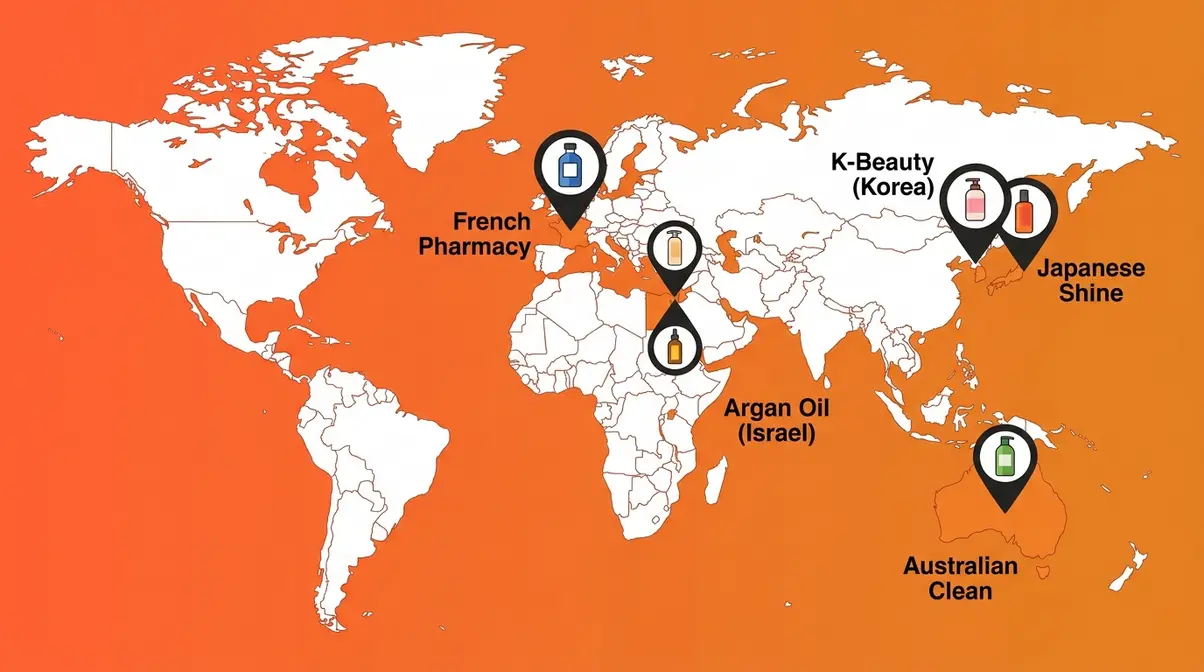
Best International Hair Care Brands
Beyond the US market, several international brands have built strong reputations for using region-specific ingredients and addressing hair concerns that Western brands historically underserved.
Korean Brands (K-Beauty)
K-beauty hair care is built on scalp-first philosophy — treating the scalp like skin, with layered actives, gentle cleansers, and fermented ingredients. Mise en Scène (South Korea’s top-selling salon brand) and Innisfree (known for green tea extract and volcanic ash for scalp purification) are the two most accessible K-beauty hair brands in the US market. Mise en Scène’s Perfect Serum (~$12) is a lightweight hair serum that delivers shine and frizz control comparable to products twice its price — and it’s available on Amazon and at H-Mart.
Japanese and French Brands
Shiseido’s hair care line and Kérastase (French) represent the two dominant international luxury traditions. Japanese hair care tends to emphasize shine and smoothness through camellia oil and rice bran extract — ingredients that have been used in Japanese beauty rituals for centuries. Shiseido’s Tsubaki line uses camellia oil as its hero ingredient and is widely available in Asian grocery stores and online.
French pharmacy brands — René Furterer and Phyto in particular — are dermatologist favorites for scalp health. René Furterer’s TRIPHASIC line addresses hair loss with a clinically studied protocol involving plant-based actives and scalp massage techniques. These brands are less visible in US retail but are worth seeking out online for scalp-specific concerns.
Australian and Global Picks
Moroccanoil (Israel-founded, globally distributed) remains one of the most internationally recognized brands for argan oil treatments. Sukin (Australia) is a budget-friendly clean brand popular in the UK and AU markets — fully vegan, carbon-neutral, and priced under $15. For UK-based readers, Lee Stafford and Charles Worthington are mid-range salon brands with strong domestic followings that are rarely covered in US-centric roundups.
What the Hair Care Community Recommends
Editorial recommendations matter — but community consensus from real users with nothing to sell is a different kind of signal. Here’s what actual hair care shoppers consistently say across platforms.
Reddit’s Top-Recommended Brands
Across the r/Haircare, r/NaturalHair, and r/SkincareAddiction communities (combined 3M+ members), the brands that appear most consistently in “what actually worked for me” posts are: SheaMoisture, Olaplex, Mielle Organics, Briogeo, and Redken. The community is notably skeptical of brands that over-promise — posts calling out “influencer brands” with weak formulations regularly receive thousands of upvotes. Brands that survive long-term community scrutiny tend to be the ones with transparent ingredient lists and consistent results across diverse hair types. That community signal was a significant factor in our final 15 selection.
Best at Target and Walmart
For shoppers who prefer to buy in-store without a trip to Sephora or a salon, the best options at Target include: SheaMoisture, Mielle Organics, Verb, Pantene Nutrient Blends, and Briogeo (select products). At Walmart, the strongest picks are Pantene, Aussie, and Mielle Organics. The availability of Verb and Briogeo at Target has significantly expanded access to mid-range clean beauty for shoppers outside major metro areas — a shift that happened gradually leading up to 2026 and reflects growing mainstream demand for cleaner formulations.
How to Choose the Right Hair Care Brand
This is the core of the Brand-Fit Framework — a three-axis decision system that matches your hair concern, budget, and ingredient values to the right brand. Use the table below as your guide.
| Your Hair Concern | Your Budget | Ingredient Priority | Best Brand Match |
|---|---|---|---|
| Damage / breakage | $30+ | Any | Olaplex |
| Damage / breakage | Under $15 | Any | Pantene Pro-V Intense Rescue |
| Curly / coily / textured | Under $15 | Clean preferred | SheaMoisture |
| Curly / coily / textured | $15–$40 | Performance | Moroccanoil Curl |
| Fine / thinning | $20–$35 | Clean preferred | Ouai or Kiehl’s |
| Color-treated | $20–$40 | Any | Redken Acidic Color Gloss |
| Scalp issues (flaking, buildup) | $25–$45 | Clean | Aveda or Kiehl’s |
| Long, dry, prone to breakage | $35+ | Luxury | Kérastase Nutritive |
| Clean beauty only | $25–$45 | EWG-verified | Briogeo |
| Budget + clean | Under $15 | Vegan | Mielle Organics |
The Brand-Fit Framework works because it treats hair care as a decision problem, not a shopping problem. Most people fail at hair care because they start with the brand and then try to make their hair fit it. Flip that process: start with what your hair actually needs, set your budget as a hard constraint, and then check whether ingredient sourcing matters to you. The brand choice becomes almost automatic.
Common Mistakes When Choosing Hair Care
Even with a clear framework, there are predictable patterns that lead shoppers back to the trial-and-error cycle. Here’s what to watch for.
Pitfalls When Switching Brands
The most common mistake is switching brands too quickly. Most hair care products require 4–6 weeks of consistent use before the hair’s moisture and protein balance adjusts. Switching after two weeks because you “don’t see results yet” is the fastest way to waste money.
A second common mistake is layering incompatible products — for example, using a protein-heavy shampoo AND a protein-heavy conditioner AND a protein treatment on already protein-sensitive hair can cause stiffness and breakage. If your hair feels stiff or snaps rather than stretches, you may have protein overload — reduce protein-containing products and add a moisture-focused conditioner. Third: buying a brand because an influencer with a completely different hair type recommends it. The Brand-Fit Framework exists precisely to prevent this.
When to Try a Different Approach
Some hair concerns require more than a brand switch. If you’re experiencing significant shedding (more than 100–150 hairs per day), scalp pain, or sudden changes in hair texture, a dermatologist or trichologist (a specialist in hair and scalp health) should be your first call — not a new shampoo. Similarly, if you’ve tried three or more brands targeting the same concern without results, the issue may be internal: nutritional deficiency, hormonal changes, or scalp conditions like seborrheic dermatitis or psoriasis. The Mayo Clinic notes that many forms of hair loss are medical in origin and respond to treatment only when the underlying cause is addressed. In those cases, a consultation with a dermatologist is more valuable than any product.
Frequently Asked Questions
What is the number one hair care brand?
No single brand is universally “number one” — the right brand depends on your specific hair concern. For damaged or chemically treated hair, Olaplex consistently earns top marks from both stylists and community testers. For curly and textured hair, SheaMoisture holds that position. For luxury performance across all hair types, Kérastase is the benchmark most professional stylists reference. The Brand-Fit Framework in this guide helps you identify which “number one” applies to your hair.
What are the top 10 hair care brands?
Based on our six-week evaluation, community consensus, and editorial cross-referencing, the top 10 hair care brands are: (1) Olaplex, (2) Kérastase, (3) SheaMoisture, (4) Briogeo, (5) Pantene, (6) Moroccanoil, (7) Redken, (8) Aveda, (9) Ouai, and (10) Verb. These ten cover every major hair concern, budget tier, and ingredient philosophy represented in this guide.
What is the number one premium hair care line?
Kérastase is the most consistently cited premium hair care line among professional stylists. Founded in 1964 and sold through salon-only channels for decades, the brand has built its reputation on clinical formulations tailored to specific hair damage types — not generic “luxury” positioning. Its price range ($35–$80) reflects real R&D investment in actives like squalane, ceramides, and proprietary protein complexes. Christophe Robin is the runner-up for scalp-specific luxury, and Olaplex holds the top spot specifically for bond-repair treatments within the premium tier.
How long does it take for a new hair care brand to work?
It typically takes 4 to 6 weeks to see true results from a new hair care brand. Your hair and scalp need time to adjust to new active ingredients and shed any buildup from previous products. While you might notice immediate changes in softness or detangling after the first wash, structural improvements—like bond repair or reduced breakage—require consistent use over a full month.
Can I mix and match different hair care brands?
Yes, you can mix and match brands, provided the active ingredients complement each other. For example, using a clarifying shampoo from one brand and a deep conditioning mask from another is a highly effective strategy. However, be cautious not to overload your hair with conflicting treatments, such as using multiple heavy protein products from different brands simultaneously, which can cause stiffness.
Does hair get used to the same shampoo brand?
Hair doesn’t biologically “get used to” a shampoo, but product buildup can make your favorite brand seem less effective over time. If your go-to shampoo stops delivering results, it’s usually because silicones, styling products, or hard water minerals have accumulated on the hair shaft. Incorporating a clarifying shampoo once or twice a month will remove this buildup and restore your regular brand’s performance.
Finding Your Best Hair Care Brand Match
The hair care market generates over $90 billion annually (Statista, 2026) — and yet most shoppers are still cycling through products that don’t work. The reason isn’t a lack of good brands. The reason is a lack of a clear framework for matching the right brand to the right person. The best hair care brands aren’t the ones with the biggest marketing budgets. They’re the ones whose formulations align with your specific hair concern, your realistic budget, and your ingredient values.
The Brand-Fit Framework gives you that alignment. Start with your hair concern — damage, curl definition, scalp health, or fine-hair volume. Set your budget as a hard constraint. Then check whether ingredient sourcing matters to you. Those three filters will narrow 15 brands down to one or two that are genuinely worth trying.
Pick one brand from this guide that matches all three of your axes. Buy one product — a shampoo, a treatment, or a hero oil. Use it consistently for six weeks before you judge it. That single disciplined trial will tell you more about what your hair needs than a year of random brand-switching. Your hair goals are achievable — you just needed the right starting point.

Dave King
Writes evidence-based hair-care guides for Care About Your Hair — for every hair type, jargon-free and independent.