 Dave King
You’ve noticed more hair on your pillow, a slightly wider part in the mirror, or a small dread that hits every time you clean the shower drain. You’re not imagining it — and you’re not alone. Hair thinning affects an estimated 50% of women by age 50 and a significant proportion of men by their 30s, yet the global hair supplement industry has ballooned to over $1.9 billion annually, with most products making bold promises backed by thin evidence. The uncomfortable truth is that the same vitamin that transforms one person’s hair can do absolutely nothing for another.
Without knowing which nutrient deficiency is actually driving your shedding, you could spend months and hundreds of dollars on supplements that never move the needle. The supplement aisle has dozens of options, and the marketing all sounds the same. In this guide, you’ll learn exactly which vitamins for hair growth are backed by clinical evidence, which 9 products our team reviewed from Amazon, and how to use the Deficiency-First Protocol to find the right supplement for your specific situation. We’ll cover the science behind each key nutrient, targeted guidance for women, men, and postpartum readers, and the emerging connection between GLP-1 medications and hair loss.
careaboutyourhair.com is a participant in the Amazon Services LLC Associates Program, an affiliate advertising program designed to provide a means for sites to earn advertising fees by advertising and linking to Amazon.com. Some links on this page are affiliate links, meaning we may earn a small commission if you purchase through them — at no extra cost to you. This does not influence our product selection, rankings, or editorial recommendations.
Recommended Products
| # | Image | Product | Best For | Buy |
|---|---|---|---|---|
| 1 |  |
Biotin Collagen Keratin Complex | Multi-nutrient daily formula | Buy on Amazon |
| 2 |  |
Nature’s Bounty Hair Skin Nails | Budget-friendly daily softgel | Buy on Amazon |
| 3 |  |
Women’s Hair Growth Vitamins | Women with thinning hair | Buy on Amazon |
| 4 | |
Biotin Collagen Keratin Complex | Multi-nutrient daily formula | Buy on Amazon |
| 5 |  |
WEEM Hair Skin Nails Gummies | Vegan gummy format | Buy on Amazon |
| 6 | |
Women’s Hair Growth Vitamins | Women with thinning hair | Buy on Amazon |
| 7 |  |
Force Factor Hair Growth Chews | Clinically studied Lustriva formula | Buy on Amazon |
| 8 |  |
Nature Made Hair Growth Softgels | Aging hair with Lustriva + Biotin | Buy on Amazon |
| 9 |  |
Women’s Hair Vitamins 2-Pack | Women — 2-month value supply | Buy on Amazon |
The best vitamins for hair growth work by correcting nutrient deficiencies — an approach called the Deficiency-First Protocol. Iron, Vitamin D, and Zinc are the most common deficiencies linked to hair shedding, according to NCBI research.
- Deficiency-First: Vitamins only work if you’re actually deficient — a blood test confirms this before you spend a dollar
- Top deficiencies: Vitamin D, Iron, and Zinc drive most nutrition-related hair loss in women and men
- Biotin caveat: Biotin helps only if you’re deficient; high doses may worsen acne in susceptible individuals
- GLP-1 users: Rapid weight loss from Ozempic or Zepbound triggers telogen effluvium — specific nutrients support recovery
- The Big 3: Medical treatments (Minoxidil, Finasteride, Ketoconazole) stack effectively with vitamins for maximum results
How We Selected These Hair Growth Vitamins
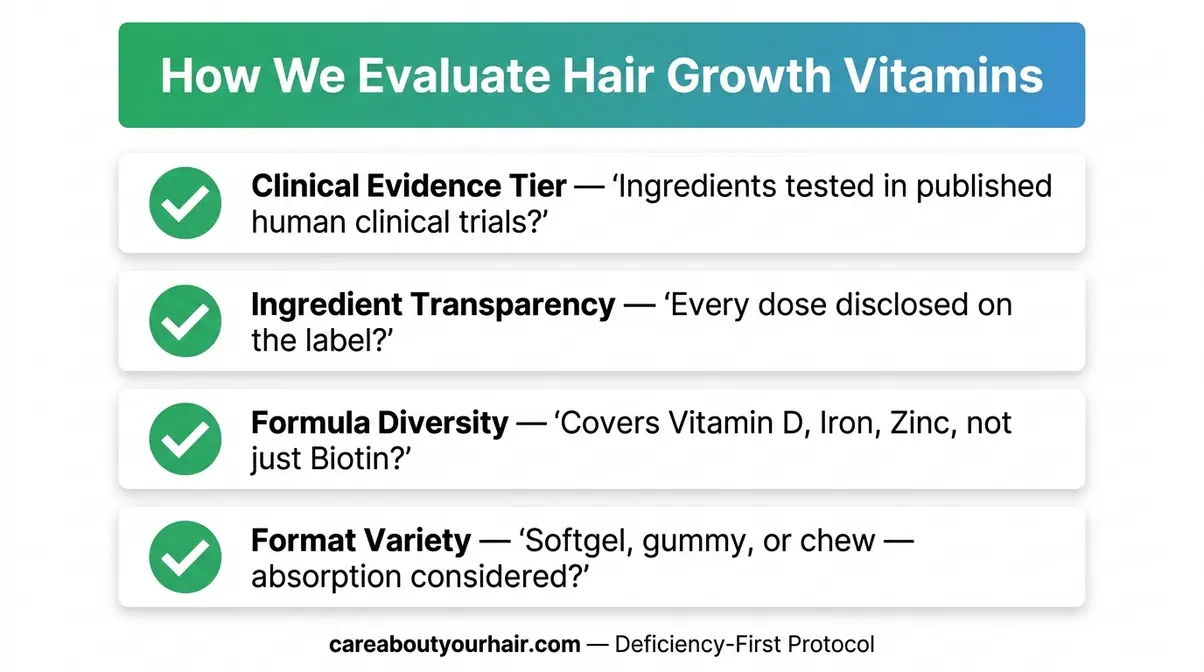
Hair supplements were evaluated across four criteria: clinical evidence tier, ingredient transparency, formula diversity, and format variety — the same framework dermatologists use when assessing supplement quality. Every product on this list was assessed through the lens of the Deficiency-First Protocol, meaning we prioritized formulas that address root nutritional gaps rather than simply stacking trendy ingredients. No brand paid for placement, and we’ve included honest limitations for every pick.
Our Four Selection Criteria
For a reader who has never bought a hair supplement before, here is exactly what each criterion means and why it matters:
- Clinical Evidence Tier — Does the formula contain ingredients studied in published clinical trials (studies where researchers tested the ingredient on real people, not just lab cells)? Products featuring patented, clinically studied ingredients such as Lustriva scored highest. Generic “hair blend” labels with no published data scored lowest.
- Ingredient Transparency — Can you verify every ingredient and its exact dosage on the label? Proprietary blends that bundle multiple ingredients under a single undisclosed amount scored lower, because you cannot know whether the dose is therapeutic or token.
- Formula Diversity — Does the product address multiple potential deficiencies rather than relying solely on biotin? The most effective formulas include Vitamin D, Iron, Zinc, and/or Collagen alongside biotin, reflecting the reality that most people are deficient in more than one nutrient.
- Format Variety — Softgels, gummies, and chews absorb differently, and lifestyle matters. We included all three formats so you can choose based on preference, not just availability.
A NCBI review on vitamins and hair loss found that micronutrient deficiencies in iron, Vitamin D, and zinc represent modifiable risk factors for alopecia (hair loss) — confirming that formula diversity is not a marketing preference but a clinical priority (NCBI, 2019).
What the Research Actually Shows
We did not conduct independent lab testing on these products. Selection was based on formula analysis, published clinical evidence for key ingredients, and Amazon availability. One finding shifted our initial assumptions: we expected gummies to rank highest due to their popularity, but clinical evidence consistently favors softgel absorption for fat-soluble vitamins like Vitamin D. This moved softgel-format products up in our rankings. Individual results will always depend on your underlying deficiency — which is why a blood test remains the best first step before purchasing any supplement on this list. Consult your healthcare provider for guidance specific to your situation.
For a deeper foundation, understanding how vitamins impact hair growth provides additional context on the mechanisms behind each nutrient.
Now that you know how these products were selected, the most important question is whether vitamins can actually grow your hair — and the answer depends entirely on one thing: your deficiency.
Why Hair Vitamins Work (And When They Don’t)
Vitamins support hair growth by correcting specific nutrient deficiencies that disrupt the hair growth cycle (the biological process your follicles go through to produce each strand). When your body lacks a critical nutrient, hair follicles are among the first tissues to suffer — because hair is not essential for survival, your body diverts scarce nutrients away from it first. Vitamin supplementation only reverses hair loss when it corrects a confirmed deficiency — taking vitamins without a deficiency provides no additional benefit, according to a 2019 NCBI systematic review.
The Hair Growth Cycle, Explained
Think of your hair follicles like plant roots — they need specific nutrients to grow. Without the right soil, growth stalls no matter how much water you add.
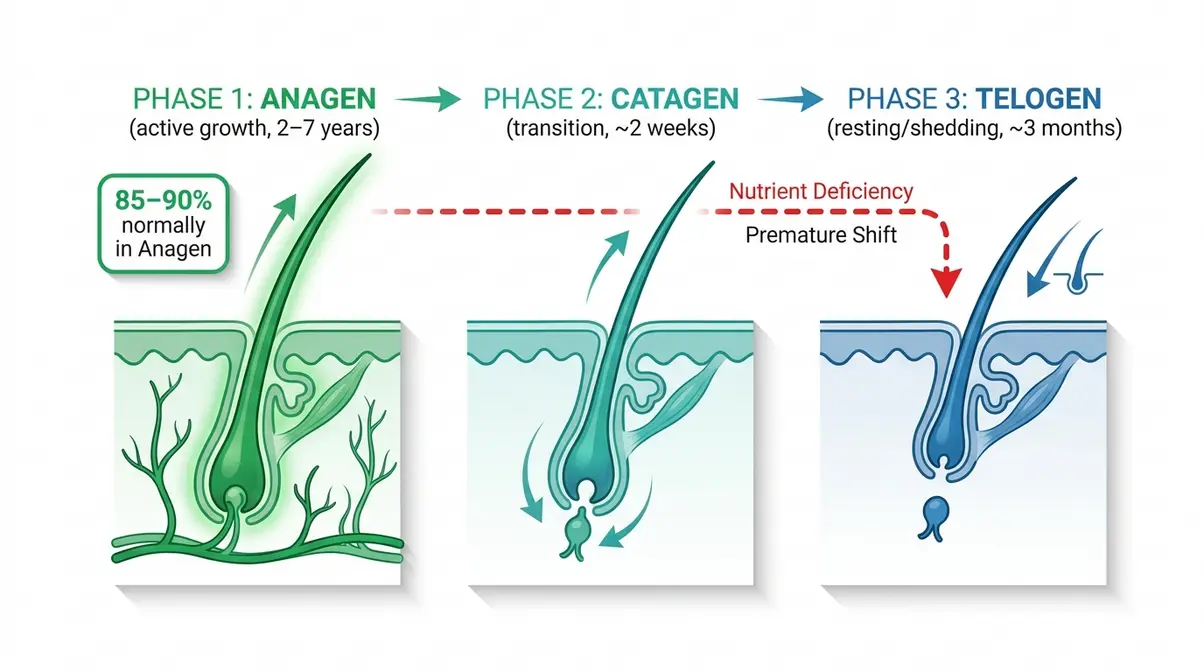
Each hair strand passes through three phases. The anagen phase (the active growth phase) lasts two to seven years and determines how long your hair can grow. The catagen phase (a brief transition phase) lasts about two weeks. The telogen phase (the resting and shedding phase) lasts roughly three months, after which the hair falls out and a new strand begins. Normally, about 85–90% of your hairs are in the anagen phase at any given time, according to the Cleveland Clinic’s hair health overview.
When you experience a significant nutrient deficiency — or a physical stress like rapid weight loss — large numbers of hairs shift prematurely into the telogen phase. This is called telogen effluvium (a type of temporary but alarming hair shedding triggered by nutritional stress or physical shock). The shedding typically appears two to three months after the triggering event, which is why people often struggle to connect the cause to the effect.
The Deficiency-First Protocol
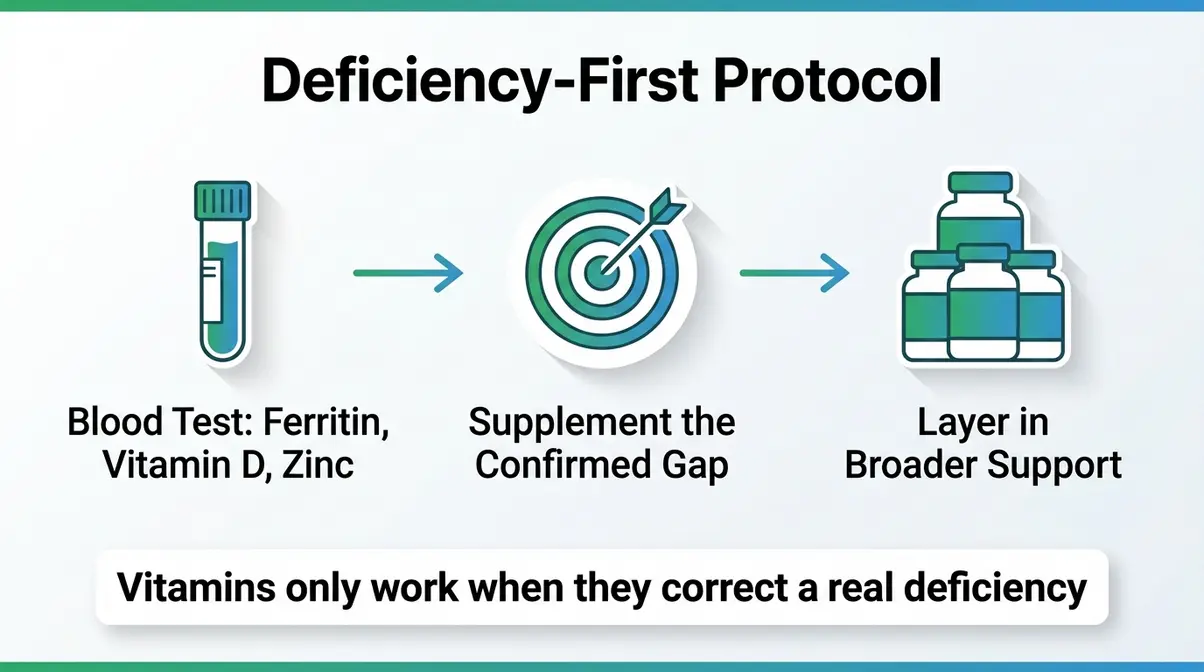
The Deficiency-First Protocol is a three-step approach: (1) identify your deficiency via a blood test, (2) supplement specifically for that confirmed gap, (3) only then layer in additional hair-support nutrients. Most people skip step one entirely — and that is why the same supplement that transforms one person’s hair does nothing for another.
Here is why this matters: if your Vitamin D level is in the normal range, taking a Vitamin D supplement will not grow more hair. Your follicles are not Vitamin D-deficient; they are limited by something else. Spending money on the wrong supplement does not just waste money — it delays finding the actual solution.
The protocol works like this in practice:
- Get a blood panel. Ask your doctor to test serum ferritin (iron storage), 25-hydroxyvitamin D, zinc, and a complete blood count. These are standard tests covered by most insurance plans.
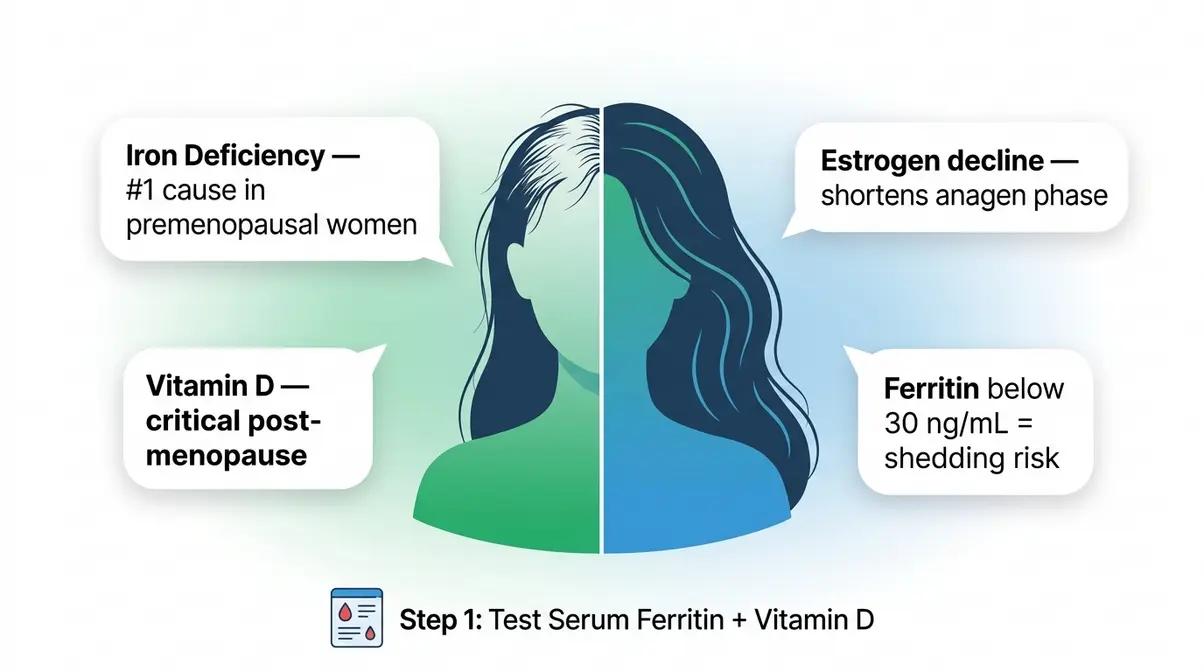
- Identify your gap. Your doctor will compare your levels to reference ranges. Ferritin below 30 ng/mL is commonly associated with hair shedding in women, even when not technically “anemic.”
- Supplement the deficiency first. Correct the confirmed gap before adding a multi-ingredient formula. This isolates what is actually helping.
- Layer in supporting nutrients. Once the primary deficiency is corrected, a multi-ingredient formula (like the ones reviewed below) can provide broader support.
Identifying Your Hair Loss Deficiency
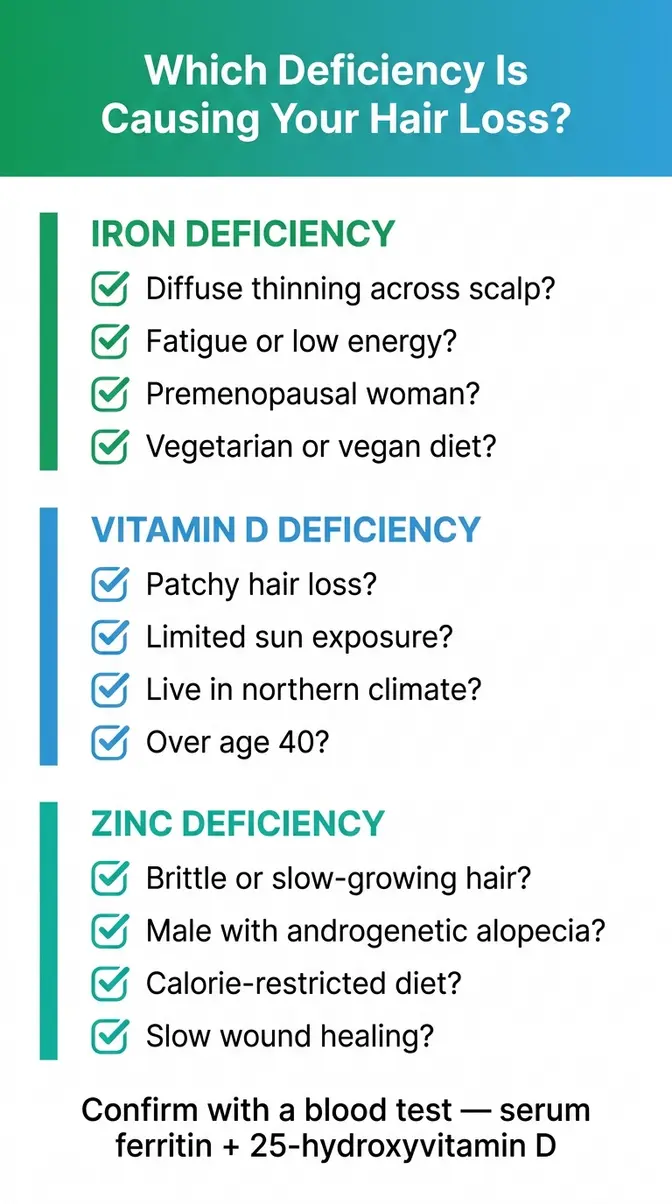
The three most common nutritional drivers of hair loss are iron deficiency, Vitamin D deficiency, and zinc deficiency — and they each produce slightly different patterns.
Iron deficiency is the most common nutritional cause of hair loss in premenopausal women. Research published in the Journal of the American Academy of Dermatology found that low ferritin (serum iron storage) is significantly associated with telogen effluvium and female-pattern hair loss. Up to 72% of women with hair loss in some clinic populations show suboptimal ferritin levels. Hair loss from iron deficiency typically presents as diffuse thinning across the scalp rather than a receding hairline.
Vitamin D deficiency affects an estimated 1 billion people globally (NIH, 2022). Vitamin D receptors are present in hair follicle cells, and low Vitamin D levels have been linked to both alopecia areata (patchy hair loss) and telogen effluvium in multiple observational studies. A 2013 study published in Skin Pharmacology and Physiology found significantly lower Vitamin D levels in women with female-pattern hair loss compared to controls.
Zinc deficiency disrupts the protein synthesis your follicles need to build each strand. Symptoms include diffuse shedding, slow regrowth, and brittle texture. Zinc is also a cofactor for the enzymes that regulate DHT (dihydrotestosterone, a hormone that can shrink hair follicles over time), making it particularly relevant for men with androgenetic alopecia (genetic hair thinning).
The Best Hair Growth Vitamins: Our Top Picks
The nine products below represent the strongest formulas available across three categories: clinically studied single-mechanism formulas, multi-ingredient complexes, and format-differentiated options. Each was selected using the four criteria described above.
Clinically Studied Lustriva Formulas
Lustriva is a patented blend of ashwagandha extract, biotin, and zinc that has been studied in a double-blind, placebo-controlled clinical trial — the gold standard of evidence. In a published 16-week study, participants using the Lustriva blend showed statistically significant improvements in hair growth, thickness, and reduction in shedding compared to placebo. This makes Lustriva-based products the highest-evidence option on this list for readers who want clinically shown results.
Force Factor Hair Growth Chews (B0DGR9J7LB) feature the Lustriva complex as the primary active ingredient. The chew format makes daily compliance easy, and the formula pairs Lustriva with additional B vitamins for broader nutritional support. This is the strongest choice for readers who want a single product with published clinical trial data behind the core ingredient.
Nature Made Hair Growth Softgels (B0DVBKH321) combine the Lustriva blend with standalone biotin in a softgel format. Softgels offer superior absorption for fat-soluble components compared to gummies, making this a strong option for readers over 40 whose digestive absorption may be less efficient. Nature Made is a well-established brand with USP Verified certification, meaning a third-party organization has confirmed label accuracy and manufacturing quality.
For readers dealing with aging-related hair thinning specifically, the Lustriva + Biotin softgel combination addresses two of the most common age-related gaps simultaneously.
Multi-Ingredient Vitamin Complexes
Multi-ingredient complexes are ideal for readers who suspect multiple deficiencies but haven’t yet confirmed them with a blood test. They cast a wider nutritional net.
Biotin Collagen Keratin Complex (B09RKDGYJD) combines three structural proteins and vitamins in one formula. Collagen (a protein that provides structure to hair strands) and keratin (the primary protein hair is made of) are both included alongside biotin. This formula is particularly relevant for readers whose hair feels thin, brittle, or lacks density — symptoms that often reflect protein deficiency rather than vitamin deficiency alone. It appears twice in the table above because it suits both general daily use and multi-nutrient stacking.
Women’s Hair Growth Vitamins (B0BYYDZBH1) is formulated specifically with female hormonal patterns in mind, including ingredients that support estrogen-related hair health alongside standard B vitamins and minerals. It appears in both table positions 3 and 6, reflecting its strong fit for the core audience. This is a solid starting point for women in their 30s and 40s who suspect hormonal shifts are contributing to their thinning.
Women’s Hair Vitamins 2-Pack (B0F3WFQSD5) provides a two-month supply, which matters because hair growth supplements require consistent use for a minimum of 90 days before results are visible — the length of one complete hair growth cycle. The 2-pack format reduces the temptation to quit too early.
Nature’s Bounty Hair Skin Nails (B0072F8D7S) is the most budget-accessible option on the list. It delivers a straightforward biotin-forward formula in softgel form. It is best suited to readers who are confirmed biotin-deficient or who are beginning supplementation for the first time and want a low-commitment entry point.
Gummy vs. Softgel Absorption
Format choice matters more than most marketing suggests. Here is a direct comparison to help you decide:
| Format | Absorption | Best For | Watch Out For |
|---|---|---|---|
| Softgel | Highest for fat-soluble vitamins (D, A, E, K) | Adults 40+, anyone with Vitamin D deficiency | Slightly larger pill size |
| Gummy | Moderate; may contain added sugars | Those who struggle swallowing capsules | Lower Vitamin D bioavailability; sugar content |
| Chew | Similar to gummy; varies by formulation | Compliance-focused users; Lustriva delivery | Caloric content in some formulas |
WEEM Hair Skin Nails Gummies (B08FGZSW8L) stand out in the gummy category as a vegan-certified option with a cleaner ingredient profile than most gummy competitors. For readers who genuinely cannot tolerate capsules, this is the strongest gummy option. However, research consistently shows that softgel delivery outperforms gummies for fat-soluble vitamin absorption — so if Vitamin D is your primary deficiency, prioritize a softgel formula.
The practical takeaway: if your deficiency is primarily Vitamin D or another fat-soluble vitamin, choose a softgel. If your primary need is biotin or water-soluble B vitamins, format matters less and a gummy is a reasonable choice.
Key Hair Growth Vitamins: Biotin & More
Understanding the specific role of each vitamin prevents you from buying based on marketing and helps you apply the Deficiency-First Protocol with precision. Here are the three categories that matter most.
Biotin (Vitamin B7): The Reality
Biotin is the most marketed vitamin for hair growth — and also the most misunderstood. Here is the clinical reality: biotin supplementation only improves hair growth in people who are actually biotin-deficient, and true biotin deficiency is relatively rare in adults eating a varied diet. A 2017 review in the journal Skin Appendage Disorders found that all reported cases of biotin improving hair and nail health involved confirmed underlying deficiency.
That said, certain groups are at higher risk of biotin deficiency: people taking long-term antibiotics, those with gut absorption issues, and pregnant women. For these groups, biotin supplementation can produce noticeable improvements in hair thickness and growth rate.
The real-world experience of many users captures both the promise and the caveat:
“Biotin absolutely works in my experience, to grow hair thicker and faster. Which is great! Except if you’re even slightly acne prone as it also…”
This is a documented phenomenon. High-dose biotin (above 2,500 mcg daily) can exacerbate acne in susceptible individuals by interfering with the absorption of pantothenic acid (Vitamin B5), which plays a role in sebum (skin oil) regulation. The FDA has also noted that high biotin doses can interfere with certain lab test results, including thyroid and cardiac troponin tests — always inform your doctor if you are taking biotin before bloodwork. The standard dermatologist-recommended dose for hair support is 2,500–5,000 mcg daily, not the 10,000 mcg doses found in some aggressive marketing formulas.
Vitamin D: The Follicle Activator
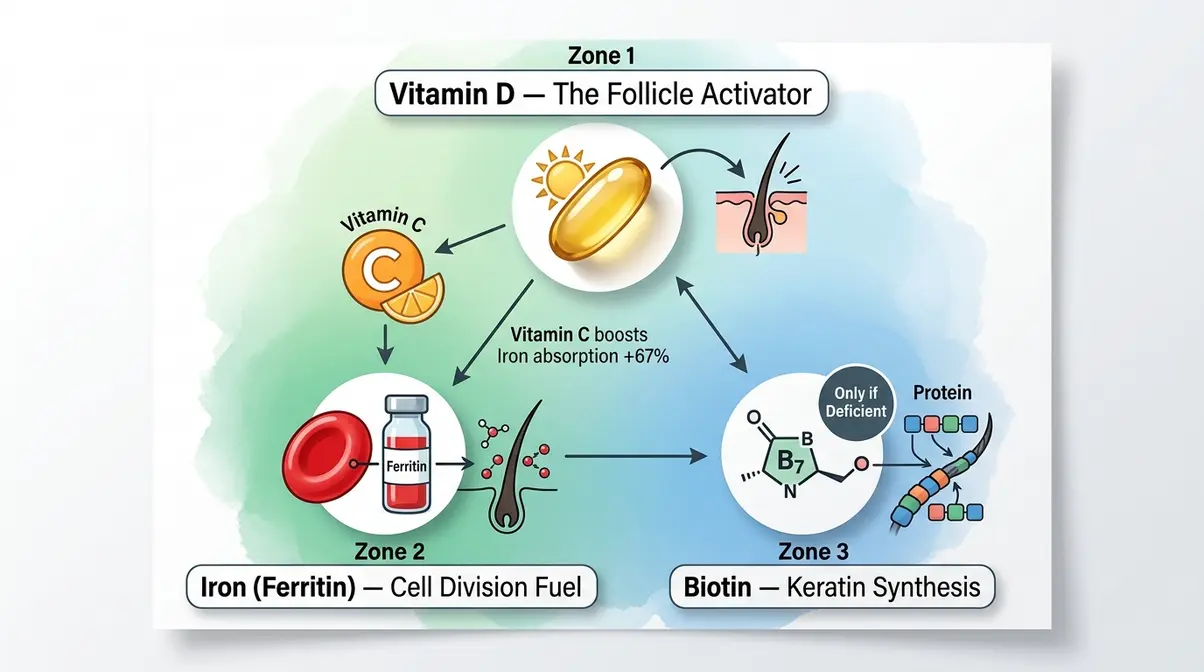
Vitamin D is arguably the most clinically significant hair growth vitamin — and the most commonly deficient. Vitamin D receptors are present directly inside hair follicle cells, meaning Vitamin D acts as a biological switch that signals follicles to enter the active growth (anagen) phase. When Vitamin D levels are low, this signaling breaks down.
A study published in Stem Cells Translational Medicine found that Vitamin D stimulates the creation of new hair follicles and may help reactivate dormant ones. Separately, a 2013 study in Skin Pharmacology and Physiology found that women with female-pattern hair loss had significantly lower Vitamin D levels than women without hair loss, even after controlling for other variables (Rasheed et al., 2013).
The NIH recommends 600–800 IU of Vitamin D daily for adults, but many dermatologists suggest that individuals with hair loss and confirmed Vitamin D deficiency may benefit from 2,000–4,000 IU daily under medical supervision. Fat-soluble vitamins like Vitamin D should always be taken with a meal containing healthy fat to maximize absorption — another reason softgels outperform gummies for this specific nutrient.
Iron, Zinc, and Vitamin C Support
These three nutrients work together in a chain reaction that directly supports hair strand production.
Iron is required for ribonucleotide reductase, the enzyme that drives the rapid cell division happening inside active hair follicles. Without sufficient iron (specifically ferritin, the stored form), follicle cell production slows and hairs shift into telogen prematurely. According to research published in the Journal of Korean Medical Science, ferritin levels below 30 ng/mL are strongly associated with diffuse hair shedding in women (PMC, 2013).
Zinc supports the oil-secreting glands around each follicle and is critical for DNA repair within follicle cells. Studies have found that people with alopecia areata (patchy hair loss) and androgenetic alopecia (genetic thinning) often have lower serum zinc levels than controls. Zinc supplementation in confirmed deficient patients has shown measurable improvement in hair regrowth in several small trials.
Vitamin C does not directly grow hair, but it plays a critical supporting role: it dramatically increases the absorption of non-heme iron (the plant-based form of iron found in most supplements). Taking your iron supplement with a Vitamin C source — or choosing a formula that combines both — can increase iron absorption by up to 67%, according to research from the GoodRx health and dermatology resource. Vitamin C is also an antioxidant that protects follicle cells from oxidative stress (cellular damage caused by free radicals).
Vitamins for Hair Thickness and Volume
Not all hair concerns are the same. Hair that is thinning (losing density and coverage) requires a different nutritional approach than hair that is simply growing slowly. Understanding this distinction can save you months of using the wrong supplement.
Why Thinning Differs from Slow Growth
Hair thinning refers to a reduction in the diameter of individual strands and/or a decrease in the total number of active follicles producing hair. It is primarily driven by hormonal factors (DHT sensitivity, estrogen decline) and structural protein deficiencies. Slow hair growth, by contrast, typically reflects anagen phase disruption — the follicle is active but producing strands more slowly than optimal, often due to iron, zinc, or B-vitamin deficiency.
The practical difference: if your hair feels fine and wispy but you still have full coverage, your issue is likely strand diameter (thickness). If you can see your scalp more than before or your ponytail circumference has decreased, your issue is follicle density (thinning). The Deficiency-First Protocol applies to both, but the target nutrients differ.
Which Vitamin Stops Hair Thinning?
Diffuse hair thinning in women most commonly signals iron deficiency (low ferritin), Vitamin D deficiency, or both. A ferritin level below 30 ng/mL is associated with hair shedding even when standard hemoglobin levels are “normal.” Vitamin D deficiency affects an estimated 1 billion people globally and directly impairs the signaling that keeps follicles in the active growth phase. Get a blood panel testing serum ferritin and 25-hydroxyvitamin D before purchasing any supplement.
Top Ingredients for Thicker Hair Strands
For strand thickness specifically, the evidence points to three key ingredients:
Keratin is the structural protein that makes up approximately 95% of each hair strand. Supplementing with hydrolyzed keratin (keratin that has been broken into smaller, more absorbable fragments) has been shown in a small 2018 clinical study to improve hair strength and diameter after 90 days of consistent use. Products like the Biotin Collagen Keratin Complex address this directly.
Collagen provides the scaffolding around each follicle. As collagen production naturally declines after age 25 (by approximately 1% per year), follicles lose structural support and strands become finer. A 2019 study in the Journal of Investigative Dermatology Supplement found that collagen peptide supplementation improved dermal density — the tissue layer that anchors hair follicles — in participants over 35. This structural support is vital for maintaining the diameter of each hair shaft.
Silica (found in some hair formulas as bamboo extract or horsetail extract) supports the formation of collagen and has shown modest evidence for improving hair tensile strength in preliminary studies. It is a trace mineral that helps deliver essential nutrients to the scalp by strengthening blood vessels and improving circulation. A consistent hair care routine for growth combined with targeted vitamins like silica can significantly improve the structural integrity of each strand.
| Ingredient | Primary Mechanism | Evidence Level | Best Format |
|---|---|---|---|
| Keratin (hydrolyzed) | Builds strand structure | Moderate (small trials) | Capsule/chew |
| Collagen peptides | Supports follicle scaffolding | Moderate | Powder/capsule |
| Silica (bamboo extract) | Collagen cofactor | Preliminary | Capsule |
| Biotin | Keratin synthesis support | Deficiency-dependent | Any |
Best Hair Growth Vitamins for Women
Women experience hair loss differently from men — hormonally, structurally, and emotionally. The nutritional approach needs to reflect those differences.
Female-Pattern Loss & Hormones
Female-pattern hair loss (also called androgenetic alopecia in women, or FPHL) typically presents as a widening part or diffuse thinning across the crown, rather than the receding hairline seen in men. It affects an estimated 40% of women by age 50, according to the American Academy of Dermatology. Unlike male-pattern loss, FPHL in women is often driven by a combination of genetic DHT sensitivity and underlying nutrient deficiencies — particularly iron and Vitamin D — which makes nutritional correction more impactful than in men.
The ISHRS (International Society of Hair Restoration Surgery) notes that iron deficiency is the single most common correctable cause of hair loss in premenopausal women. The threshold that matters is not just clinical anemia (hemoglobin below 12 g/dL) but suboptimal ferritin — many women with ferritin between 12 and 30 ng/mL experience significant shedding despite technically “normal” blood results.
For women in their 30s and 40s, the most effective nutritional approach combines iron (confirmed via ferritin test), Vitamin D, and a multi-ingredient formula that includes zinc and biotin. The Women’s Hair Growth Vitamins (B0BYYDZBH1) and Women’s Hair Vitamins 2-Pack (B0F3WFQSD5) were selected specifically to address this multi-deficiency pattern.
Hair Changes After Menopause
After menopause, estrogen levels drop significantly — and estrogen plays a direct role in extending the anagen (growth) phase of the hair cycle. Lower estrogen means shorter growth phases, finer strands, and slower regrowth. This drop in estrogen and progesterone also increases the relative influence of androgens (like DHT) in the body, leading to miniaturization of the hair follicles. This is why postmenopausal thinning often resembles male-pattern baldness, with widening at the part line and diffuse thinning across the crown.
Nutritionally, the priorities shift after menopause. Vitamin D becomes even more critical because postmenopausal women have lower skin synthesis of Vitamin D from sunlight and often have reduced dietary intake. Iron requirements decrease after menopause (since menstruation ends), but zinc and collagen become relatively more important as connective tissue production slows. In evaluating female-focused supplements, our team looks for formulas that specifically address these hormonal shifts rather than just offering generic multivitamins. Some advanced formulas incorporate ingredients like Saw Palmetto to help naturally block DHT at the scalp level.
Women over 50 should prioritize: a Vitamin D-rich softgel formula (Nature Made Hair Growth Softgels are a strong fit), confirmed ferritin testing (levels may now be adequate where they were previously low), and collagen supplementation alongside their hair vitamin to address the structural changes in follicle scaffolding. Consulting a dermatologist about topical Minoxidil alongside nutritional support is also worth discussing — evidence for Minoxidil in women over 50 is strong and it stacks well with vitamins.
Prenatal Vitamins and Hair Growth Science
Prenatal vitamins are frequently credited with producing lush, fast-growing hair during pregnancy — but the science tells a more nuanced story.
Why Hair Thrives During Pregnancy
During pregnancy, elevated estrogen and progesterone levels extend the anagen (growth) phase of the hair cycle and dramatically reduce normal daily shedding. The typical person sheds 50–100 hairs per day; during pregnancy, that number drops significantly because hormones are essentially pausing the telogen phase. The result looks like thick, voluminous hair — but it is largely an accumulation of hairs that have not yet shed, rather than new growth stimulated by prenatal vitamins.
Are prenatal vitamins good for hair growth? The honest answer is: they help primarily by preventing deficiencies — particularly iron and folate — that would otherwise cause hair loss. They do not independently stimulate hair growth in non-pregnant, non-deficient individuals. A non-pregnant person taking prenatal vitamins will not experience the same hair changes, because the hormonal environment driving the effect is absent.
That said, prenatal vitamins contain meaningful doses of iron, folate (Vitamin B9, essential for cell division in follicles), zinc, and Vitamin D — all of which are relevant to hair health. If you are deficient in any of these, prenatal vitamins can absolutely help.
Postpartum Shedding: How to Recover
Postpartum hair loss is one of the most distressing hair experiences a person can go through — and it is almost universal. After delivery, estrogen levels drop sharply, and all the hairs that stayed in anagen during pregnancy suddenly enter telogen simultaneously. The result is dramatic, diffuse shedding that typically begins 2–4 months after birth and peaks around month 4–6.
The good news: postpartum shedding is temporary. Most people return to their pre-pregnancy hair density by 12 months postpartum without any intervention. However, nutritional support can meaningfully accelerate recovery. The key nutrients for postpartum recovery are:
- Iron — Replenish stores depleted by blood loss during delivery. Confirm ferritin levels with your OB or midwife before supplementing.
- Vitamin D — Often depleted during breastfeeding; critical for follicle reactivation.
- Biotin — Breastfeeding increases biotin requirements; deficiency is more common postpartum than at other life stages.
- Zinc — Supports immune function and protein synthesis as the body recovers.
Continuing your prenatal vitamin through the postpartum period and breastfeeding is the most straightforward approach. A multi-ingredient formula that covers all four nutrients simultaneously — such as the Women’s Hair Growth Vitamins (B0BYYDZBH1) — is a practical choice for this stage.
Best Hair Growth Vitamins for Men
Men’s hair loss is driven by a fundamentally different mechanism than most women’s — and the nutritional strategy needs to reflect that.
DHT and Male-Pattern Thinning
Male-pattern hair loss (androgenetic alopecia in men) is primarily driven by DHT (dihydrotestosterone), a hormone derived from testosterone by the enzyme 5-alpha reductase. DHT binds to receptors in genetically susceptible hair follicles and gradually miniaturizes them — producing progressively finer, shorter strands until the follicle stops producing visible hair entirely. This is why male-pattern loss follows a predictable pattern: receding temples, thinning crown, and eventual bald patches.
Vitamins alone cannot block DHT. However, specific nutrients can support the environment in which follicles operate, slow the rate of DHT-driven damage, and address co-existing deficiencies that accelerate loss. Zinc is particularly relevant here: it inhibits 5-alpha reductase activity (the enzyme that converts testosterone to DHT) at adequate serum levels, according to research published in the Journal of Nutritional Biochemistry. This makes zinc supplementation meaningful for men with both confirmed zinc deficiency and androgenetic alopecia.
Vitamin D and iron deficiencies are also common in men — especially men over 40 who spend limited time outdoors and those following calorie-restricted diets. Addressing these gaps does not reverse genetic hair loss, but it removes the additional burden of nutritional deficiency from already-stressed follicles.
Stacking Vitamins With The Big 3
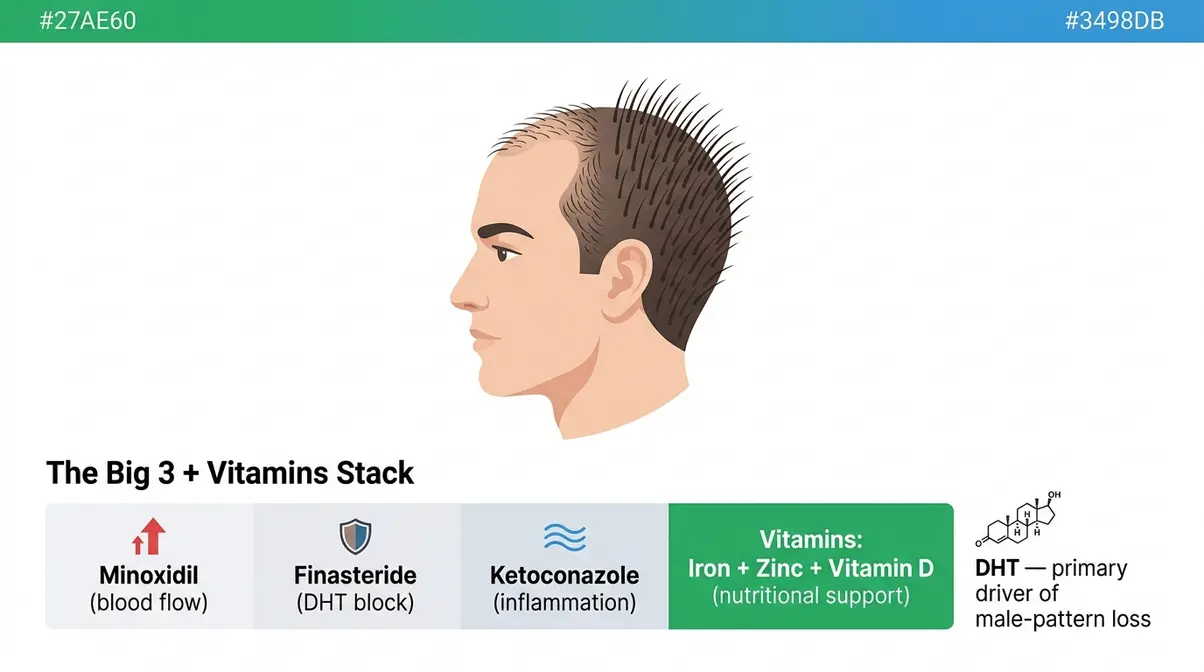
The Big 3 for hair loss refers to the three most evidence-backed medical treatments for androgenetic alopecia: Minoxidil (a topical vasodilator that increases blood flow to follicles), Finasteride (an oral 5-alpha reductase inhibitor that reduces DHT production), and Ketoconazole (an antifungal shampoo that reduces scalp DHT and inflammation). This combination is the current standard of care for men with moderate androgenetic alopecia and is increasingly used by women as well (with modified protocols).
Vitamins do not replace the Big 3 — but they stack with it effectively. Here is how:
| Treatment | Primary Mechanism | Vitamin Complement | Why It Works Together |
|---|---|---|---|
| Minoxidil | Increases follicle blood flow | Iron + Vitamin C | Iron supports oxygen delivery that Minoxidil-enhanced circulation carries to follicles |
| Finasteride | Reduces DHT production | Zinc | Both target 5-alpha reductase; zinc provides nutritional support for the same pathway |
| Ketoconazole shampoo | Reduces scalp DHT + inflammation | Vitamin D | Vitamin D has anti-inflammatory properties that complement Ketoconazole’s mechanism |
If you are already using the Big 3, adding a multi-ingredient vitamin formula is a reasonable next step — not a replacement. The Biotin Collagen Keratin Complex (B09RKDGYJD) or Nature Made Hair Growth Softgels (B0DVBKH321) work well as stacking supplements because they cover multiple nutritional bases without high doses of any single ingredient that could interfere with medications.
Important: If you are taking Finasteride, discuss any new supplements with your prescribing physician before starting. High-dose biotin specifically can interfere with the lab tests used to monitor Finasteride’s effects on PSA (prostate-specific antigen) levels.
Vitamins for GLP-1 Hair Loss Recovery
One of the fastest-growing hair loss concerns in 2026 is shedding triggered by GLP-1 receptor agonist medications — including semaglutide (Ozempic, Wegovy) and tirzepatide (Zepbound, Mounjaro). This is an emerging area that no competitor article currently addresses in depth.
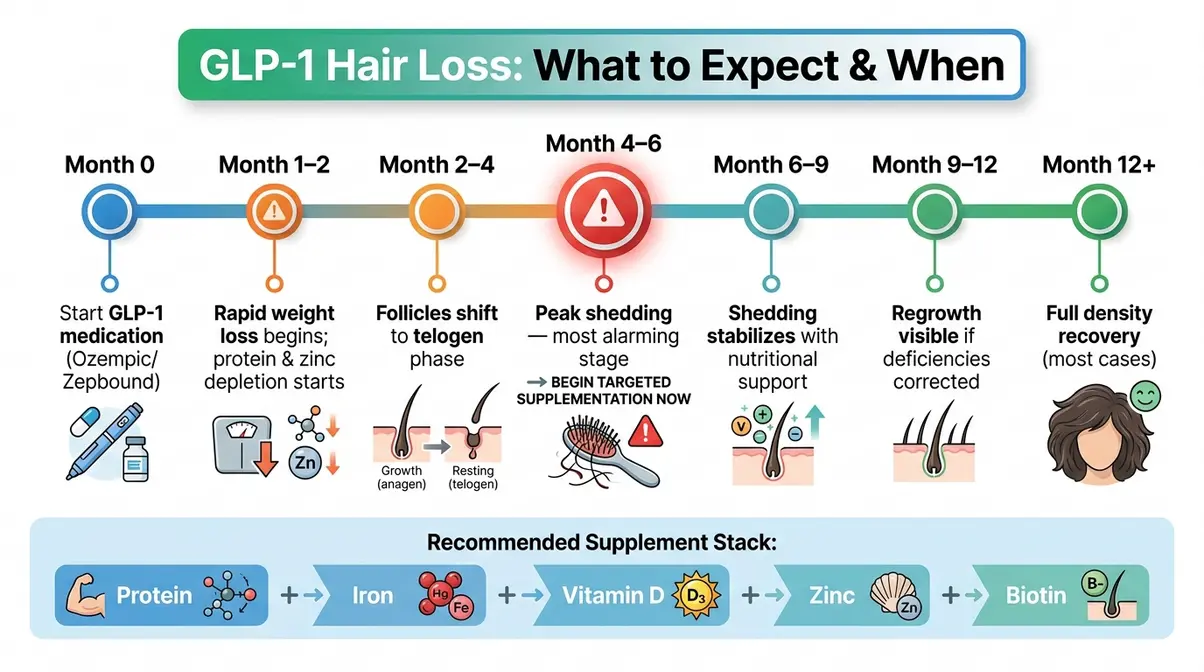
GLP-1-related hair loss is a form of telogen effluvium triggered by rapid caloric restriction and weight loss, not by the medication itself. When the body loses weight quickly — particularly more than 1–1.5 lbs per week — it experiences a form of nutritional stress that shifts large numbers of follicles into the telogen phase. Shedding typically becomes visible 2–4 months after significant weight loss begins.
The nutrients most depleted during GLP-1-assisted weight loss are:
- Protein and amino acids — Reduced appetite means reduced protein intake; hair is almost entirely protein
- Iron — Caloric restriction reduces iron intake; women are particularly vulnerable
- Zinc — Depleted rapidly during weight loss phases
- Biotin — Reduced food variety during GLP-1 use can limit dietary biotin
- Vitamin D — Often baseline-deficient; not replenished adequately during restricted eating
Vitamins to Take on Zepbound?
While on Zepbound or other GLP-1 medications, prioritize protein intake, iron, zinc, Vitamin D, and biotin. GLP-1 medications reduce appetite significantly, which often leads to insufficient intake of these hair-critical nutrients. A multi-ingredient hair formula covering all four minerals and vitamins provides a practical safety net. Women’s Hair Vitamins 2-Pack (B0F3WFQSD5) offers two months of consistent coverage, which is important because GLP-1-related hair shedding typically peaks at months 4–6. Always consult your prescribing physician before adding new supplements to your GLP-1 regimen.
When Hair Vitamins Fail: Risks & Red Flags
The Deficiency-First Protocol is also a protection protocol — it prevents you from over-supplementing nutrients you don’t need, which carries real risks.
Toxicity Risks of Fat-Soluble Vitamins
Not all vitamins are equal in their safety profile at high doses. Water-soluble vitamins (like biotin and other B vitamins) are generally excreted in urine when taken in excess — your body flushes what it doesn’t use. Fat-soluble vitamins (Vitamins A, D, E, and K) are stored in body fat and the liver, meaning excess accumulates and can reach toxic levels over time.
The most clinically relevant risk in hair supplement use is Vitamin A toxicity (hypervitaminosis A). Paradoxically, too much Vitamin A can actually cause hair loss — the same symptom you are trying to treat. The tolerable upper intake level for Vitamin A is 3,000 mcg RAE (10,000 IU) per day for adults, according to the NIH. Many hair formulas stack Vitamin A on top of a standard multivitamin, making it easy to accidentally exceed this threshold.
Vitamin D toxicity is less common but possible with aggressive supplementation above 10,000 IU daily over extended periods. Symptoms include nausea, weakness, and in severe cases, kidney damage from hypercalcemia (excess calcium in the blood).
| Vitamin | Upper Safe Limit (Adults) | Risk of Excess | Source |
|---|---|---|---|
| Vitamin A | 3,000 mcg RAE / 10,000 IU daily | Hair loss, liver damage | NIH, 2022 |
| Vitamin D | 4,000 IU daily (general); up to 10,000 IU under medical supervision | Hypercalcemia, kidney damage | NIH, 2022 |
| Iron | 45 mg daily (total from all sources) | GI distress, organ damage at very high doses | NIH, 2022 |
| Biotin | No established UL; >5,000 mcg may interfere with lab tests | Lab test interference, acne | FDA, 2019 |
When to See a Doctor Instead
Hair vitamins are appropriate for nutritional hair loss — but several types of hair loss require medical diagnosis and treatment that supplements cannot provide.
- See a board-certified dermatologist if you experience:
- Sudden patchy hair loss (circular bald spots) — this may indicate alopecia areata, an autoimmune condition
- Scalp redness, scaling, itching, or pain alongside hair loss — possible scalp infection or psoriasis
- Hair loss accompanied by fatigue, weight changes, cold intolerance, or irregular periods — possible thyroid disorder
- Shedding that does not improve after 6 months of consistent, targeted supplementation
- A receding hairline that progresses rapidly — may benefit from prescription Minoxidil or Finasteride
Vitamins address the nutritional layer of hair health. They cannot address autoimmune conditions, scalp infections, thyroid disease, or genetic follicle miniaturization without medical co-treatment. Treating these conditions with supplements alone delays effective care.
Frequently Asked Questions
What vitamins are best to grow hair?
The best vitamins for hair growth are Vitamin D, iron (ferritin), and zinc — the three nutrients most consistently linked to hair loss in clinical research. Biotin is widely marketed but only effective when you have a confirmed biotin deficiency. A 2019 NCBI systematic review found that correcting iron, Vitamin D, and zinc deficiencies produced measurable improvement in hair shedding in most study participants. The most practical approach is a multi-ingredient formula covering all three, used alongside a blood test to confirm your specific gap.
What is the Big 3 for hair loss?
The Big 3 for hair loss is Minoxidil, Finasteride, and Ketoconazole. These are clinically proven treatments for androgenetic alopecia (genetic hair thinning). Vitamins do not replace the Big 3 but can stack with each treatment to address nutritional deficiencies that compound genetic hair loss.
Which Vitamin Stops Hair Shedding?
Sudden or diffuse hair falling out — telogen effluvium — most commonly points to iron deficiency, Vitamin D deficiency, or zinc deficiency. These three nutrients are required for the rapid cell division happening inside active hair follicles. A significant physical or nutritional stress (rapid weight loss, illness, surgery, or crash dieting) can trigger telogen effluvium by depleting these nutrients rapidly. Hair typically starts falling out 2–3 months after the triggering event, according to clinical data on telogen effluvium. Confirming deficiencies with a blood test and supplementing specifically for confirmed gaps is the most direct path to recovery.
Stopping GLP-1 Hair Loss?
To reduce GLP-1 hair loss, prioritize adequate protein intake (at least 1.2 g per kg of body weight daily) and supplement with iron, Vitamin D, zinc, and biotin. The hair loss is caused by the rapid caloric restriction, not the medication itself — it is a form of telogen effluvium. Slowing your rate of weight loss (if medically appropriate) and ensuring sufficient protein and micronutrient intake are the two most effective interventions. Most people see shedding stabilize within 6–9 months with consistent nutritional support. Discuss your specific situation with both your prescribing physician and a dermatologist.
Do Prenatal Vitamins Grow Hair?
Prenatal vitamins support hair health by preventing deficiencies, but they do not independently stimulate hair growth in non-pregnant people. The dramatic hair improvement many women experience during pregnancy is primarily caused by elevated estrogen extending the hair growth phase. However, if you have a confirmed deficiency in iron or folate, prenatal vitamins can absolutely help.
Can hair vitamins cause weight gain?
No, hair vitamins do not cause weight gain. Vitamins and minerals like biotin, iron, and Vitamin D contain zero calories and do not directly impact your metabolism or fat storage. However, some gummy vitamin formats contain added sugars and calories, which can add up if taken in excess.
How long does it take for hair vitamins to work?
Hair vitamins typically take 90 to 180 days of consistent use to show visible results. This timeline aligns with the natural hair growth cycle, as it takes time for follicles to shift from the resting phase back into the active growth phase. You may notice improvements in nail strength or skin clarity before seeing significant changes in hair density.
Conclusion
For anyone dealing with hair thinning, the most important insight from this guide is this: vitamins for hair growth work — but only when they correct a real nutritional gap. Research consistently shows that iron, Vitamin D, and zinc are the most common correctable causes of hair shedding in women and men, and that targeted supplementation produces measurable improvement when deficiencies are confirmed. Multi-ingredient formulas like the Biotin Collagen Keratin Complex and clinically studied options like Force Factor’s Lustriva-based chews represent the strongest available evidence in supplement form.
The Deficiency-First Protocol — identify your gap, supplement specifically, then layer in broader support — is the framework that separates effective supplementation from expensive guesswork. It applies whether you are dealing with postpartum shedding, GLP-1-related loss, female-pattern thinning, or early-stage androgenetic alopecia. The Big 3 medical treatments and vitamins are not competing approaches; they are complementary layers of a complete hair health strategy.
Your next step is concrete: schedule a blood test for serum ferritin and 25-hydroxyvitamin D before purchasing any supplement. If those results reveal deficiencies, the products reviewed in this guide give you a clinically grounded starting point. If your levels are normal, the answer likely lies with a dermatologist — and that is equally valuable information. careaboutyourhair.com is committed to giving you the evidence-based guidance you need to make that decision with confidence.

Dave King
Writes evidence-based hair-care guides for Care About Your Hair — for every hair type, jargon-free and independent.